
How Custom Golf Shafts Enhance Distance and Accuracy
Written by Patrick Greene|Golf shaft specialist with 15+ years in

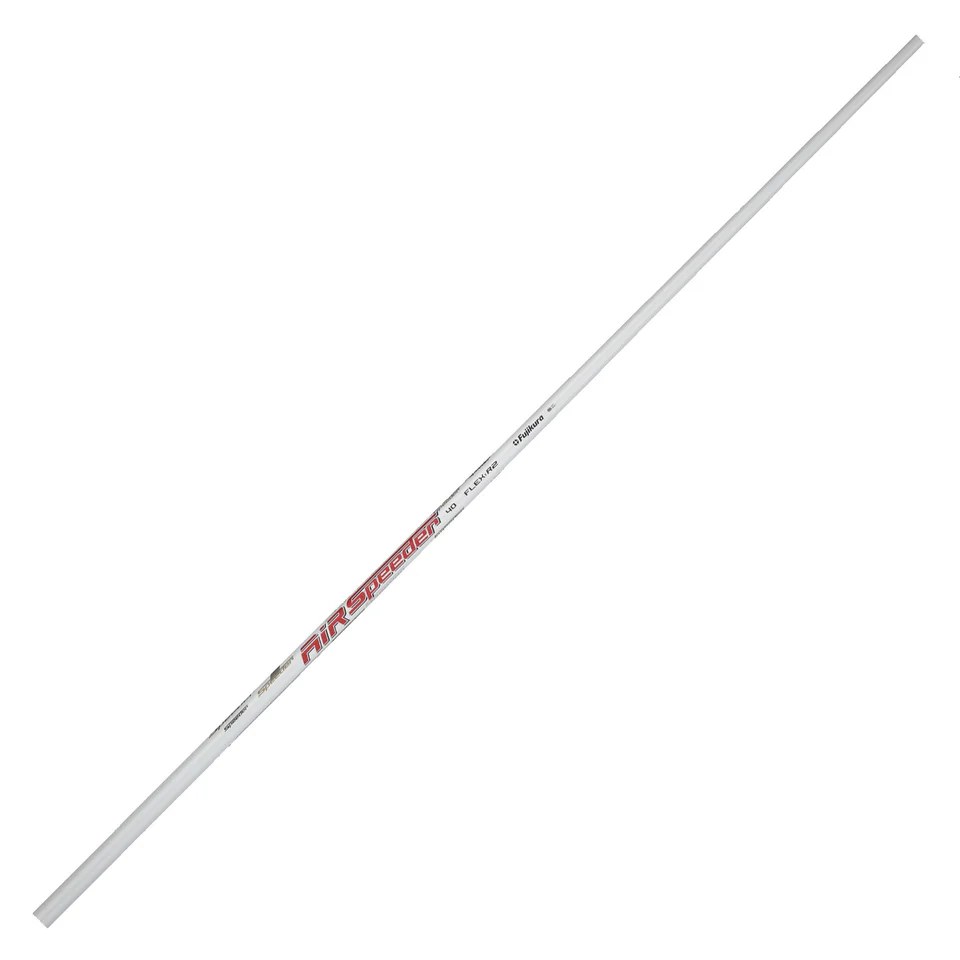
If your driver swing speed sits under about 85 mph, the shaft you were handed with the club may be working against you. Choosing the best driver shaft for slow swing speed is mostly about making the club easy to load and easy to launch, not about copying what faster players put in the bag. The right answer is usually lighter and more active than golfers expect.
This guide rounds out our swing-speed series alongside the 85 to 95 mph and 95 to 105 mph guides. It covers weight, flex, launch, and torque for slower swings, then points to shafts in our shop that are worth testing. Think of every number here as a rough starting point, because the real answer comes from how you swing and what your ball does.
A slower swing puts less load into the shaft. A shaft built for 105 mph never fully bends for a smoother, slower swing, so the club feels stiff, launches low, and tends to leak right for a right-handed player.

The goal at slower speeds is a shaft that bends and recovers on time with the effort you naturally make. That usually means less weight, a softer flex, and a profile that helps the ball get into the air. It does not mean a floppy, uncontrolled shaft. There is a point where lighter and softer stops helping, and finding that point is what a fitting is for.
Weight is the first lever we pull. A lighter shaft is easier to move, so a golfer who struggles to feel the clubhead often finds the swing becomes more fluid with a lighter build. In this speed range, a window of roughly 40 to 55 grams is a common place to start, but treat that as a rough starting point, not a rule, because the shafts below vary.
If you are coming from a 60 or 70 gram shaft, a big drop can feel strange at first. Your timing may need a few swings to adjust. Our 85 to 95 mph guide explains why the lighter half of the weight spectrum tends to help moderate-speed players, and the same logic applies even more strongly below 85.
The tradeoff is feel. If a shaft is so light that you cannot sense the head, strike location starts to wander. Test a couple of weights before you settle.
On the usual flex ladder of L, A (senior), R, S and X, slower swings often start around A or R and sometimes R2 where a maker offers it, though not every shaft below comes in an A flex. Our senior versus regular flex guide covers that choice in more depth. Those are only starting points, and flex letters are not identical from brand to brand. Our 95 to 105 mph guide makes the same point from the other direction: swing speed gives a range, and tempo finishes the decision.
Signs your shaft may be too stiff for a slower swing:
If that list sounds familiar, a softer or lighter option is worth a test. A quick tempo can still call for a firmer flex even at a modest speed, which is why we do not set flex from a chart alone.
Slower swings need help producing enough height for the ball to carry. Shaft makers rate their profiles for launch and spin, and for this group we usually look at shafts rated for higher launch or a mid-high launch. Torque matters too. Higher torque numbers mean the shaft twists more, which can make it feel livelier and help some golfers square the face. The catch is control, so a very high torque number is not automatically better.
Spin deserves attention as well. A high-launch, high-spin profile helps some golfers who need lift, but it can balloon in the wind for a golfer who already launches the ball high.
Everything below comes from the specifications on each product page, and the launch and spin ratings are the maker’s own. Your results will depend on the head, loft, and your strike.
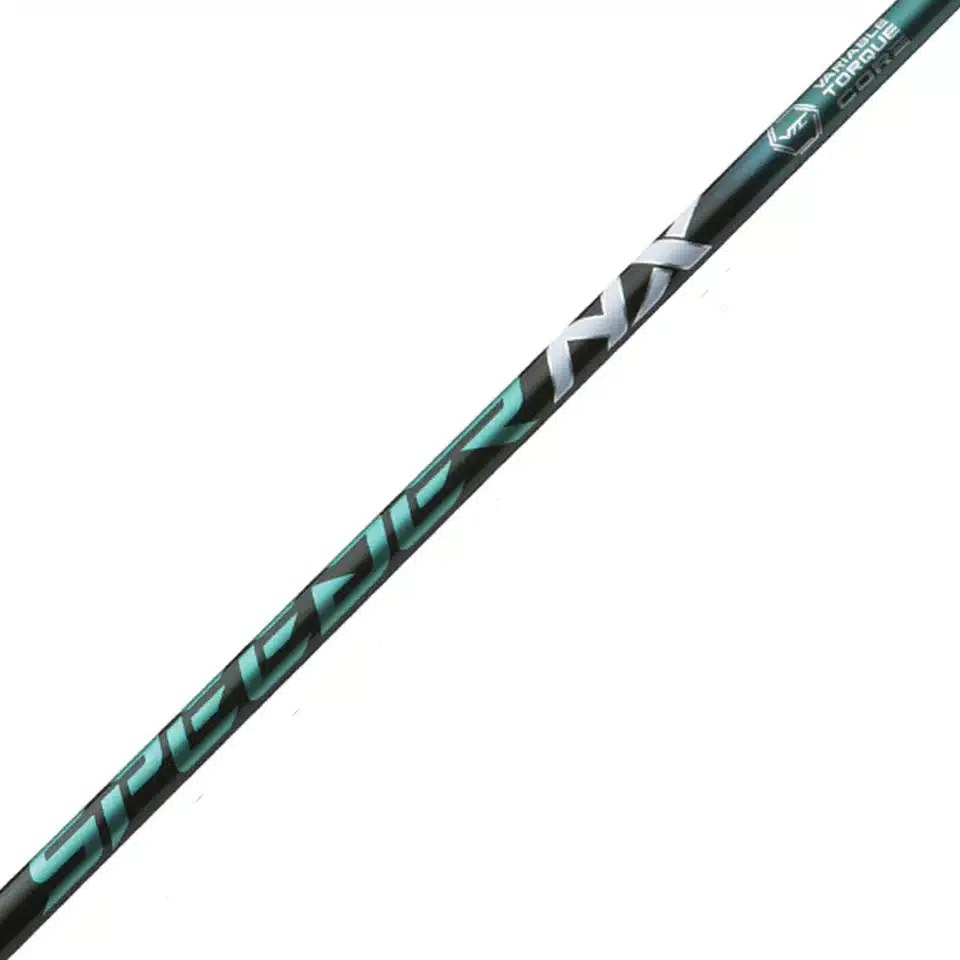
Once you have a shortlist, let the ball flight decide. If your shots are low and weak, look at higher-launch profiles and lighter weights. If they balloon and lose carry into the wind, a lower-spin profile may help even at a slower speed. If your miss changes from swing to swing, the shaft may be too light or too soft for your tempo, and a small step up in weight or firmness can calm things down.
Loft, sleeve setting, and playing length all change what the shaft does, so keep the head and loft the same when you compare shafts. For general information about how shafts are made, Fujikura’s site is a helpful outside reference.
To narrow the best driver shaft for slow swing speed in your case, send a short note about your setup. Include:
No. A senior or A flex fits many slower swings, but a quick transition at a modest speed can need a firmer shaft. Tempo matters as much as speed, so test before you commit.
A lighter shaft can feel easier to swing, and some golfers find their timing improves. Whether it helps you depends on your strike and tempo, so we help you compare options instead of promising a result.
Sometimes, if the tempo is aggressive or the golfer prefers a firmer feel. Most golfers at slower speeds do better with a shaft that bends enough to launch the ball, so stiff is worth testing but should not be the default.
Look for a swing that feels like work, a low launch, and misses that appear when you try to swing harder. A lighter build in the same head is a simple test.
If you want help sorting through the options, try the shaft selector to build a short list, or call 1-800-380-7901 and talk through your swing with Patrick. There is no pressure, and we are happy to help you find a shaft that suits your game.
Also Read: Senior Flex vs Regular Flex Driver Shafts: How to Tell Which You Need
Written by Patrick Greene|Golf shaft specialist with 15+ years in

Written by Patrick Greene|Golf shaft specialist with 15+ years in

Free golf guide · 26 pages
How to Teach Your Wife Golf (And Live to Talk About It)
A funny, practical guide to better golf and fewer arguments: setup, swing, short game, putting and what not to say on the course.
Get the free guide