
How Custom Golf Shafts Enhance Distance and Accuracy
Written by Patrick Greene|Golf shaft specialist with 15+ years in

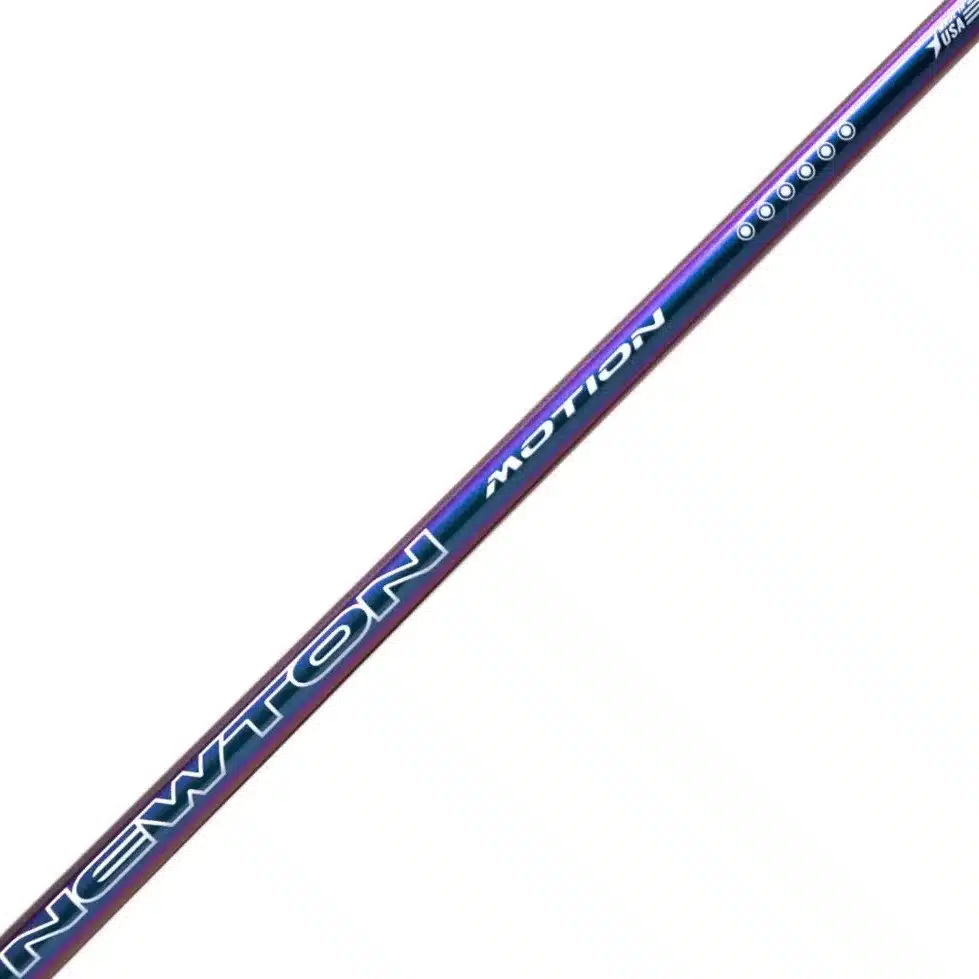
If your driver swing speed sits between 85 and 95 mph, you are in the largest group of golfers who walk through our door, and also the group most likely to be playing a shaft that was never meant for them. Finding the best driver shaft for 85 to 95 mph swing speed is less about chasing one magic model and more about getting three variables in the right order: weight class first, then flex, then launch profile. Shafts like the Newton Motion driver shaft were designed with exactly this kind of player in mind, which is why it stays in our fitting cart year round.
Most of the shaft advice you will find online is written for players swinging well over 100 mph, because that is where the loudest marketing lives. Copy that advice at 90 mph and you usually end up with something too heavy and too stiff, which costs you carry distance and makes the driver feel like work. This guide walks through what actually matters in this speed range, which shafts in our shop fit the profile, and the mistakes we correct most often on the fitting tee.

Weight is the first filter because it affects everything downstream. A driver shaft’s weight class shapes your clubhead speed, your sequencing, and how consistently you find the center of the face. In the 85 to 95 mph window, most players do their best work in the lighter half of the weight spectrum, because a lighter shaft is easier to accelerate and easier to square at impact. Players at the top of the range with athletic tempos sometimes prefer a mid weight build for added control, but starting heavy and hoping your swing adapts almost never works out well.
Flex comes second, and it is less tied to raw speed than most golfers assume. At this speed, both regular and stiff show up on our launch monitor as the right answer, and the deciding factor is usually tempo rather than the number on the radar. A smooth, gradual transition can handle a softer profile that loads and releases on time. A quick, aggressive transition often needs the firmer option even at an identical clubhead speed. This is why two golfers with the same speed can walk out with different shafts and both be correctly fit.
Launch profile is the last filter, not the first. Once weight and flex are close, the launch and spin character of the shaft fine tunes the ball flight. Many players in this range benefit from a mid or mid high launch profile because carry distance is usually the priority, not workability. If you already launch the ball high with plenty of spin, a more stable tip section can bring the flight down without forcing you into a heavier build that slows you down.
A softer tip section helps a moderate speed player in two ways. First, it lets the shaft deliver a little more dynamic loft at impact, which raises launch and helps the ball stay in the air long enough to reach its full carry. Second, it gives the club a livelier feel, so you can actually sense where the head is during the swing. Players in this window generally do not put enough load into the shaft to make a very stiff tip work, and the usual result of too much tip stiffness is a low, lifeless flight that falls out of the sky early.
Lighter overall builds help for a related reason. Clubhead speed is the raw material of distance, and at moderate speed every bit of it counts. Dropping into a lighter weight class often adds speed with no swing change at all. The catch is that lighter is only better up to the point where you can still feel the club. Go past that point and your strikes start wandering across the face, and off center contact bleeds ball speed faster than a lighter shaft can add it. Finding the edge of that window is precisely what a fitting is for.
The Newton Motion takes an unusual route to solving the moderate speed puzzle. It is built around a counterbalanced concept, with weight positioned toward the grip end of the shaft, which makes the head feel lighter and easier to accelerate through the ball. Newton also grades its shafts by stiffness level rather than traditional flex letters, which fits the way we like to work, since the letter printed on a shaft tells you far less than how the shaft actually loads for your tempo.
In fittings, the Motion tends to suit players who want a smooth, easy loading feel without the loose, whippy sensation that scares many golfers away from lighter shafts. If your current driver feels like effort, or your misses show up the moment you try to swing harder, the Motion’s design philosophy is worth experiencing on a launch monitor before you judge it on paper. It is one of the few shafts we carry that was aimed at the moderate speed player from the very start rather than adapted down from a faster player’s product.
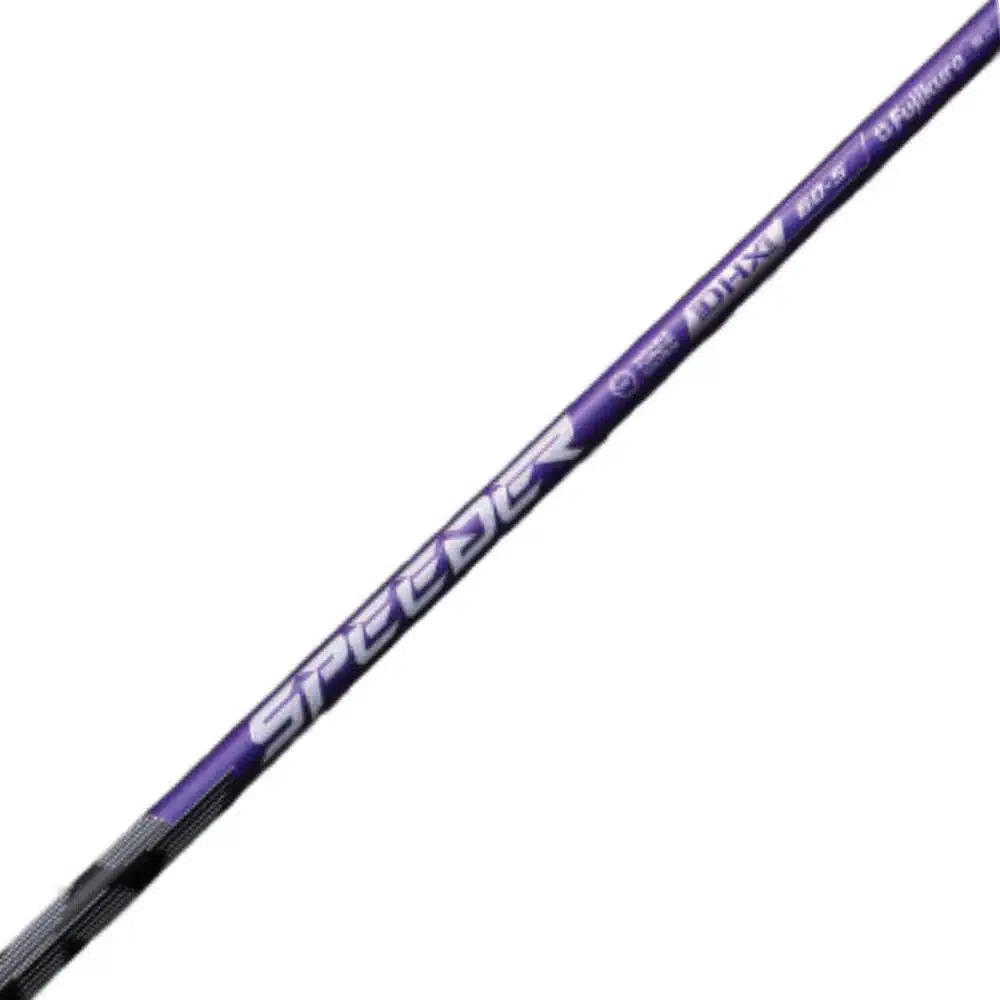
Fujikura’s Speeder NX family approaches the same problem from a more traditional direction. The design goal across the line is stability without harshness, meaning the shaft resists twisting through impact while still giving you a clear sense of load and release. The Speeder NX Blue wood shaft is the mid launch member of the family, and it is one of the most frequently recommended shafts in our shop for this speed range because it pairs a smooth feel with a tip section that keeps the face under control.
The NX Violet extends the family toward players who want an even smoother sensation with a launch that stays playable rather than ballooning. Between Blue and Violet, most golfers in the 85 to 95 mph window can find a genuine match, and the differences between the two are exactly the kind of thing that shows up within a handful of swings when you hit them back to back. Because the family is offered in lighter and heavier weight classes, it covers both ends of this speed range without forcing anyone into a compromise build.
The most common mistake is copying a faster friend’s shaft. Golf is social, and when a buddy who swings well over 100 mph starts bombing it with a heavy, low launching, extra stiff build, the temptation to order the same thing is real. At 90 mph that same shaft launches too low, robs you of the spin needed to hold the ball in the air, and feels like swinging a fence post. His shaft was never the problem for you. The mismatch was.
The second mistake runs in the opposite direction, chasing lightness past the point of control. When a player drops too far down in weight, the transition gets quick, the clubhead becomes hard to locate, and contact scatters toward the heel and toe. The radar might show a faster swing while the ball speed actually drops, because strike quality matters more than raw speed. Patrick sees this exact trade off constantly during fittings, and the answer is almost always a specific weight window for your swing rather than a single universal number.
Manufacturer profile descriptions, like those on Fujikura’s official site, are useful for confirming where a given model sits before you test it.
Either one can be correct, and tempo is usually the tiebreaker. A golfer with a smooth, unhurried transition often performs better with regular flex because the shaft loads fully and releases on time. A golfer with a short, aggressive transition frequently needs stiff to keep the face stable, even at the same measured speed. The honest answer comes from hitting both on a launch monitor rather than reading the label.
No. A lighter shaft adds distance only while you can still control it. Once the weight drops below what your hands can track, strike quality falls apart, and mishits lose more ball speed than the lighter build gains. The goal is the lightest shaft you can swing without losing the center of the face, which is a personal number, not a chart lookup.
You can, and sometimes it genuinely fits. Stock shafts are chosen to be acceptable for a wide audience, though, not ideal for you. If you have never compared your stock shaft against a properly fit alternative, you do not actually know what it is costing you. A short session comparing two or three profiles answers the question with data instead of guesswork.
They share the family’s stable core design, and the difference lives in feel and launch character. The Blue sits in the mid launch slot with a balanced feel, while the Violet leans smoother and is friendlier to players who want help keeping the ball in the air. Most golfers can feel the distinction within a few swings, which is exactly why we suggest hitting both.
If you swing between 85 and 95 mph and your driver has never been fit to you, that is the single biggest opportunity left in your bag. Come hit the Newton Motion and the Speeder NX Blue side by side on the launch monitor, or reach out through either product page with questions about weights and profiles. We will steer you to the shaft that fits your swing, not the one with the loudest reputation.
Also Read: Choosing the Ideal Flex for Your Golf Shafts
Written by Patrick Greene|Golf shaft specialist with 15+ years in

Written by Patrick Greene|Golf shaft specialist with 15+ years in

Free golf guide · 26 pages
How to Teach Your Wife Golf (And Live to Talk About It)
A funny, practical guide to better golf and fewer arguments: setup, swing, short game, putting and what not to say on the course.
Get the free guide