
How Custom Golf Shafts Enhance Distance and Accuracy
Written by Patrick Greene|Golf shaft specialist with 15+ years in

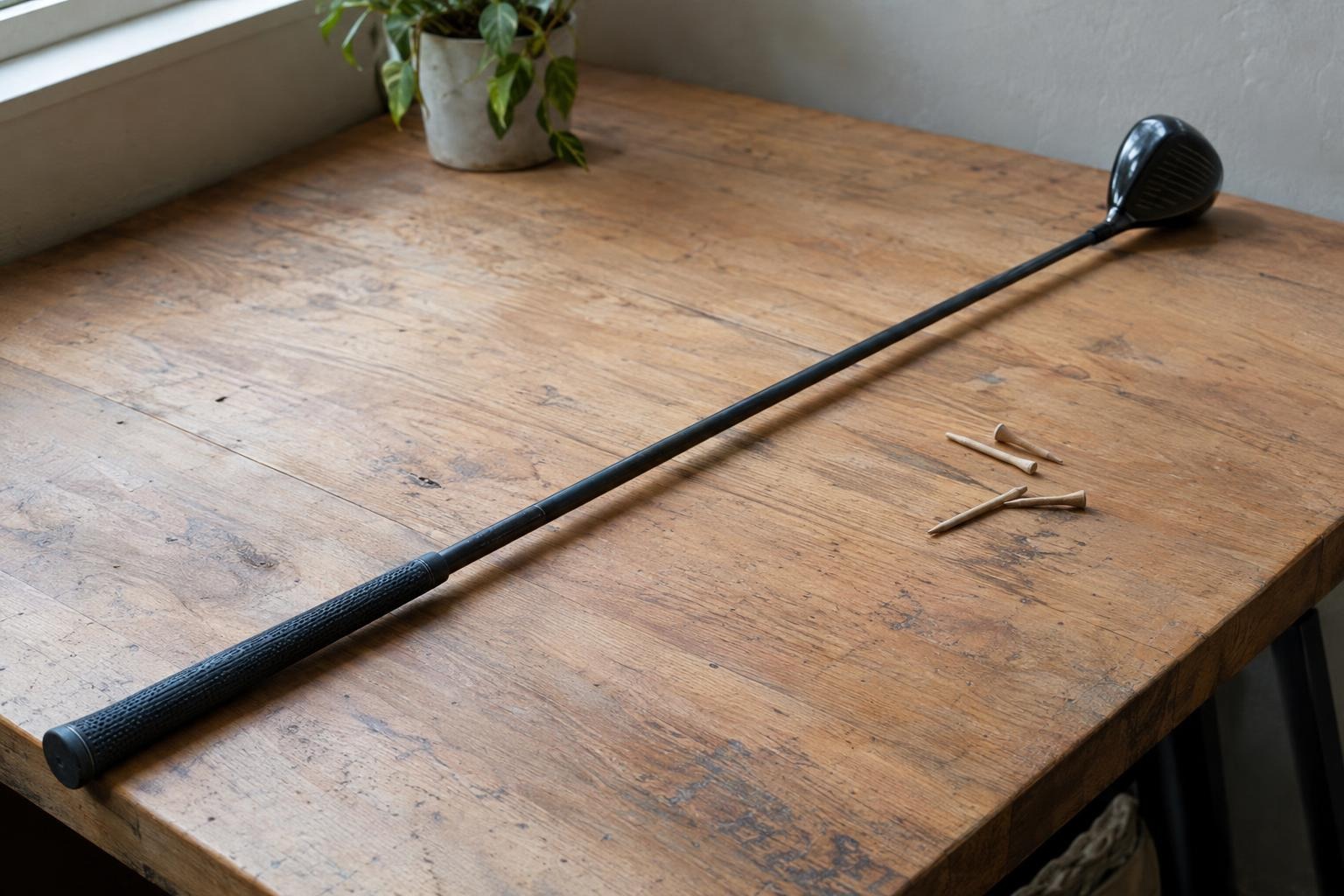
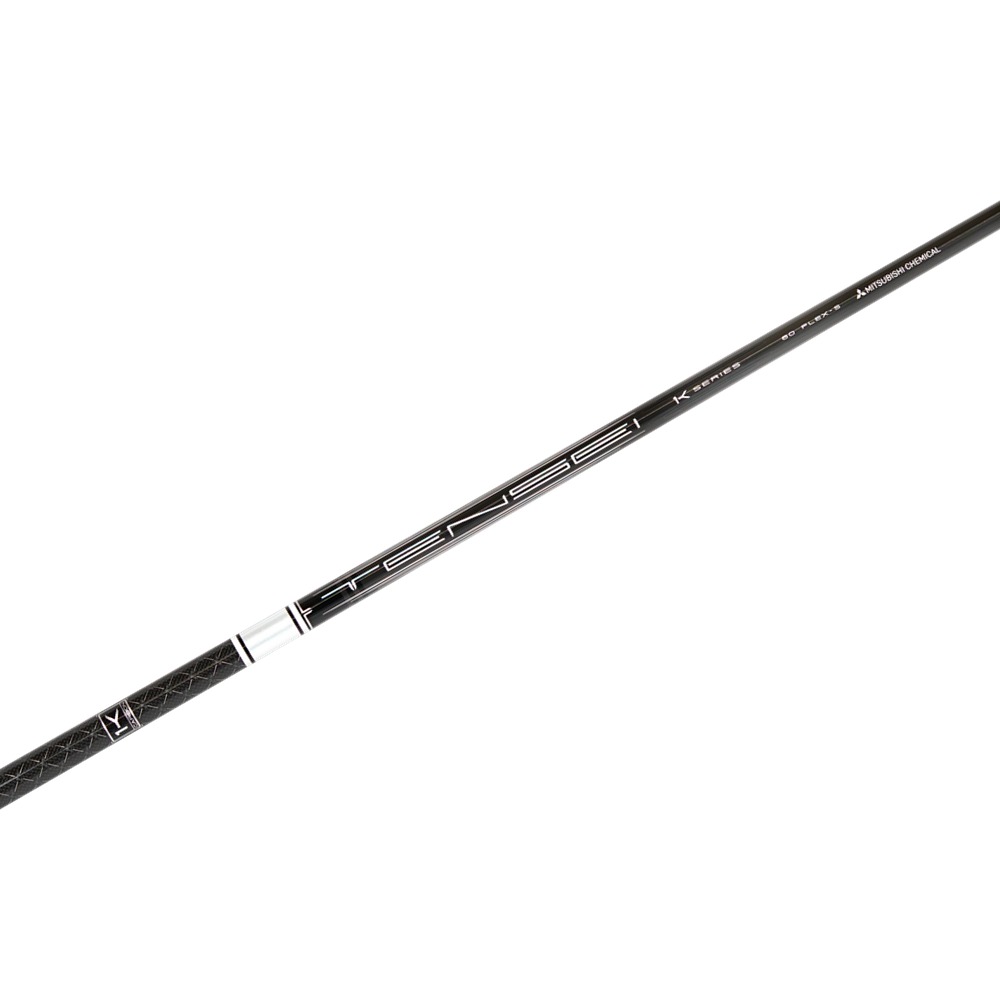
The TENSEI 1K Pro White is often described as a shaft for faster swings, and that description only tells part of the story. It is a low-launch, low-spin design, which is exactly what some golfers need and exactly what others should avoid. If you are looking at this shaft, the useful question is not whether it is good. It is whether the way you deliver the club matches what it was built to do.
Patrick tip-trims and fits every shaft to order at Bogey Buster. This is the walk-through we give customers before they order: what the shaft is, who tends to fit it, who probably does not, and what to compare it against.
Our Mitsubishi TENSEI 1K Pro White wood shaft is the lowest-launching, most stable profile in Mitsubishi’s 1K family. It sits in the tour-level “Pro” tier, and the maker positions it for strong, high-speed players who want to bring spin and ball flight down without losing feel.
In plain terms, the designers were chasing two things at once: a stable, controlled shaft for aggressive swings and a feel that does not turn boardy or lifeless. Whether that balance works for you depends on your tempo and on the launch numbers you start with.
The maker describes four pieces of technology in this shaft. Here is what each one is meant to do.
None of that guarantees a result. It tells you the design intent, and design intent is a reasonable place to start a conversation about fit.
The White makes the most sense for a golfer who checks several of these boxes.
If that sounds like you, the White is worth testing. A shaft this specific should be confirmed with real swings and real numbers, not chosen from a description, ours included.
A low-launch, low-spin shaft can work against you in a few situations.
If you are not sure which group you belong to, our shaft selector is a quick first pass, and a fitting conversation is better still.
The product page lists this shaft in 50, 60, 70 and 80 gram weights, in R, S, X and TX flexes. That is a wide range, and the weight you choose matters as much as the flex.
Lighter options can help a golfer who wants to swing a little faster and does not need the heaviest feel. Heavier options tend to suit players who want to feel the head and who already control tempo well. We go through the trade-offs in more detail in our post on driver shaft weight, but the short version is to avoid picking the heaviest shaft just because you swing hard.
On flex, the letter is a starting point rather than a measurement. Different makers, and even different models from the same maker, do not use the letters the same way. That is another reason to compare shafts on the course or monitor rather than by label.
The Pro family comes in several profiles, and the colors are not interchangeable. Here is how our product pages describe the TENSEI 1K Pro Blue and the TENSEI 1K Pro Orange next to the White.
If you are trying to choose between the White and the Blue, the question is usually how much launch and spin you can afford to lose. Golfers who already sit in a healthy launch window often do better in a mid-launch option. Our post on mid launch versus low launch driver shafts lays out how to think about that decision.
The White rewards a golfer who can load the shaft. That is a tempo question as much as a speed question. Two players can both swing the driver at the same speed, and one of them will make a stable shaft feel great while the other finds it harsh.
A quick, forceful transition at the top bends the shaft harder and often benefits from a stable tip. A patient, rhythmic transition asks less of the shaft and often wants something a bit more active. We explain the difference in our guide to smooth tempo versus aggressive transition. If you are on the smoother side, be honest about it when you shop for a low-launch shaft.
You may have seen our comparison of the 2026 TENSEI 1K Blue versus White. That comparison covers the 2026 TENSEI 1K line, which is separate from the Pro shafts discussed here. The colors share names, so it is easy to mix them up, which is another reason we confirm exactly which model you mean before building.
Every shaft is built to order. You choose the club type, adapter, playing length and grip, and Patrick tip-trims and builds it to that spec. Plan on up to 10 to 12 business days for a custom build. If you want to talk through options first, our custom shafts page explains the process, and the maker has its own page for the shaft as well: Mitsubishi’s TENSEI 1K Pro White page.
Custom fitting by appointment is available locally in Cape Coral, Fort Myers, North Fort Myers, Estero, Bonita Springs, and Naples. The online store ships nationwide, so you can also work with us by phone from anywhere.
No. The maker places it in a tour-level tier, but what matters is how you swing. Plenty of golfers with high speed and an aggressive transition can use it, and some tour-style swings do better in a mid-launch shaft. Fit by tempo and numbers, not by label.
It is designed as a low-spin profile, but results vary with your delivery, your head, and your loft. We recommend checking spin and launch on a monitor before deciding, and we never promise a specific change.
The page lists 50, 60, 70 and 80 gram options. Start from the weight you play now, and consider how it feels at the top of your swing. Heavier is not automatically better for a fast swinger.
Every shaft is built to your exact spec, with your adapter and grip, tip-trimmed and fit by Patrick. Tell us what club it is going into and what you play now, and we will confirm the build details before we start.
Not sure whether the White is right for your swing? Browse our FAQs, then call us at 1-800-380-7901 or contact us to book a fitting conversation. Patrick will help you compare it with the other Pro colors before you order.
Also Read: What to Expect from a Motore Shaft Update This Season
Written by Patrick Greene|Golf shaft specialist with 15+ years in

Written by Patrick Greene|Golf shaft specialist with 15+ years in

Free golf guide · 26 pages
How to Teach Your Wife Golf (And Live to Talk About It)
A funny, practical guide to better golf and fewer arguments: setup, swing, short game, putting and what not to say on the course.
Get the free guide