
How Custom Golf Shafts Enhance Distance and Accuracy
Written by Patrick Greene|Golf shaft specialist with 15+ years in

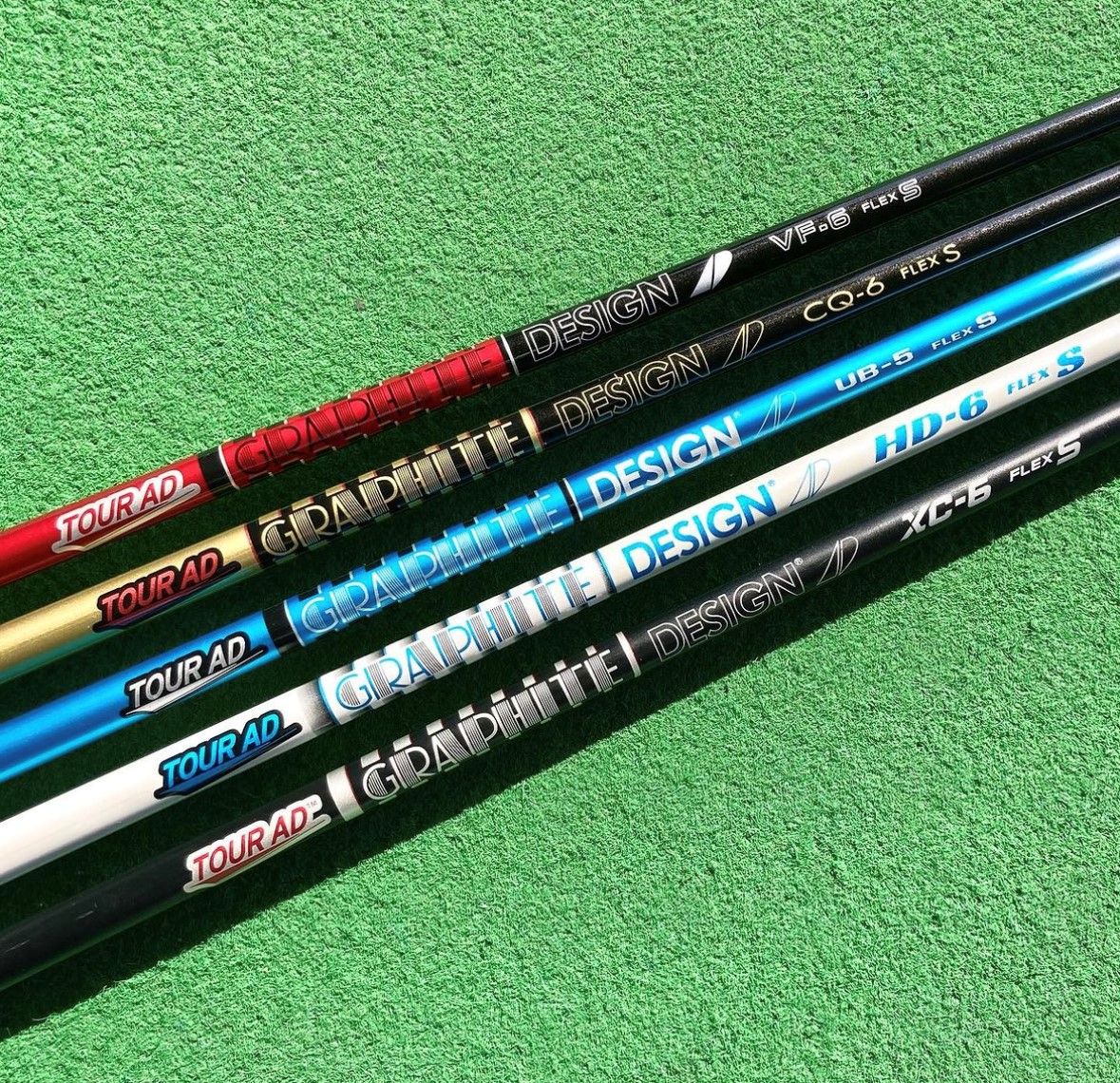
A golfer’s transition can matter as much as clubhead speed when choosing a shaft. Smooth-tempo and aggressive-transition players load the club differently, which can affect feel and how the head is delivered at impact.
Transition style is one fitting input, not a complete prescription. Patrick Greene also considers strike, current ball flight, typical miss, shaft weight, flex, head, loft, and playing length before suggesting what to test.

A smooth transition builds force more gradually from the top. Some golfers with that move prefer a shaft they can feel load, while others still perform well with a firmer profile. The useful question is whether the candidate supports a repeatable strike and flight without requiring extra effort.
An aggressive transition applies force earlier and more quickly. Some golfers prefer greater stability under that load, but the answer is not automatically a heavier or stiffer shaft. The head, weight, flex, length, and player’s delivery all shape the result.
If the club feels difficult to load and the flight stays low or weak, test whether another weight or profile improves the pattern. If the club feels loose and the miss grows when effort increases, test a more stable option under the same head and build conditions.
These observations identify candidates, not causes. Face angle, path, strike location, loft, and timing can create similar ball flights. A controlled comparison shows whether the shaft change produces a repeatable improvement.
Do not assign every smooth swing to a soft shaft or every quick transition to an extra-stiff model. Tempo and speed are related but not identical, and golfers with similar-looking transitions can prefer different weights and feels.
Do not use labels such as “smooth” or “aggressive” without describing what happens to the ball. Pair the transition description with launch, spin, strike, dispersion, and the typical miss so the fitting has an outcome to evaluate.
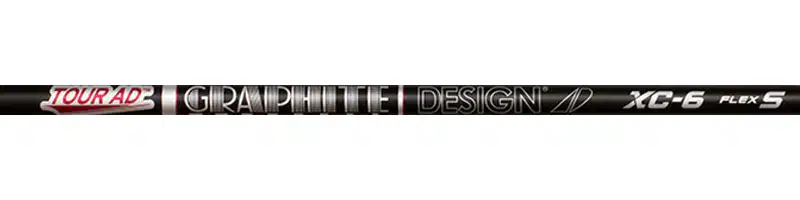
Share your current head, loft, shaft, weight, flex, length, and grip, along with the flight and miss you see most often. Describe whether the change of direction feels gradual or forceful and what happens when you add speed.
If you have launch-monitor data, include averages and dispersion instead of one best swing. Strike-location notes or face tape can also show whether a profile changes how consistently you find the center of the face.
Describe the transition and the flight together. Note the feel of the current shaft, the typical miss, and whether the pattern changes with effort.
Compare candidates in the same head and under similar conditions. Review strike, launch, spin, carry, dispersion, and effort over enough swings to see a pattern.
Then confirm the full build. A smoother transition may prefer a profile that loads more freely, while an aggressive move may prefer greater stability, but weight, flex, head choice, and measured ball flight still determine the final fit.
The transition is the change of direction from backswing to downswing. It affects how quickly force reaches the shaft and can influence the loading sensation a golfer prefers. That makes it useful fitting context, but it does not override strike, flight, speed, or the rest of the build.
Two golfers with similar speed may load the club differently, yet they do not automatically need opposite profiles. One may respond more to weight, another to handle stiffness, and another to playing length. A controlled test identifies which variable matters for the individual golfer.
A golfer with a smoother move may enjoy a shaft that offers a clearer loading feel, but the profile still has to control the typical miss. A golfer with an aggressive move may prefer more stability, but going too heavy or stiff can reduce launch, carry, or center contact.
Use those preferences to select candidates rather than to prescribe the final shaft. A complete fitting compares the player’s normal effort, harder swings, and typical miss across more than one plausible build.
Notice whether the current shaft feels difficult to load, overly active, too light, or too heavy, and pair that feeling with the shot pattern. Then record what changes when effort increases. Those observations provide a reason to test a different weight or profile.
Smooth-tempo and aggressive-transition golfers can prefer different profiles. A smoother transition may suit a shaft that loads more freely, while an aggressive move may prefer greater stability. Weight, flex, head choice, and measured ball flight still determine the final fit.
Recheck the test after the golfer has made enough swings to become familiar with each option. The first few shots may reflect novelty rather than fit, while too many swings can introduce fatigue. A short, repeatable comparison with a clear target provides better evidence than a long session built around chasing maximum speed.
Do not ignore the golfer’s ability to return to normal tempo. If a candidate only works when the swing is deliberately slowed down or forced harder, it may not support the on-course motion. The better result should appear during representative swings and leave a typical miss the golfer can manage.
Use the shaft selector and shaft catalog to identify profiles worth testing. The PGA fitting overview provides broader context, and Patrick can review the transition, flight, and complete build through the contact page.
Transition can also change during a round. A golfer may become quicker under pressure or smoother when trying to find the fairway, so the selected build should remain playable across the range of normal efforts. Test more than one speed without turning the session into an all-out swing contest.
If two profiles produce similar numbers, compare which one preserves timing and strike when the transition changes slightly. The better fit is not necessarily the stiffest or most active option; it is the build that remains predictable when the golfer makes ordinary on-course swings.
Document the complete winning build and the test conditions. Transition language is subjective, so the written head, loft, shaft weight, flex, length, grip, and measured pattern are what make the recommendation useful later.
Keep that record with the order so a future adjustment can begin from measured evidence instead of another broad label about tempo.
Smooth-tempo and aggressive-transition golfers can prefer different profiles. A smoother transition may suit a shaft that loads more freely, while an aggressive move may prefer greater stability. Weight, flex, head choice, and measured ball flight still determine the final fit.
Start with swing speed, but do not stop there. Tempo, transition, strike quality, and the head you play can change the right answer.
Yes. Share your current setup and ball flight through the contact form. Patrick can help narrow the options before you buy.
If you are matching a shaft to a smooth tempo or aggressive transition, Bogey Buster Golf Shafts can help you avoid a guess. Call 1-800-380-7901 or ask Patrick for fitting help before ordering your next custom shaft.
Also Read: Steps to Ensure Your Shaft's Longevity
Written by Patrick Greene|Golf shaft specialist with 15+ years in

Written by Patrick Greene|Golf shaft specialist with 15+ years in

Free golf guide · 26 pages
How to Teach Your Wife Golf (And Live to Talk About It)
A funny, practical guide to better golf and fewer arguments: setup, swing, short game, putting and what not to say on the course.
Get the free guide