
How Custom Golf Shafts Enhance Distance and Accuracy
Written by Patrick Greene|Golf shaft specialist with 15+ years in

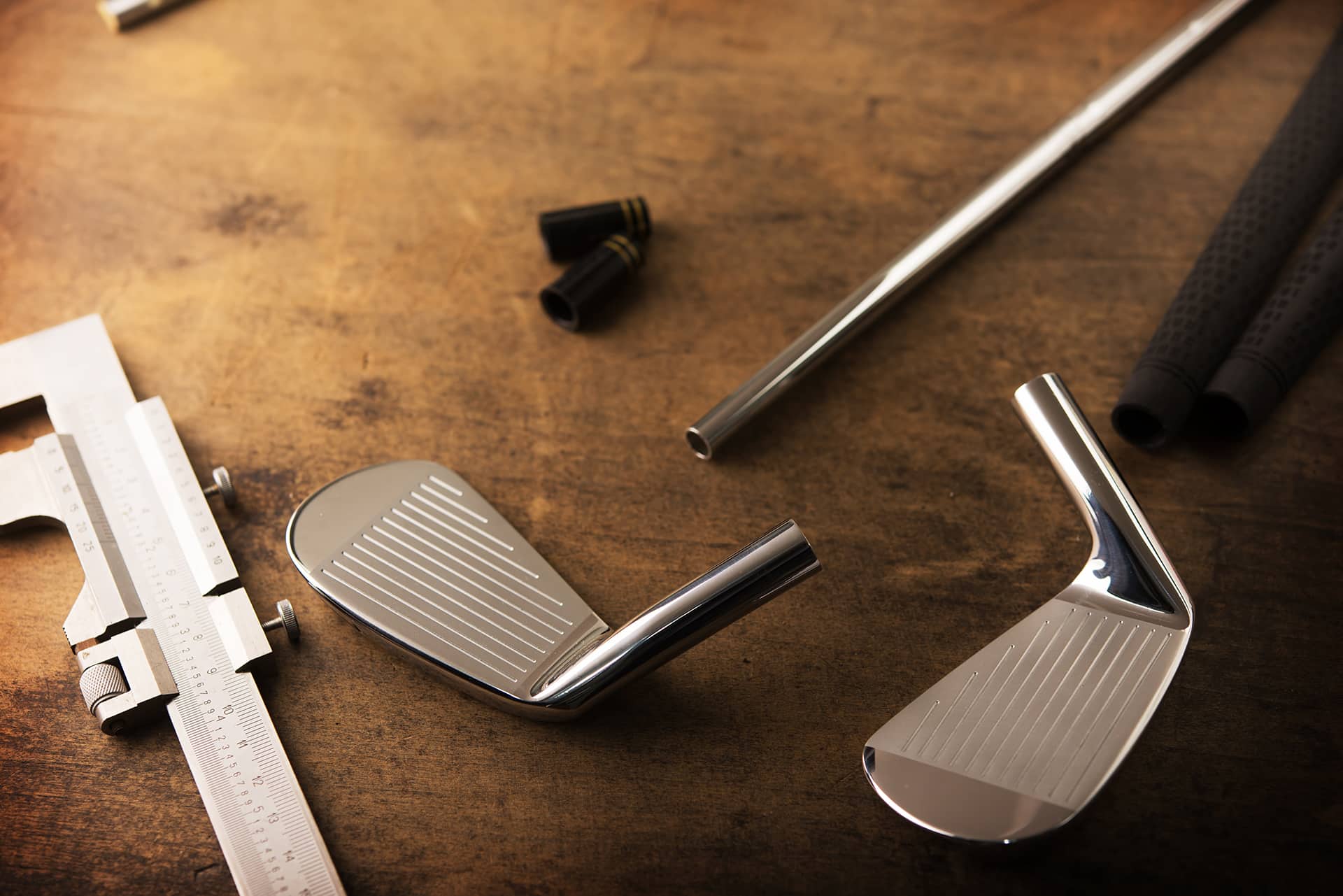
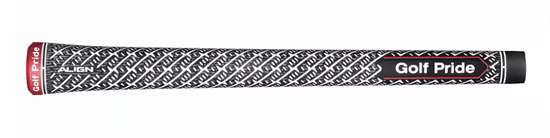
Golf shaft butt diameter is one of the quiet specifications that can change how a finished club feels in your hands. Two grips with the same name and advertised size can install differently when the shaft diameter underneath them is different. Add grip-core size, tape thickness, stretch during installation, and taper shape, and a simple “standard grip” order can produce a result you did not expect.
This does not mean every golfer needs a micrometer and a spreadsheet. It means the builder needs the right information before cutting and gripping the shaft. Understanding the pieces helps you describe the feel you want and prevents common assumptions about .580, .600, midsize, and extra tape.
Butt diameter is the outside diameter of the shaft near the grip end, usually listed in inches. Wood-shaft specifications often fall around .600 inches, but the exact number can vary by model and flex. For example, the current Tour AD EK specification table lists butt outside diameters from roughly .602 to .612 inches across its models.
That number is not the same as the grip’s outside diameter after installation. It describes the foundation. The grip stretches over that foundation, and its core size and wall construction determine how large the finished handle becomes.
A grip marked .600 is designed around a nominal .600-inch shaft butt. A .580-core grip installed on a .600 shaft generally stretches more and finishes larger than it would on a .580 shaft. A .600-core grip on a .600 shaft is the more neutral pairing. Those are useful conventions, not perfect guarantees, because grip wall thickness and manufacturing tolerances differ.
This is why ordering by label alone can disappoint. “Standard” describes a category, not one universal measured circumference. If you have a grip that feels perfect, tell the builder the exact model, core marking, tape setup, and where you like the lower hand to finish. Better yet, provide a club to match.
The USGA Equipment Standards provide the formal framework for conforming grip shape and dimensions. Inside those limits, player comfort and repeatable delivery still depend on combining the actual shaft diameter, grip core, tape plan, and finished measurement rather than relying on a size label alone. These variables should be recorded on the build sheet before assembly.
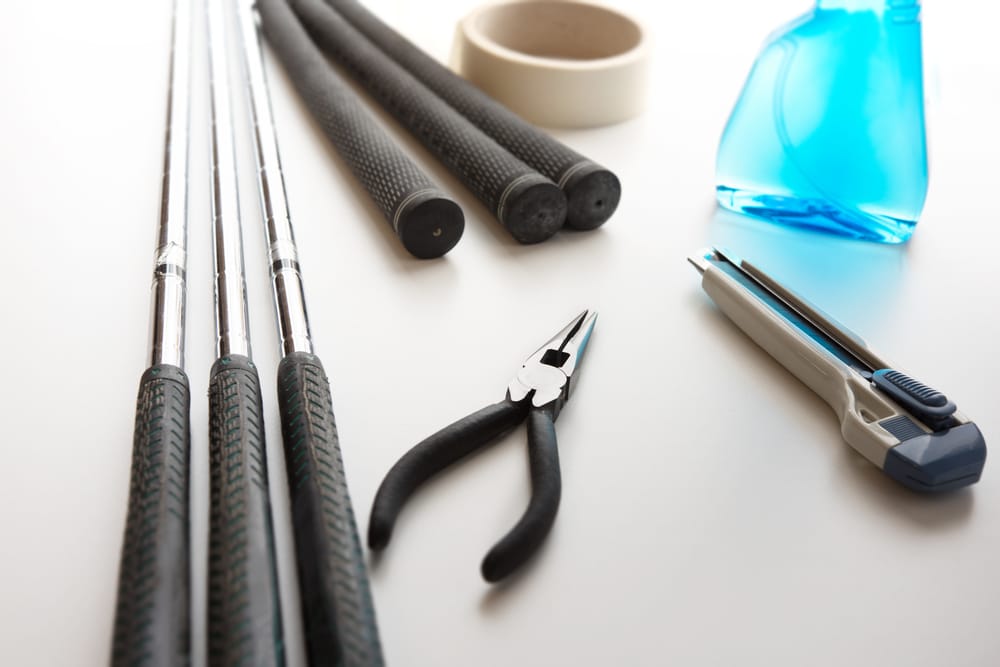
Grip tape secures the grip, and extra build-up layers increase installed diameter. Builders can add wraps under the full grip or use a tapered pattern to reduce the difference between the upper and lower hand. The result depends on the tape used and how the grip stretches, so “two wraps” is not a universal measurement across every shop.
If you are sensitive to grip size, ask for a measured result or a match to an existing club instead of assuming a wrap count will transfer perfectly.
Butt trimming sets finished length, but the effect on installed grip size depends on the shaft’s geometry. Many shafts have a long, nearly parallel butt section, so a normal driver-length trim may not change the gripping area much. Other profiles taper enough that cutting farther down the shaft changes the diameter where the grip sits. The other end of the shaft matters as well, and our guide to parallel and taper tip diameters explains how tip size affects which heads a shaft fits.
The safe workflow is simple: cut the shaft to the approved build length, dry-measure the actual gripping section, then choose the grip core and tape plan. Do not calculate the finished grip from an uncut catalog number when the builder can measure the exact shaft in hand.
A larger or heavier grip can lower the swing-weight scale reading because more mass sits behind the fulcrum. That does not remove weight from the clubhead, and it does not automatically make the club easier to swing. It changes the balance you feel and the number the scale reports.
This is another reason to specify grip choice before the club is built. If the builder targets swing weight with one grip and you replace it with a much heavier model, the measured balance changes. Total weight, balance point, shaft weight, head weight, playing length, and grip weight should be considered together.
A grip that is too large for your preference can make it harder to sense the handle and may encourage you to squeeze. A grip that is too small can also invite excess hand pressure or feel unstable. Neither symptom proves a size problem by itself, because texture, firmness, moisture, glove size, and swing mechanics also affect comfort.
Use repeated contact as the better clue. Are pressure points developing in the same place? Do you feel as though the club turns in your hands? Does one favorite club feel noticeably more secure than the rest? Measuring that club’s installed grip at several points gives the builder a practical target.
Our custom shaft builds are assembled around the finished club, not just a shaft SKU. Treat golf shaft butt diameter as one part of that complete specification. If you are still narrowing the profile first, the shaft selector is a useful starting point before grip and build details are finalized.
No. That is the neutral convention, but a different core may be chosen intentionally to change installed size. The builder should account for the shaft OD, grip core, and tape together.
No. Tape thickness, grip construction, shaft diameter, and installation stretch all affect the result. Wrap count is most reliable when the materials and method are the same.
You can measure the grip’s outside diameter, which is often the most useful match target. To measure the bare shaft itself, the grip must be removed or the builder must use the model specification and exposed section before installation.
Grip fit can influence comfort, pressure, and how freely your hands move, but it is not a guaranteed ball-flight adjustment. Treat it as a fit and consistency variable, then confirm performance by hitting shots.
Before ordering a custom build, send Patrick the shaft model, finished length, exact grip, preferred tape setup, and a reference-club measurement if you have one. That turns golf shaft butt diameter from a surprise into a controlled build specification. Our list of questions to ask Patrick before ordering a custom shaft covers the rest of the build. Call 1-800-380-7901 to discuss the build.
Also Read: Choosing the Right Iron Shaft for Your Playing Style in 2026
Written by Patrick Greene|Golf shaft specialist with 15+ years in

Written by Patrick Greene|Golf shaft specialist with 15+ years in

Free golf guide · 26 pages
How to Teach Your Wife Golf (And Live to Talk About It)
A funny, practical guide to better golf and fewer arguments: setup, swing, short game, putting and what not to say on the course.
Get the free guide