
How Custom Golf Shafts Enhance Distance and Accuracy
Written by Patrick Greene|Golf shaft specialist with 15+ years in

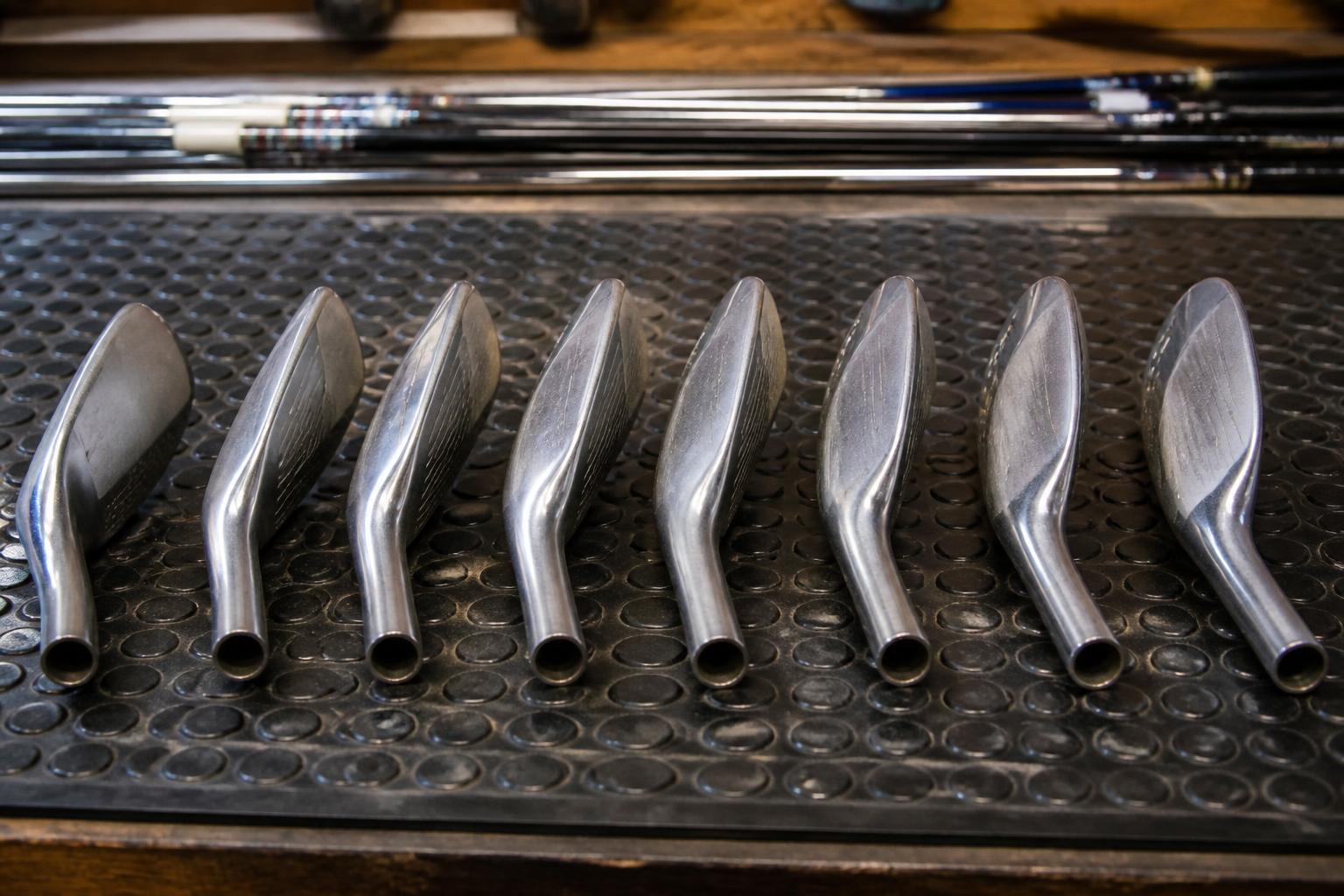
Every shaft conversation eventually arrives at a question that has nothing to do with launch, spin, or feel: will this shaft physically fit the head you want to play? The answer lives in the tip section, the last few inches of the shaft that get epoxied into the hosel. Two measurements decide the outcome, the diameter of that tip and whether the tip is parallel or tapered, and both are printed in most manufacturer spec tables for a reason.
We see the confusion constantly. A golfer finds a great deal on a pulled shaft, ships it to a builder, and learns it was made for a different hosel standard than the heads in the bag. This guide walks through what the numbers mean, how parallel and taper designs behave differently during a build, and what to confirm before you order so the shaft that arrives is the shaft that actually works.
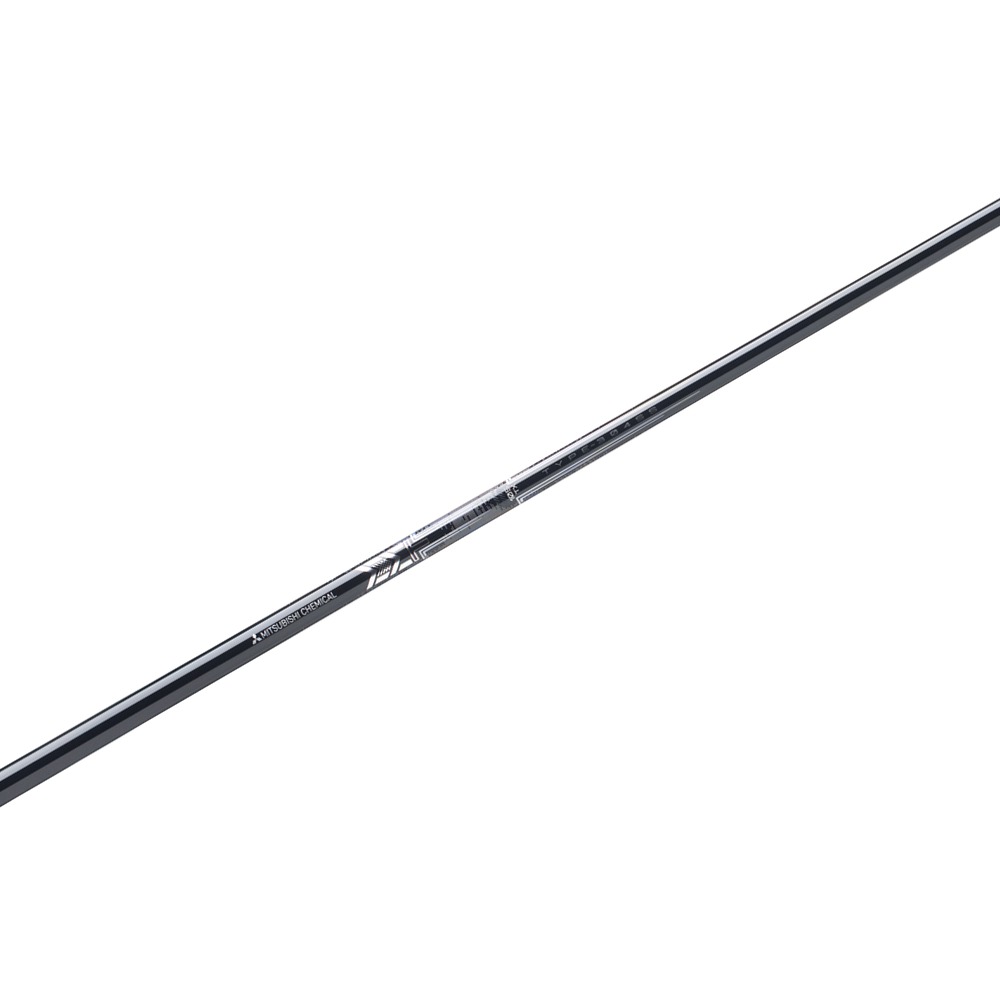
The golf shaft tip diameter is simply the outside diameter of the shaft at the very end that enters the clubhead, measured in inches. Modern woods and hybrids are built around a handful of common sizes, while irons and wedges use their own conventions. The hosel bore of the head is machined to accept a specific size, so the two have to agree before epoxy ever gets mixed.
The most familiar convention for drivers and fairway woods is a 0.335-inch tip, while many hybrids use 0.370. Irons commonly use either a 0.355 taper tip or a 0.370 parallel tip. Those are conventions, not guarantees, which is why the spec table for the exact model you are buying always beats a rule of thumb. When a listing leaves the tip section out, ask before you buy.
A tip that is too large for the bore will not seat. A tip that is too small can technically be shimmed, and experienced builders do this in specific situations, but it adds a variable most golfers do not need. The cleanest build starts with a shaft whose tip matches the head’s bore as designed. If a combination requires creative work at the hosel, that is a conversation to have with the builder up front, not a surprise to discover after shipping.
A parallel-tip shaft holds the same diameter for a long stretch of its tip section. A taper-tip shaft narrows gradually toward the end. The distinction sounds academic until you understand what it means for how a set gets built.
Parallel-tip iron shafts are usually made in one universal length, and the builder tip-trims each one a prescribed amount to create the right flex feel for each club in the set. One shaft model covers the 4-iron through the wedges, with trimming doing the differentiation. Taper-tip iron shafts are typically made in discrete lengths, one for each club, with the flex progression engineered in at the factory. The builder cuts only from the butt to set playing length.
Neither system is better. They are different manufacturing philosophies, and plenty of excellent iron shafts exist in both. What matters is that the shaft type, the hosel bore, and the build plan all agree.
With a parallel-tip set, the builder’s trimming decisions are part of the fitting. Following the manufacturer’s trim chart produces the intended progression, while deliberate variations can firm up or soften specific clubs. That flexibility is useful, but it means the person doing the work needs the full picture: your target flex, the heads, the final lengths, and any preference you have about how the long irons should feel relative to the short irons.
With a taper-tip set, the important decisions happen earlier, when you choose the model and flex. Because each shaft arrives matched to its club, the builder’s job is to confirm lengths, swing weight targets, and grip specs. Techniques like hard-stepping and soft-stepping exist in taper-tip building, but they should be deliberate fitting choices rather than improvisation.
This is exactly the kind of detail our custom shaft service is designed to catch. When Patrick builds a set, the tip style, bore, trim plan, and final specs are confirmed before anything is cut, because a shaft trimmed for the wrong plan cannot be untrimmed.
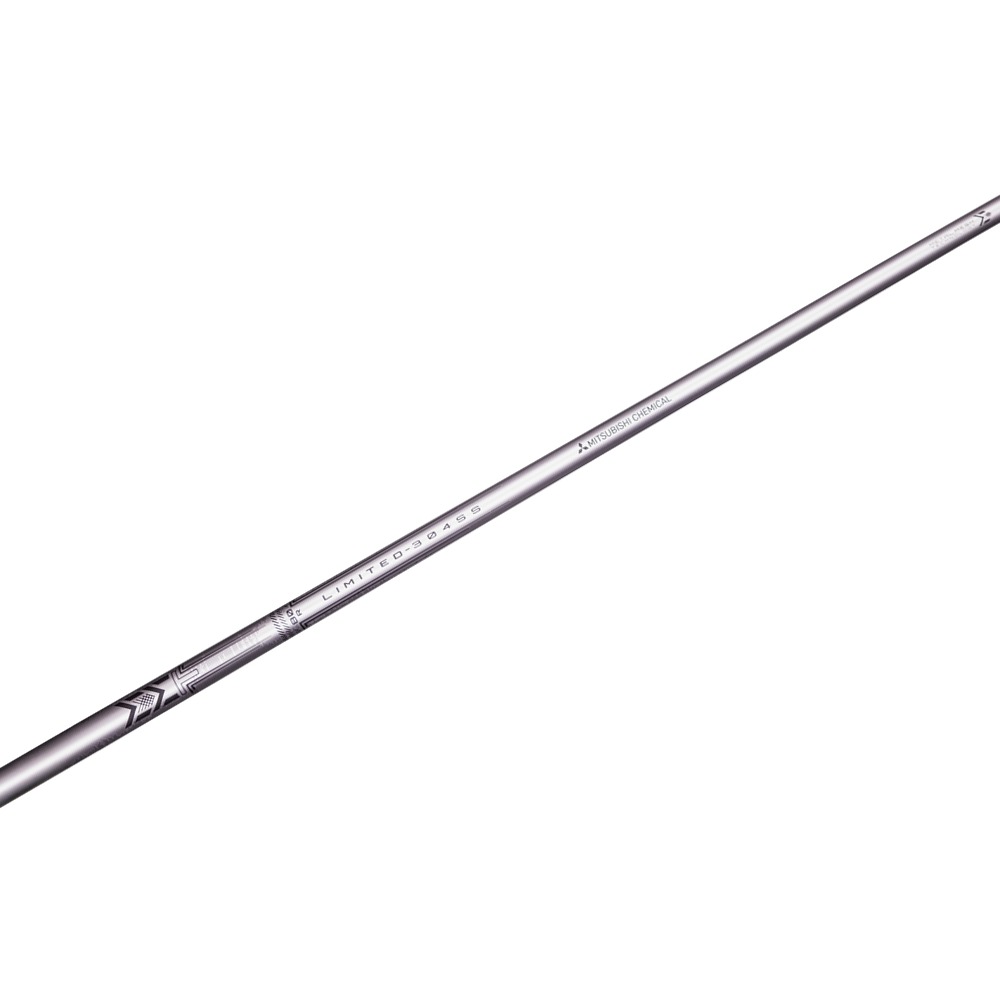
Before ordering any shaft, especially a pulled or pre-owned one, run through a short checklist. First, identify the bore standard of your heads; the manufacturer’s spec page or a quick measurement answers this. Second, confirm the shaft’s tip section from its published specifications, shaft makers such as Fujikura publish full dimension tables on their sites, rather than from the seller’s memory. Third, decide who is doing the installation and make sure they know both numbers before work begins.
Catalog pages help here. Iron shaft listings, such as the Fujikura Axiom iron shaft family on our shop, publish specification details for the configurations offered, and comparing that table against your heads takes two minutes. Those two minutes are considerably cheaper than a shaft that arrives unusable.
Adjustable drivers, fairways, and hybrids add one more layer: the shaft is epoxied into a brand-specific adapter, and the adapter clicks into the head. The tip still has to match the adapter’s bore, and the adapter has to match the head’s system. If you are moving a shaft between brands, the usual path is a new adapter installed on the shaft, which is routine work for a builder as long as the tip section is compatible and enough length remains.
Once you know what to look for, a manufacturer spec table stops being a wall of numbers. The columns that decide fit are the tip outside diameter, the length of the parallel tip section if one is listed, and the raw uncut length. The parallel-section figure matters because it tells the builder how much tip trimming the design allows before the trim starts eating into the tapered body of the shaft, which is territory the trim charts exist to protect. Raw length matters because a shaft that has already been cut, common with pulls, may no longer have the trim allowance the chart assumes.
Butt diameter sits at the other end of the same table and feeds the grip decision rather than the head decision, but it belongs in the same pre-purchase read. Two minutes with the full table answers the three questions every build starts with: will it fit the head, is there enough material to execute the trim plan, and what grip setup will the finished handle need? Sellers who cannot produce those numbers for a used shaft are asking you to gamble, and the whole point of understanding tip specs is that you never have to.
No. A larger tip will not fit a smaller bore. The reverse, a smaller tip in a larger bore, requires shimming, which some builders will do in specific cases but which is not the standard recommendation for a clean build.
Neither design is inherently better. Taper-tip sets carry a factory-defined flex progression, while parallel-tip sets rely on the builder’s trimming. Well-executed builds from either system perform excellently; poorly planned builds from either do not.
Check the head manufacturer’s specifications, ask the retailer, or have a builder measure an open hosel. Do not assume based on brand alone, because bore standards can vary across models and generations.
The tip section’s stiffness influences launch and stability, and different tip standards package that stiffness differently. But fit comes first: the diameter question determines whether the shaft can be built at all, and the profile question determines how it plays afterward.
If you are unsure which tip configuration your next build needs, do not guess. Start with the shaft selector to narrow the model, then let Patrick confirm the bore, tip, and trim plan against your actual heads before anything ships or gets cut. Call 1-800-380-7901 and we will sort out the details together.
Also Read: Is a Premium Golf Shaft Worth It? When the Upgrade Pays Off
Written by Patrick Greene|Golf shaft specialist with 15+ years in

Written by Patrick Greene|Golf shaft specialist with 15+ years in