
How Custom Golf Shafts Enhance Distance and Accuracy
Written by Patrick Greene|Golf shaft specialist with 15+ years in

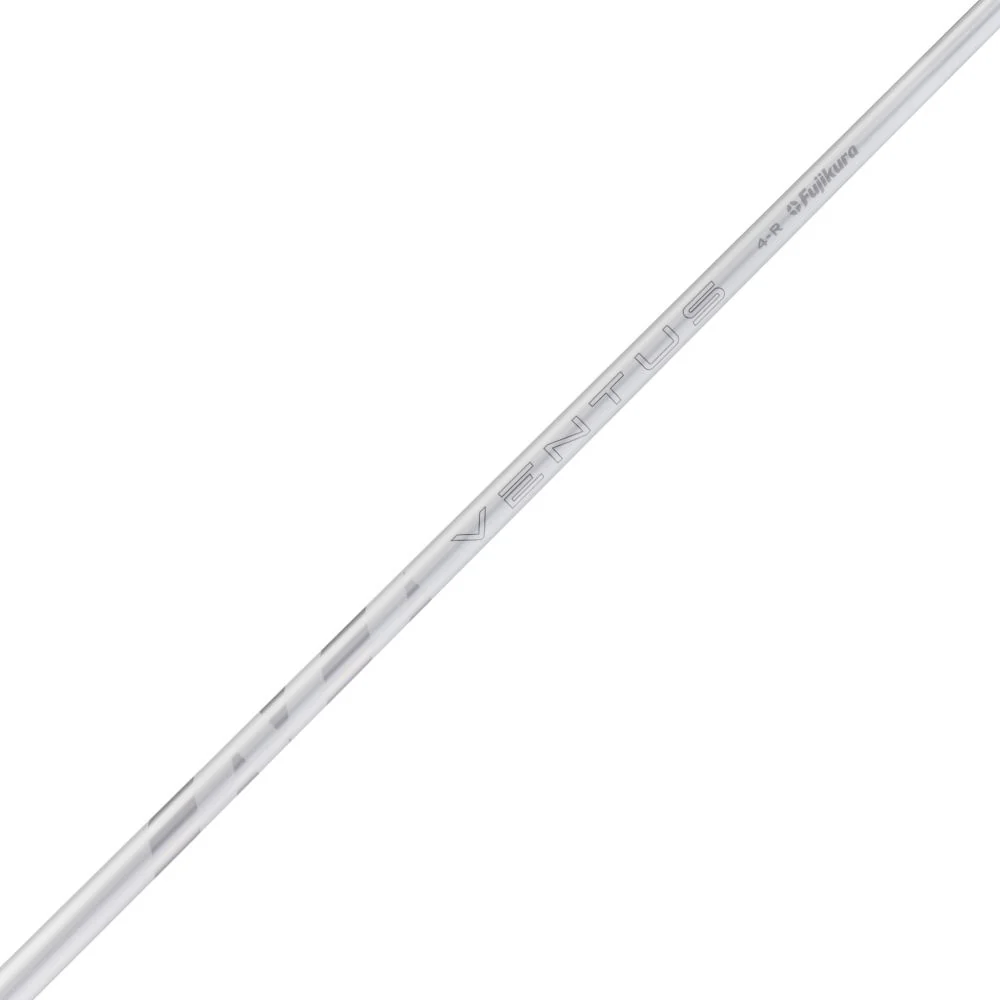
VENTUS White is a lightweight, higher-launch, higher-spin option, while VENTUS Black is a low-launch, low-spin profile built for stability and control. The better fit depends on your delivery and the flight you need rather than which color has the stronger reputation.
Fujikura’s current VeloCore+ lineup places these shafts at different ends of the range. White is offered as a lightweight configuration that helps increase launch and spin; Black uses a firmer, lower-flight profile for golfers who want a more penetrating trajectory.
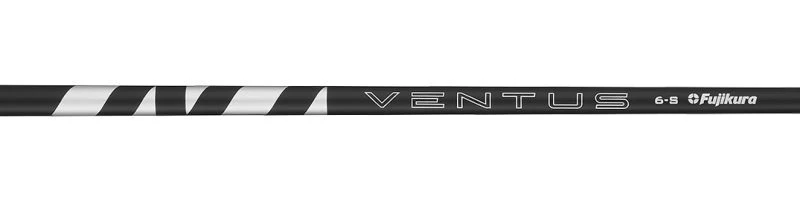
The first distinction is weight. VENTUS White is a 40-gram-class profile, which can appeal to a golfer looking for a lighter build or more speed without giving up the stability associated with the VENTUS family. Its softer handle and more active overall profile are designed to produce more launch and spin than Black.
VENTUS Black is available in heavier weight and stronger flex ranges, with an ultra-stiff tip and handle and a low-launch, low-spin specification. It is the more control-oriented choice, but that does not make it automatically better. A golfer still has to load the shaft and deliver enough launch for the complete build to work.
If the current flight is too low, the club feels difficult to load, or a lighter build is the goal, White is the relevant option to test. If the current flight launches and spins too much and the golfer prefers a firmer, more stable feel, Black may be the better starting point. If Blue is also on your shortlist, our Ventus Blue, Red, and Black color fit guide shows how the three profiles compare.
Those are fitting directions, not guarantees. Loft, strike, speed, transition, playing length, and the ball all affect the result. Compare the shafts under controlled conditions and judge the average flight, dispersion, strike, and effort rather than choosing from the color name alone.
Do not describe White as a softer version of Black or assume both are low-flight shafts. They were designed for different launch, spin, weight, and loading needs. Treating them as neighboring profiles hides the most important reason to choose between them.
Do not choose Black only because it has a tour-oriented reputation, and do not choose White only because it is lighter. The head, loft, shaft weight, flex, length, and grip have to work together, and the resulting flight still needs to suit the golfer.
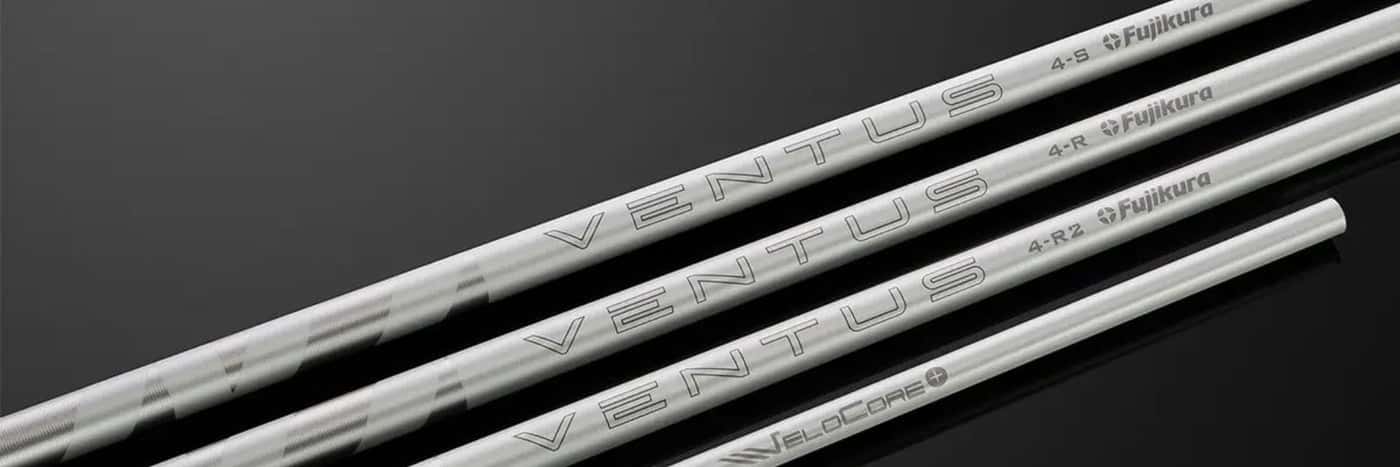
Fujikura’s VENTUS profile guide lists White as a lightweight, higher-launch and higher-spin configuration and Black as a low-launch, low-spin option focused on stability and control. That official distinction should anchor the comparison before feel preferences are considered.
Share your current head, loft, shaft, weight, flex, playing length, typical flight, and miss with Patrick. If you have launch-monitor data, include averages and dispersion. Those details help determine which profile deserves a controlled test and which is unlikely to fit the desired flight.
Choose the desired direction first: lighter with more launch and spin, or firmer with lower launch and spin. Then confirm that the candidate weight and flex are available for the build you want.
Test the same head and comparable loft, length, ball, and grip when possible. Compare strike location, carry, launch, spin, dispersion, and effort across several representative swings.
Before ordering, confirm the exact profile, weight, flex, adapter, playing length, and grip. A complete specification keeps the decision tied to the shaft you tested instead of a general expectation about White or Black.
White’s lighter weight, low bend point, and more active sections are designed to help create launch and spin. It gives the VENTUS lineup an option for golfers who want the family’s stability in a build that is easier to launch.
Black uses a high bend point with ultra-stiff tip and handle sections to reduce launch and spin. Its penetrating flight and firmer feel suit a different goal. The two shafts are alternatives only in the broad sense that both carry the VENTUS name.
The 40-gram-class White changes the overall build in a way that a heavier Black may not. Weight can affect tempo, effort, strike, and the sense of where the head is during the swing, so a comparison should record total club weight and playing length.
Bend profile changes where the shaft feels active. White’s softer handle and medium midsection feel different from Black’s ultra-stiff handle, stiff midsection, and ultra-stiff tip. Test those sensations alongside launch, spin, carry, and dispersion rather than judging feel by itself.
Head loft, adapter setting, playing length, grip, and swing weight can all influence the final flight and feel. A lighter White build may require careful head-weight planning, while a Black build still needs enough loft and speed to produce useful carry.
Confirm the whole configuration with Patrick before ordering. The accurate comparison is lightweight launch and spin from White versus low-flight stability and control from Black, followed by a fitting to see which complete build supports the golfer.
Compare the current VENTUS White product option with the VENTUS Black option, then review other weights through the shaft selector and Fujikura collection. Fujikura’s official site remains the source for current profile specifications.
When the test is close, prioritize the build that gives a useful average flight and repeatable strike without requiring the golfer to manipulate the swing. Patrick can use those results to confirm the adapter, length, grip, and head-feel details through the contact page.
White and Black also serve different availability ranges. White’s current 40-gram configuration includes lighter flex options, while Black extends through heavier weights and stronger flexes. The comparison should begin by confirming that the needed weight and flex exist before testing two shafts that are not intended for the same player profile.
Do not treat the official launch and spin labels as exact outcomes. They describe design direction within the lineup. The actual flight comes from the golfer, head, loft, strike, ball, and complete build, which is why a measured test remains the final step.
Record the final head, loft, length, weight, and grip beside the shaft choice. That makes the recommendation reproducible and avoids attributing a result to White or Black when another build variable changed at the same time.
Neither is universally better. White offers a lightweight build with more launch and spin, while Black targets a lower, more penetrating flight with greater stability. Choose from measured fit, not color alone.
Start with swing speed, but do not stop there. Tempo, transition, strike quality, and the head you play can change the right answer.
Yes. Share your current setup and ball flight through the contact form. Patrick can help narrow the options before you buy.
If you are choosing between Ventus White and Ventus Black, Bogey Buster Golf Shafts can help you avoid a guess. Call 1-800-380-7901 or ask Patrick for fitting help before ordering your next custom shaft.
Before choosing either profile, confirm the head, adapter, playing length, grip, and desired flight so the complete build matches the golfer.
Also Read: Keep Golf Shafts in Shape with Simple Tips
Written by Patrick Greene|Golf shaft specialist with 15+ years in

Written by Patrick Greene|Golf shaft specialist with 15+ years in

Free golf guide · 26 pages
How to Teach Your Wife Golf (And Live to Talk About It)
A funny, practical guide to better golf and fewer arguments: setup, swing, short game, putting and what not to say on the course.
Get the free guide