
How Custom Golf Shafts Enhance Distance and Accuracy
Written by Patrick Greene|Golf shaft specialist with 15+ years in

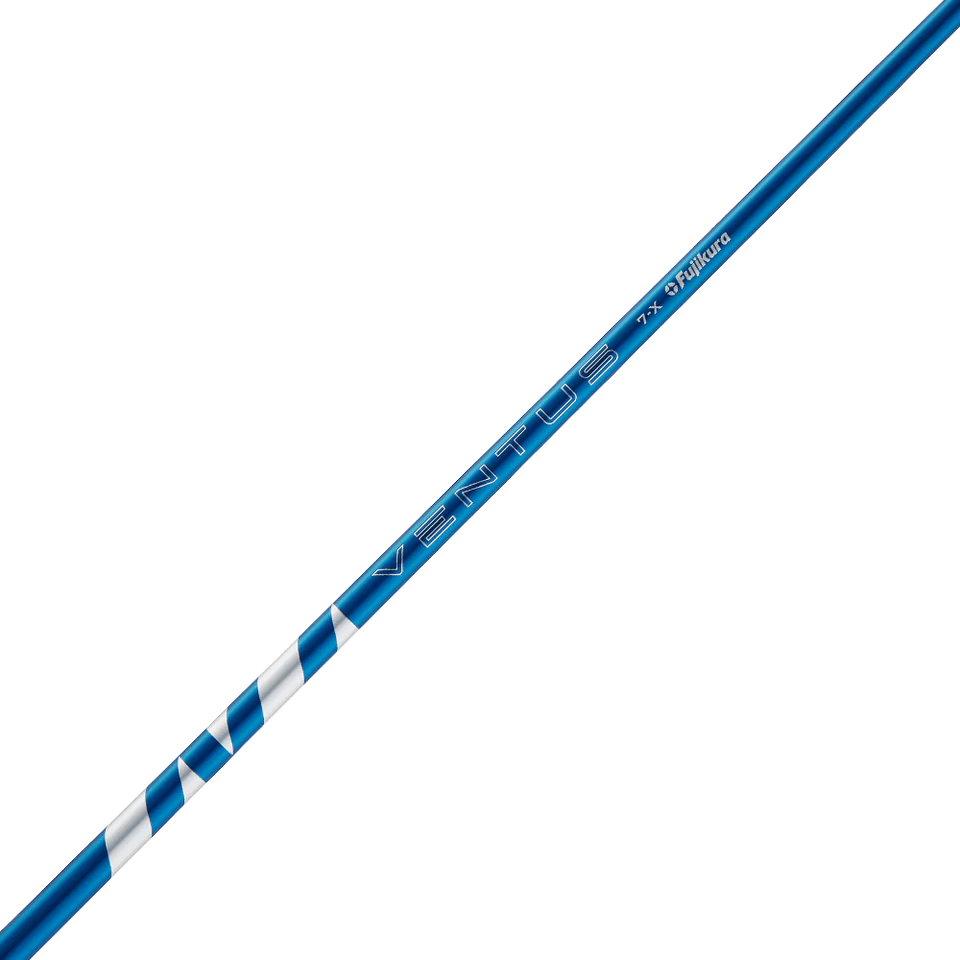
VENTUS Red, Blue, and Black cover distinct launch, spin, and loading windows within Fujikura’s VeloCore+ family. Red is the higher-launch option, Blue occupies the balanced middle, and Black is the lowest-launch, lowest-spin profile of the three.
That color map is only a starting point. The right shaft still depends on weight, flex, head, loft, playing length, strike pattern, and how the golfer loads the club. Patrick Greene can help connect the official profile to the complete build before you order.
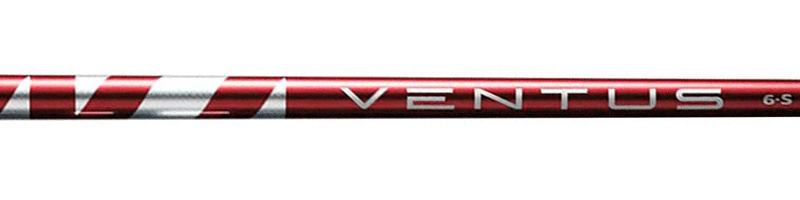
Fujikura positions VENTUS Red for golfers seeking a mid-high launch and spin profile. Blue is a mid-launch, low-spin profile intended to balance stability with a smoother feel. Black is the low-launch, low-spin choice with an ultra-stiff tip and handle.
Those differences matter because the same weight and flex label does not make the colors interchangeable. A golfer who needs help producing launch should not begin with Black simply because it sounds more stable, and a golfer fighting excessive launch and spin should not choose Red only because its feel is easier to load.
Use the current flight to choose a direction. A low, weak flight suggests testing a profile that offers more launch. A high flight with too much spin may justify testing a lower-flight option. Blue often becomes the middle comparison when neither end of the range matches the goal.
Then check how the shaft feels during the transition and through impact. Feel cannot replace measured results, but it affects confidence and timing. The best profile is one the golfer can load comfortably while producing a playable average flight and miss.
Do not treat color as a flex rating. Red, Blue, and Black each come in multiple weights and flexes, and those choices affect the build. A Red shaft in the wrong weight can be a worse fit than a properly selected Blue or Black.
Do not use clubhead speed as the only filter. Tempo, transition, strike, launch, spin, and the head all matter. Speed narrows the flex range, while the flight and loading pattern help determine the profile.
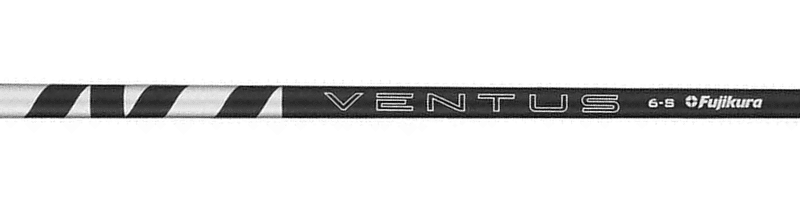
Share the current head, loft, adapter, shaft, weight, flex, playing length, and grip. Describe the normal flight, typical miss, and what happens when you swing harder. Launch-monitor averages and strike notes help when available.
Also say what you want to change without losing what already works. If the current club launches well but feels unstable, the answer may differ from a club that feels good but flies too low. Clear priorities keep the color guide connected to a real fitting goal.
Red is the higher-launch starting point, Blue the mid-launch and low-spin middle option, and Black the low-launch, low-spin control profile. Use that map to select candidates, not to make the final decision.
Compare candidates in the same head and under similar test conditions. Judge average launch, spin, carry, dispersion, strike, and effort over multiple swings.
Finally, confirm the exact color, weight, flex, adapter, playing length, and grip before ordering. The complete build determines whether the profile performs as expected.
Compare the current VENTUS Red, VENTUS Blue, and VENTUS Black product options, then use the shaft selector to narrow weight and flex. Fujikura’s official site provides current profile information, and Patrick can review the final build through the contact page.
The Ventus lineup is built so that each color points at a different combination of launch, spin, and feel. As a practical starting point, one profile is tuned to make launch and feel more accessible, another sits in a balanced mid-launch window with strong stability, and the third is the most demanding low-launch, low-spin option for stronger swings. Thinking of them as a sliding scale from easier to most stout helps far more than trying to memorize a single trait for each.
What ties the family together is the stable tip section that resists twisting near the head. That is why even the most accessible model still controls dispersion well. The differences live in how easily each one loads and how high it wants to launch. Once you understand that the colors map to a range rather than three unrelated shafts, the choice becomes a question of where on that range your swing belongs.
The fastest way to narrow the three is to read your tempo and your typical miss. A smoother swinger who needs help getting the ball up and wants a livelier feel usually leans toward the more accessible profile. A player with a strong, repeatable move who wants a balanced flight and good stability often fits the mid option. A golfer who loads aggressively, fights a left miss, and battles too much spin tends to do best with the firmest, lowest-launching choice.
I usually come back to the miss because it is the clearest signal. High and spinny points toward more stability and lower launch; weak and low points toward an easier-loading profile. The same logic applies whether you swing in the seventies or the nineties in clubhead speed, because tempo and transition can move two equally fast players into different colors. Reading the pattern keeps you from picking a shaft that looks right on paper but fights your delivery.
The biggest trap with this family is treating the color as the decision. A name or a graphic tells you nothing about whether the weight, flex, and length suit your swing, and a great profile in the wrong weight will still disappoint. Within each color there is a range of weights and flexes, and getting those right matters as much as picking the color in the first place. The label is a starting point, not the finish line.
So once we have a color in mind based on your flight, I confirm the rest of the build before anything is ordered: the head and adapter, the finished length, the swing weight or head feel you prefer, and the grip. Matching those to your delivery is what turns a good shaft model into a club you can repeat. When the color choice and the build details all point at the same flight, the Ventus that fits you becomes obvious instead of a guess based on a name.
There is no universal best choice. The right profile depends on how easily you load the shaft, the launch and spin you need, and whether your typical miss calls for more help or more stability.
Start with swing speed, but do not stop there. Tempo, transition, strike quality, and the head you play can change the right answer.
Yes. Share your current setup and ball flight through the contact form. Patrick can help narrow the options before you buy.
If you are choosing among Ventus Blue, Red, and Black, Bogey Buster Golf Shafts can help you avoid a guess. Call 1-800-380-7901 or ask Patrick for fitting help before ordering your next custom shaft.
Also Read: Choosing the Right Fujikura Iron Shafts
Written by Patrick Greene|Golf shaft specialist with 15+ years in

Written by Patrick Greene|Golf shaft specialist with 15+ years in

Free golf guide · 26 pages
How to Teach Your Wife Golf (And Live to Talk About It)
A funny, practical guide to better golf and fewer arguments: setup, swing, short game, putting and what not to say on the course.
Get the free guide