
How Custom Golf Shafts Enhance Distance and Accuracy
Written by Patrick Greene|Golf shaft specialist with 15+ years in

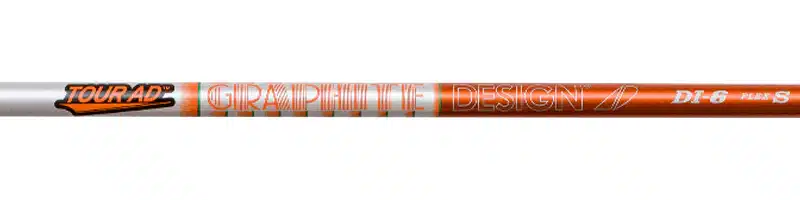
A premium golf shaft is worth considering when it solves a clear fitting problem, not simply because it costs more. The decision starts with your current ball flight, strike pattern, feel, and the change you want to see rather than the name printed on the shaft.
Patrick Greene helps Bogey Buster customers compare those details before they order. A useful comparison looks at what the stock shaft already does well, where it falls short, and whether an aftermarket profile offers a measurable improvement for the finished build.
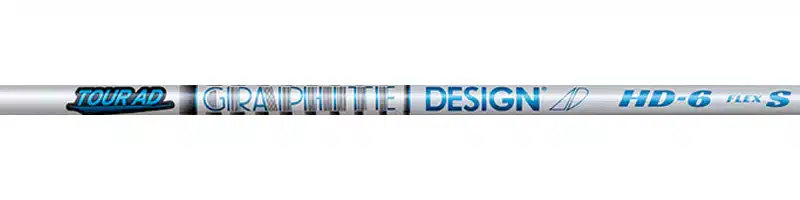
The upgrade makes the most sense when the current shaft is a real limitation. You may be fighting a flight that launches too high or too low, a strike that becomes scattered when you add speed, or a feel that makes it difficult to return the clubhead consistently. A broader aftermarket selection gives a fitter more combinations of weight, flex, torque, and bend profile to test against that problem.
Price alone does not create performance. A well-matched stock shaft can be the better choice, and an expensive model can still be wrong. The value comes from finding a profile and build that improve the pattern you actually play, not from buying a familiar tour model or premium graphic.
A shaft does not work independently from the head, adapter, playing length, grip, and swing weight. Changing any one of those can alter how the club feels and where you strike the face. That is why a meaningful comparison keeps the head and other build variables as consistent as possible while the shaft changes.
Swing speed helps narrow the range, but tempo and transition force matter too. Two golfers with similar speed can load the club differently and prefer different weights or profiles. The better test compares carry, launch, spin, dispersion, strike location, and effort over several representative swings.
One common mistake is buying the model a tour player uses without checking whether the weight, flex, and bend profile fit your delivery. Another is expecting the shaft to repair a swing pattern that changes from shot to shot. A shaft can influence feel and delivery, but it cannot guarantee a particular result or replace solid contact.
It is also easy to overlook the finished length and grip. A build that arrives longer, heavier, or with a different head feel than expected may perform differently even when the shaft model is correct. Confirm every specification before treating the comparison as complete.
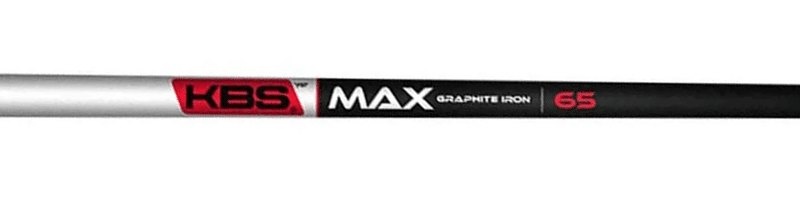
Share your current shaft model, flex, weight, head, adapter, playing length, and grip, along with the flight and miss you see most often. If you have launch-monitor data, send averages and dispersion rather than only the best shot. That context makes it easier to judge whether the current shaft is limiting you.
Then identify the outcome that matters most: more playable launch, better spin control, tighter dispersion, a more comfortable loading feel, or a build prepared to your exact specifications. The goal is not to justify a premium price; it is to decide whether the upgrade produces enough value for your swing and your game.
First, write down the complete current build and the one problem you want to solve. Second, compare candidate shafts in the same head and at comparable playing lengths whenever possible. Third, judge the average pattern and typical miss, not one exceptional swing.
Also decide how much a change must improve before it is worth paying for. A small difference in feel may be valuable to one golfer and unnecessary to another. A tighter pattern or more usable flight is easier to evaluate when the goal is defined before the test.
Finally, confirm the exact shaft, weight, flex, adapter, length, grip, and any build instructions before ordering. That keeps the purchase tied to the tested configuration instead of an assumption that every version of the same model will perform alike.
Use the shaft selector to compare available profiles and the golf shaft catalog to review current models. The PGA fitting overview provides additional context, and Patrick can answer build-specific questions through the Bogey Buster contact page.
When a golfer asks whether a premium shaft is worth it, I try to separate price from value. A higher-end shaft is not magic, and it will not add yards on its own. What it can offer is tighter manufacturing tolerances, more consistent flex and weight from one shaft to the next, and a wider range of profiles so a fitter can match your delivery more precisely. For a player whose current shaft is genuinely fighting their swing, those traits can translate into a flight that repeats and a miss that stays playable.
The honest answer is that the upgrade is worth it when it solves a real problem. If your ball flight already launches well, holds its line, and spins in a reasonable window, a premium shaft may only give you a nicer feel rather than better numbers. If you are battling high spin, an inconsistent strike, or a stubborn miss, the broader selection in the premium category gives more room to find a profile that finally fits.
A premium shaft tends to earn its place when it changes something you can see and feel on the course. Lower, more controlled spin that holds up in the wind, a tighter dispersion pattern, or a feel that lets you swing with confidence are all real, measurable wins. If the new shaft delivers one of those, the money is doing useful work rather than just buying a brand name on the side of the club.
The upgrade does not pay off when it is bought to copy a tour player or to chase a graphic you like. Two golfers with similar speed can need very different profiles, so the shaft a pro plays may be exactly wrong for your tempo and transition. I would much rather see a player in a correctly fit mid-tier shaft than an expensive model that does not match how they load the club. The label matters far less than the fit.
My approach is to start with the problem, not the price tag. I ask what you want to change about your current flight, what your typical miss looks like, and what the shaft in your bag is doing well so we do not give that up. From there we look at whether a premium profile actually addresses the issue or whether a smarter, less expensive build would get you to the same place. That keeps the spend tied to a result rather than a feeling.
If you have launch monitor numbers, they make the decision sharper, because we can see whether spin, launch, or dispersion is the real culprit. If you do not, a clear description of your usual shot is enough to point us in the right direction. Either way, the goal is the same: spend money where it changes the outcome, and avoid paying a premium for a shaft that does not move your flight in the direction you need.
Neither is automatically better. Some stock shafts fit a golfer’s tempo and ball flight very well, while a premium aftermarket shaft earns its price only when its profile or build solves a specific problem more effectively.
Start with swing speed, but do not stop there. Tempo, transition, strike quality, and the head you play can change the right answer.
Yes. Share your current setup and ball flight through the contact form. Patrick can help narrow the options before you buy.
If you are deciding whether a premium golf shaft is worth it, Bogey Buster Golf Shafts can help you avoid a guess. Call 1-800-380-7901 or ask Patrick for fitting help before ordering your next custom shaft.
Also Read: Why Matching Air Speeder Shafts to Grip Change Matters
Written by Patrick Greene|Golf shaft specialist with 15+ years in

Written by Patrick Greene|Golf shaft specialist with 15+ years in