
How Custom Golf Shafts Enhance Distance and Accuracy
Written by Patrick Greene|Golf shaft specialist with 15+ years in

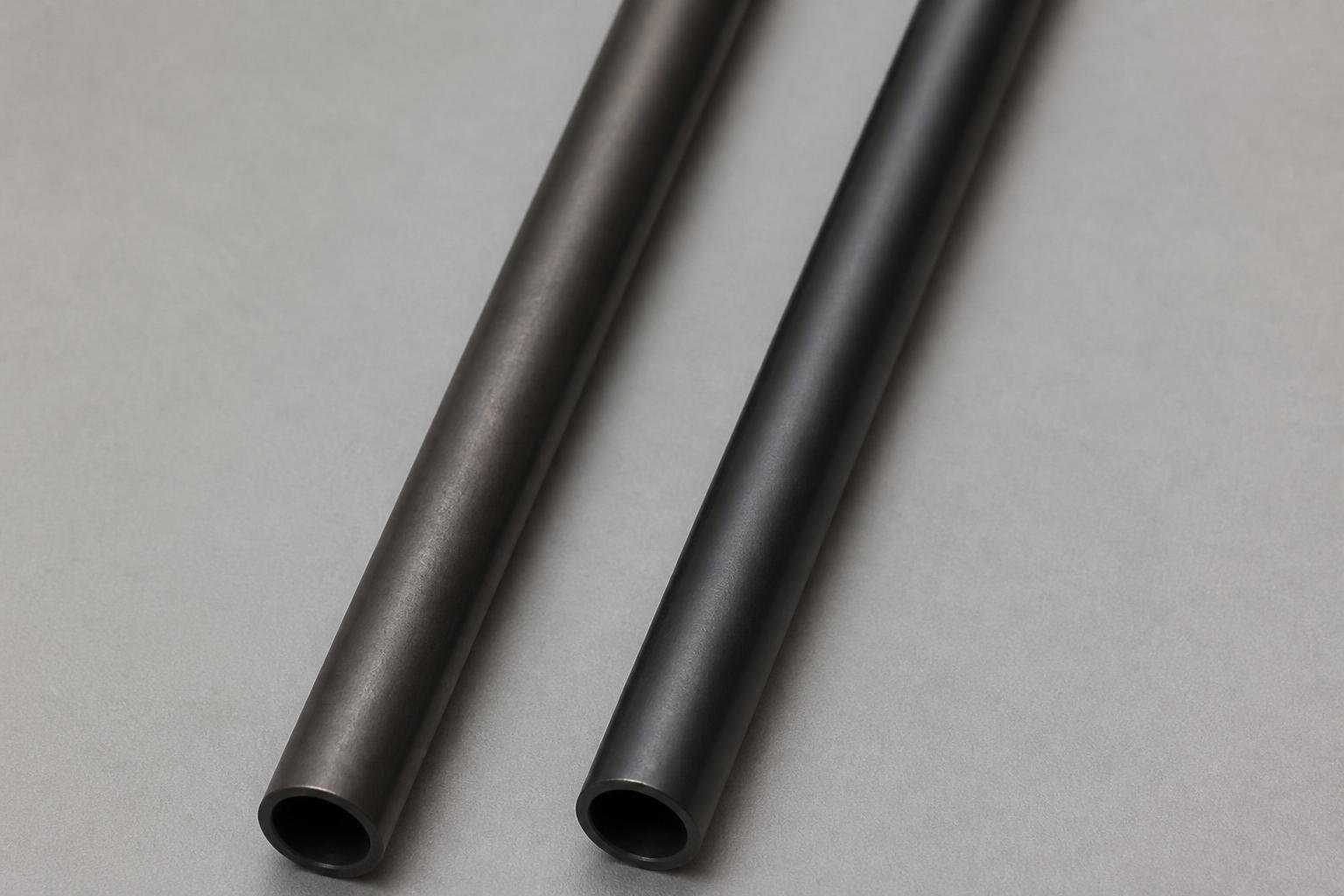
Fujikura’s Pro iron shaft line comes in two builds that share a name but play differently: Black and IP. Golfers researching the Pro name sometimes assume the two are cosmetic variants of the same shaft. They are not, and the difference is enough to matter for how you fit into one over the other.
This guide breaks down what separates Black from IP within the Pro iron shaft family and gives you a starting point for which one fits your swing, without pretending one version is simply better than the other in every situation.
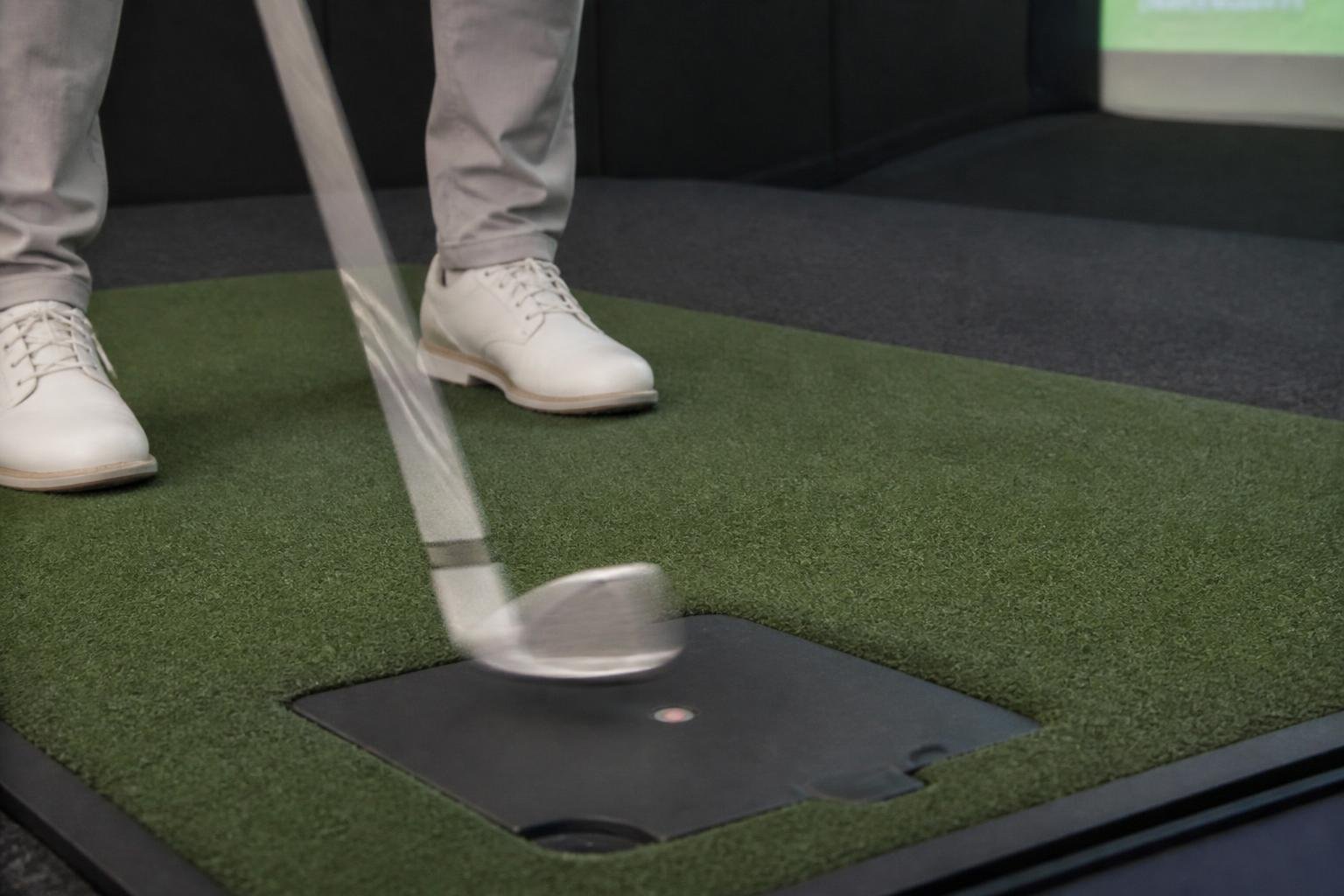
Both builds share the same core design philosophy: a graphite iron shaft aimed at golfers who want reduced vibration and a lighter overall swingweight compared to steel, without giving up the shot control that steel traditionally offers. Both are sold across a range of weight and flex options, so neither version locks you into a single swing speed category by default.
The practical difference between the two builds shows up in feel and launch characteristics rather than in a single obvious spec on a chart. Golfers who have hit both frequently describe one build as feeling slightly firmer through impact with a more penetrating trajectory, and the other as feeling a touch smoother with a marginally higher, softer landing flight. Because that kind of feel difference is subtle and swing-dependent, the manufacturer’s published spec sheet for each build is the reliable place to start, not a general assumption based on the name alone.
Iron shafts get swung dozens of times a round from a variety of lies, and small differences in how a shaft loads and releases show up more consistently in iron play than in a driver, which is struck far fewer times per round. That is part of why golfers moving between the two Pro builds often notice the difference more clearly in their irons than they expected to.
These tendencies are starting points, not rules. Swing speed, transition tempo, and what you are used to feeling from your current irons all factor into which build actually performs better for you on a launch monitor.
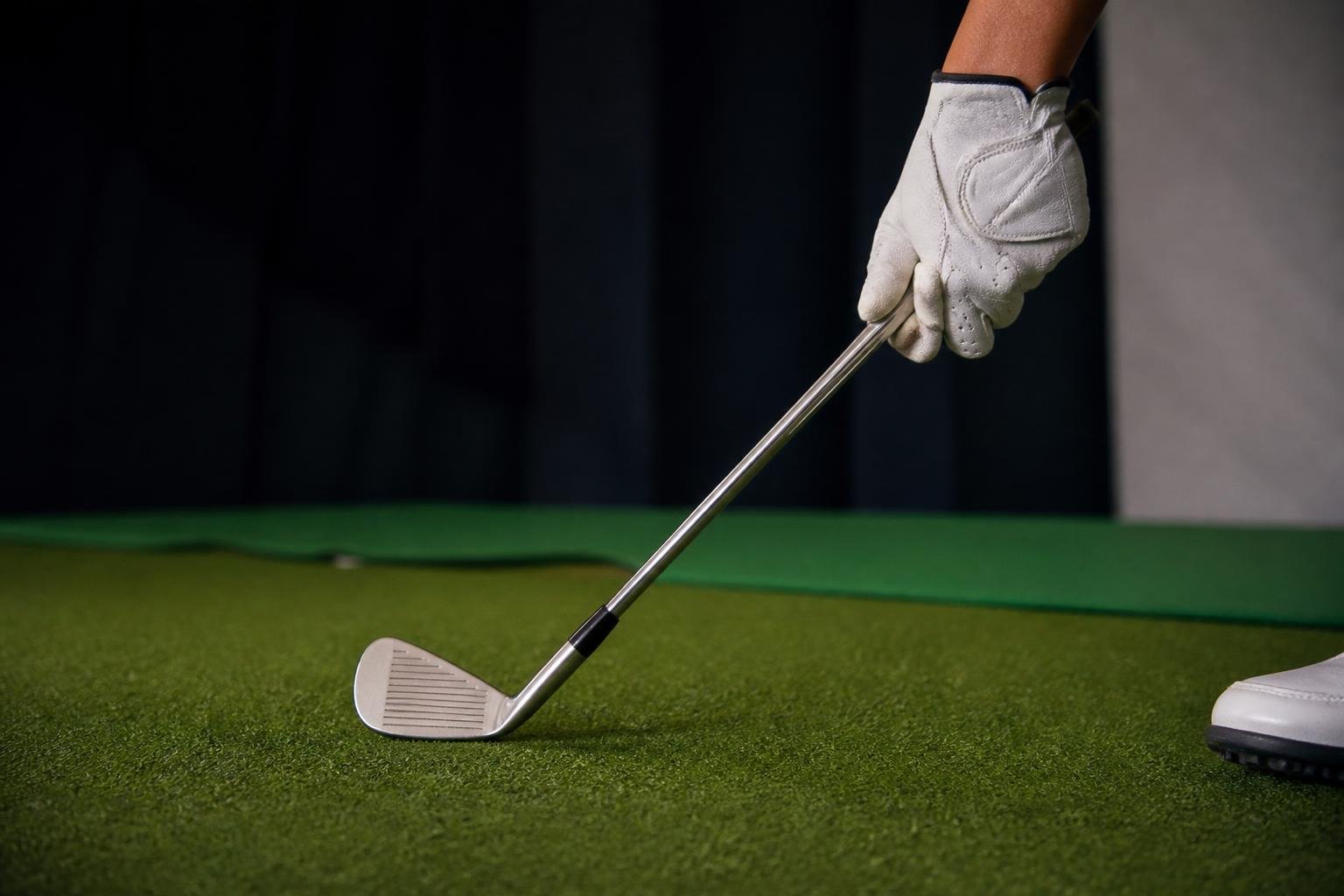
The reliable way to choose between Black and IP is to hit both back to back under the same conditions, ideally on a launch monitor where spin, launch angle, and dispersion can be compared side by side rather than guessed at from feel alone. Feel matters, but feel without data is a good way to pick the shaft that felt best on one particular swing rather than the one that actually performs best across a full range session.
Our custom shaft service can set up a comparison between the two builds using your actual iron heads rather than a generic demo club, which is the only way to know for certain which version fits your current swing.
If you are building or replacing a full iron set, stick with one build across all the clubs rather than mixing Black and IP within the same set. Consistent feel from the 4-iron through the wedges is worth more than optimizing each individual club for a marginal preference, and mixing builds makes it harder to keep swingweight and flex progression consistent across the set.
A proper comparison between the two builds starts with hitting your current irons first to establish a baseline, then alternating between Black and IP in the same flex and weight so the only real variable changing is the shaft build itself. Alternating rather than blocking all of one build together helps prevent fatigue or a hot streak on one set of swings from skewing the read on which shaft is actually performing better.
Pay attention not just to the launch monitor numbers but also to dispersion pattern shape. Two shafts can produce similar average numbers while creating very different miss patterns, and the miss pattern is often more useful for a real decision than the average alone.
A meaningful comparison usually requires enough swings with each build to see a consistent pattern rather than a handful of outlier shots. Rushing this part of the process is one of the more common reasons golfers end up second-guessing a shaft choice a few weeks after a build, so it is worth taking the extra time during the fitting itself.
It is common for a golfer’s first-swing impression to favor whichever shaft they hit first, simply due to novelty. This is exactly why comparing launch monitor numbers across a full set of swings matters more than trusting the initial gut reaction from the very first ball struck with a new shaft.
Mention any specific complaint you have with your current irons before testing begins, whether that is a flight that balloons in the wind, a dispersion pattern that leaks to one side under pressure, or simply a feel you have never liked. That single piece of context often narrows which of the two builds gets tested first, saving time and pointing the comparison toward the trait that actually matters for your scoring.
Swings change over a season and over the years, and a build that fit perfectly two seasons ago is not guaranteed to be the ideal choice today. If your handicap has moved meaningfully, or if you have made a deliberate swing change, it is worth retesting rather than assuming the original fitting result still holds. A retest is usually shorter than the original session since the baseline groundwork is already familiar.
Fujikura’s own product pages list the published weight and flex range for both Pro iron builds, which is the right place to start before booking a comparison session.
If a full comparison session is not realistic right now, even hitting a demo of each build for a shorter stretch is more useful than deciding from spec sheets and online descriptions alone, since feel differences like these rarely translate cleanly into words.
Perceived firmness differs between the two builds, but always confirm the actual flex rating on the manufacturer’s spec sheet for the specific model and flex you are considering rather than assuming based on feel descriptions alone.
It is possible, but it is not recommended if consistent feel and flex progression across the set matter to you, which they do for most golfers.
Popularity varies by region and by the swing profiles of the golfers buying them, and it is not a reliable substitute for hitting both yourself.
Check the current listings for each build, since pricing can differ slightly by weight and flex configuration.
See both builds on the iron shaft page: Fujikura Pro Iron Black and Fujikura Pro Iron IP. Call 1-800-380-7901 to set up a side-by-side comparison before you commit to a full set.
Also Read: Top Problems with Hybrid Shafts and Their Solutions
Written by Patrick Greene|Golf shaft specialist with 15+ years in

Written by Patrick Greene|Golf shaft specialist with 15+ years in

Free golf guide · 26 pages
How to Teach Your Wife Golf (And Live to Talk About It)
A funny, practical guide to better golf and fewer arguments: setup, swing, short game, putting and what not to say on the course.
Get the free guide