
How Custom Golf Shafts Enhance Distance and Accuracy
Written by Patrick Greene|Golf shaft specialist with 15+ years in

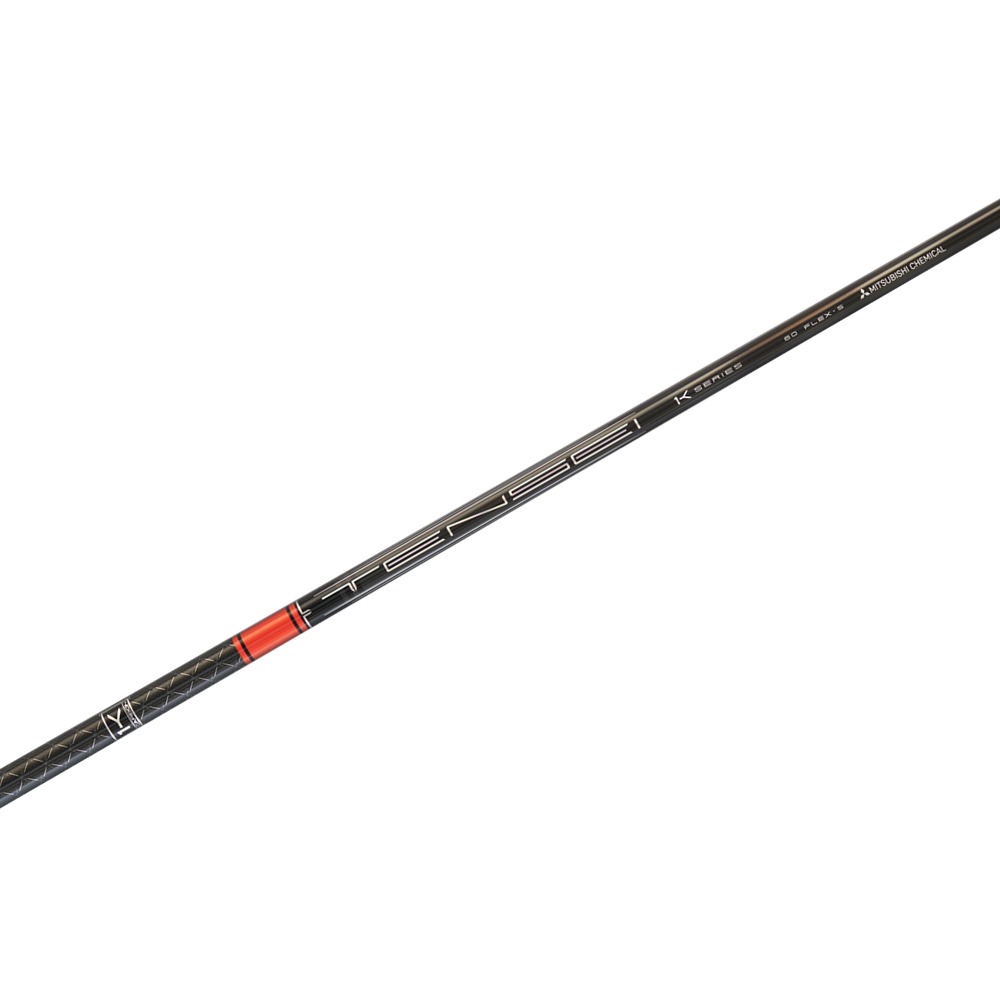
Two shafts share the name TENSEI 1K Pro Orange in our store, and they are not the same shaft. One is the original counterbalanced Pro Orange. The other is the newer Pro Orange with RIP+, which Mitsubishi describes as a different bend profile with a different construction. If you order by color alone, you could end up with a shaft that flies differently than you expected.
Here is how we explain the two to customers, using what the product pages and the maker say, so you can pick the one that fits your swing before you place an order.
The Mitsubishi TENSEI 1K Pro Orange wood shaft is the counterbalanced profile in the tour-level Pro family. It is described as a low-launch, low-spin, high-kick-point shaft engineered to add a little speed, and as one of the few truly counterbalanced offerings in the premium market.
The counterbalance comes from tungsten powder placed in the handle. Shifting mass toward the grip end makes the tip side feel lighter and more active. The maker pitches it at players who load the shaft with a lot of lag and like that counterbalanced feel while still wanting low spin and stability.
Other pieces of the build include a 1K carbon handle, an MR70 tip, and Mitsubishi’s Xlink Tech resin system. The page lists it in 50, 60, 70 and 80 gram weights, in R, S, X and TX flexes.
Our Mitsubishi TENSEI 1K Pro Orange with RIP+ is a counterbalanced wood shaft with a mid-launch, low-plus-spin profile and a mid/high kick point. Mitsubishi built it for golfers who want maximum ball speed from longer builds or heavier club heads without giving up a smooth, responsive feel or stability.
Mitsubishi describes it as the first smooth, counterbalanced bend profile in the series, with a firm-plus handle, a medium-plus midsection and a medium tip. It reaches an extreme counterbalance by shifting material toward the butt section, without the tungsten powder used in earlier generations.
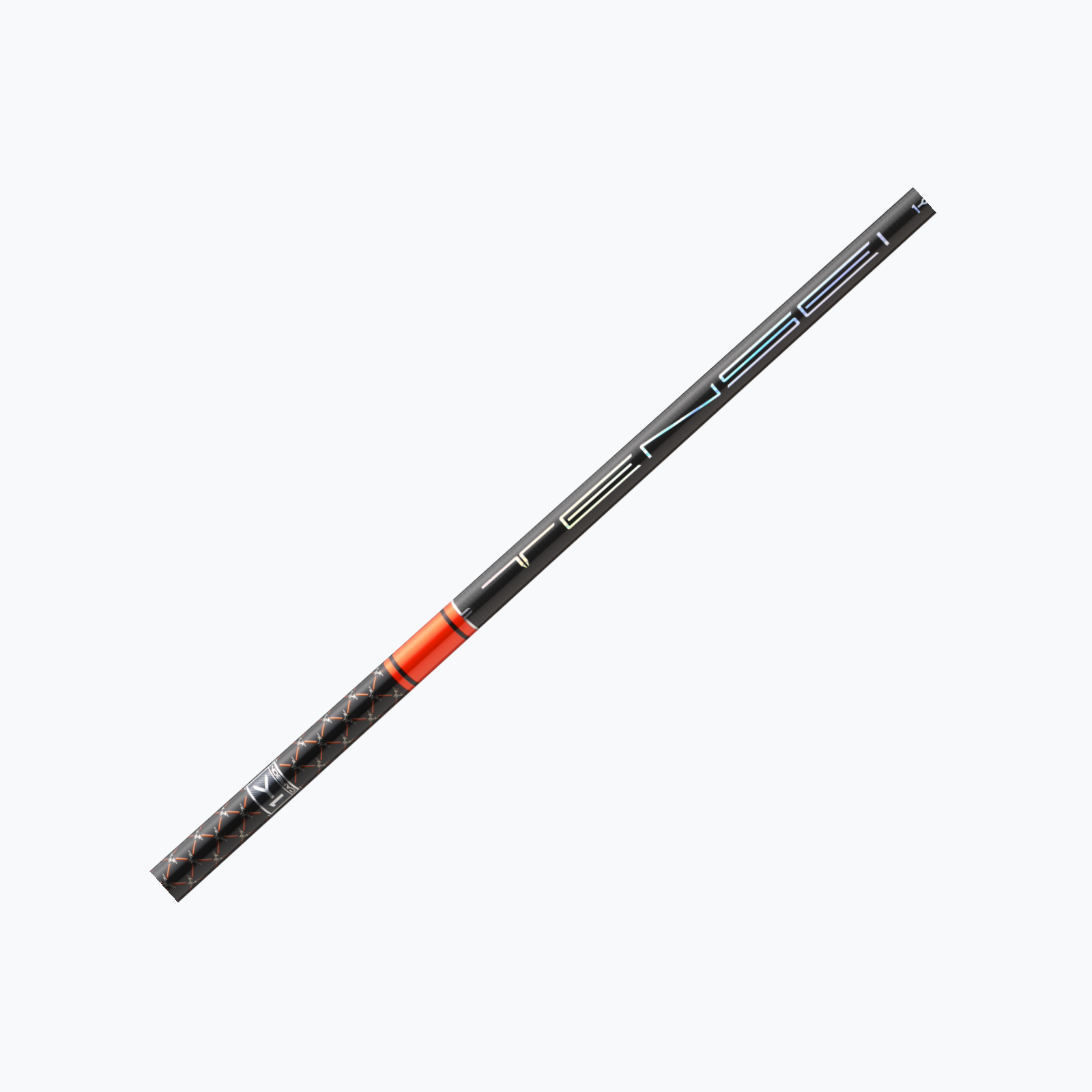
RIP+ stands for Reverse Interlaminar Placement Plus. In this shaft, the maker pairs boron in the tip with a proprietary carbon fiber that it says is five times thinner and lighter than conventional material, which it calls 20FAW. That ultra-thin material sits in the tip section, which is traditionally the high-twist area, and it is designed to improve stability and minimize torque.
The maker also says premium 1K carbon cloth has been moved closer to the tip, and boron reinforcement is used again to reduce torque and add stability through impact. These are the maker’s descriptions. They explain the intent of the design, not a promised result for your swing.
Our RIP+ page lays out the differences side by side. The key points are these.
The simple takeaway is that if you want lower launch and spin, or the TX flex, look at the original. If you want mid launch, a counterbalance without tungsten powder and a mid/high kick point, the RIP+ is the one to try.
The RIP+ page says the Orange profile typically produces a more neutral start line and a smoother overall feel, which suits players with a moderate swing tempo. That is a useful contrast to the original, which the maker positions for players who load the shaft with plenty of lag.
Use this as a rough sorting guide.
These are tendencies, not rules. A launch monitor session settles it faster than any description.
The RIP+ page lists the 50 and 60 series in R, S and X, the 70 and 80 series in S and X, and the 90 series in X only. Listed weights run from 51 grams for the 50 R up to 95 grams for the 90 X, and listed torque falls as weight rises. Those figures follow the maker’s sell sheet.
Choosing the weight is where many golfers go wrong. A heavier shaft is not automatically the right choice for a fast swing. Our post on 60 gram versus 70 gram driver shafts walks through how weight changes feel and control. If you are in the faster range, our guide to the best driver shaft for 105 to 115 mph swing speed is a good companion read.
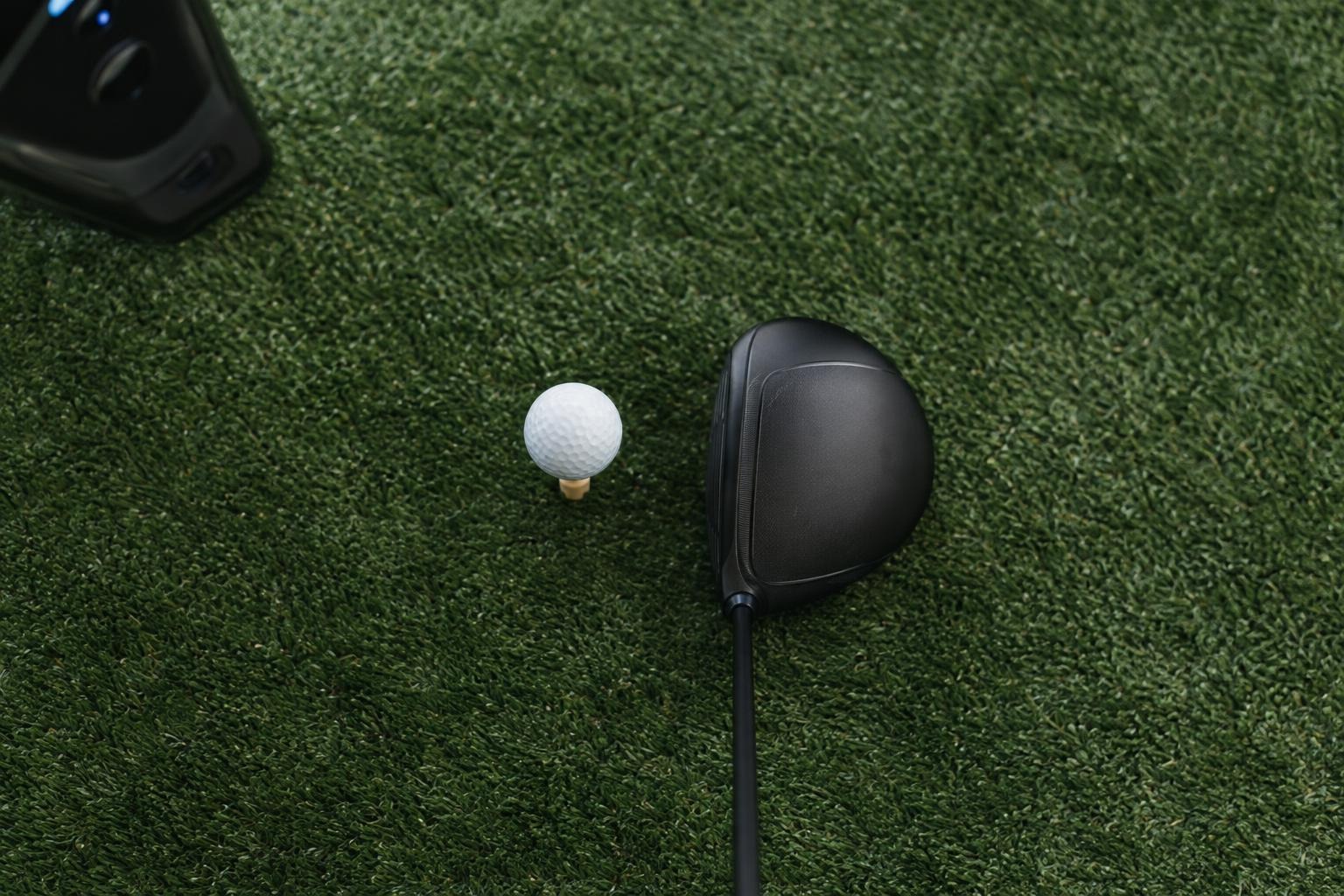
Launch and spin are measurable, so measure them. If your current driver sends the ball too high with a lot of spin, the original Orange might be worth testing. If your numbers are already in a good window and you want a smoother feel with some counterbalance, the RIP+ may suit you better.
We cover how to read a launch monitor when shopping in our post on launch monitor numbers for shaft buying. For a general look at launch tendencies, see high launch versus low launch driver shafts. Bring your data when you contact us, and we will point you toward the better test candidate. No shaft is a cure for a swing flaw, so treat any new shaft as one input among several.
Both Orange shafts are built to order. You choose the model and flex, club type, adapter, playing length and grip. Custom builds take up to 10 to 12 business days. Each shaft is built to your specs, and Patrick can help if you are unsure which to choose.
You can also read the maker’s own page for the newer shaft: Mitsubishi’s TENSEI 1K Pro Orange with RIP+ page. To see how we work, visit our custom shafts page. Custom fitting by appointment is available locally in Cape Coral, Fort Myers, North Fort Myers, Estero, Bonita Springs, and Naples, and the online store ships nationwide.
No. They are different shafts with different launch and spin profiles, counterbalance methods, tip construction and kick points. Choose by the ball flight you want, not by the color name.
Yes. The page lets you choose driver, 3, 5, 7 or 9 wood during the build. The maker’s tip trim guidance is 0 inches for a driver, 0.5 inches for a 3-wood, 0.75 inches for a 5-wood and 1 inch for a 7- or 9-wood.
Per the product pages, the original Pro Orange is listed in R, S, X and TX. The RIP+ is listed in R, S and X.
Send Patrick your driver speed and what you play now, or start with our shaft selector. A fitting conversation beats guessing.
Have questions we did not cover? Read our FAQs, then call 1-800-380-7901 or contact us to request help choosing between the two Orange shafts.
Also Read: The Benefits of Using Fujikura Ventus Shafts
Written by Patrick Greene|Golf shaft specialist with 15+ years in

Written by Patrick Greene|Golf shaft specialist with 15+ years in

Free golf guide · 26 pages
How to Teach Your Wife Golf (And Live to Talk About It)
A funny, practical guide to better golf and fewer arguments: setup, swing, short game, putting and what not to say on the course.
Get the free guide