
How Custom Golf Shafts Enhance Distance and Accuracy
Written by Patrick Greene|Golf shaft specialist with 15+ years in

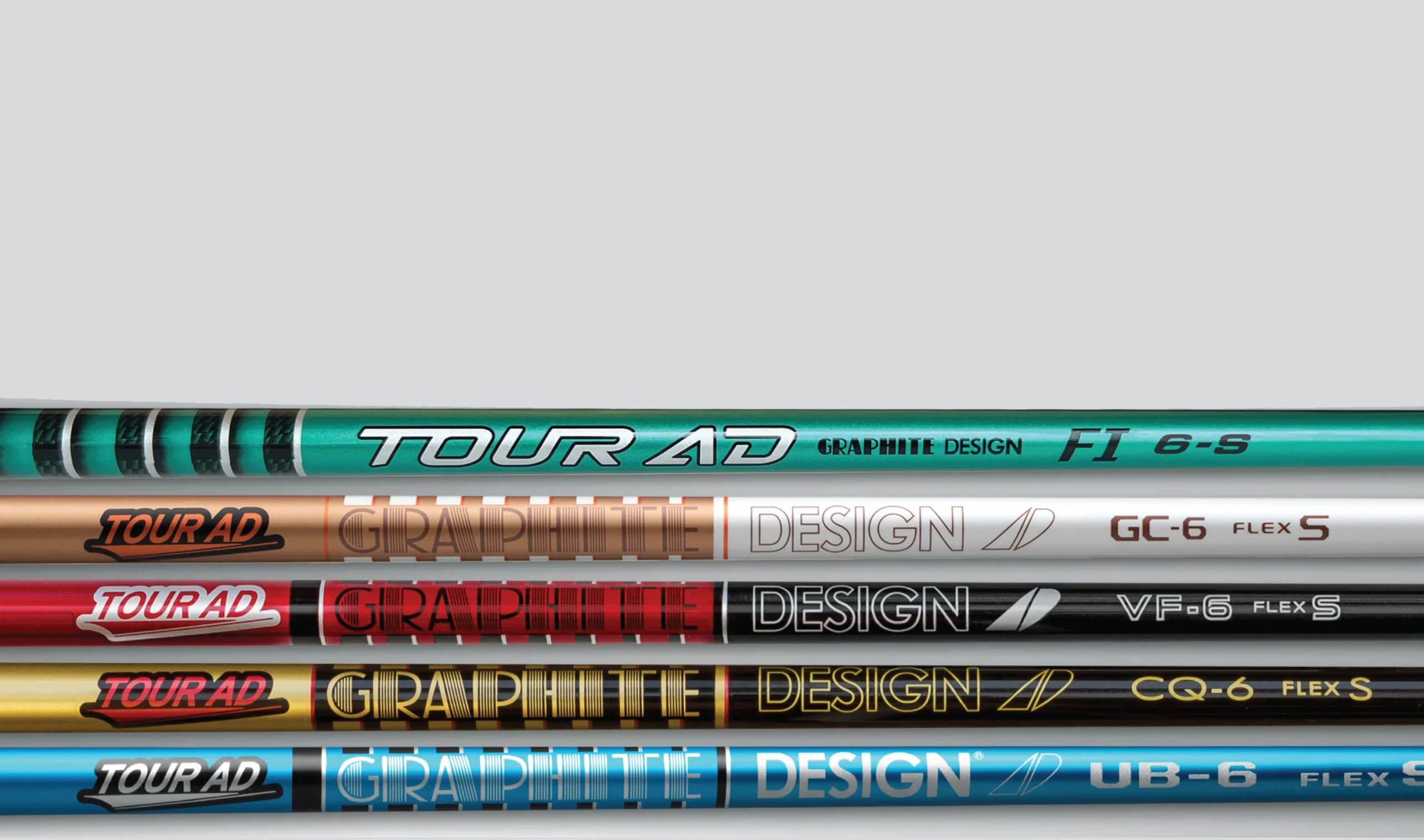
Launch-monitor data is most useful when it describes a repeatable pattern rather than a single impressive shot. A shaft decision should connect the numbers to your strike, feel, current build, and the flight you want to play on the course.
Patrick Greene helps Bogey Buster customers turn those numbers into better questions before they order. The monitor can show what happened, but it does not choose a shaft by itself; the fitting still has to control variables and confirm how the player delivers the club.
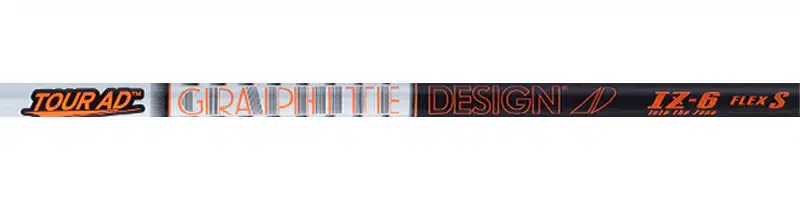
Launch angle, spin rate, ball speed, carry, and dispersion work together. A launch number without spin can be misleading, and a strong ball-speed reading does not show whether the shot finished in a playable window. Look at a group of solid swings so the averages and spread reflect the game you bring to the course.
Strike location belongs beside those numbers. A shaft may change timing or feel, but a heel, toe, high, or low strike can also change launch and spin. Recording impact location helps prevent a fitting from assigning every unusual number to the shaft.
A useful shaft comparison keeps the clubhead, loft setting, ball, and target as consistent as possible. Playing length and total build weight should also be noted. If several variables change at once, the monitor may show a difference without revealing which change caused it.
Give each option enough swings to settle into the feel, then compare the central pattern and typical miss. A candidate that produces one long shot but a wider dispersion pattern may be less useful than a shaft that gives up a little peak distance and repeats more reliably.
Do not fit from the best swing of the session or chase a generic ideal number without considering speed and delivery. Launch and spin windows vary by player, head, loft, strike, and ball. The right target is the flight that produces useful carry and control for your swing.
Do not assume that scattered shots automatically prove the shaft is too light, too soft, or otherwise wrong. Dispersion can come from strike, face delivery, setup, fatigue, or the test itself. Use the pattern as a reason to compare controlled builds, not as a remote diagnosis.
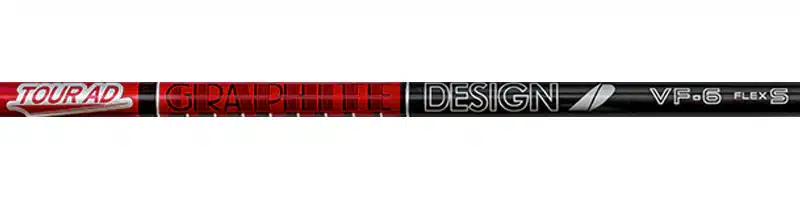
Send the averages for launch, spin, ball speed, carry, and total distance if available, plus the left-to-right spread and the number of swings in the sample. Include the clubhead, loft setting, shaft model, weight, flex, playing length, and ball used during the session.
Add a short description of feel and effort. Note whether the shaft felt easy or difficult to load, whether the head was easy to locate during the swing, and what happened when you added speed. Those observations help connect the data to a profile worth testing.
Start by separating representative swings from obvious mishits without deleting every inconvenient result. Then compare average launch and spin together, review dispersion and strike location, and identify the miss you most need the build to manage.
Next, test one meaningful change at a time whenever possible. A different shaft weight or profile is easier to evaluate when the head, loft, ball, and finished length remain comparable. That makes the conclusion more useful than a test where the entire club changes.
Before ordering, confirm that the recommended shaft still makes sense with your final adapter, playing length, grip, and preferred head feel. Launch-monitor data can narrow the options, while a controlled fitting confirms which complete build produces the best overall pattern.
Launch angle and spin rate are most useful as a pair because they describe how the ball climbs and carries. Ball speed adds context about the strike and energy transfer, while carry shows whether the flight is useful. None of those figures should be judged from one swing or against a universal target.
Dispersion and strike location often matter more to the buying decision than the single longest result. A shaft that helps the golfer find a repeatable part of the face and keeps the typical miss playable may be a better fit even when its peak carry is not the highest.
Review a representative group of swings and keep the obvious mishits visible as part of the story. The median or average pattern shows what the golfer can repeat, and the widest misses show the risk the build has to manage on the course.
Variability also reveals whether the test is settled. If the numbers move dramatically as the golfer becomes familiar with a shaft, collect more swings before deciding. A recommendation is stronger when the central pattern repeats across more than one short burst.
The monitor can suggest a direction, such as testing a different weight or bend profile, but it should not turn an isolated number into a confident diagnosis. Select one or two plausible candidates, control the head and other build variables, and compare them against the current club.
Use the result to choose the complete build that best balances flight, strike, dispersion, feel, and effort. That approach is more reliable than assuming a particular launch or spin reading automatically calls for one shaft category.
After the test, write down which candidate improved the average pattern and which miss remained. Recheck the result after a short break if fatigue or rapid-fire swings may have changed the delivery. A recommendation should still make sense when the golfer returns to a comfortable tempo, not only at the most aggressive speed recorded during the session.
Course conditions matter too. A flight that looks attractive indoors may react differently in wind or on firm fairways, so describe the trajectory you need rather than chasing a screen number in isolation. The monitor helps quantify the change; the golfer still decides whether that change is useful outside.
If two shafts produce similar averages, compare consistency, effort, and the shape of the miss. The option that asks for less compensation and keeps the wider shots playable may be the more dependable build even when the headline distance is identical.
Use the shaft selector and custom shaft options to compare models that match the test direction. The PGA fitting overview explains why the whole club matters, and Patrick can review the session through the contact page before the final build is ordered.
Feel is important, but the numbers show whether a shaft is producing the launch, spin, carry, and dispersion you need. The best fitting uses both: feel to judge confidence and timing, and data to confirm the result.
Start with swing speed, but do not stop there. Tempo, transition, strike quality, and the head you play can change the right answer.
Yes. Share your current setup and ball flight through the contact form. Patrick can help narrow the options before you buy.
If you are trying to turn launch-monitor numbers into a shaft choice, Bogey Buster Golf Shafts can help you avoid a guess. Call 1-800-380-7901 or ask Patrick for fitting help before ordering your next custom shaft.
Also Read: How Air Speeder Shaft Helps With Early Season Swing Rust
Written by Patrick Greene|Golf shaft specialist with 15+ years in

Written by Patrick Greene|Golf shaft specialist with 15+ years in

Free golf guide · 26 pages
How to Teach Your Wife Golf (And Live to Talk About It)
A funny, practical guide to better golf and fewer arguments: setup, swing, short game, putting and what not to say on the course.
Get the free guide