
How Custom Golf Shafts Enhance Distance and Accuracy
Written by Patrick Greene|Golf shaft specialist with 15+ years in

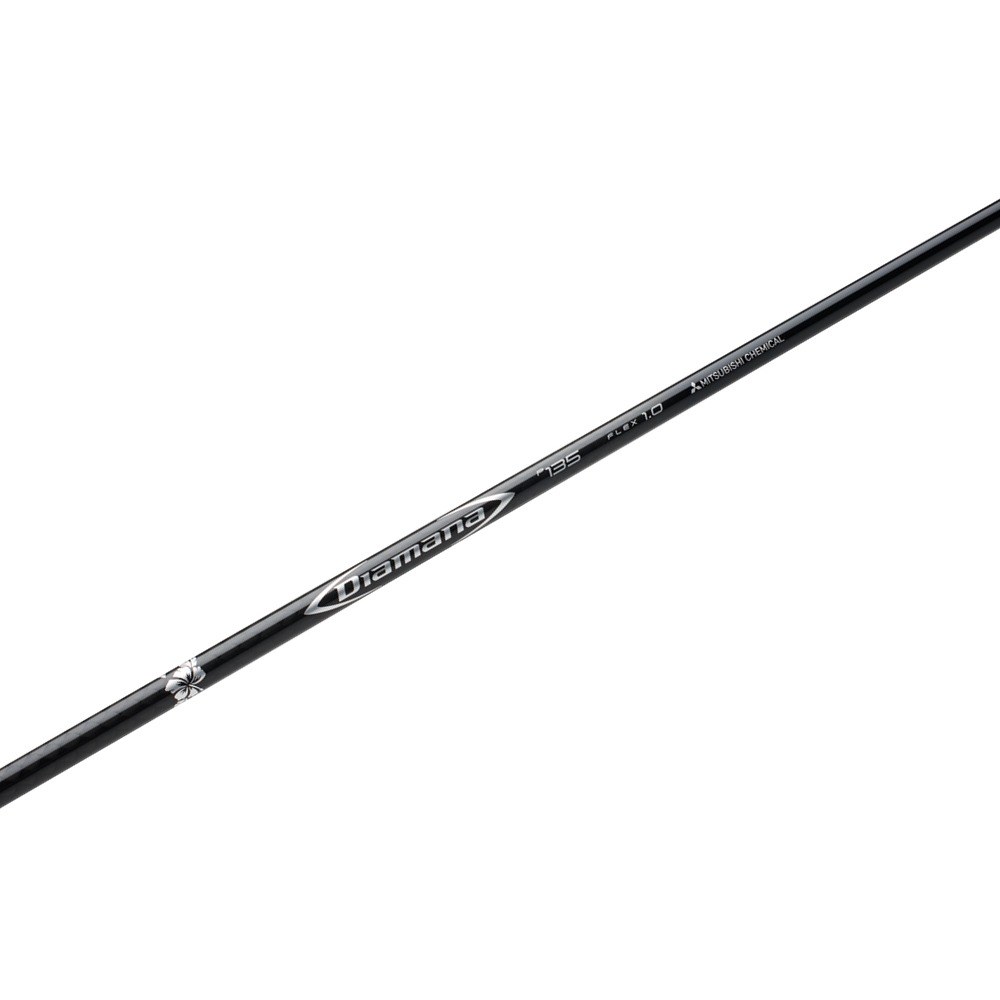
Most golfers spend real money on the driver and almost nothing on the shaft in the putter, even though the putter is the club they use most. If you have ever wondered whether a graphite putter shaft is a gimmick or a genuine upgrade, the honest answer is somewhere in the middle: it changes feel and feedback, it does not rebuild your stroke, and it suits some golfers far more than others.
This guide covers what the upgrade actually changes, who tends to enjoy one, where its limits are, and how we build one so it works with the putter head you already trust.
The shaft is the only part of a putter between your hands and the head, so it shapes what you feel at impact. Swapping the shaft material does not change loft, lie, or head weight. It changes how the strike is communicated up to your fingers and how the head behaves through the stroke.
Two things are worth understanding. The first is feedback: how clearly you sense where the ball met the face. The second is stability: how much the head twists as you swing it. Both are influenced by how the shaft is built, which is why the details of construction matter more than the word graphite on its own.
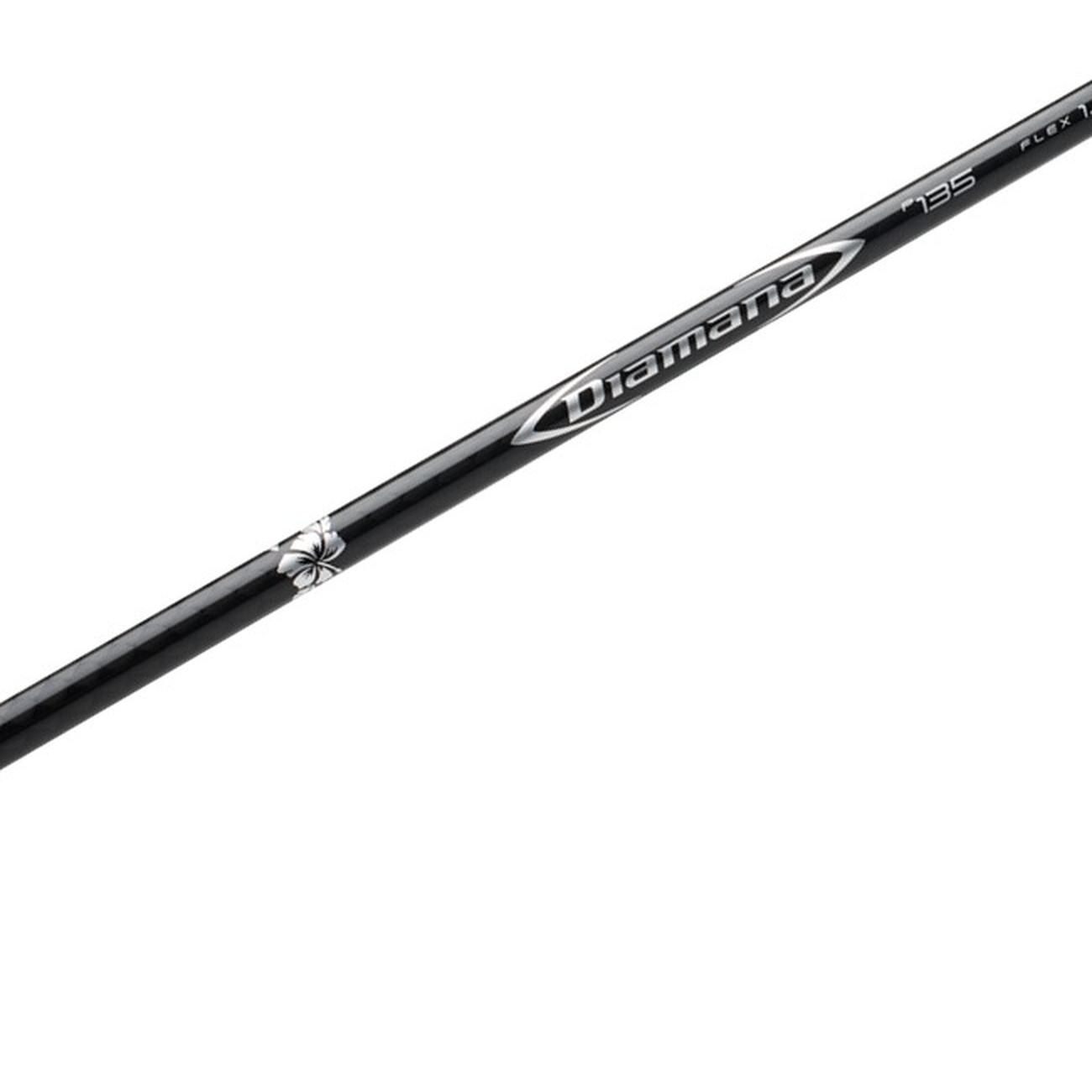
Mitsubishi describes the Diamana Putter Shaft as bringing the smooth, responsive feel Diamana built its reputation on to the greens. According to the product specifications, it uses intermediate-modulus carbon with a low resin content to maximize carbon volume, which is meant to communicate the strike without feeling harsh or muted. If you like the way a Diamana driver or fairway shaft loads, this is the putter version of that idea.
Construction is where this shaft earns its place on the list. The product specifications describe three features worth knowing about.
You can read the full description on the Mitsubishi Diamana Putter Shaft page. It is offered in one premium build spec, so the fitting conversation is about the rest of the putter rather than choosing between a dozen flex options.
Torque is how much a shaft twists when force is applied off its axis. On a full swing it affects face angle at impact, and we explain that in our guide to how shaft torque affects accuracy. On the green the forces are far smaller, but the idea still applies. A putter head that twists less during the stroke is easier to repeat.
The product specifications say the lower torque of this build means less unwanted twist and a more repeatable release, which the maker ties to distance control on longer putts. That is a manufacturer description rather than something we measured, and we would rather you judge it by how it feels in your own hands.
In our experience, a few kinds of golfers notice the difference most:
If you are happy with your current putter and rarely think about feel, you may not see enough difference to justify a change. That is a perfectly good reason to leave it alone.
A graphite shaft will not fix a stroke that opens the face, decelerates, or misreads greens. It will not change your read, your alignment, or your nerves. What it can do is give you cleaner information and a more stable platform, which helps you build a consistent stroke faster. Think of it as better instrumentation, not a shortcut.
We would also gently push back on any claim that a shaft swap alone lowers your score. No part number replaces practice. If someone promises a specific number of strokes saved, be skeptical, and we do not make that promise either.
This is where fitting makes the difference. A putter shaft is not a one-size part. The product description says we cut, tip, and install it to your exact putter, adapter, and grip, with a personal fitting from Patrick. In practice that means we talk through a handful of details:
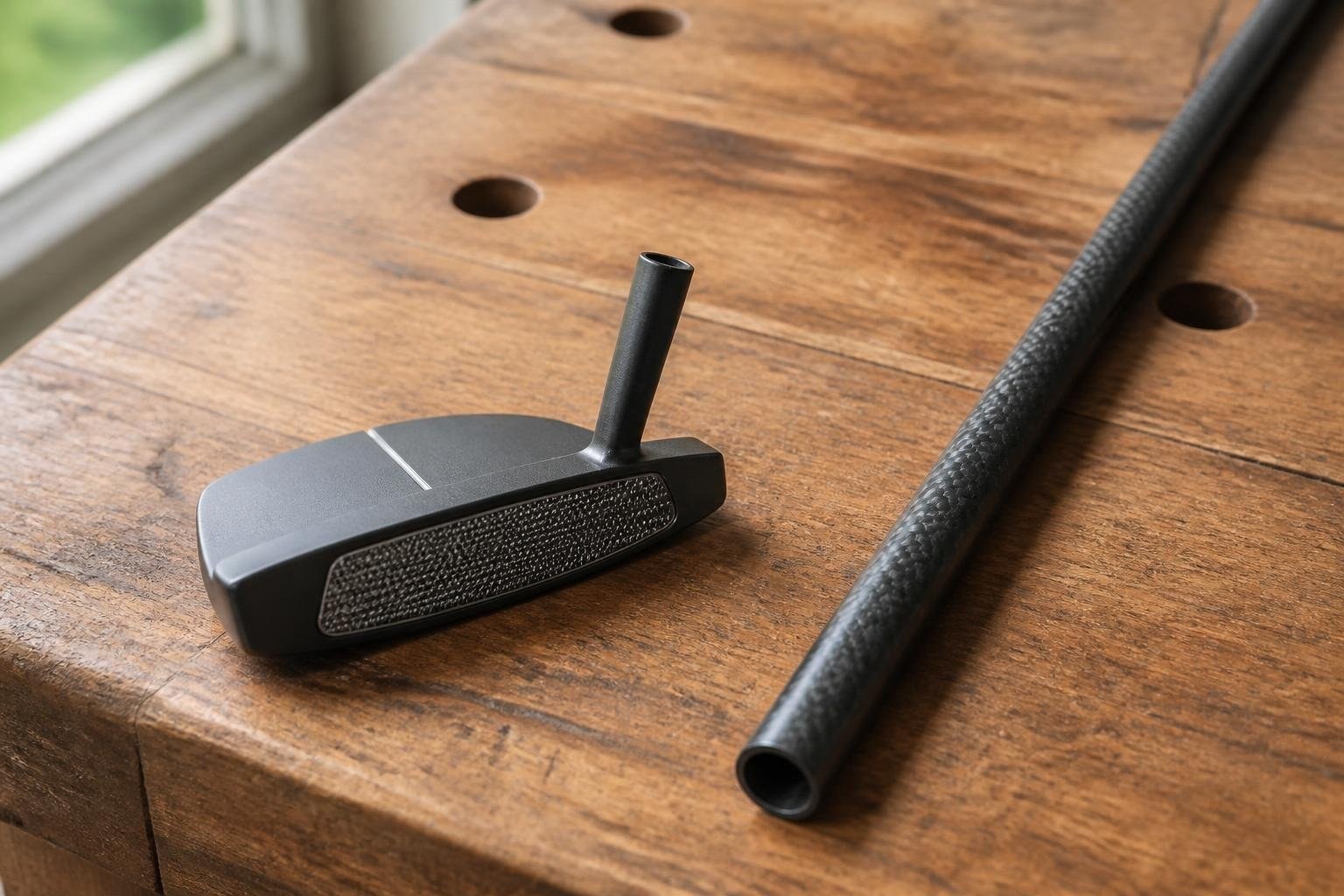
Because the build is custom, tell us what you like and dislike about your current putter before anything is cut. A short description of your usual miss and the feel you want gives us a lot to work with.
The same logic applies elsewhere in the bag: shaft material and construction shape feel and stability. If you are curious how material choice plays out in irons, our post on graphite versus steel iron shafts walks through the tradeoffs. For the full-length clubs, the shaft selector is a good place to start.
For the rules side of things, the governing bodies publish equipment information, and The R&A equipment page is a reliable place to confirm what is allowed before you change a club for competition.
It can make strike feedback clearer and keep the head more stable, which helps some golfers repeat their stroke. It does not replace a sound stroke or good green reading, so treat it as a refinement.
No. The shaft is built to fit your existing putter, adapter, and grip, so you can keep the head you already trust.
Better depends on what you want. The Diamana Putter Shaft is designed for golfers who value a smooth, responsive feel and lower torque. If you prefer the feel of your steel shaft, that is a valid choice.
If you like the head and its alignment but find the feel dull or hard to read, that is the usual starting point. Describe your putter to us and we will tell you plainly whether we think the change is worth it.
If you are curious whether graphite suits your stroke, use the shaft selector for your full-length clubs or tell us about your putter through our custom shaft service. You can also call 1-800-380-7901 and talk it through with Patrick, with no pressure to buy.
Also Read: Ventus VeloCore Fitting: Tip Trimming, Length, and Swingweight Effects
Written by Patrick Greene|Golf shaft specialist with 15+ years in

Written by Patrick Greene|Golf shaft specialist with 15+ years in

Free golf guide · 26 pages
How to Teach Your Wife Golf (And Live to Talk About It)
A funny, practical guide to better golf and fewer arguments: setup, swing, short game, putting and what not to say on the course.
Get the free guide