
How Custom Golf Shafts Enhance Distance and Accuracy
Written by Patrick Greene|Golf shaft specialist with 15+ years in

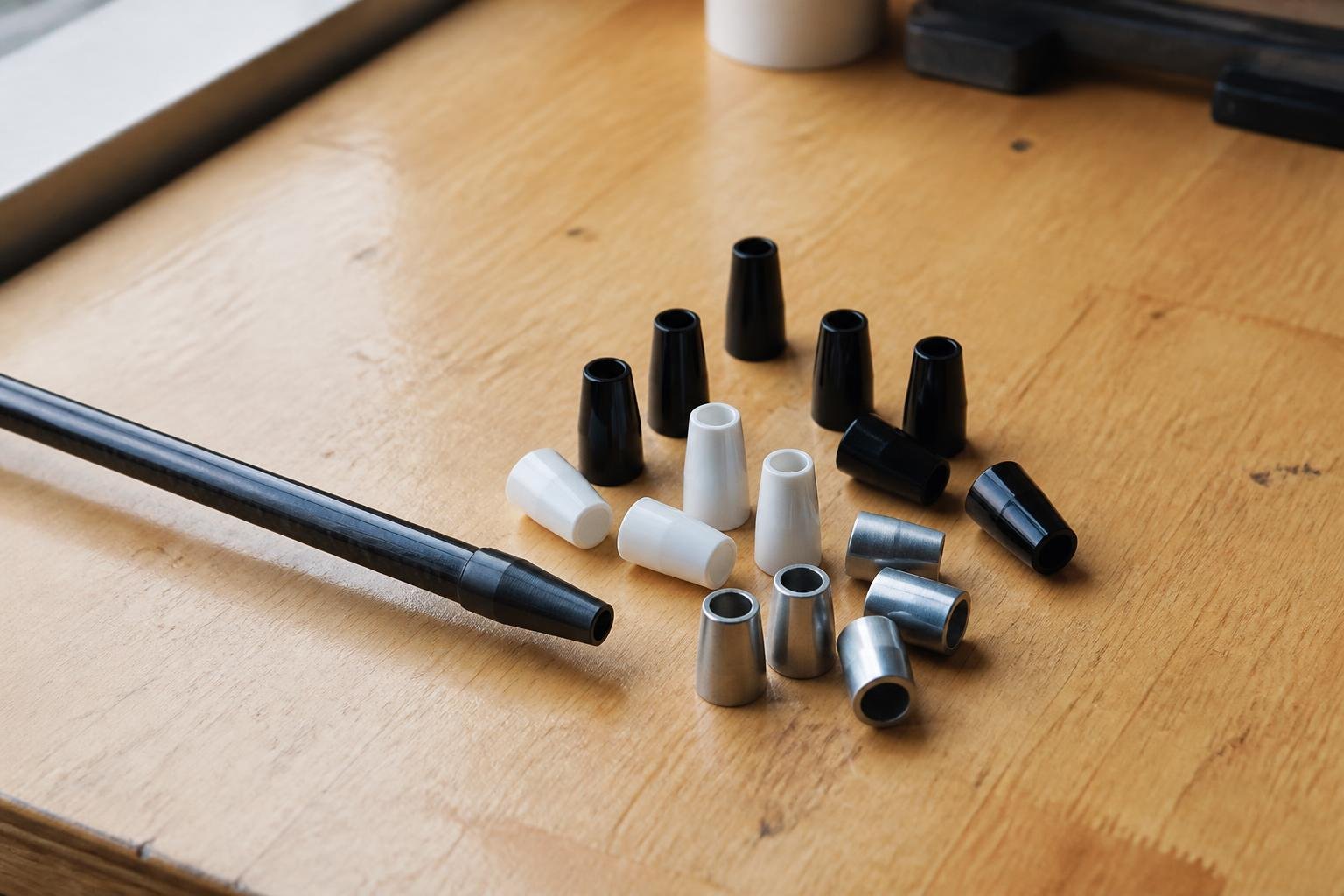
The golf shaft ferrule is the small ring where the shaft meets the club head, and it is easy to ignore until it cracks, slides, or leaves a gap you can see. Golfers ask us whether a damaged ferrule is a problem, whether it can be replaced on its own, and whether it affects performance. The short answer is that the ferrule is mostly cosmetic, but a ferrule that has changed can point to something worth checking.
This guide covers what a ferrule does, what it does not do, when to replace one, and why adjustable adapters do not use one.
A ferrule is a short, usually plastic or resin ring that sits on the shaft just above the hosel, the socket on the head where the shaft is installed. It gives the transition from shaft to head a clean, finished look and covers the point where epoxy and the edge of the hosel meet.
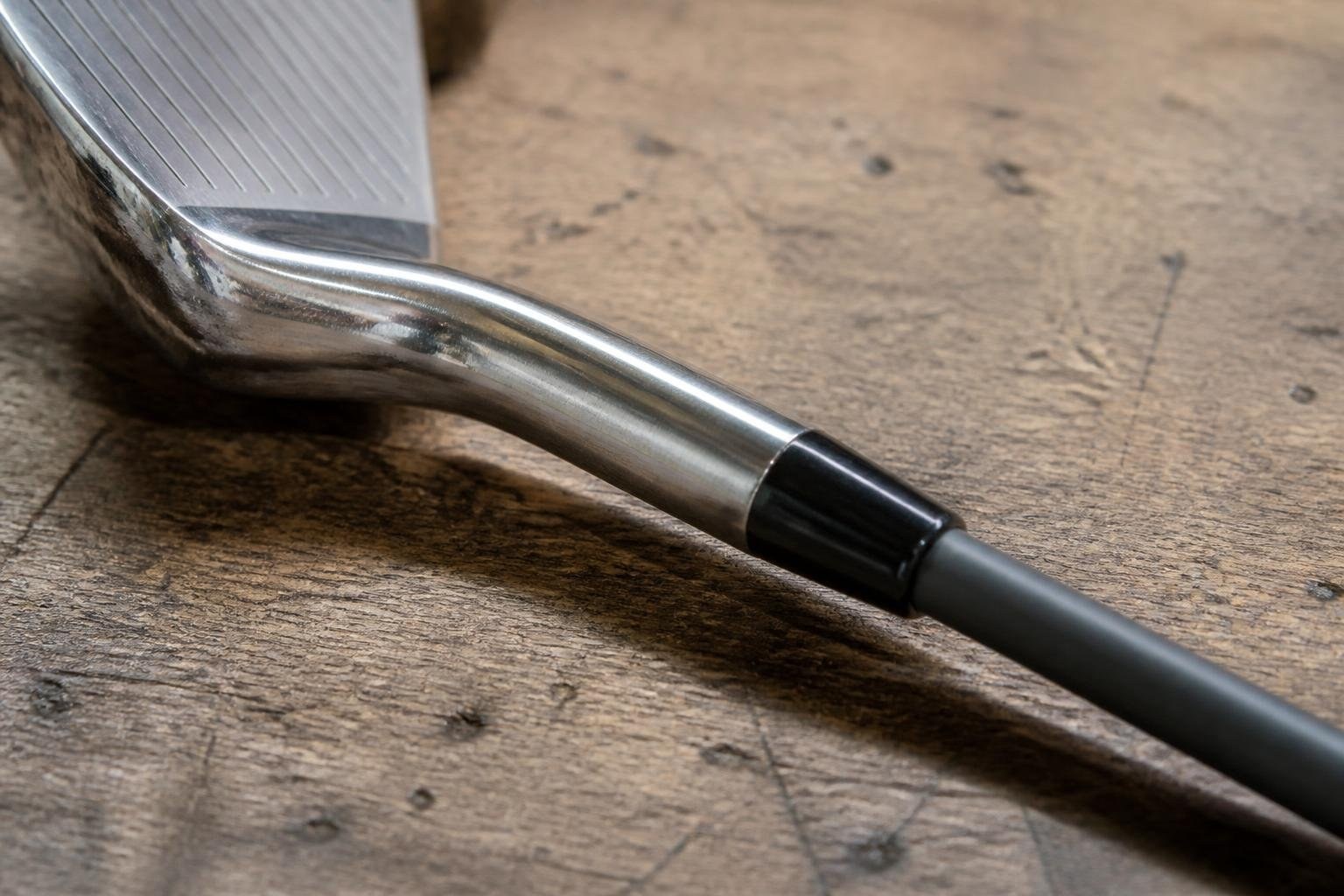
It is a trim piece, not a structural part. The bond that holds a conventional shaft in a head is the epoxy inside the hosel, not the ferrule. Nobody should trust a ferrule to hold a shaft in place.
Ferrules are part of a traditionally installed shaft, where the shaft is epoxied into the hosel. Irons, wedges, and many fairway woods and hybrids use them. Drivers and many modern fairway woods use a removable adapter sleeve instead, and the adapter replaces the look of a ferrule. If you are not sure which you have, our guide to adjustable driver adapters explains how those sleeves work.
The ferrule is slid onto the shaft before it is installed. During a build, a clubmaker positions it against the hosel, and in many cases shapes the ferrule’s edge so it sits flush with the hosel rather than leaving a lip. That finishing step is part of why a well-built club looks clean.
Not every worn ferrule needs replacement, but certain changes are worth noticing:
A cosmetic crack is not an emergency. A ferrule that moves, combined with any looseness in the shaft itself, deserves a closer look from a builder.
If a ferrule has pulled away and you can see a gap, check whether the shaft turns in the hosel or whether there is a rattle when you shake the club. Epoxy can fail from age, heat, or a poor original bond. A shaft with a bond problem can loosen, and that is more serious than a loose ring. We cover related signs in our guide to when to replace a graphite shaft.
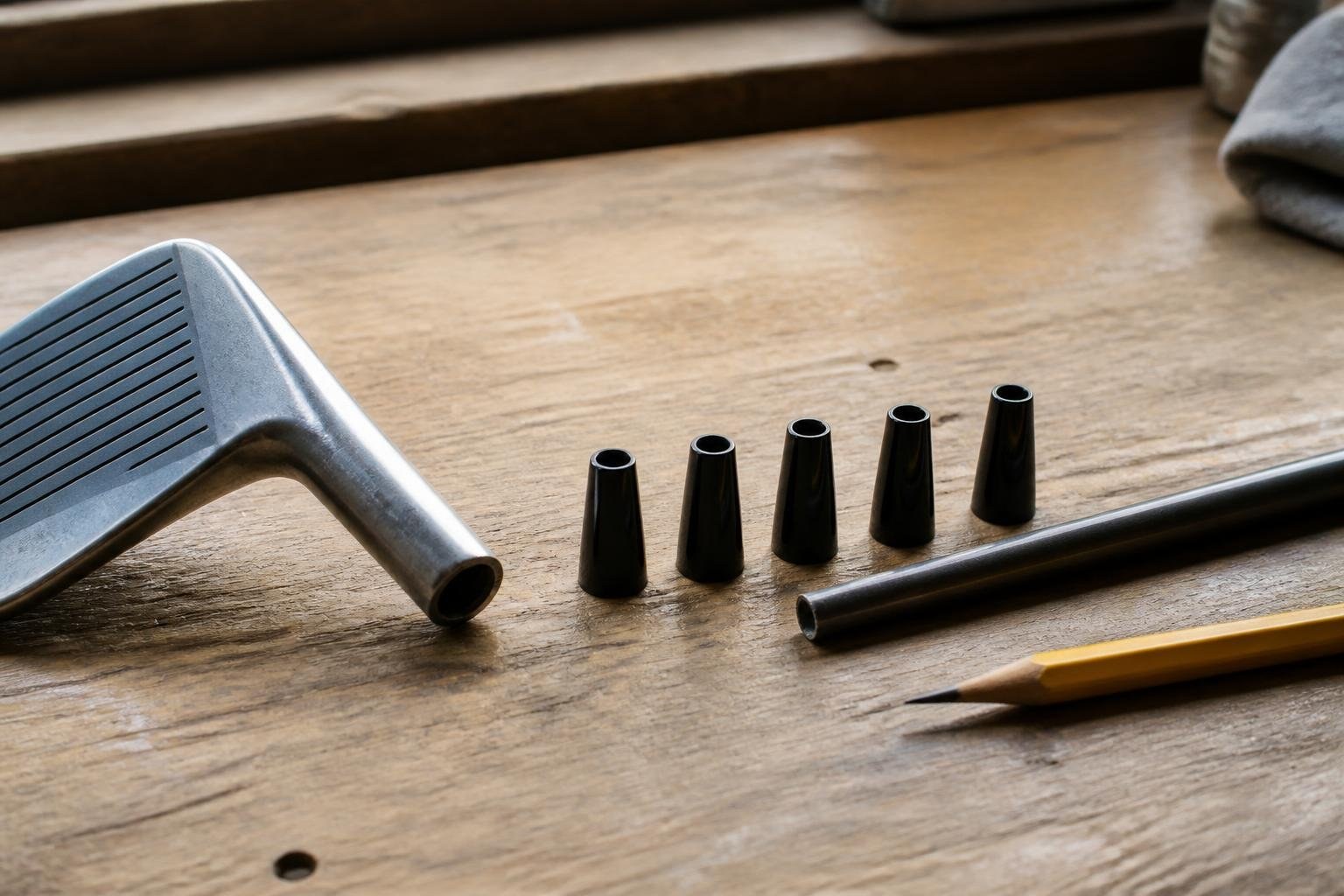
A ferrule is not something to swap by sliding on a new one while the shaft is installed. A ferrule slides on from the tip end before the shaft goes into the head, so replacing one properly usually means removing the shaft. That is why ferrules are most often replaced when a shaft is already being pulled and reinstalled.
If the shaft is coming out for another reason, replacing the ferrule is standard practice because the old one is often damaged during removal. Our post on reusing a pulled graphite shaft explains what a builder checks before a shaft goes back into service.
Removing a shaft means heating the hosel to soften the epoxy and twisting the shaft free. Too much heat or force can damage the head, the hosel, or the shaft, which is why this is a job for someone with the right equipment and patience. A ferrule is not worth that risk by itself unless it is accompanied by a real reason to pull the shaft.
Ferrules are sized to the shaft’s outer diameter and the hosel’s outer diameter. Using one that is too small fights the hosel, and one that is too large leaves a gap. Builders match the ferrule to the specific shaft and head, and many have a preference for color and finish.
For a custom build, ferrule color is a small way to personalize the club. White, black, and metallic finishes are common. It has no effect on performance, so pick what you like.
Drivers and many fairway woods use an adapter, a small sleeve that attaches to the shaft tip and screws into the head. The adapter looks like a ferrule from the outside but is a very different part: it carries load and holds the shaft to the head. A cracked or loose adapter is a performance and safety matter, unlike a cosmetic ferrule. Treat the two as separate topics.
Ferrules rarely need maintenance, but a few habits keep them looking good. Wipe the shaft and ferrule with a damp cloth after a round instead of using harsh solvents, which can dull or soften plastic. Avoid leaving clubs in a hot trunk for long stretches, since heat can weaken the epoxy bond at the hosel. Our guide to easy ways to care for your golf shafts covers the rest of routine care.
Keep head covers on woods and hybrids, and avoid letting clubs knock together in the bag, because a ferrule is one of the first things to chip. If a ferrule is merely scuffed, it is fine to leave it alone.
When you order a build or a reshaft, ask three questions: which ferrule will be used, whether it will be trimmed flush with the hosel, and whether it will be replaced if the shaft is ever pulled again. Those answers tell you how careful the finishing will be.
You do not need tools to check a ferrule. Hold the club by the head and look at the ring from several angles in good light. Run a fingernail lightly around the edge to feel for a lip or a rough spot. Press the ring gently toward the hosel and see whether it moves. Then hold the head and twist the grip a little to make sure the shaft itself is not turning.
If everything is solid and the ring is only scuffed, leave it alone. If the ring moves, or the shaft turns, set the club aside and have it looked at.
On a traditionally installed shaft, the ferrule is slid on before the shaft goes in, so replacing it usually means pulling the shaft. We recommend a builder handle it.
Not directly, since a ferrule is a cosmetic trim piece. A missing ferrule can leave the hosel and epoxy edge exposed, which is worth having a builder look at.
A gap can come from age, heat, an uneven original installation, or movement in the shaft. Check whether the shaft is loose before you assume it is cosmetic.
Most modern drivers use an adapter sleeve rather than a ferrule. The sleeve is a functional part and should be treated as one.
If you are considering a reshaft or a new build, our custom shaft service covers the build details, including finishing questions like this, and you can browse the shaft collection for options. Questions? See our FAQs or call 1-800-380-7901. For the formal standard on how a shaft must be attached to the clubhead, see the R&A equipment rules on club conformance.
Written by Patrick Greene|Golf shaft specialist with 15+ years in

Written by Patrick Greene|Golf shaft specialist with 15+ years in

Free golf guide · 26 pages
How to Teach Your Wife Golf (And Live to Talk About It)
A funny, practical guide to better golf and fewer arguments: setup, swing, short game, putting and what not to say on the course.
Get the free guide