
How Custom Golf Shafts Enhance Distance and Accuracy
Written by Patrick Greene|Golf shaft specialist with 15+ years in

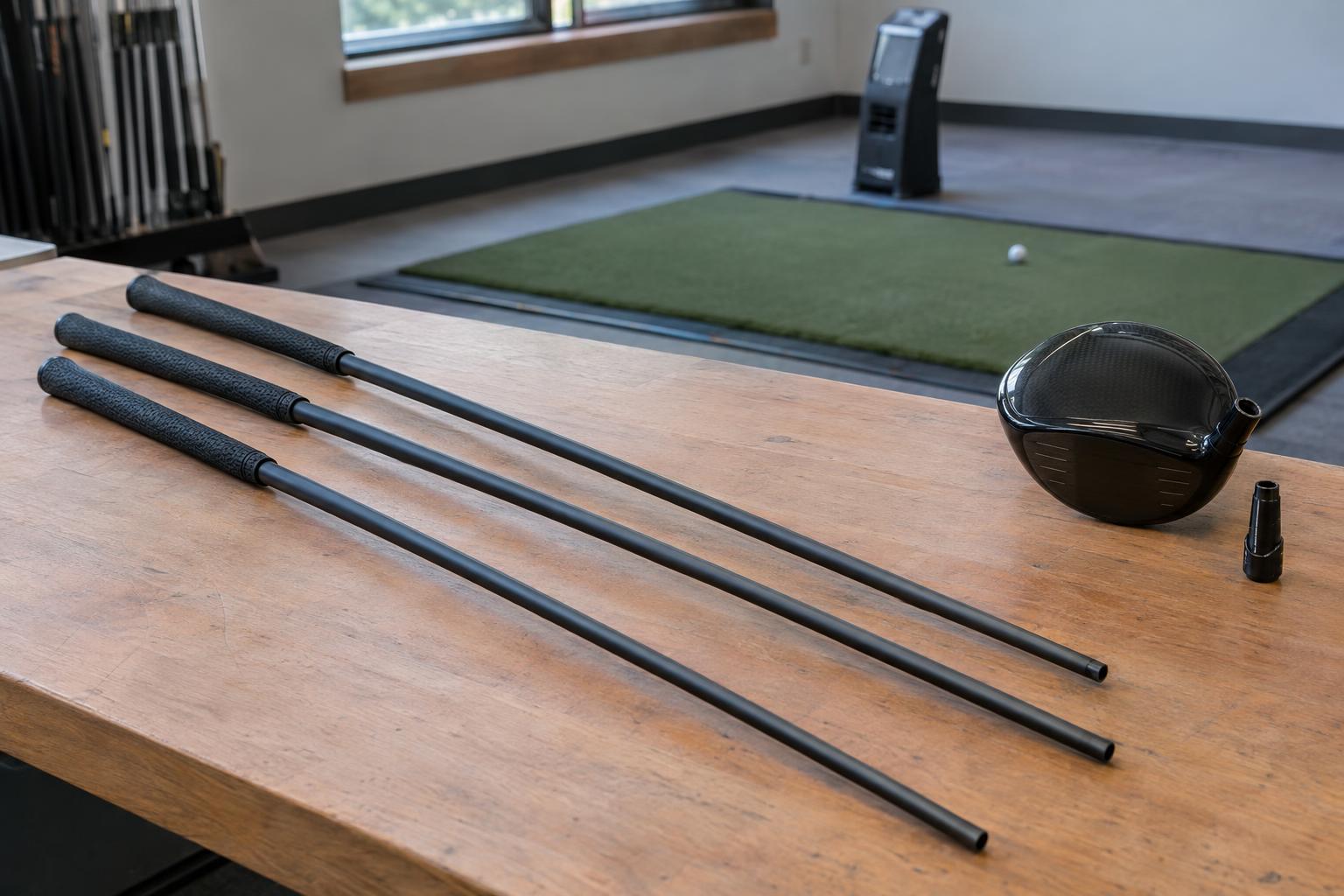
Two golfers have called us this year with the same question: which shaft would work for someone who plays an AutoFlex 405? It is a fair thing to ask. The AutoFlex SF405 is a very light driver shaft, and if you like how it plays but want something a local fitter can build, test and service, the choice is not obvious from a catalog page. This guide lays out the AutoFlex SF405 alternatives we actually build, how they compare on the numbers each maker publishes, and how to decide without guessing.
One thing up front: we do not sell AutoFlex shafts, and nothing here says an SF405 is a bad fit. If yours suits your swing, keep it. If you are shopping for a replacement, a second driver or a fairway wood that feels similar, read on.
AutoFlex publishes weight, frequency and a swing-speed range for each model on its shaft specs page. For the Original driver line, the SF405 is listed at 45 grams, 190 CPM and swing speeds of 85 to 100 mph. It sits second-lightest in a five-step range:
| AutoFlex Original driver model | Weight | Frequency | Listed swing speed |
|---|---|---|---|
| SF305X | 41 g | 170 CPM | 70 to 90 mph |
| SF405 | 45 g | 190 CPM | 85 to 100 mph |
| SF505 | 50 g | 210 CPM | 95 to 105 mph |
| SF505X | 55 g | 215 CPM | 100 to 110 mph |
| SF505XX | 57 g | 220 CPM | 110 to 120 mph |
Two details matter when you go looking for a match. First, “SF405” is not a single spec across the AutoFlex lineup. The maker lists different numbers for the SF405 in its Dream 7 and Joy 365 versions (46 grams for 80 to 95 mph, and 45 grams for 85 to 95 mph), so check which version you own before you compare. Second, AutoFlex does not publish torque, kick point or a launch rating for these shafts. That means no one can honestly promise a torque match or a launch match on paper. What you can compare is published weight, then test feel and ball flight in a fitting.
The maker also notes in its FAQ that golfers swinging 110 mph or faster should not swing the SF305X or SF405 hard, because the shaft can bend and break. If your speed has climbed since you bought it, that alone is a reason to look at a different weight class.
The reasons we hear are practical ones:
None of these is a knock on the shaft. They are the same questions you would ask about any premium driver shaft.
A shaft “like an SF405” starts with weight. Staying within a few grams of 45 keeps the overall club weight and swing weight close to what you are used to. Next comes torque: across the shafts in this post, the lightest options also carry the highest published torque. Then launch and spin, which each maker rates on its own scale.
Do not assume lighter always means longer. Tim Briand of True Spec Golf told Golf.com that lighter shafts tend to launch higher and spin more, and that shaft weight changes swing speed less than many golfers expect. That is why we suggest testing a light option in the 45 to 48 gram range against something closer to 55 to 60 grams, then comparing carry, total distance and how tight your misses are. Our golf shaft fitting chart by swing speed and the guide to how shaft weight affects swing control walk through those tradeoffs in more detail.
These are the lightest options we currently offer in each shaft, with the weight and torque each maker publishes. The AutoFlex row is the benchmark, listed as AutoFlex publishes it.
| Shaft (lightest option we offer) | Weight | Torque | Launch / spin | vs SF405 |
|---|---|---|---|---|
| AutoFlex SF405, Original driver (benchmark; we do not sell it) | 45 g | Not published | Not published | n/a |
| Fujikura Air Speeder 35 R3 | 46 g* | 8.0° | High / High | +1 g |
| Mitsubishi TENSEI 1K Red (2026) 45 R3 | 46 g | 6.8° | High / High | +1 g |
| Aldila Rogue Red 40 R2 | 47 g | 7.0° | Higher launch (our listing) | +2 g |
| Fujikura Speeder NX Violet 40 R2 | 48 g | 5.7° | Mid/High / Mid/High | +3 g |
Specs come from each maker’s published tables: Fujikura, Mitsubishi Chemical and Aldila, as listed on October 30, 2026. Flex labels are not standardized between brands, so an R3 or R2 here is a starting point for a test, not a direct swap for an AutoFlex model. *Air Speeder weights are from Fujikura’s Air Speeder product page; Fujikura’s separate spec chart lists different figures, so we confirm the exact weight of the shaft you order.

The Air Speeder is where we usually start a test for golfers who want a light, soft-feeling driver shaft. Fujikura rates it high launch and high spin, and its torque is the highest in this group at 8.0 degrees in the R3 and R2 flexes. We offer it in 35 R3 (46 grams) and in 40 R2, R and S (48.5 to 50.5 grams), so you can step up a few grams without leaving the family. If you tend to launch the ball low or need help getting it in the air, it may be a natural first test.
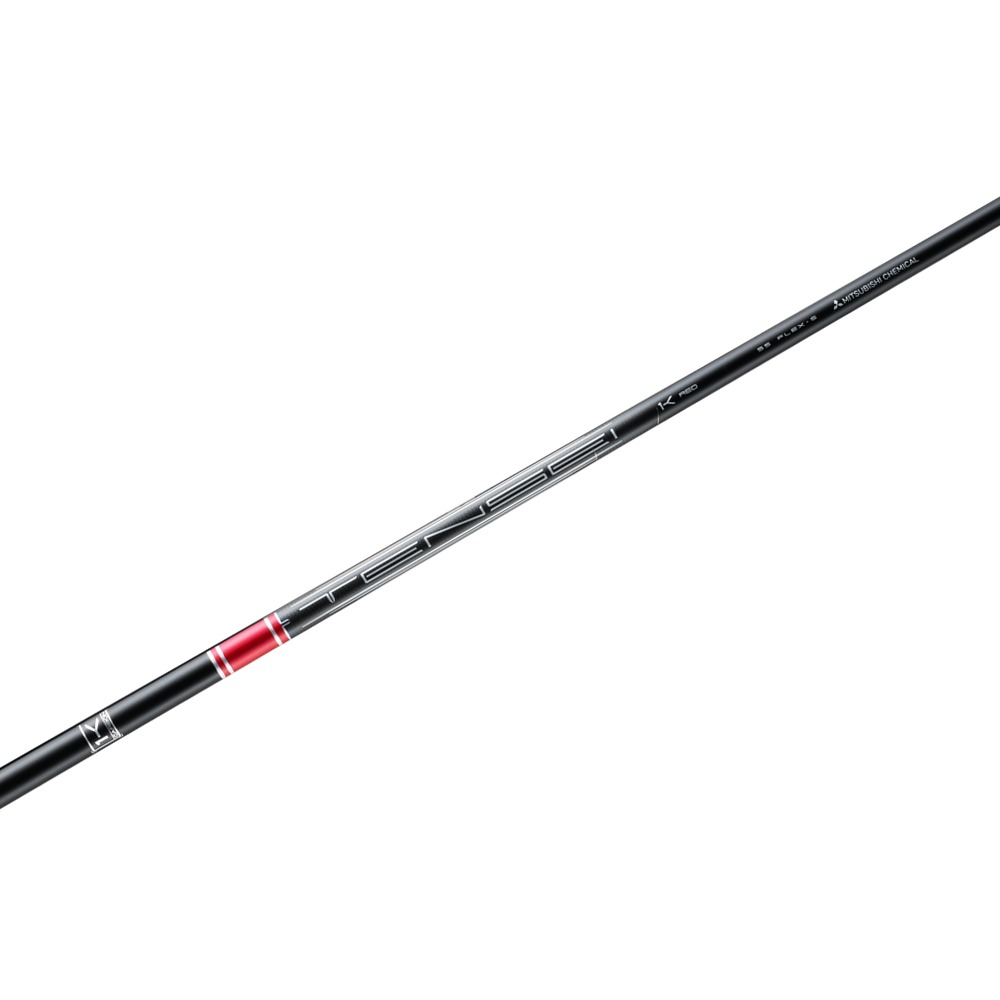
Mitsubishi describes the 1K Red as the lightest, highest-launching member of the TENSEI 1K family. The 45 R3 weighs 46 grams with 6.8 degrees of torque, so it lands within a gram of the SF405 by weight with less torque than the Air Speeder. It makes a good second test next to the Air Speeder.
The Rogue Red 40 R2 comes in at 47 grams with 7.0 degrees of torque, and we list the Rogue Red as a higher-launch, smooth-feeling build. It gives you a light build from a maker many fitters already know, with heavier 50 R and 60 S options if your testing points that way.
The NX Violet 40 R2 weighs 48 grams with 5.7 degrees of torque and a mid-high launch rating. It has the lowest torque of the light options here, which makes it a useful comparison if you like the light weight of an SF405 but want to see whether a little less torque tightens your misses.
Some golfers who come off an ultralight shaft find their misses tighten up with a few more grams and less torque. Two options we build fit that test:
If you are not sure where your speed and tempo fall, our guide on choosing a golf shaft for your swing speed and the overview of lightweight shafts for senior golfers are good next reads, along with how to find the right flex.
If your SF405 launches well, your misses are predictable and your speed sits inside the maker’s 85 to 100 mph range, there may be nothing to fix. A new shaft is worth it when something has changed: your speed has gone up or down, your ball flight balloons or drops out of the sky, or you want a matching feel in another club. Golfers also ask about other lightweight shafts, such as UST Mamiya’s Helium line, which is not something we build. We would rather tell you that than steer you toward a shaft that does not fit.
Spec tables narrow the field, but a test in your own head with your own swing decides it. Patrick has more than 15 years in the golf equipment industry, and our fittings use a launch monitor so you can compare launch, spin and distance side by side. Local golfers in Cape Coral, Fort Myers, North Fort Myers, Estero, Bonita Springs and Naples can book a custom shaft fitting by appointment. If you are farther away, try our shaft selector or call us with your current shaft, swing speed and ball flight, and we will talk through the options before you order.
AutoFlex lists the Original SF405 driver shaft for swing speeds of 85 to 100 mph. Its Dream 7 and Joy 365 versions list slightly different ranges, so check which version you have.
By published weight, the Fujikura Air Speeder 35 R3 and the Mitsubishi TENSEI 1K Red (2026) 45 R3 are closest at 46 grams each. The Air Speeder has the higher torque of the two; the TENSEI 1K Red has a little less.
No one can match those on paper, because AutoFlex does not publish torque, kick point or a launch rating. We start from weight, then compare feel and ball flight in a fitting.
Not for everyone. Lighter shafts tend to launch higher and spin more, which helps some golfers and hurts others. Testing a 45 to 48 gram option against a 55 to 60 gram option is the quickest way to find out which side you are on.
No. We build the shafts listed in this guide, and we are happy to help you compare your current AutoFlex numbers against them.
Ready to find your match? Call us at 1-800-380-7901 or book a fitting, and we will help you test the options side by side before you buy.
AutoFlex and SF405 are trademarks of their owner. Bogey Buster Golf Shafts is not affiliated with, sponsored by or endorsed by AutoFlex or DUMINA Golf, and does not sell AutoFlex shafts. AutoFlex specifications are as listed on autoflex.us on October 30, 2026; other specifications are from each maker’s published tables on the same date.
Also Read: Factors to Consider When Replacing Your Golf Shafts
Written by Patrick Greene|Golf shaft specialist with 15+ years in

Written by Patrick Greene|Golf shaft specialist with 15+ years in

Free golf guide · 26 pages
How to Teach Your Wife Golf (And Live to Talk About It)
A funny, practical guide to better golf and fewer arguments: setup, swing, short game, putting and what not to say on the course.
Get the free guide