
How Custom Golf Shafts Enhance Distance and Accuracy
Written by Patrick Greene|Golf shaft specialist with 15+ years in

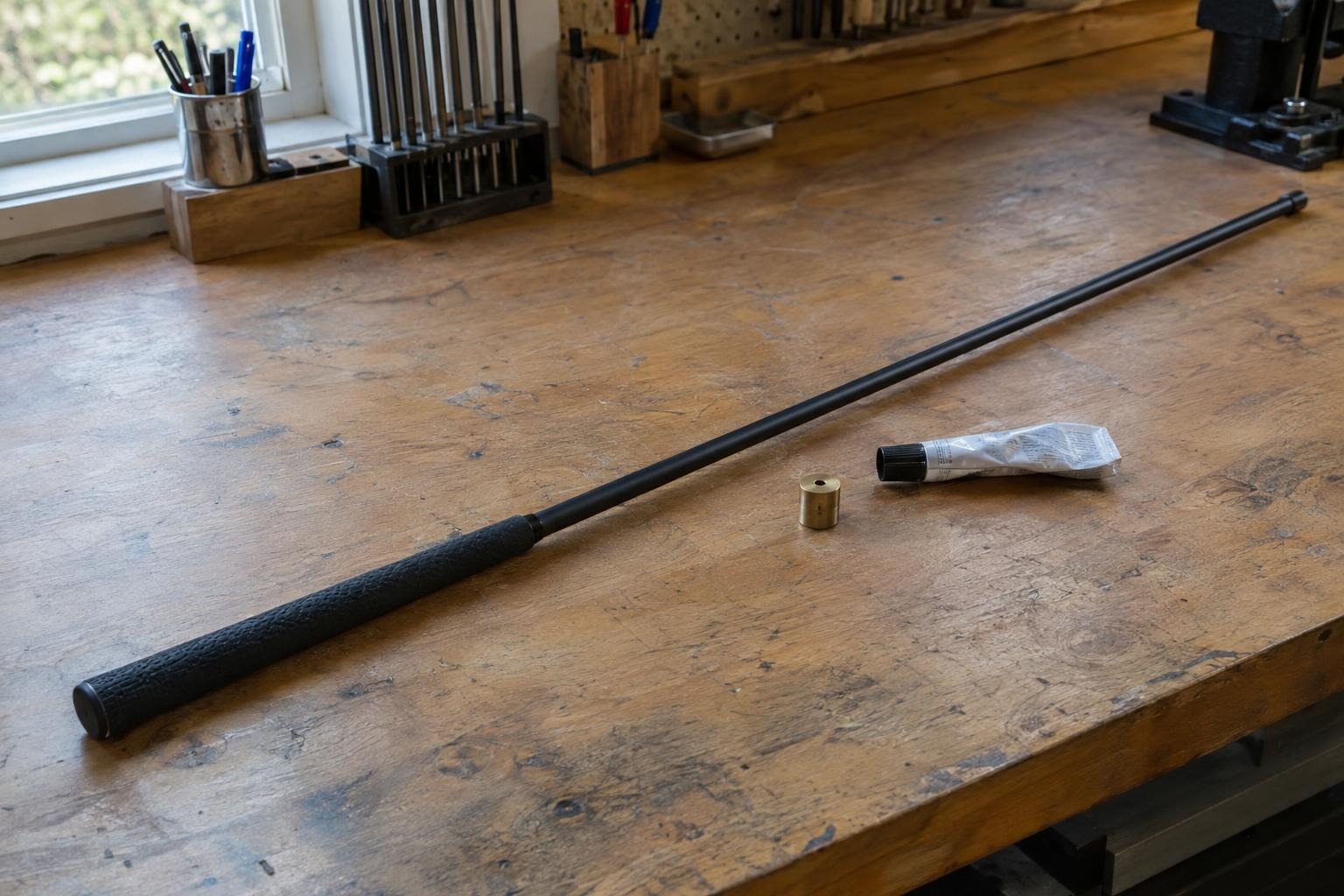
The Mitsubishi Kai’li White CB is one of two counterbalanced shafts in the Dark Waves lineup, and the pair is easy to mix up. The names are close, the builds share a lot of DNA, and the label colors are the main thing you see on the rack. The real difference is how each shaft is meant to launch and spin the ball. If you are weighing the Kai’li White CB against its Red sibling for a driver or fairway wood, this guide walks through who each one is aimed at and how to sort out which belongs in your bag.
It is the same conversation we have with golfers who call us before ordering. Patrick builds these shafts to order, so we would rather you pick the right profile now than reshaft later.
The Kai’li Dark Waves White CB is a graphite wood shaft for drivers and fairway woods. The maker describes it as the low-launch, low-spin side of the counterbalanced Dark Waves pair, built for stronger swings that want to pull spin off the ball and flatten out a ballooning flight. It is described as the first counterbalanced shaft in the Kai’li family.
Two material details show up on the product page. The shaft uses MR70 carbon fiber, which the maker says delivers structural stiffness and torsional stability for aggressive players. The tip section uses a Super Low Resin Content prepreg, which the maker describes as protecting feel and durability. You can see the full listing on our Kai’li Dark Waves White CB product page.
CB stands for counterbalanced. A counterbalanced shaft moves extra material toward the handle end, which adds weight under your hands and shifts the balance point of the finished club toward the grip. The maker says this lets the head move faster while the added mass settles the transition.
What you notice on the course is mostly a change in feel. The head can feel lighter in your hands at the same total weight, and some golfers say that makes it easier to sense where the club is in transition. That is a feel preference, not a promise of extra speed, so treat it as something to test. We explain the idea in more detail in our guide on who benefits from counterbalanced golf shafts.
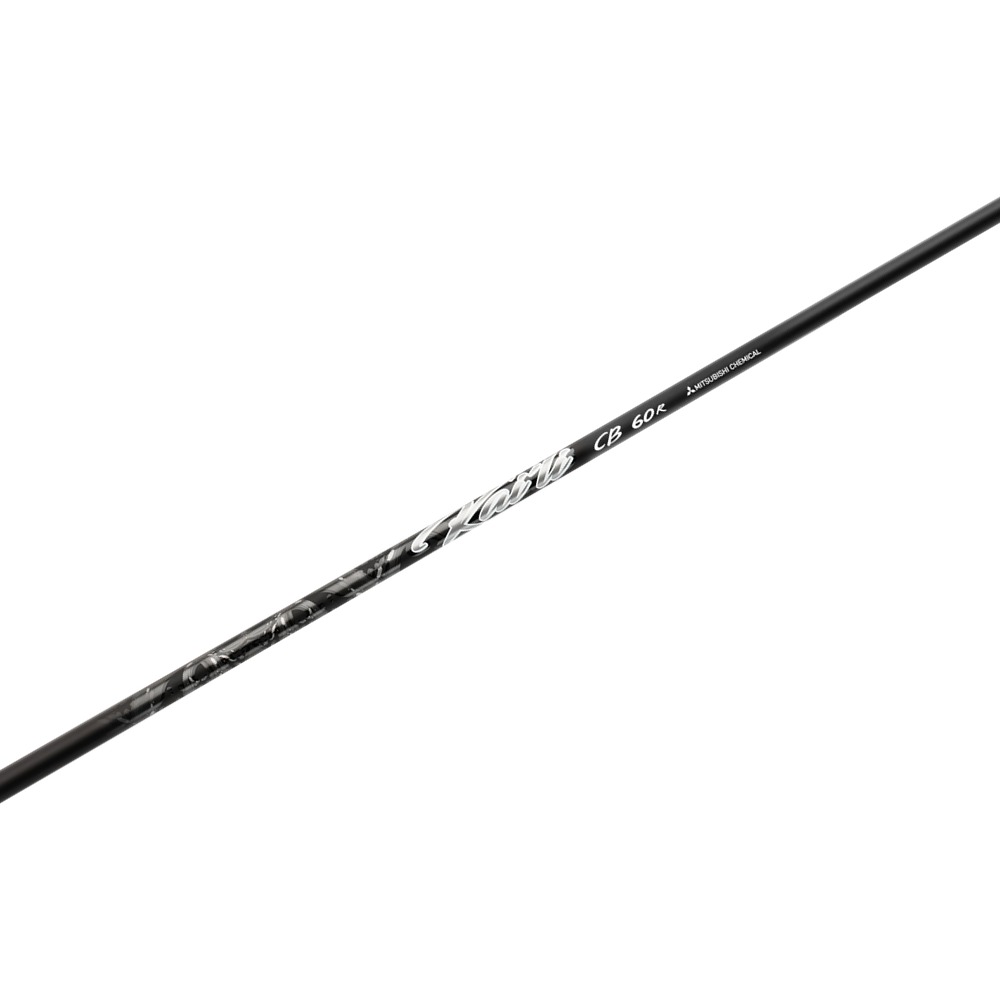
Both shafts share the counterbalanced concept, MR70 carbon fiber, and the Super Low Resin Content tip. What separates them is the flight each is built to produce:
Think of it as one family with two settings. The Kai’li Dark Waves Red CB leans toward height and carry. The White leans toward a penetrating, controlled window. Neither is better in the abstract. The better one is the one that matches the ball flight your head and swing already produce.
Based on how the maker describes the shaft, the White CB tends to suit golfers who check several of these boxes:
We would not call it a fit for everyone with a fast swing. Speed is only part of the picture. A golfer who already launches low and spins the ball very little may find the White too low for their needs, even with a high swing speed. Your starting numbers matter more than the label.
The Red CB makes more sense when the problem is the opposite one. Consider it if you fight a low ball flight, struggle to carry the ball as far as you would like, or want help with a fairway wood that will not get airborne from the turf. The maker describes the Red as the choice for players who want easier carry without chasing spin.
Neither shaft will fix a swing flaw. They shape how the club responds to the swing you already have.
The weight series and flex options are listed on each product page, so you can see what is offered before you order.
The overlap is smaller than you might expect. A golfer who needs an X-flex or a heavier 70 series shaft will find those options on the White. A golfer who wants a lighter 50 series shaft or a softer R3 or R2 will find them on the Red. That alone can narrow the decision before you test anything.
If you can, hit both in the same head. Keep the loft, length, and grip the same, and swap only the shaft. A few habits make the comparison useful:
If a launch monitor is not an option right away, our shaft selector is a good way to narrow the list, and our counterbalanced driver shaft fitting guide covers what to look for during a session. Custom fitting by appointment is available locally in Cape Coral, Fort Myers, North Fort Myers, Estero, Bonita Springs, and Naples, and the online store ships nationwide.
Every Kai’li White CB is built to your spec: your adapter, tipping, and grip, with the build handled by Patrick. Custom builds take up to 10 to 12 business days. Whichever shaft you choose, the finished club still has to conform to the R&A rules of equipment if you play in rules-governed events. If you want to talk through adapters, lengths, and options for your head, our custom shaft service is the place to start.
The maker positions it for stronger swings, but speed is not the only factor. The White is a lower-launch, lower-spin profile, so it tends to suit golfers who want to reduce height and spin. A golfer who already launches low may do better with a different shaft.
CB means counterbalanced. Extra material sits toward the handle end, which moves the balance point of the finished club toward the grip and changes the feel of the head.
Yes. The product page lists driver as well as 3, 5, 7, and 9 wood options for the build. Because fairway woods launch differently than drivers, a test in the actual head is worth the time.
Look at your current ball flight. If it balloons or spins too much, the White is worth a test. If it launches low and struggles to carry, look at the Red. A side-by-side test in the same head is the most reliable answer.
If you would like help choosing, check our FAQs or call 1-800-380-7901 and we will talk through your swing and your head before you order.
Also Read: Ventus TR vs Original Ventus: Is the Upgrade Worth It?
Written by Patrick Greene|Golf shaft specialist with 15+ years in

Written by Patrick Greene|Golf shaft specialist with 15+ years in

Free golf guide · 26 pages
How to Teach Your Wife Golf (And Live to Talk About It)
A funny, practical guide to better golf and fewer arguments: setup, swing, short game, putting and what not to say on the course.
Get the free guide