
How Custom Golf Shafts Enhance Distance and Accuracy
Written by Patrick Greene|Golf shaft specialist with 15+ years in

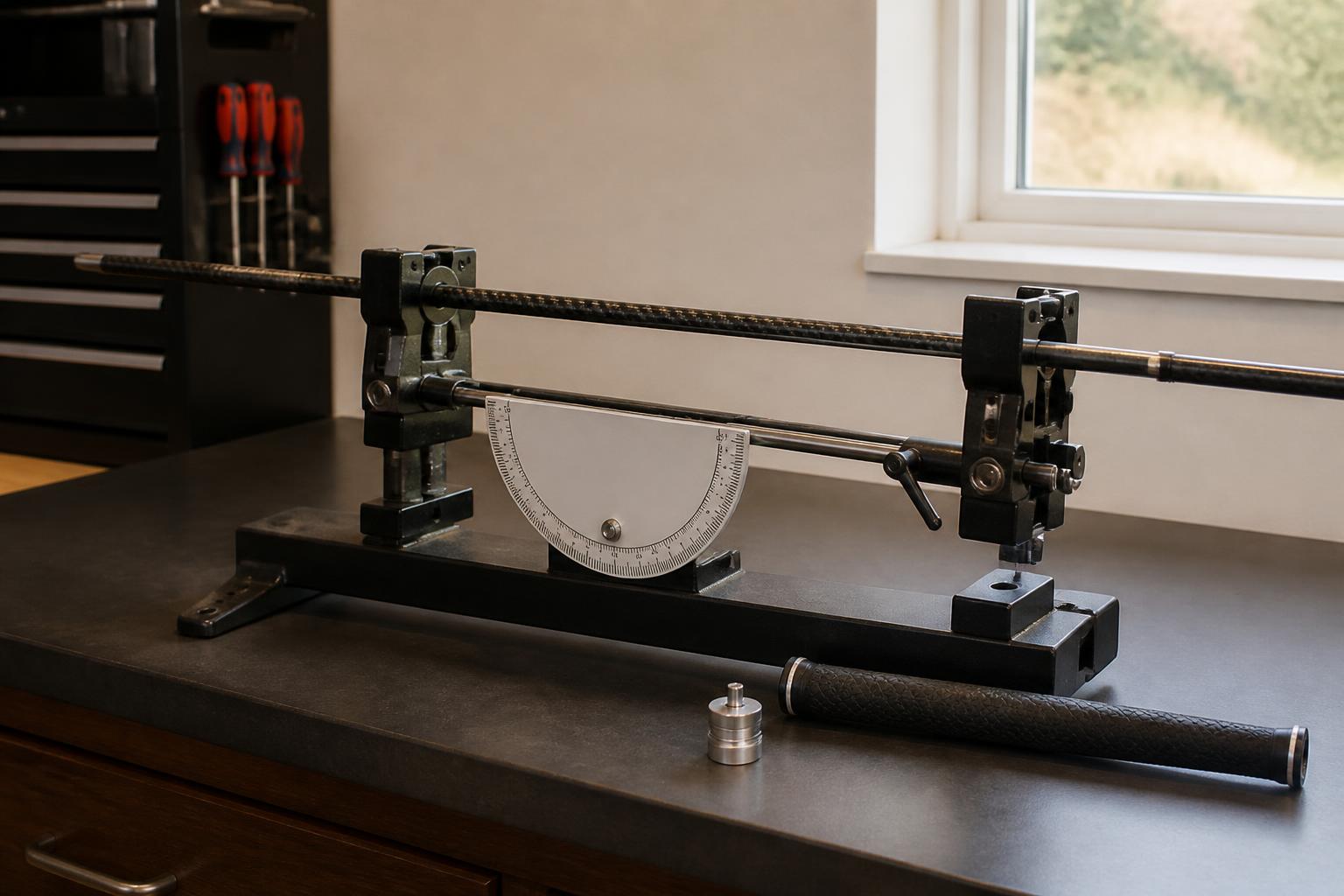
Every few weeks someone drops a driver on my bench and asks whether a counterbalanced golf shaft will fix a swing that feels heavy in the head or a putter that keeps drifting offline. It is one of the most misunderstood terms in fitting, partly because the marketing makes it sound like a cure-all. It is not a cure-all, but for the right player it changes how a club feels and behaves in a way nothing else quite matches. I am Patrick Greene, and I build and fit shafts for a living, so let me walk you through what counterbalancing actually does and, more importantly, who gains from it.
Counterbalancing means adding weight toward the butt end of the shaft, up under the grip, rather than distributing mass evenly or concentrating it near the tip. Some shafts are engineered that way from the factory with a heavier butt section. Others get counterweighted after the fact with a weight plug installed inside the grip end. Either path moves the club’s balance point higher, closer to your hands and farther from the clubhead.
That single change ripples through everything. When you shift mass toward the grip, you lower the effective swingweight, which is the head-heavy feel measured on a swingweight scale. At the same time, the total weight of the club goes up, because you have added the counterweight without taking any mass out of the head. In plain terms, the head feels lighter through the swing, while the added overall mass makes the club feel more stable and a touch more resistant to being whipped around.
People confuse those two ideas constantly. A lighter head feel and a steadier, more stable club sound contradictory, but they happen together with counterbalancing because you are relocating and adding mass, not just trimming it from the head. That relationship is the whole reason the technique exists.
For a practical illustration of how weight added at the butt end changes club balance, review The GolfWorks counterbalancing system guide.
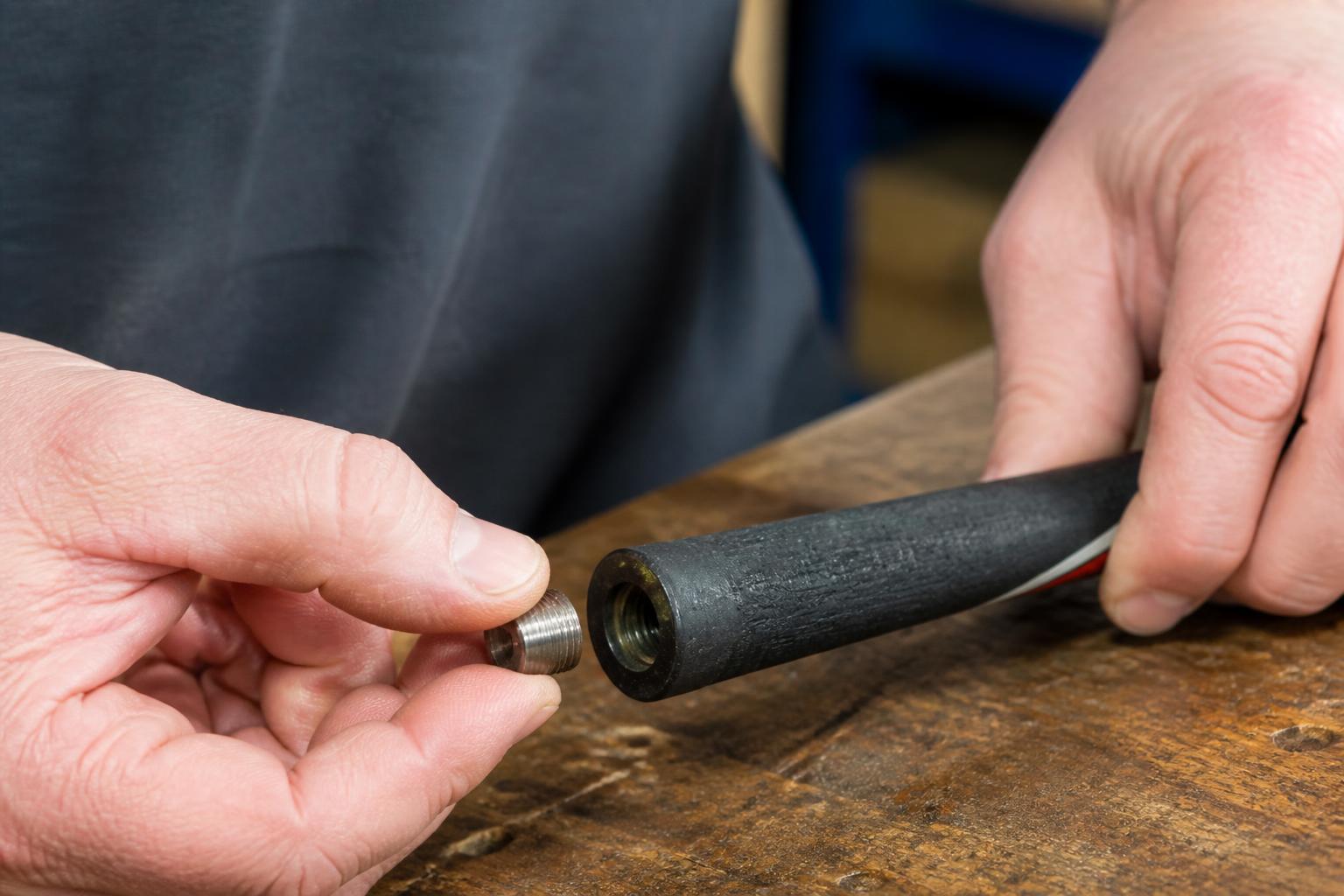
On the bench I can predict the report card fairly well once I know a player’s tempo and build length. Here is what raising the balance point tends to do:
The trade-off is real too. Drop the swingweight too far and a player can lose the sense of where the head is, which hurts tempo players who actually rely on feeling the head load the shaft. Fitting is about finding the point where the club feels light and stable without going numb.
This is the part that matters. A counterbalanced golf shaft is not for everyone, and I turn people away from it just as often as I recommend it. Here are the players I consistently see improve.
If your transition is quick and forceful, a head-heavy setup encourages an even earlier release and a face that lags open or slams shut. Moving mass up under the grip settles that down. The head quits fighting you, and the timing smooths out. This is the single most common profile I fit into counterbalanced builds.
Every inch you add to a club raises its swingweight noticeably, roughly six swingweight points per inch on many builds. A tall player at plus one inch can end up with a driver that swings like a sledgehammer. Counterbalancing pulls that head-heavy feel back into a playable range without forcing you to cut the club short or drop to a whippy lightweight shaft.
Adjustable drivers with movable weights, heavier forged irons, and mallet putters all add mass out at the head. When the head gets heavy, counterweighting the grip end is the cleanest way to restore a balanced feel. This is why so many high-MOI mallet putters ship counterbalanced from the factory: it steadies the stroke and quiets the hands over short putts.
Even at moderate speed, some players simply strike it better when the head feels calmer. If your miss is timing-based rather than mechanical, this is worth testing. That said, a smooth, slow-tempo player who loves feeling the head load will often hate a heavily counterbalanced setup. Feel is personal, which is exactly why I test it rather than assume it.

Plenty of golfers walk in convinced they need counterbalancing when the real problem is shaft weight, flex, or length. If you already have a smooth tempo and good contact, and you rely on feeling the head to time your release, adding butt weight can wash out the feedback you depend on. Slower swing speeds frequently do better with a lighter overall build than with a relocated balance point. And no amount of counterweighting fixes a shaft that is simply the wrong flex or profile for your delivery. That is a different conversation, and often a different shaft entirely, which is where our shaft selector helps narrow the field before we ever touch a weight plug.
Counterbalancing is precise work, not guesswork. On the bench I start from your current swingweight and balance point, then test in controlled steps rather than jumping straight to a heavy plug. My rough process looks like this:
Consistency across a set matters too. If we counterbalance the driver but leave the irons untouched, the transitions between clubs can feel disjointed. Sometimes the right answer is a matched approach; sometimes it is one club only. That decision comes out of testing, and it is a big reason I prefer building custom shafts to your exact spec rather than handing you an off-the-rack assumption.
Not directly. It relocates mass to improve feel and stability, which can help a fast-tempo player deliver the face more consistently. Any distance gain usually comes from cleaner, more repeatable contact rather than from the counterweighting itself.
A heavier shaft raises total weight fairly evenly and often keeps the head feel similar. Counterbalancing concentrates the added weight at the butt end, which lowers swingweight while raising the club’s total weight. You can feel lighter in the head while the club as a whole feels more stable, which a uniformly heavier shaft will not do.
Often yes, using a weight plug installed under the grip. That said, adding weight changes swingweight, balance point, and overall feel all at once, so it is worth measuring before and after rather than guessing. A quick bench session tells us whether your club is a good candidate or whether the real fix is length or flex.
No. It shows up most visibly in high-MOI mallet putters, where it steadies the stroke, and it is common in drivers and long irons for players with heavy heads or long builds. The principle is the same across the bag: move mass toward the hands to calm a head-heavy feel.
Feel is individual, so the honest answer is that you test it. If your misses are timing-based, your tempo runs fast, or your build is long, you are a strong candidate. A short fitting session with a launch monitor removes the guesswork and shows whether the numbers back up the feel.
If any of this sounds like your swing, do not buy a weight kit on a hunch and hope. Let us measure your current build, test counterbalancing in controlled steps, and match it to your tempo and length. Start a conversation about a custom shafts build with us and we will find the balance point that actually makes your club feel right in your hands.
Also Read: Graphite vs. Steel Shafts: Which is Right for You?
Written by Patrick Greene|Golf shaft specialist with 15+ years in

Written by Patrick Greene|Golf shaft specialist with 15+ years in

Free golf guide · 26 pages
How to Teach Your Wife Golf (And Live to Talk About It)
A funny, practical guide to better golf and fewer arguments: setup, swing, short game, putting and what not to say on the course.
Get the free guide