
How Custom Golf Shafts Enhance Distance and Accuracy
Written by Patrick Greene|Golf shaft specialist with 15+ years in

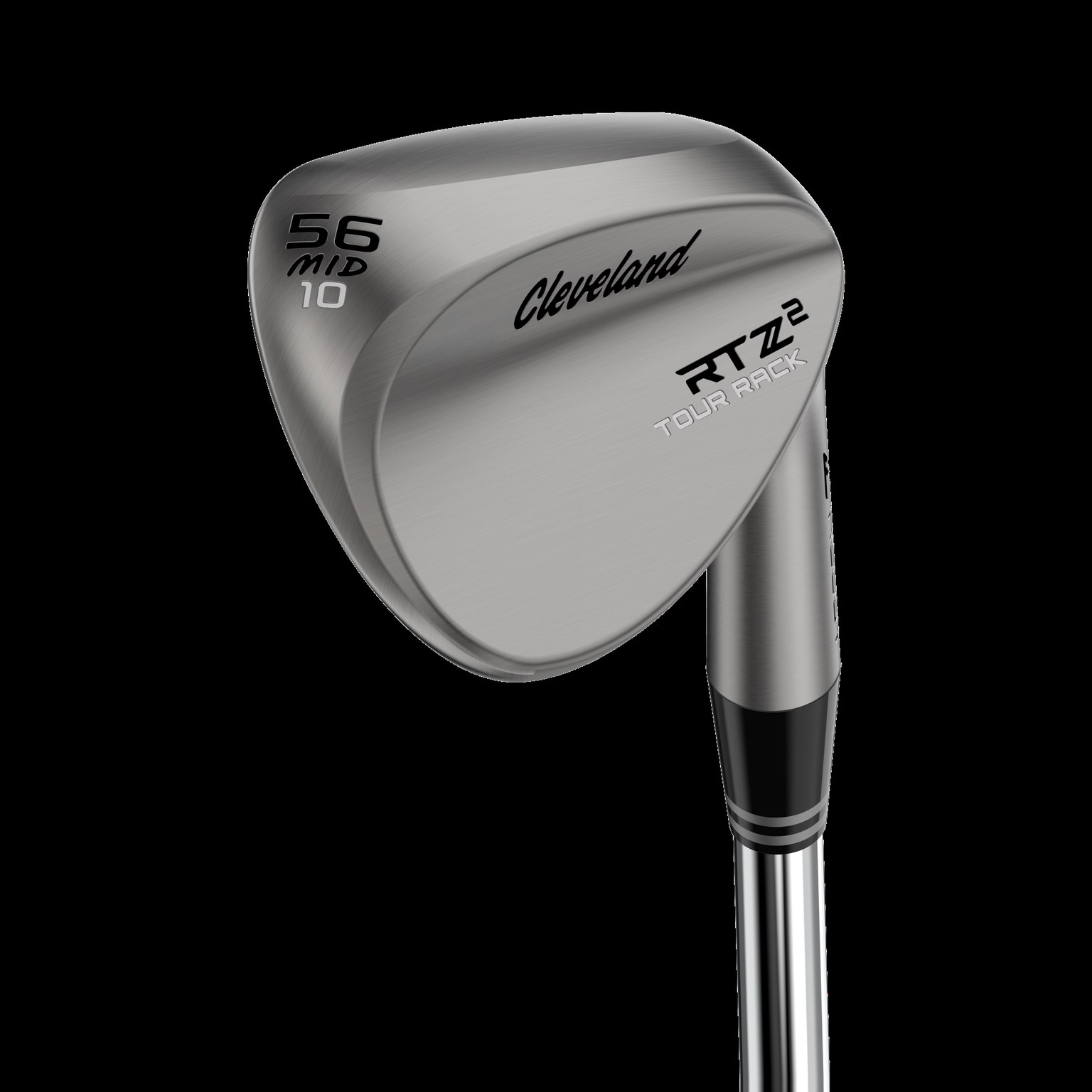
Most golfers pick their iron flex with care and then barely think about wedge flex. The wedges just show up with whatever shaft the set or the head came with. That is understandable, but wedges are the clubs you use for the widest range of shots, from full swings to little chips, so the flex deserves a real decision.
This post is about that decision: what flex actually means in a wedge, how it relates to your irons, and how to choose between the wedge shafts on our site. If you want the bigger question of matching versus mixing, we cover it in should wedge shafts match your iron shafts, and weight has its own guide in wedge shaft weight and feel.
Flex describes how much a shaft bends under load. A softer flex bends more, a stiffer flex bends less, and the right one lets you deliver the face where you intend without fighting the club.
In a wedge, that bend plays out differently than in a driver. The swings are shorter, slower, and more varied, so many shots never load the shaft the way a full 7-iron does. What you are looking for is a shaft that feels predictable at three speeds, not one.
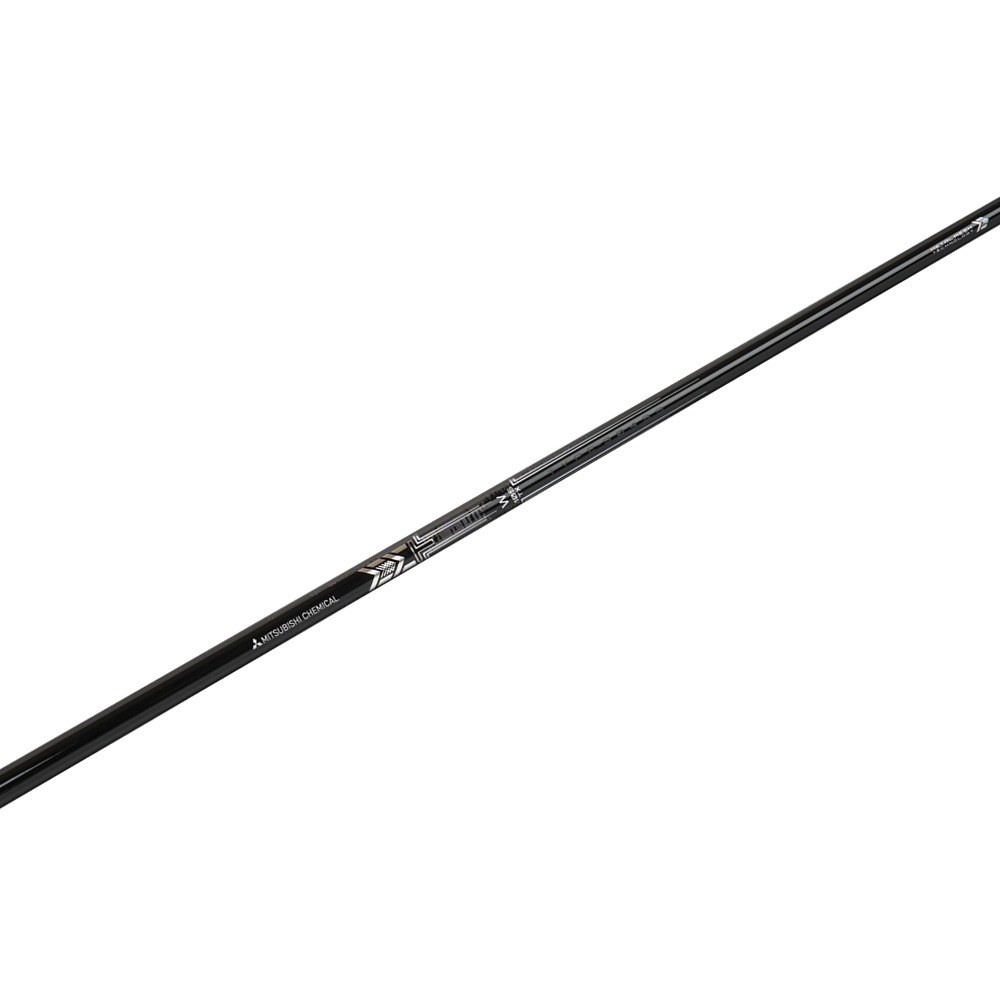
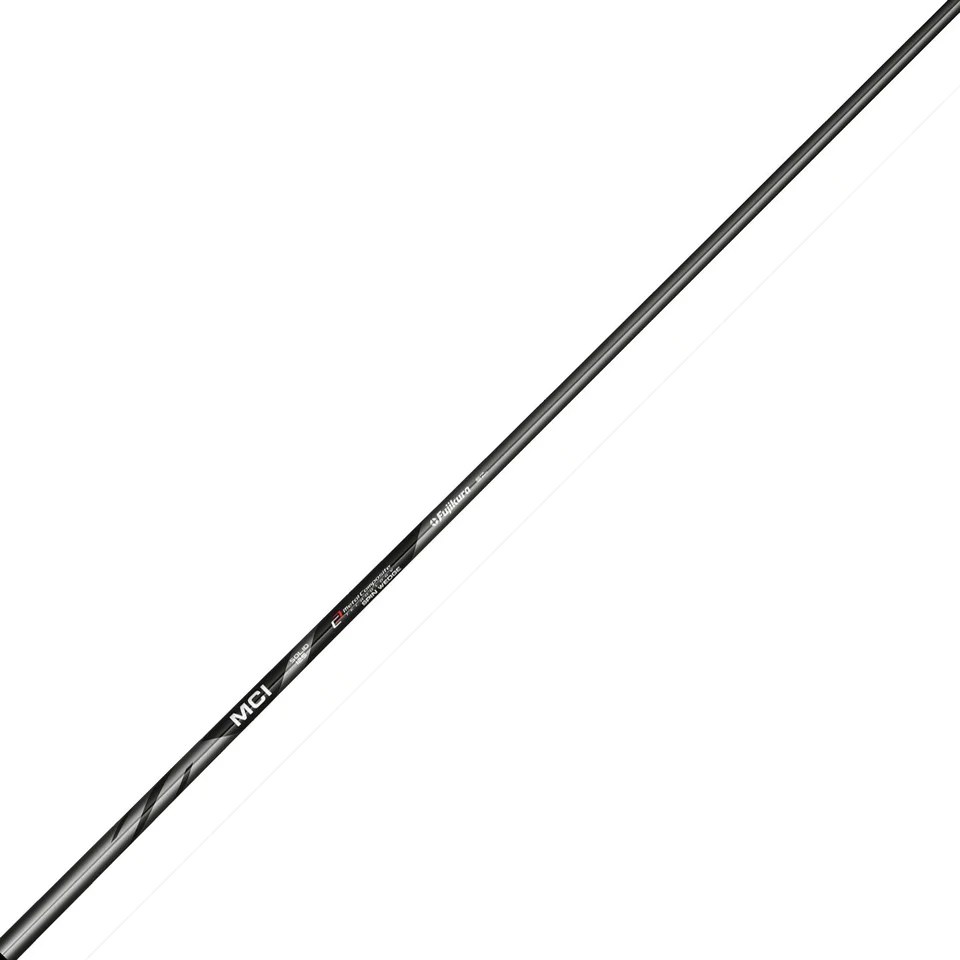
If you shop wedge-specific shafts, you will notice the flex column does not always read like an iron chart. On the Fujikura MCI Wedge Shaft page, the flex for every model is simply listed as “WEDGE.” The models are named by weight and spin character: 105 Solid, 105 Mild, 125 Solid, and 125 Mild. The Mitsubishi MMT Scoring Wedge, by contrast, is listed in a 105 S and a 125 TX.
So the number in the name is a weight class, not a flex, and the letters are not a universal scale. A wedge labeled stiff on one maker’s chart can feel different from a stiff on another’s, which is why we treat any flex label as a starting point rather than a measurement.
Your iron shaft is the best reference you have, so if your irons fit you well in a stiff flex, begin with a firm wedge shaft. Our guide to regular versus stiff iron shafts explains how to tell which side you are on. A full-swing wedge should feel close to your short irons, while sand and lob wedges used for partial shots leave more room to choose by feel.
Because the MCI lists a single WEDGE flex, iron-flex matching does not apply there; you choose weight and spin instead. It only decides between the MMT 105 S and the 125 TX.
It is easy to blur flex and weight together, because heavier shafts tend to feel firmer. They are separate choices. The MCI, for example, is offered in 105 and 125 weight classes, listed at about 108 g and 124 to 125 g, and each weight comes in either spin character. You can change weight without changing the spin behavior, and the reverse.
That is why we treat weight in its own guide. If your wedge shot feels too light in your hands but the shaft does not feel soft, weight is probably the issue, not flex.
Here is the trade-off. A softer-feeling shaft gives more sensation of the head on a delicate chip, but can feel less stable if you swing a full wedge hard. A firmer shaft holds the line on a full swing, but can feel dead on a short pitch.
The best check is your miss. If full wedges balloon or hook left, you may be too soft. If short shots feel harsh and you keep leaving them short or thin, you may be too firm. Our post on ball-flight symptoms that point to the shaft covers those clues in more detail.
A few patterns come up again and again when golfers choose wedge shafts. The first is copying a friend’s wedges. Two players with the same iron number can deliver the wedge very differently, so a shaft that suits one can feel wrong to the other.
The second is assuming stiffer always means more control. A firm shaft helps hold the face on a full swing, but if most of your wedge shots are short, the extra firmness may simply take feel away. The third is changing flex when the real issue is weight or spin. Before you swap shafts, decide which of the three, flex, weight, or spin, is actually bothering you, and change one at a time.
Spin character is a different lever. Fujikura describes the MCI Wedge Shaft as combining the best attributes of steel and graphite in a composite shaft, available in two weights and two spin characteristics. Solid is the higher-spinning option, and Mild is the lower-spinning one.
| Model | Weight | Spin | Launch |
|---|---|---|---|
| Wedge 105 Solid | 108 g | Mid-high | Mid-high |
| Wedge 105 Mild | 108 g | Low-mid | Mid |
| Wedge 125 Solid | 124 g | Mid-high | Mid-high |
| Wedge 125 Mild | 125 g | Low-mid | Mid |
This is useful because the flex conversation often hides a spin question. If your wedges already spin plenty and launch high, Mild may suit you. If you want a higher-spinning, higher-launching wedge, Solid points in that direction.
Golfers who play graphite through the bag sometimes want the wedges to feel as connected as their irons. The Mitsubishi MMT Scoring Wedge is built for that player. According to the product page, it uses MetalMesh Technology, which weaves individually braided strands of 304 stainless steel into the carbon-fiber walls, and it has a mid-launch, mid-spin profile.
It is matched to the MMT iron family so feel and flex stay consistent from the longest iron down to the highest-lofted wedge. It is listed in 105 S and 125 TX. We build each one to your wedge heads, lofts, lengths, and grip.
Pick three shots you hit often: a full wedge, a three-quarter pitch, and a ten-yard chip. Hit ten of each with your current wedge, and write down how the strike felt, how the ball launched, and where it finished. If you can, repeat the test with a second shaft in the same head and loft.
Look for the shaft that is easiest to repeat across all three, not the one that wins one shot. If you want help setting up the comparison, the shaft selector is a good starting point, and for outside background on how Fujikura approaches composite shafts, see Fujikura Golf.
Matching or staying close to your iron flex is a sensible starting point, and sand and lob wedges leave more room to choose based on feel.
That is how the specifications list it. The models are distinguished by weight and by Solid or Mild spin, not by R, S, or X.
It can feel that way on partial shots, but it may feel less stable on full swings. Test both before deciding.
Yes. The MMT Scoring Wedge is a graphite option listed in 105 S and 125 TX, designed to match the MMT iron family.
If you would like a second set of eyes, call 1-800-380-7901 and talk through your wedges with Patrick. There is no pressure, and the shaft selector will give you a starting point first.
Also Read: Understanding Stiff vs. Regular Golf Shafts for Your Swing Speed
Written by Patrick Greene|Golf shaft specialist with 15+ years in

Written by Patrick Greene|Golf shaft specialist with 15+ years in
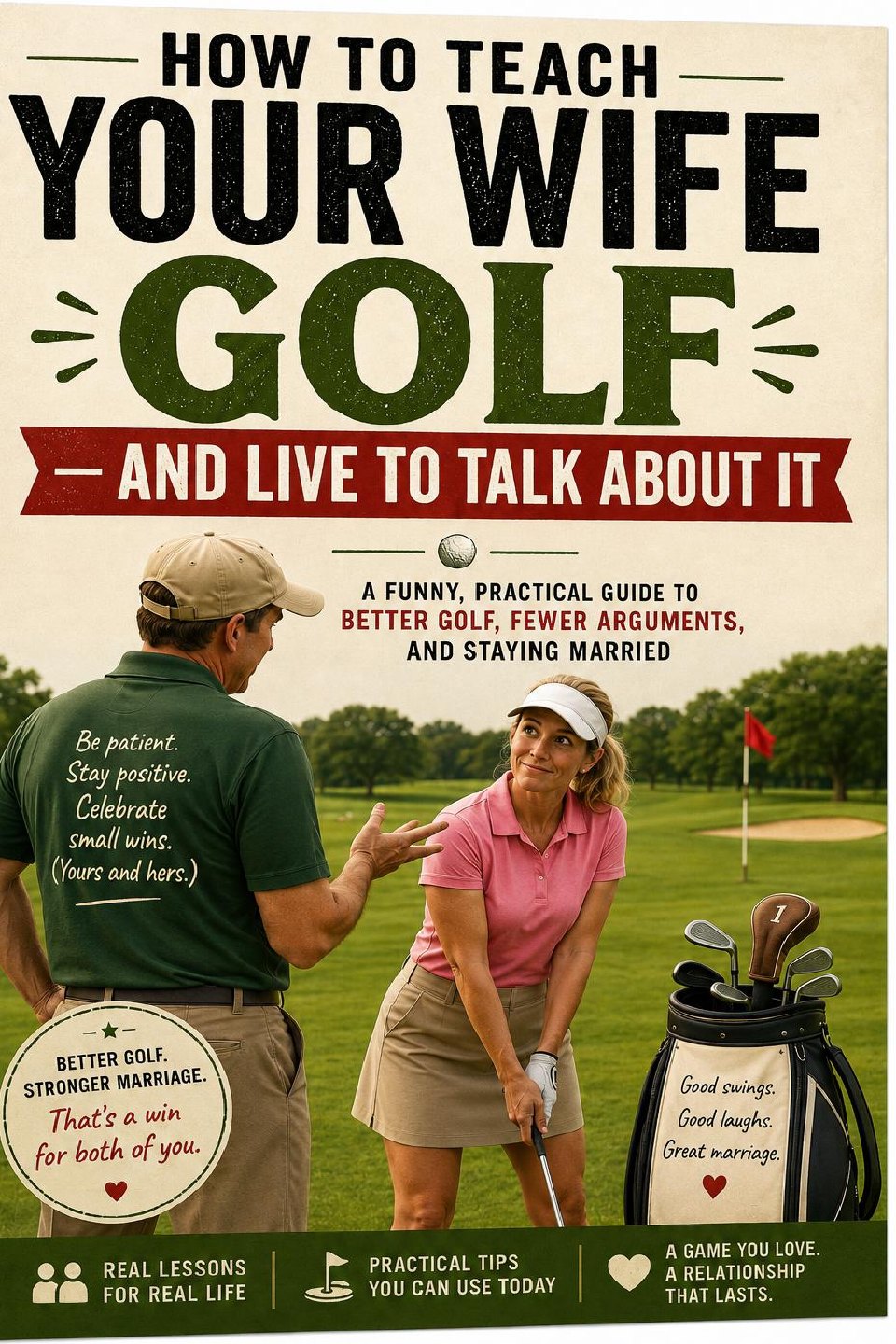
Free golf guide · 26 pages
How to Teach Your Wife Golf (And Live to Talk About It)
A funny, practical guide to better golf and fewer arguments: setup, swing, short game, putting and what not to say on the course.
Get the free guide