
How Custom Golf Shafts Enhance Distance and Accuracy
Written by Patrick Greene|Golf shaft specialist with 15+ years in

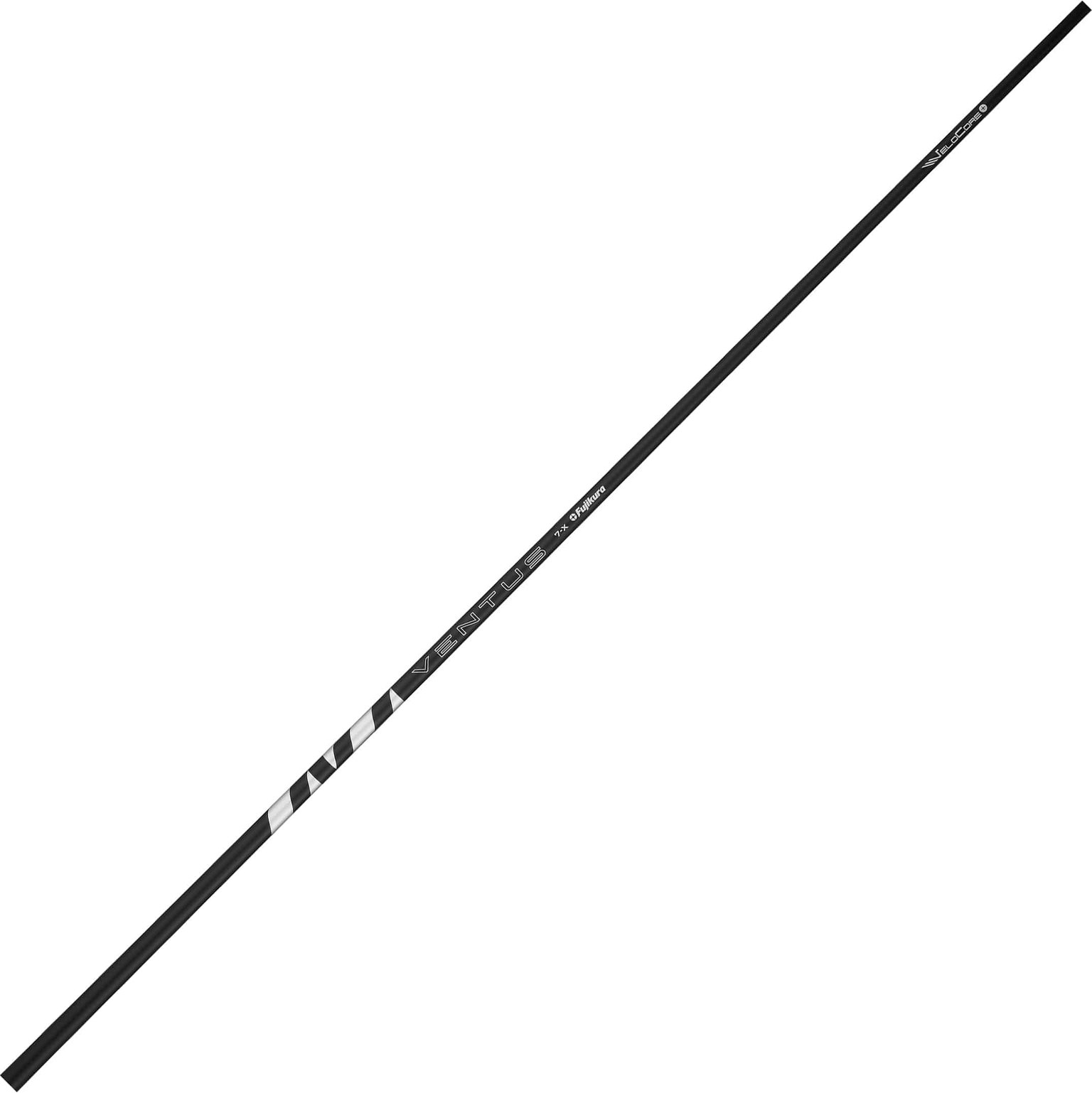
Golfers who swing a driver at 105 to 115 mph hear the same advice over and over: play a heavy, extra stiff, low-spin shaft. That works for some, but it also sends plenty of strong swingers home with a shaft that feels dead and launches too low. Finding the best driver shaft for 110 mph swing speed means looking past raw speed and asking how you load the shaft and what your ball flight needs.
This guide picks up where the 95 to 105 mph guide leaves off. Every range here is a rough starting point, because two golfers at the same speed can need very different shafts.
At this speed you load a shaft hard. That is good news, because you can feel small differences in weight, tip stiffness, and bend profile, and you are less likely to be overpowered by a modern shaft. The downside is that mistakes in the spec cost more. A shaft that is too soft can let the face move around, which some golfers see as hooks or ballooning shots. A shaft that is too stiff can leave the club feeling lifeless.
The aim is stability without losing the ability to feel the shaft work, and no two golfers weigh those two things the same way. A firm tip helps keep the face steady through impact, while a profile that still bends in the transition keeps the club from feeling like a pipe. That balance is the real task, and speed alone does not settle it.
Many fast swingers do well in a range of roughly 60 to 80 grams. A heavier shaft can calm a hard transition and tighten dispersion, while a lighter shaft can feel quicker and help someone whose tempo is smooth. Neither is automatically better. Our 85 to 95 mph guide explains why lighter often helps moderate swings, and fast swingers get the opposite problem: going too heavy can cost the feel that lets them time the release.
Test a step lighter and a step heavier than your current shaft in the same head, and keep the grip and length the same so the shaft is the only change. If the heavier option tightens your misses without feeling slow, it may be the better fit even if the lighter shaft gives you a hotter first swing.
On the usual ladder, 105 to 115 mph often points toward S or X, with some players also trying TX where a maker offers it. The letters are not identical from brand to brand, and the same letter at different weights plays differently. A smooth swinger at 110 mph may be best in a stiff, while a player with a quick, forceful transition may need X to keep the face stable.
Watch your miss. Pushes and low blocks can point to a shaft that is too stiff or too heavy to load. Hooks and high, uncontrolled shots can point to one that is too soft. Our stiff versus X-stiff guide goes deeper on that choice, and the shaft selector can start the shortlist.
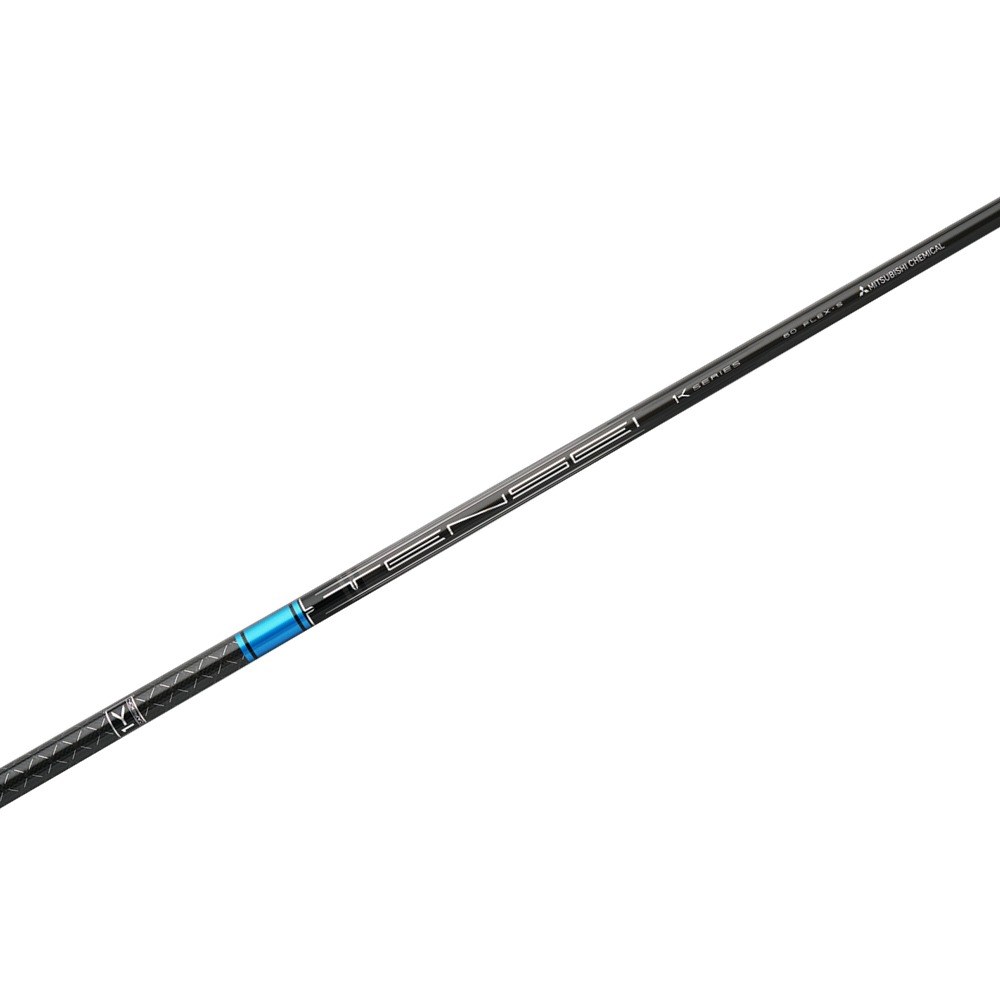
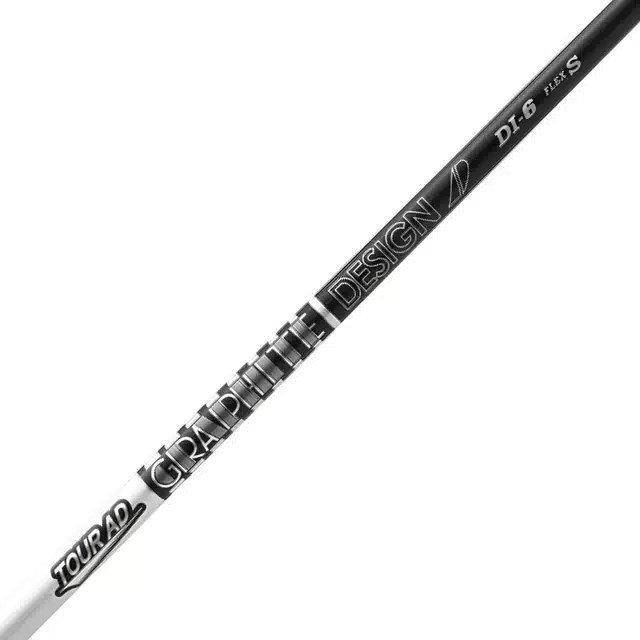
Tip stiffness is where fast swingers feel the biggest difference. A firmer tip keeps the head from twisting or flexing as it arrives, which tends to tighten dispersion. Lower torque, which means less twisting, generally feels more stable to some golfers, though it can feel harsher. The 6 through 9 weight X-flex options listed for Ventus Blue and Tour AD DI run from roughly 2.8 to 3.3 degrees of torque.
That is a tradeoff, not a ranking, and it is the reason fitting a fast swing takes more than reading a chart. Some golfers love a firm tip, and others find it mutes feedback. Pay attention to what you can feel at impact, not only what the monitor says.
Fast swingers often generate plenty of spin and sometimes plenty of launch, which is why low-spin profiles have a loyal following. But there is no benefit to a low-launch shaft if it pushes your flight so low that the ball lacks carry. The better approach is to look at your current numbers: if you already launch the ball high with a lot of spin, a lower-spin profile is worth a test, and if you launch low already, you may want a mid profile. Kick point also shapes the flight, so ask about it whenever two shafts look similar on paper.
The specs below come from the product pages, and launch and spin ratings are the maker’s own. Use them to build a short list, not to pick a winner on paper.
Two choices that sit outside the shaft model still change the feel. Counterbalanced builds move weight toward the grip, which can make a heavier shaft feel easier to swing. Playing length changes timing as well, since a longer club adds speed potential but makes the center of the face harder to find. Mention both when you talk to us. They often explain why a shaft that tested well on paper feels different in a finished driver.
To find the best driver shaft for 110 mph swing speed in your own hands, start with your current shaft as the baseline. Hit ten good swings, then swap in two or three candidates in the same head, with the same loft setting and ball. Compare carry, dispersion, launch, spin, and feel. Ignore the first couple of swings with each shaft, and look hard at the miss. A shaft that makes your best swing slightly better but your worst swing much worse is usually the wrong one.
Not always. Many golfers at that speed play stiff, and the deciding factor is usually tempo and transition. Test both before you commit.
It depends. A heavier shaft can add control for a forceful transition, but it can also feel slow for a smooth swinger. Compare a few weights in the same head.
No. A low-spin profile helps when you create too much spin, but it can cost carry if your launch is already low. Look at your own numbers first.
Yes. Send your current shaft, driver head, and typical miss, and we will suggest a short list.
If you would like a second set of eyes, try the shaft selector or call 1-800-380-7901 to talk through your swing with Patrick, with no pressure and no obligation.
Also Read: Inspecting Shafts for Grip Issues
Written by Patrick Greene|Golf shaft specialist with 15+ years in

Written by Patrick Greene|Golf shaft specialist with 15+ years in
Free golf guide · 26 pages
How to Teach Your Wife Golf (And Live to Talk About It)
A funny, practical guide to better golf and fewer arguments: setup, swing, short game, putting and what not to say on the course.
Get the free guide