
How Custom Golf Shafts Enhance Distance and Accuracy
Written by Patrick Greene|Golf shaft specialist with 15+ years in

The utility iron, or driving iron, has quietly become one of the most popular clubs we get asked about. It promises a flighted, controllable alternative to a hybrid at the top of the bag: something to hit off the tee on tight holes, flight under wind, and trust from firm lies. But the club has a fitting problem baked into its identity. It is shaped like an iron, asked to do part of a fairway wood’s job, and swung at speeds closer to a hybrid’s. So whose shaft rules apply?
The honest answer is: neither set’s, exactly. A utility iron fitted with a leftover iron shaft often flies too low and feels dead. The same head fitted with a light wood shaft can get unstable and floaty. Getting this club right means fitting it as its own category, and that is worth doing, because a well-built utility iron earns a permanent spot in the bag while a poorly built one gets benched by June.
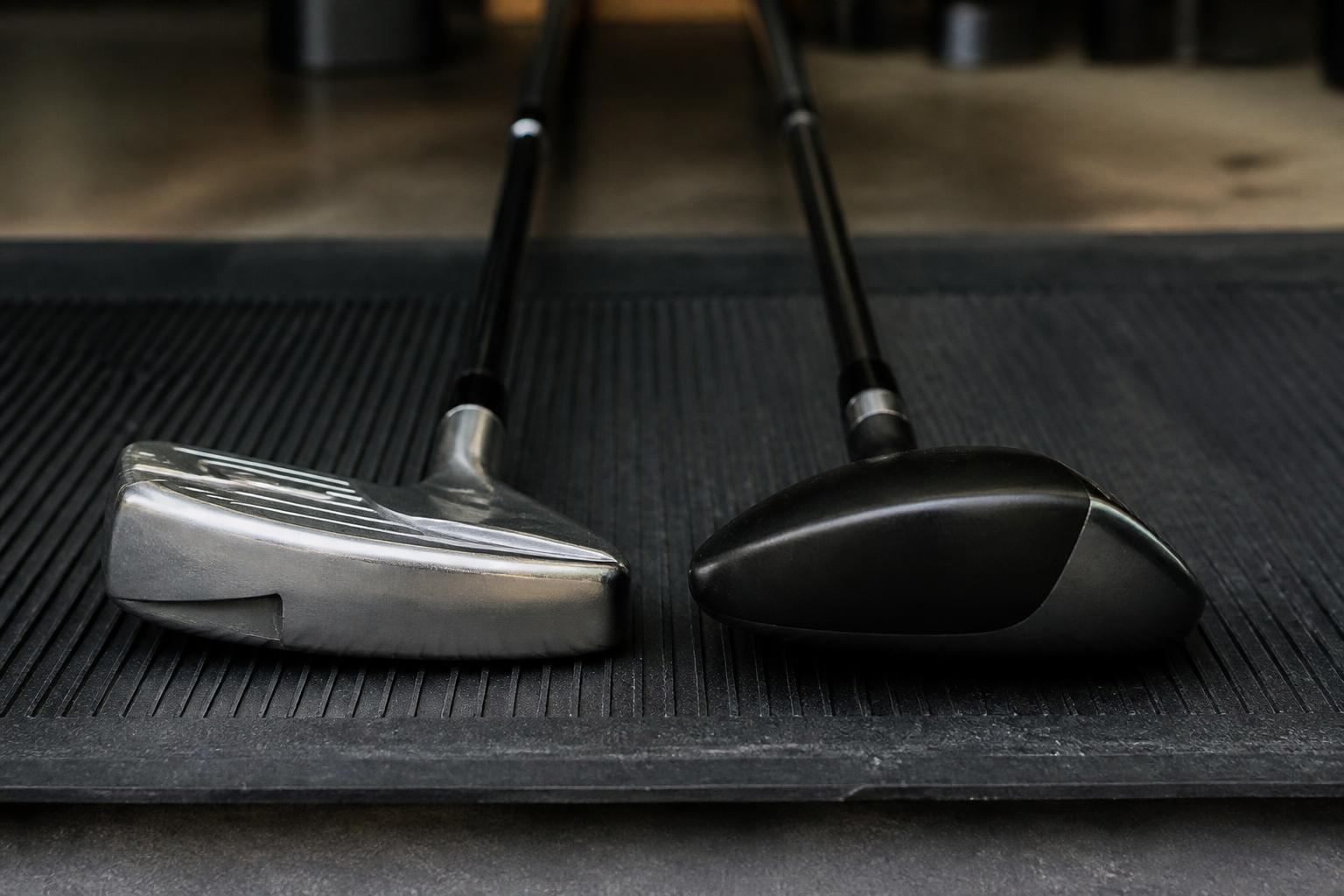
Three things separate a utility iron from the irons below it. It is longer, so the shaft plays a bigger role in delivering the head squarely. It is usually a hollow-body or otherwise faster-faced design, so it rewards speed differently than a cavity-back mid iron. And it gets used in specific situations, tee shots, long approaches, wind, where the player’s priority is a repeatable flight window rather than maximum height or maximum carry.
Those jobs shape the shaft brief. You generally want enough weight for control and enough tip stability to keep the flight from ballooning, but not so much stiffness that the club becomes a low bullet you cannot hold a green with. The fitting tension in a utility iron shaft is almost always between those two failure modes.
The first mistake is pulling the matching long-iron shaft from your set and assuming continuity is king. Set shafts in long-iron lengths work for strong ball-strikers, but many golfers who buy a utility iron bought it precisely because their long irons were hard to launch, and the set shaft imports the exact problem they were escaping. The second mistake is the opposite: shafting it like a hybrid with something very light, then wondering why the club sprays under speed. The right answer usually lives between your iron shaft and your hybrid shaft, in both weight and behavior.
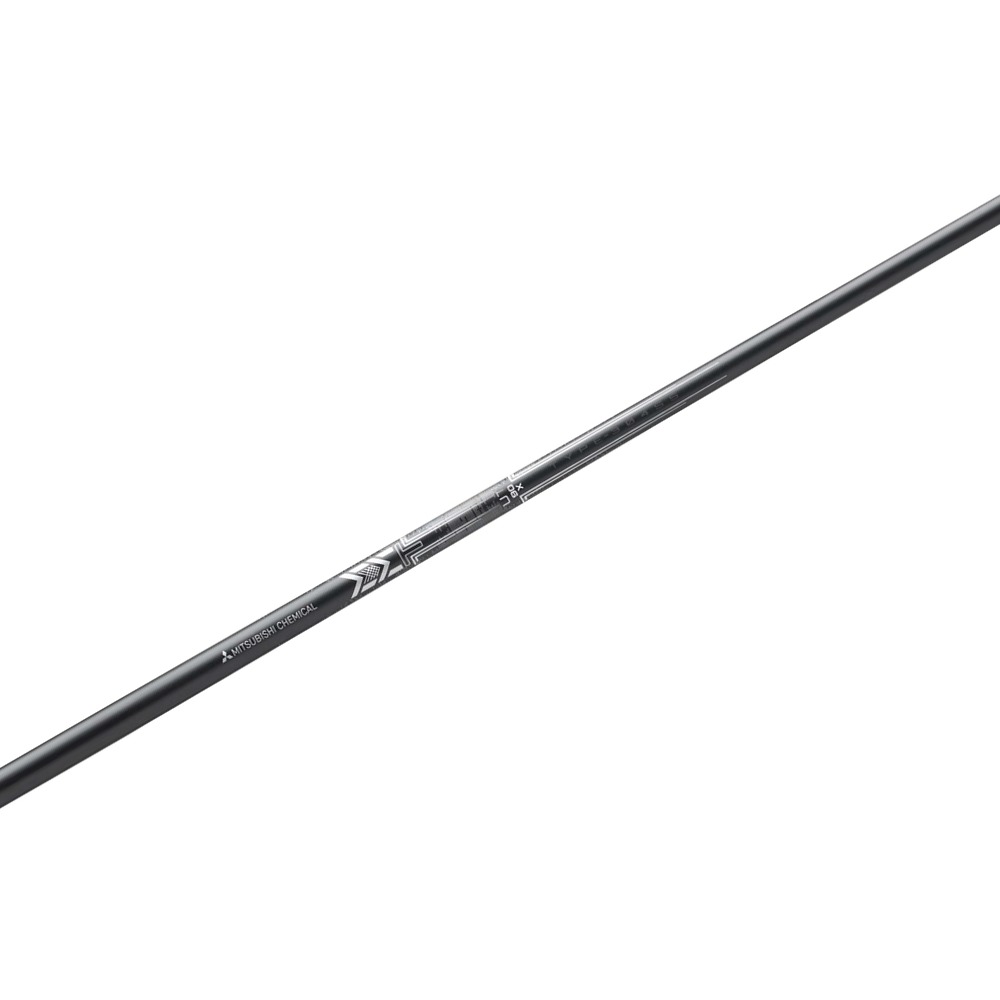
Weight is the first decision and the most forgiving place to start. A common approach is to land the utility iron’s shaft slightly lighter than your iron shafts and slightly heavier than your hybrid shaft, so the bag flows in a sensible progression from wedges up through the driver. Graphite designed for iron-style delivery, the category Fujikura’s Axiom line lives in, has become the mainstream choice in this club, because it delivers iron-like weight with easier launch than the equivalent steel.
Because a utility iron is often a part-time tee club, some golfers assume it should carry driver-style stiffness. But you do not swing a utility iron at driver speed, and stiffness that outruns your delivery turns the club into a knuckling low liner. Fit flex to the swing you actually make with this club, which for most players resembles a smooth long-iron swing more than a driver swing.
Flight is where the club’s purpose gets specific. If you bought it to flight the ball under wind, a mid-launch profile with a stable tip serves you. If you bought it because long irons were too hard to get airborne, prioritize launch and do not let the driving-iron image talk you into a low-launch build you cannot use. Say the mission out loud during the fitting; it changes the recommendation more than any number on a chart.
Utility irons commonly play near 2-iron to 4-iron lengths, and the right length balances tee-shot confidence against approach-shot control. Swing weight matters too: too light and the long club feels wandery, too heavy and it becomes work from the fairway. And check the tip situation before ordering anything; utility heads use iron-style hosels, so the shaft needs the matching tip configuration, which a builder confirms in minutes.
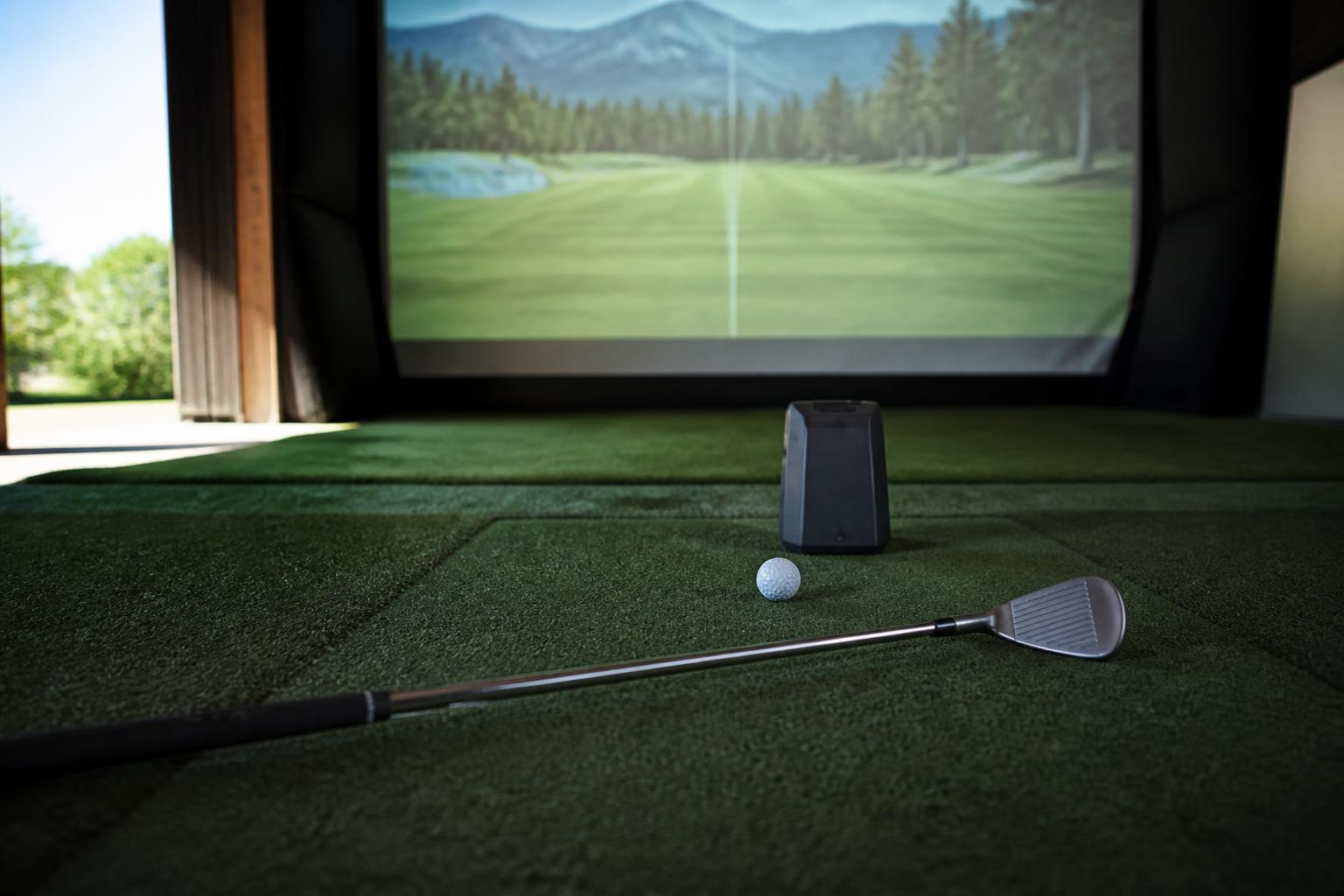
When this club comes across the bench as part of a custom build, Patrick starts with two reference points: the longest iron you actually trust, and the hybrid or fairway wood above the gap. The utility iron gets built to bridge them, in weight, in flex, in length, and in the flight window it produces. Then the numbers get sanity-checked: does it carry meaningfully farther than the iron below it, and does it do something your hybrid does not? A utility iron that duplicates a neighbor is a wasted slot, no matter how good the build is.
If you have not chosen a head yet, fit the slot first. Some players discover their gap is better filled by a high-lofted hybrid or fairway wood after all, and it is far cheaper to learn that before buying. The shaft selector can rough in the shaft side of the equation, and a conversation about your bag fills in the rest.
One last fitting input deserves a seat at the table: where and when you actually play. The utility iron is a conditions club. On firm, fast, windy courses it is frequently the smartest club in the bag, flighting tee shots under trouble and chasing run-out that a high-spinning fairway wood wastes. On soft, slow courses that demand carry and stopping power, the same club can be a liability, because its flatter flight lands hot and holds nothing.
That context should shape the build. A player who reaches for the club mainly in wind wants the stable, flighted version of the fitting: adequate weight, controlled launch, a window that stays under the trouble. A player who wants it as a long-approach club on receptive turf should push the fitting toward launch and peak height, accepting a little less penetration in exchange for shots that actually hold greens. Same head, same slot in the bag, meaningfully different shaft briefs. Say which golf you play when you order, because the course you see every weekend is as much a fitting spec as your swing speed.
Both work, but iron-profile graphite has become the common choice because it delivers iron-like control at weights that are easier to launch at long-iron lengths. Strong, fast players who flight everything down may still prefer steel.
Usually not directly; hybrids use wood-style tips while utility irons use iron-style hosels, and the profiles are designed around different heads. The better move is choosing an iron-profile shaft whose weight sits near your hybrid’s role in the bag.
Match it to the swing you make with the club, which for most golfers is closer to their long-iron delivery than their driver delivery. Testing the same head with two adjacent flexes on a launch monitor settles it quickly.
Low, hot flight usually points to a shaft that is too stiff or too low-launching for your speed, sometimes compounded by a strong-lofted head. A launch-friendlier profile, a softer flex, or simply more loft can each fix it; testing tells you which.
The club between your irons and your headcovers should be the most trustworthy club in the bag, not the most confusing one. Tell Patrick what job you are hiring it for, tee shots, wind, long approaches, or all three, and the shaft brief follows directly. Call 1-800-380-7901 or start with the shaft selector, and build the in-between club on purpose.
Written by Patrick Greene|Golf shaft specialist with 15+ years in

Written by Patrick Greene|Golf shaft specialist with 15+ years in