
How Custom Golf Shafts Enhance Distance and Accuracy
Written by Patrick Greene|Golf shaft specialist with 15+ years in

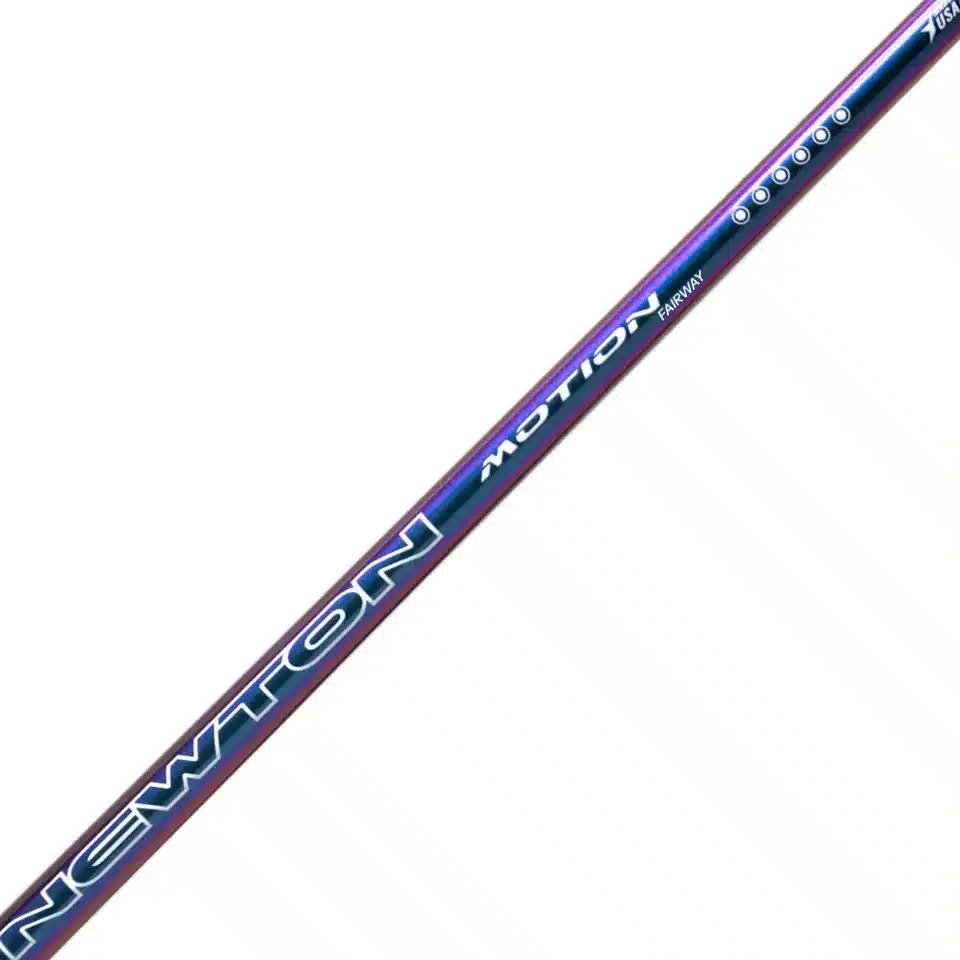
Newton Motion vs Ventus driver shaft is the kind of search golfers make when they are close to buying, not just browsing. The right answer depends on how the shaft loads for your tempo, how the head arrives at impact, and what ball flight you need to see on the course.
Patrick Greene helps Bogey Buster customers sort through those details every week. This guide keeps the decision practical: compare Newton Motion and Fujikura Ventus, read the flight clues, then choose the build details that support your actual swing.

The simplest way to compare Newton Motion and Fujikura Ventus is to look at load, launch, spin, and control. A shaft that feels lively can help a smoother player stay in rhythm, while a firmer profile can help a stronger transition keep the face from moving too much.
That does not mean one side is automatically better. A golfer who delivers the club with clean speed may need stability, while another golfer with similar speed may need a profile that helps the club release. Use the related shaft option as a starting point, then compare it against your current driver or iron setup.
Swing speed matters, but it is only one piece of the fit. Tempo, transition force, strike location, attack angle, and the head you play can all change how Newton Motion or Fujikura Ventus behaves.
Watch your pattern over several swings. If the miss is a high spinny shot, a late face, or a left miss from over-release, a firmer or lower-spin profile may help. If the miss is low, weak, or hard to turn over, the better answer may be a shaft that loads more easily. General fitting resources from Newton Golf can help frame the variables, but the best choice still comes from your flight and feel.
The biggest mistake is choosing a shaft by reputation alone. A premium model can still be wrong if the weight, flex, tip section, or playing length does not match your delivery.
Another mistake is copying another golfer’s build. Two players can have the same clubhead speed and need different profiles because one loads the shaft gradually and the other yanks hard from the top. Before ordering, compare the shaft family, weight, flex, adapter, grip, and final playing length through the shaft selector.
Comparing the Newton Motion to the Fujikura Ventus family is really a comparison of two design philosophies. Newton built the Motion around a uniform, structured feel with an emphasis on consistent timing, and players often describe its release point as easy to repeat. The Ventus line, by contrast, is a tour-proven staple known for a stiff-tip profile and stability that has earned trust across many bags. Both can produce a controlled flight, but their timing cues and the way the head feels at the top can be noticeably different.
That difference in timing is exactly why I do not treat these as interchangeable. A golfer who struggles to time a firm-tip tour shaft sometimes finds the Newton’s load easier to sync up with, while a golfer who already trusts a Ventus may prefer to stay with a feel they know. The honest answer is that the better shaft is the one whose timing matches your transition, and that is something you feel rather than read off a chart.
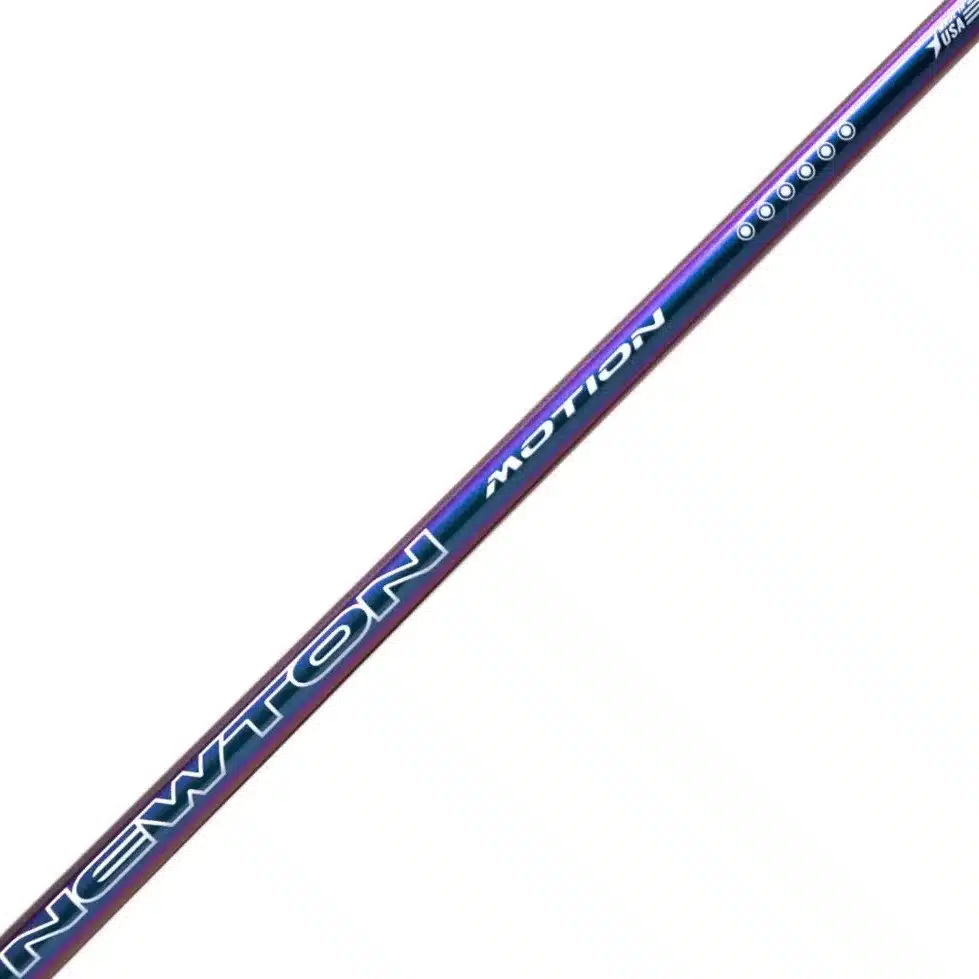
For players deciding between a distinct Newton feel and a tour-proven Ventus family, the best order usually starts with the problem you want to solve. Tell Patrick your current shaft, driver or iron head, normal ball flight, usual miss, and whether you want more launch, less spin, tighter dispersion, or better feel.
The main thing to avoid is treating two premium shafts as interchangeable when their timing cues can feel very different. If you are deciding between options, review a second relevant shaft or category and then use Bogey Buster fitting help before you commit to a build.
The honest deciding factor between the Newton Motion and a Ventus is timing, not the brand on the band. A shaft you can sync with your transition will feel easy to repeat, while a shaft whose timing fights your move will feel inconsistent no matter how premium it is. That is why I push customers to feel both rather than rank them by reputation. When a shaft’s release point matches the way you load and deliver the club, the good drives start to repeat, and that is the entire point of the fit.
Before you buy, write down your current shaft model, flex, weight, driver head or iron head, playing length, and grip. Then add the ball flight you want to change. That small note keeps the conversation grounded in facts instead of brand hype.
Next, decide what matters most: more carry, lower spin, tighter dispersion, better feel, or a build that arrives ready for your exact adapter and grip. Those priorities make Newton Motion vs Ventus driver shaft easier to solve because the shaft choice, build specs, and final order all point toward the same outcome.
If you have launch monitor numbers, include the average launch angle, spin rate, ball speed, carry distance, and left-to-right pattern rather than one best swing. If you do not have numbers, describe the shot you see most often. A clear pattern is more useful than a perfect guess.
It is tempting to assume that two well-regarded shafts will perform alike, but premium status does not make them interchangeable. The Newton Motion and a Ventus can sit in a similar launch and spin range and still ask for different tempos, deliver different feedback, and reward different transitions. I have seen golfers love one and bounce off the other despite nearly identical specs on paper, simply because the timing did not suit them.
If you are weighing these two, tell me what your current shaft does well and where it lets you down. Keeping the strengths you already trust while addressing one clear weakness is a smarter path than swapping into an unfamiliar feel and hoping it clicks. When the fit is right, either of these can be an excellent driver shaft; the work is matching the timing to your swing, not ranking the brands.
Not always. Newton Motion may fit one delivery better, while Fujikura Ventus may fit a different tempo, launch window, or miss pattern. The better shaft is the one that helps you repeat useful shots.
Start with swing speed, but do not stop there. Tempo, transition, strike quality, and the head you play can change the right answer.
Yes. Share your current setup and ball flight through the contact form. Patrick can help narrow the options before you buy.
If Newton Motion vs Ventus driver shaft is the question you are working through, Bogey Buster Golf Shafts can help you avoid a guess. Call 1-800-380-7901 or ask Patrick for fitting help before ordering your next custom shaft.
Also Read: Golf Shaft Materials: Steel vs. Graphite Benefits
Written by Patrick Greene|Golf shaft specialist with 15+ years in

Written by Patrick Greene|Golf shaft specialist with 15+ years in

Free golf guide · 26 pages
How to Teach Your Wife Golf (And Live to Talk About It)
A funny, practical guide to better golf and fewer arguments: setup, swing, short game, putting and what not to say on the course.
Get the free guide