
How Custom Golf Shafts Enhance Distance and Accuracy
Written by Patrick Greene|Golf shaft specialist with 15+ years in

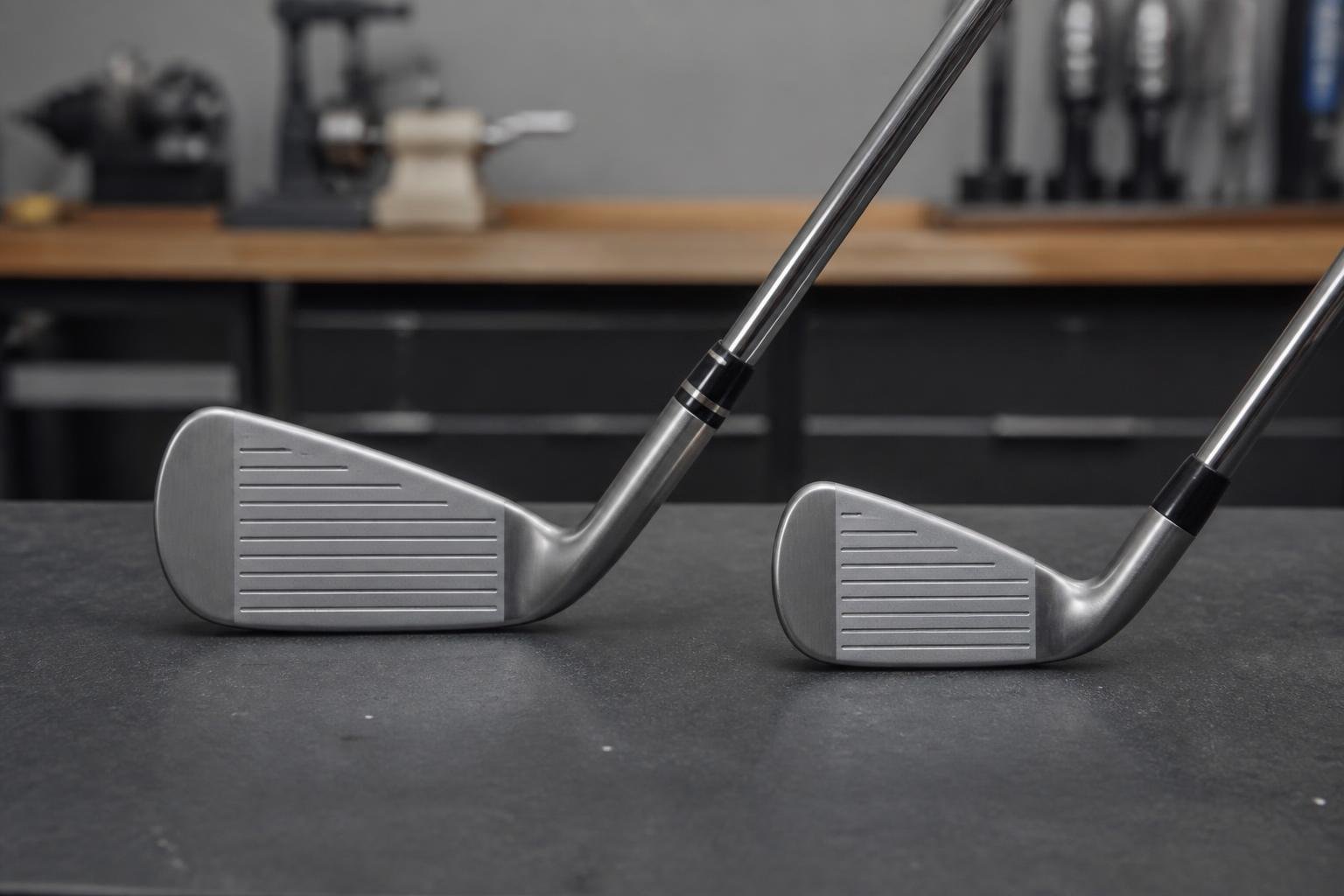
Every bag eventually runs into the same gap: the traditional long iron is hard to launch consistently, and a hybrid in that same yardage sometimes flies higher and spins more than a golfer wants off the tee or from a tight fairway lie. The driving iron category exists specifically to fill that gap, and the Tour AD Utility shaft is built around exactly that job.
This guide covers what a driving iron shaft is actually designed to do differently from both a standard iron shaft and a hybrid shaft, who tends to benefit from adding one, and how to think about fitting it into a bag that likely already has both irons and hybrids in it.
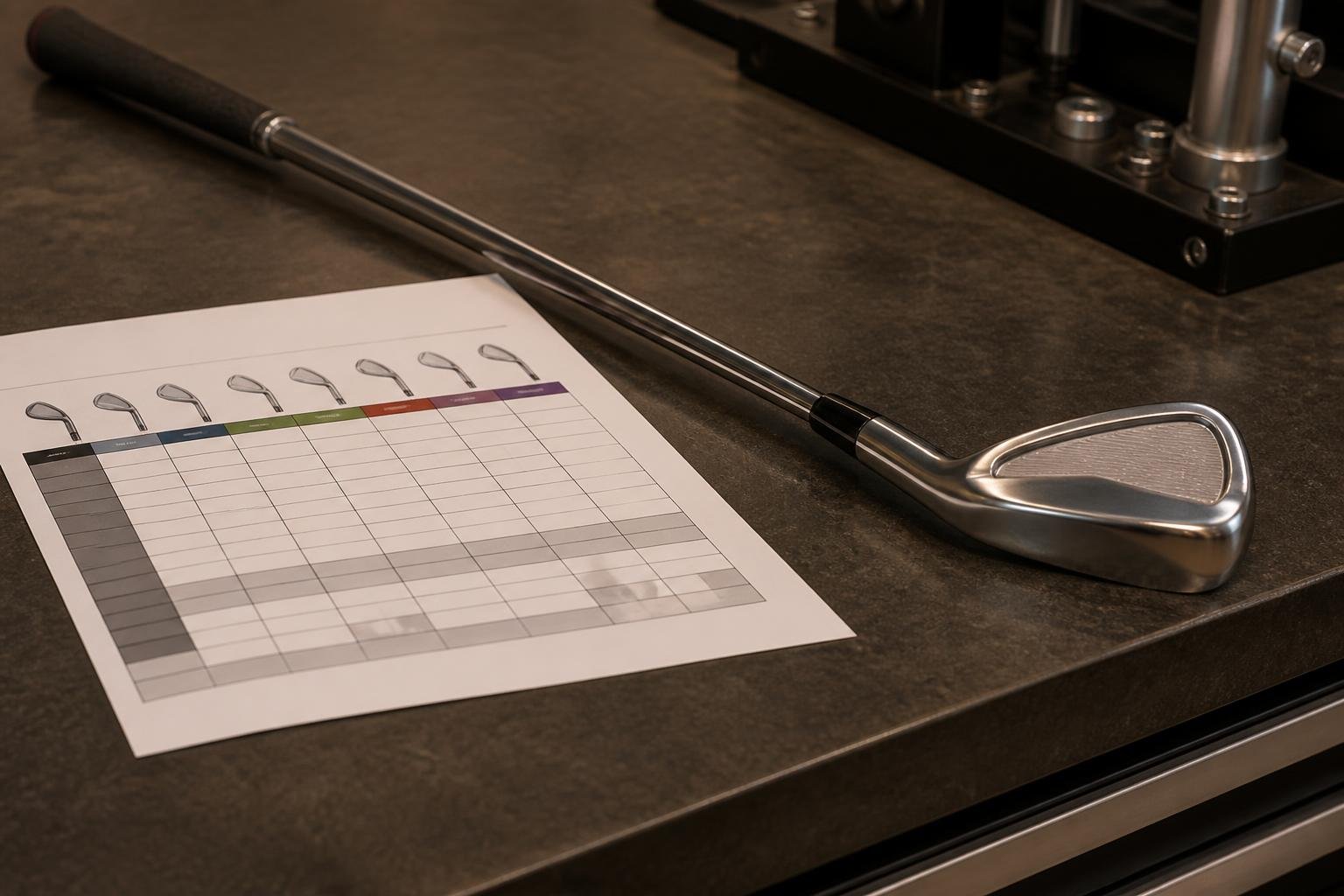
A driving iron sits between a long iron and a hybrid, and its shaft is engineered accordingly. Compared to a standard iron shaft, it is typically built with a stiffer, more stable profile through the tip to control the lower, more penetrating trajectory a driving iron head produces. Compared to a hybrid shaft, it usually favors control and workability over maximum forgiveness, since driving irons are chosen specifically by golfers who want more shot-shaping ability than a hybrid offers.
It is tempting to think of a driving iron shaft as simply a stiffer 2-iron shaft, but the head design it pairs with, usually a compact, low-CG driving iron head, changes the loading and release characteristics enough that the shaft is engineered for that specific pairing rather than adapted from a standard iron set shaft.
Driving irons are not for every golfer. Players who struggle to get any long iron airborne consistently are often better served by a hybrid’s forgiveness, and there is no shame in that trade-off. The driving iron category exists for golfers who have the swing speed and strike consistency to take advantage of what it offers.
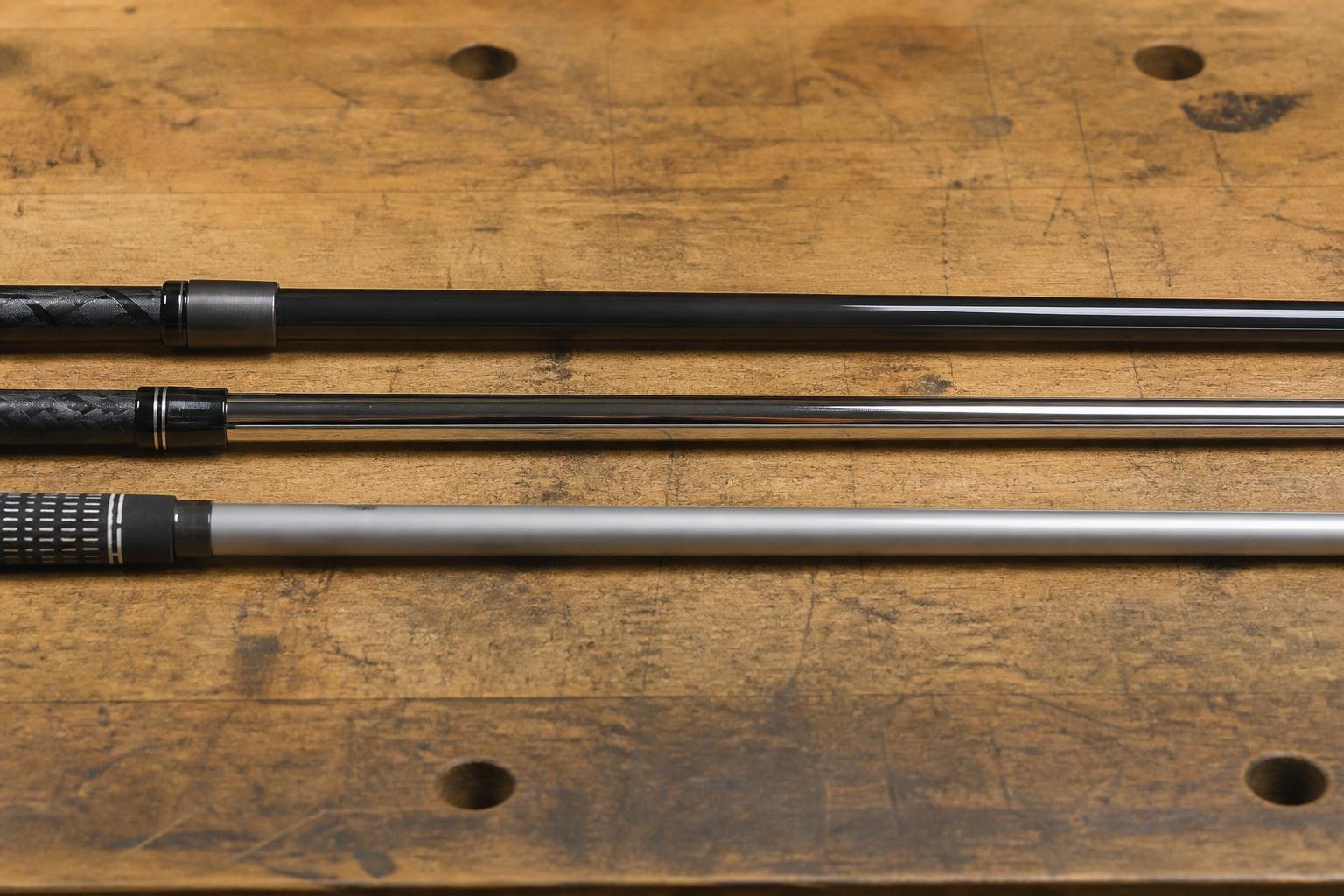
Fitting a driving iron shaft starts from a different baseline than fitting a standard long iron. Because the head is often played from the tee as much as from the fairway, the fitting should account for both scenarios rather than optimizing purely for a descending fairway strike. Launch angle, spin rate, and dispersion off a tee are just as relevant here as they would be for a fairway wood fitting.
A driving iron typically replaces the longest iron or two in a set and needs to gap sensibly against both the next iron down and whatever hybrid or fairway wood sits above it in the bag. This is a full-bag conversation, not a single-club decision, and it is worth confirming yardage gaps before finalizing the build rather than after.
Our custom shaft service looks at the whole bag when fitting a driving iron, so the new club actually closes a gap instead of overlapping with something you already carry.
Where you typically play matters more for a driving iron decision than most golfers initially consider. Courses with firm, fast fairways reward the lower, more controllable trajectory a driving iron produces, since the ball can release and roll out predictably. Courses with soft, wet conditions or a lot of forced carries over hazards sometimes favor a hybrid’s higher flight and greater stopping power on the green instead.
Golfers who split time between different course types sometimes end up carrying both a driving iron and a hybrid and choosing between them week to week based on conditions, which is a legitimate strategy if your bag has room for both.
One of the most consistent reasons golfers add a driving iron is wind. A lower, more penetrating ball flight holds its line better in crosswinds and headwinds than a higher-flying hybrid shot typically does, which is a real advantage on exposed courses or during seasons when wind is a regular factor.
Driving irons tend to hold their appeal on the secondhand market reasonably well among golfers who already understand the category, since it is a more deliberate purchase than an impulse buy. That is a minor factor compared to how well the club actually performs for you, but it is worth knowing if long-term flexibility matters in your decision.
Golfers who play a set of player’s or compact-cavity irons, which typically launch lower and spin less than game-improvement irons, tend to find a driving iron gaps especially cleanly against their set, since the trajectory characteristics already match reasonably well. Golfers playing more forgiving, higher-launching iron sets should pay closer attention to how the driving iron’s flight compares before assuming a seamless fit.
Because a driving iron is a more specialized purchase than a standard iron or hybrid, testing one on a launch monitor before committing is especially worthwhile. The category rewards golfers who can already strike the ball fairly consistently, and a short test session is the most reliable way to confirm that reward will actually show up in your results rather than assuming it based on the category’s reputation alone.
Clubmaking reference sites such as GolfWorks catalog general driving-iron and utility-shaft build specifications worth reviewing alongside the manufacturer’s own published numbers.
Do not feel locked into a decision after a single test round. It is common for golfers to need a few rounds with a driving iron in real play, not just on a range mat, before the club’s real value in their bag becomes clear.
The terms are often used interchangeably in casual conversation, though ‘utility iron’ can also refer to a broader category of forgiving long-iron replacements. The Tour AD Utility shaft is specifically built for the driving-iron style of head.
Compatibility depends on the specific head’s hosel and bore, so confirm the tip fit before assuming a driving iron shaft will work in a different head type.
Many golfers carry both, using each for different situations, tee shots versus longer approach shots from various lies. Whether you need both depends on your typical course conditions and shot preferences.
Generally yes, for golfers with slower swing speeds or inconsistent strike. It rewards more consistent ball-striking than a hybrid typically requires.
See the current build on the Tour AD Utility driving iron page, browse more from Graphite Design, or use the shaft selector to see how it fits your current bag. Call 1-800-380-7901 if you want help mapping the yardage gap first.
Also Read: Choosing the Right Air Speeder Flex Options for Your Swing
Written by Patrick Greene|Golf shaft specialist with 15+ years in

Written by Patrick Greene|Golf shaft specialist with 15+ years in

Free golf guide · 26 pages
How to Teach Your Wife Golf (And Live to Talk About It)
A funny, practical guide to better golf and fewer arguments: setup, swing, short game, putting and what not to say on the course.
Get the free guide