
How Custom Golf Shafts Enhance Distance and Accuracy
Written by Patrick Greene|Golf shaft specialist with 15+ years in

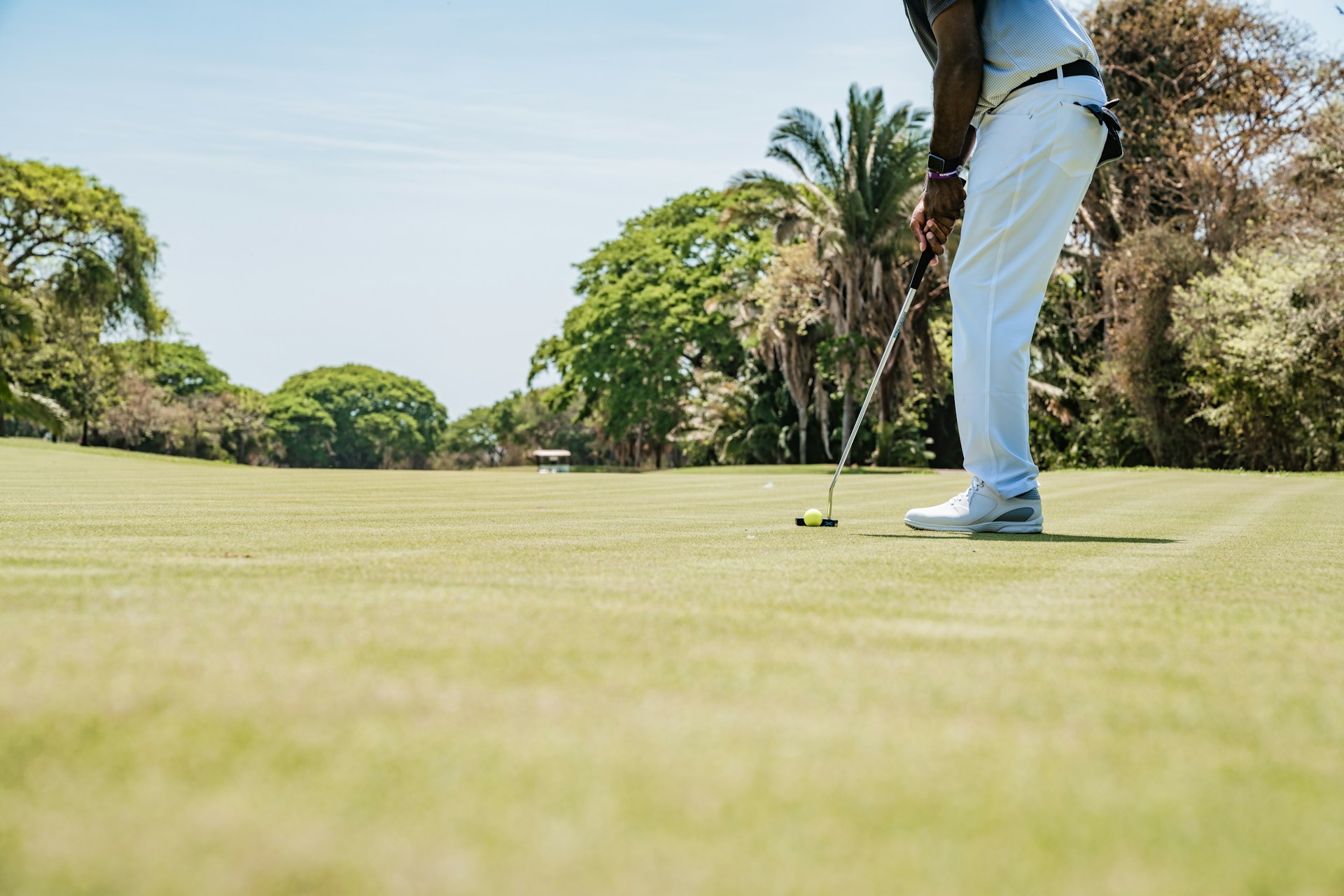
For golfers in Florida, the year-round warm weather and variable humidity present unique challenges and opportunities when it comes to selecting the right golf shafts. The region’s climate can impact everything from shaft material preferences to long-term durability, making it essential to understand what works best before making a purchase.
Whether you’re a seasoned local or a snowbird hitting the Fort Myers fairways, optimizing your equipment for Florida’s environment can make a measurable difference in your play. In this guide, we’ll break down how to choose golf shafts that perform reliably in the Sunshine State’s climate, offer practical maintenance advice, and answer common questions for e-commerce shoppers at Bogey Buster Golf Shafts.

Florida’s subtropical climate means golfers contend with high humidity, frequent rain, and intense sun throughout the year. These environmental factors can influence the feel, flexibility, and lifespan of your golf shafts. For example, moisture can accelerate corrosion in steel shafts, while UV exposure can weaken certain finishes or adhesives found in graphite designs.
It’s not just about durability—the way a shaft performs can change subtly as humidity rises, affecting flex and response. Golfers who play in the early morning may notice more grip slip due to dew, while afternoon heat can make shafts feel softer or increase swing fatigue. Choosing materials and shaft types that are known for weather resistance will help you maintain a consistent swing, regardless of season.
One of the top considerations for Florida golfers is shaft material. Graphite shafts are popular for their lightweight feel and resistance to moisture, making them less susceptible to corrosion compared to steel. Modern graphite technology also offers impressive stability and power transfer, ideal for the state’s fast, sometimes damp courses.
However, steel shafts are still favored by players seeking more feedback and control. If you opt for steel, consider shafts with advanced coatings or corrosion-resistant finishes to combat the effects of salt air and humidity. For more on the differences between graphite and steel, the Golf Digest equipment guide provides a comprehensive breakdown.
Visit our Golf Shafts section to browse a wide selection of both graphite and steel options tailored for Florida’s climate.

Maintaining your golf shafts is crucial in a humid climate like Florida’s. Wipe shafts down after each round to remove moisture, grass, or sand, and store clubs in a dry, shaded area—never in a hot car trunk. Regularly inspect grips for signs of slickness or mildew, as these can develop faster in high humidity and affect your swing consistency.
It’s wise to schedule periodic shaft inspections, especially if you play frequently or notice subtle changes in club performance. Even small nicks or rust spots can quickly worsen in Florida’s environment. Our FAQ page covers more details about routine shaft care and what to watch for.
When searching for the best golf shafts for Florida weather, prioritize models with protective coatings, high-tensile graphite, or stainless steel construction. These features offer extra defense against corrosion and wear. Look for brands that specifically design products for durability in challenging climates—some even offer UV-resistant finishes or advanced bonding resins to help shafts last longer.
Be sure to match your shaft’s flex and weight to your playing style and the speed of local courses. In warm, soft conditions, slightly stiffer shafts can help maintain accuracy, while lighter options can reduce fatigue during long summer rounds. The GolfWRX community is a helpful resource for comparing real-world experiences with different shaft types in humid climates.
High humidity accelerates rust and corrosion in steel shafts, making graphite a more weather-resistant choice for many Florida golfers. Proper maintenance and choosing shafts with protective coatings can help extend lifespan regardless of material.
Florida’s seasonal differences are less pronounced than in northern states, but summer heat and humidity can make lighter, moisture-resistant shafts more comfortable. Some golfers switch grips or shaft finishes between seasons for optimal performance.
Always store clubs indoors in a climate-controlled, dry place. Avoid leaving them in car trunks or garages, where heat and moisture can warp shafts and degrade adhesives or grips.
For personalized advice or to explore the best golf shafts for Florida weather, contact Bogey Buster Golf Shafts today. Our team is ready to help you get the most from your equipment, no matter the season. Call us at 1-800-380-7901 or reach out online for expert support.
Also Read: Choosing the Right Iron Shaft for Your Playing Style in 2026
Written by Patrick Greene|Golf shaft specialist with 15+ years in

Written by Patrick Greene|Golf shaft specialist with 15+ years in

Free golf guide · 26 pages
How to Teach Your Wife Golf (And Live to Talk About It)
A funny, practical guide to better golf and fewer arguments: setup, swing, short game, putting and what not to say on the course.
Get the free guide