
How Custom Golf Shafts Enhance Distance and Accuracy
Written by Patrick Greene|Golf shaft specialist with 15+ years in

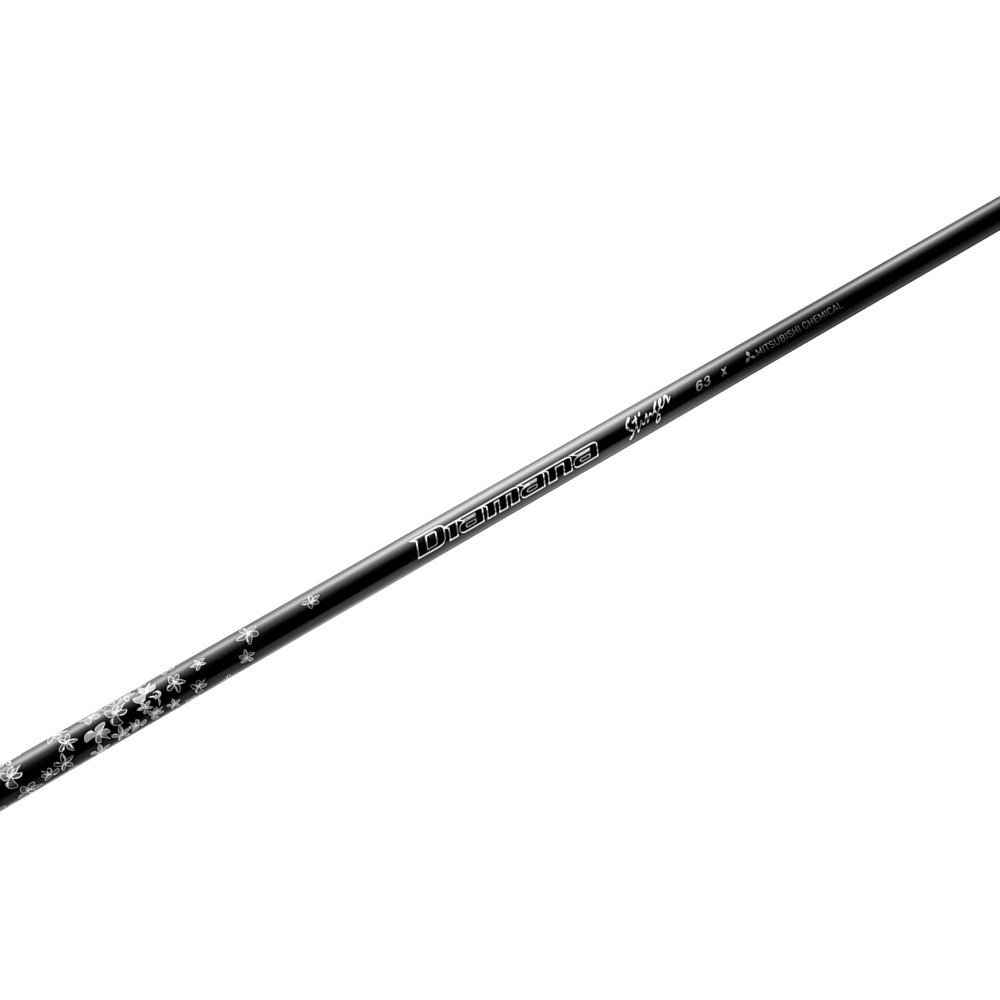
When you compare raw shaft length vs playing length, you are really comparing a component measurement to the measurement of a finished golf club. That distinction is important before you order a replacement shaft, approve a cut, or try to match a club you already hit well.
A raw uncut shaft may be listed at a standard component length, but the final club length changes once the shaft is installed into a specific head, adapter or hosel, then finished with a grip. If you are buying online or discussing a build from Southwest Florida, confirm the measurement method before anyone trims the shaft.
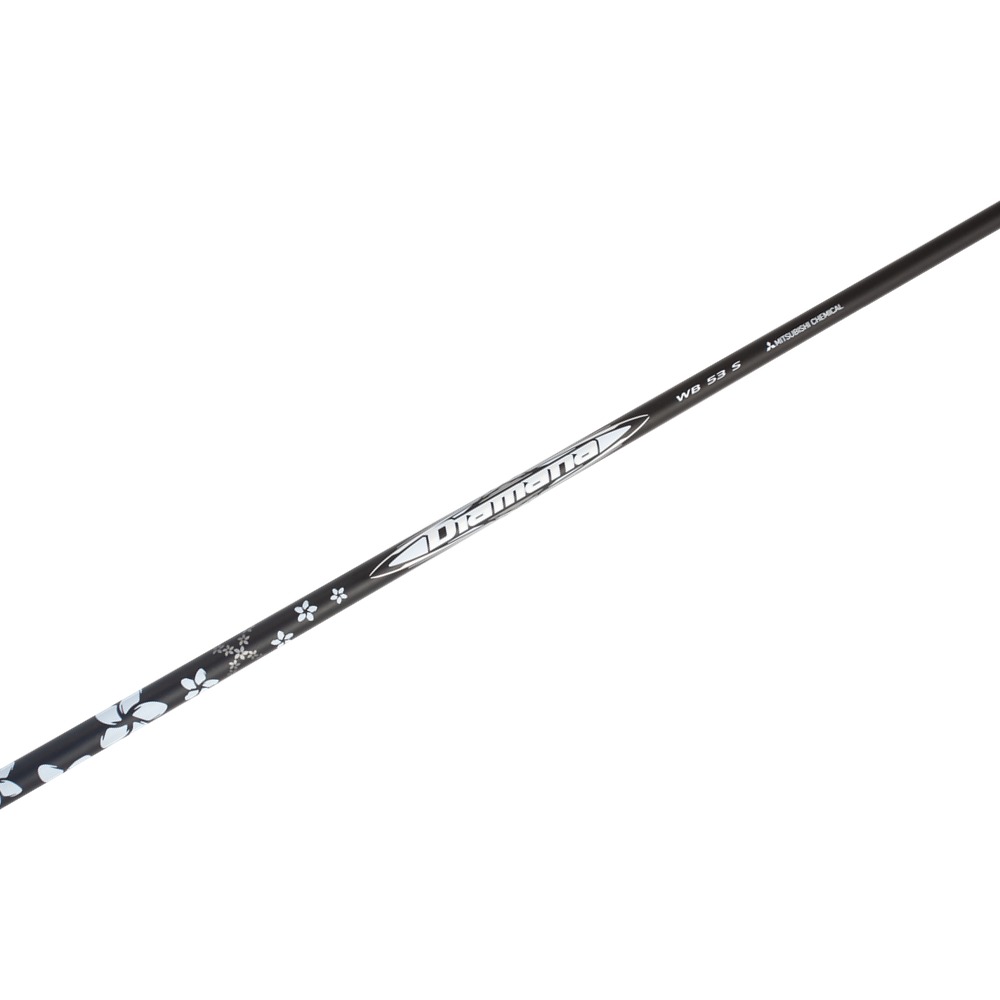
A raw shaft is the uninstalled component as it comes before final trimming and assembly. It is usually longer than the finished club needs to be because builders need room to tip trim, butt trim, fit an adapter, and assemble the club to the intended playing length. Raw length does not include the head, the grip cap, or how deeply the shaft will sit in the head or adapter.
Playing length is the length of the completed club after the shaft, head, and grip are assembled. In practical buying terms, this is the number golfers often think about when they say their driver, fairway wood, hybrid, iron, wedge, or putter is a certain length. The finished club is not measured by simply holding a loose shaft next to a ruler.
A pulled shaft adds another layer. A pulled shaft has already been installed and removed from a club, so its current length may reflect prior trimming. It may also have a tip prepared for a previous adapter or hosel. Before ordering or reusing a pulled shaft, do not assume its length equals either the original raw length or the finished playing length of the club it came from.
The GolfWorks standard length reference is a useful way to see how finished club lengths are commonly discussed by club type, but it should not be treated as a cutting formula for every build. You can review their club length reference at GolfWorks standard lengths. Your exact head, adapter, grip, and builder’s measuring process still control the final result.
The clubhead is not just weight at the end of the shaft. Its hosel depth, adapter style, bore configuration, and ground contact point all affect how a finished club measures. Two heads can use the same shaft length and still produce different playing lengths because the shaft does not interact with every head in exactly the same way.
Adjustable adapters are a common source of confusion. A loose driver shaft with an adapter installed is not the same as a finished club length, because the adapter must be installed into the head and measured in the builder’s chosen manner. If the head model changes, the relationship between the shaft-and-adapter assembly and finished playing length can change too.
The grip also affects what a golfer sees at the end of the club. Playing length is often measured to the end of the grip cap, but grip caps can vary slightly by model. That small detail is one reason a builder should know whether you are asking for a component length, an assembled length before gripping, or a fully finished playing length.
For online buyers, this is where a short conversation can prevent a wrong cut. If you already know the exact head setup, adapter type, and desired finished length, share those details before ordering. If you are still deciding on a component, the shaft selector can help you organize the kind of shaft characteristics you want to discuss before committing.
It is tempting to ask for a simple rule such as “a raw shaft becomes a club that is a certain number of inches longer.” That shortcut can lead to mistakes. The relationship changes with club category, head design, bore depth, adapter geometry, grip cap, and the builder’s measuring fixture or technique.
Here are conceptual examples that show the logic without pretending every build follows one additive formula:
These examples also explain why copying a friend’s shaft order can be risky. Even if the shaft model and flex are the same, the final club may measure differently if the head, adapter, grip, or trimming plan differs. Component length is only one piece of the build.
If you are shopping by model and want to compare options, browse the golf shaft shop with the finished club in mind. Write down what clubhead you plan to use, whether an adapter is involved, and whether your target number is finished playing length or shaft-only length.
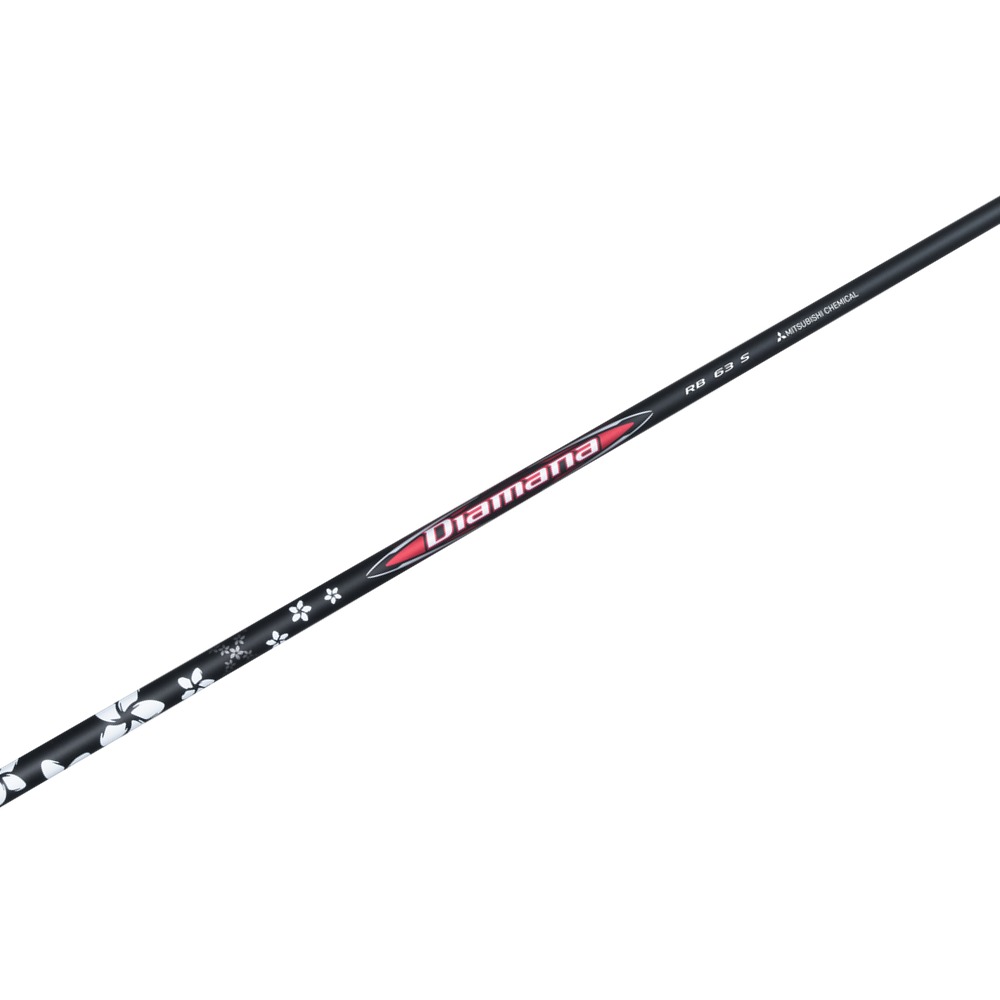
Before a shaft is cut, get precise about the words being used. “Length” can mean raw uncut length, current pulled length, tip-to-butt shaft length, shaft with adapter length, assembled club length without the grip, or finished playing length with the grip installed. Those are not interchangeable.
Start by confirming the clubhead and adapter setup. A builder cannot accurately plan final playing length from a shaft listing alone if the head details are unknown. If you are replacing a shaft in a current club, provide the exact head model and describe whether the adapter will be reused, replaced, or supplied separately.
Next, confirm how the final club will be measured. Builders may use a club-length ruler or fixture that sets the sole in a repeatable position, but the process should be clear enough that both sides are talking about the same number. If you are comparing against a club at home, measure carefully and explain how you measured it.
Finally, separate length from fit. A shaft can be the correct finished length and still feel wrong if the weight, profile, flex, or tipping choice does not suit your swing. Length is a build specification, while fit involves the whole club’s performance, feel, and how consistently you deliver it to the ball.
Nationwide online shaft buyers often have to make decisions without standing next to the builder. That makes communication more important, not less. When you contact a retailer, provide the intended club type, head, adapter status, desired finished length, current shaft information if available, and whether the shaft is new raw stock or a pulled component.
Southwest Florida golfers also face a practical advantage when they can discuss the build in local terms, especially if they are comparing a current gamer to a new shaft option. Bring or describe the club you like, the club you are trying to improve, and the ball flight or feel issue that prompted the search. The more specific the starting point, the easier it is to avoid cutting a good shaft to the wrong specification.
Do not ask a shop to “just make it standard” unless you know what standard they are using. Published references are helpful, but manufacturers and component categories can vary. Standard driver, iron, wedge, and putter discussions are not all measured or built the same way in practice.
For the cleanest ordering process, put the requested measurement in writing and label it clearly. Use phrases such as raw uncut shaft length, shaft length with adapter, or finished playing length with grip installed. That simple wording can save time, reduce confusion, and help protect the value of the shaft you are buying.
No. Raw shaft length is the length of the loose, uninstalled shaft before final trimming and assembly. Finished club length includes the head installation and usually the grip cap at the end. The same raw shaft can produce different finished playing lengths depending on the head, adapter, trimming plan, and measurement method used by the builder.
You should not rely on shaft length alone to calculate final playing length. The head’s hosel or adapter setup, insertion depth, sole position during measurement, and grip cap all affect the result. A builder can estimate only when the exact head and assembly details are known. Treat any simple add-on number as a rough concept, not a universal rule.
Send the club type, exact head model, adapter details, whether the shaft is raw or pulled, and the finished playing length you want. If you are matching an existing club, describe how you measured it and whether the grip was installed. Photos can also help clarify adapter type, labels, and current shaft condition before cutting decisions are made.
Not necessarily. A pulled shaft has already been trimmed for a previous build, and it may have been paired with a different head or adapter. Even if it installs into another compatible head, the finished playing length can change. Measure the shaft as it exists now and confirm the new head setup before assuming it will match the old club.
Call Bogey Buster Golf Shafts at 1-800-380-7901 before you order, trim, or reuse a shaft if the length details are unclear. You can also Contact Bogey Buster Golf Shafts to discuss raw shaft length vs playing length for your next build.
Also Read: Golf Club Fitting: Perfect Shaft Length Guide for 2025
Written by Patrick Greene|Golf shaft specialist with 15+ years in

Written by Patrick Greene|Golf shaft specialist with 15+ years in

Free golf guide · 26 pages
How to Teach Your Wife Golf (And Live to Talk About It)
A funny, practical guide to better golf and fewer arguments: setup, swing, short game, putting and what not to say on the course.
Get the free guide