
How Custom Golf Shafts Enhance Distance and Accuracy
Written by Patrick Greene|Golf shaft specialist with 15+ years in

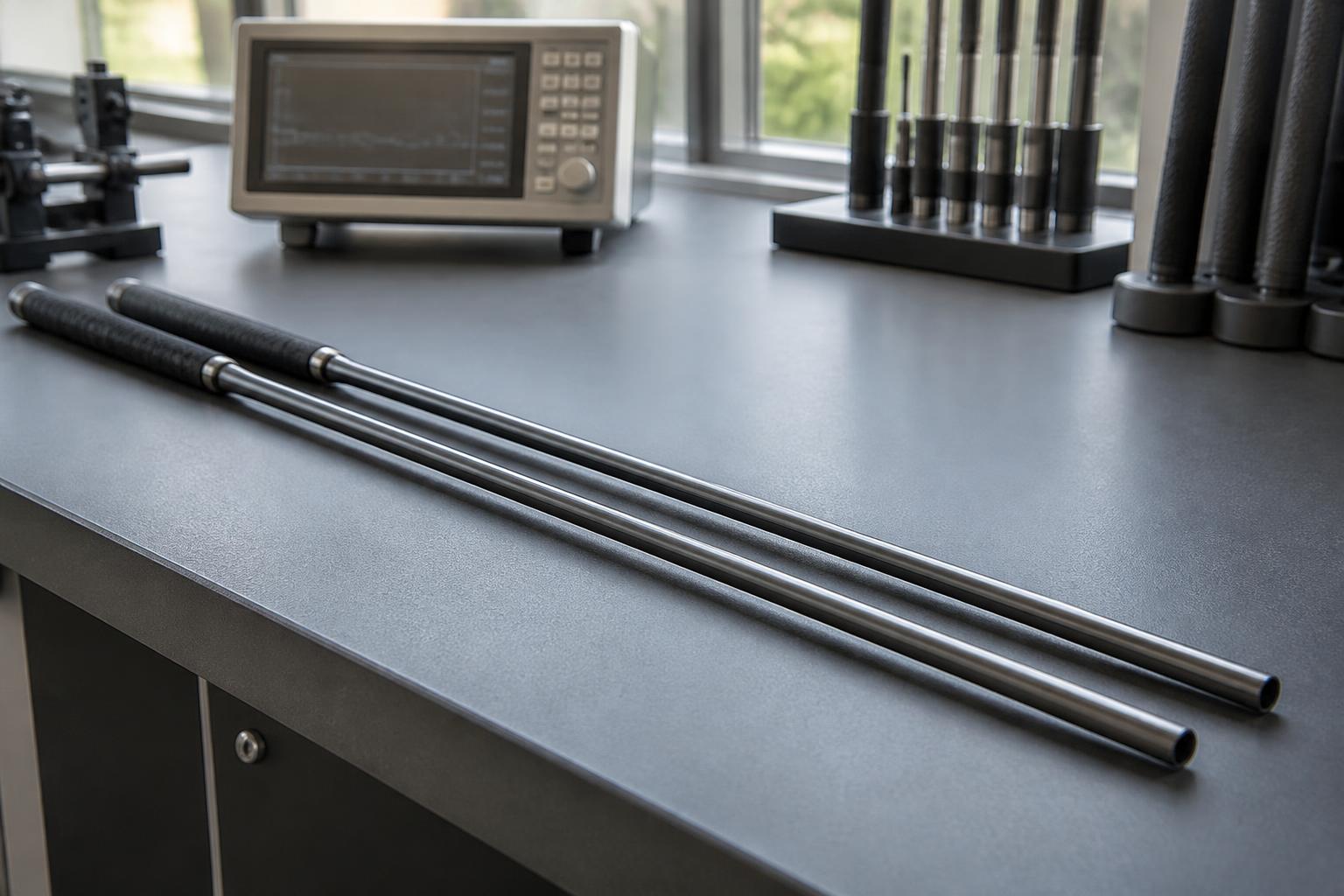
Every week someone hands me a club and asks whether they should be in an L or an A shaft, and almost every week I have to slow the conversation down. The question of ladies flex vs senior flex sounds like it should have a tidy answer, but the truth is that these two labels overlap, drift from brand to brand, and often say more about marketing than about how a shaft actually behaves. I am Patrick Greene, and I fit shafts for a living. Let me walk you through what ladies flex vs senior flex really means, where the meaningful differences live, and why the letter stamped near the grip should never be the last word on your setup.
Flex is a shaft’s resistance to bending during the swing. In descending order of stiffness, the common designations run X (extra stiff), S (stiff), R (regular), A (also called senior, and sometimes labeled M for the mid or “amateur” market), and L (ladies). So on paper, senior flex sits one notch stiffer than ladies flex. That single-notch gap is the headline, but it is not the whole story.
Here is the part that surprises people: there is no industry standard that defines what any of these letters must measure. One company’s A flex can bend like another company’s R. A ladies flex from a premium graphite line can be stouter than a bargain senior shaft. The letters are relative to each manufacturer’s own lineup, not to a shared benchmark. That is exactly why I never let a golfer buy on the label alone, and why our shaft selector asks about your delivery, not just your age or gender.
For an example of how one manufacturer separates ladies and senior flex while also publishing weight, torque, and bend-point data, review the True Temper SteelFiber specification sheet.
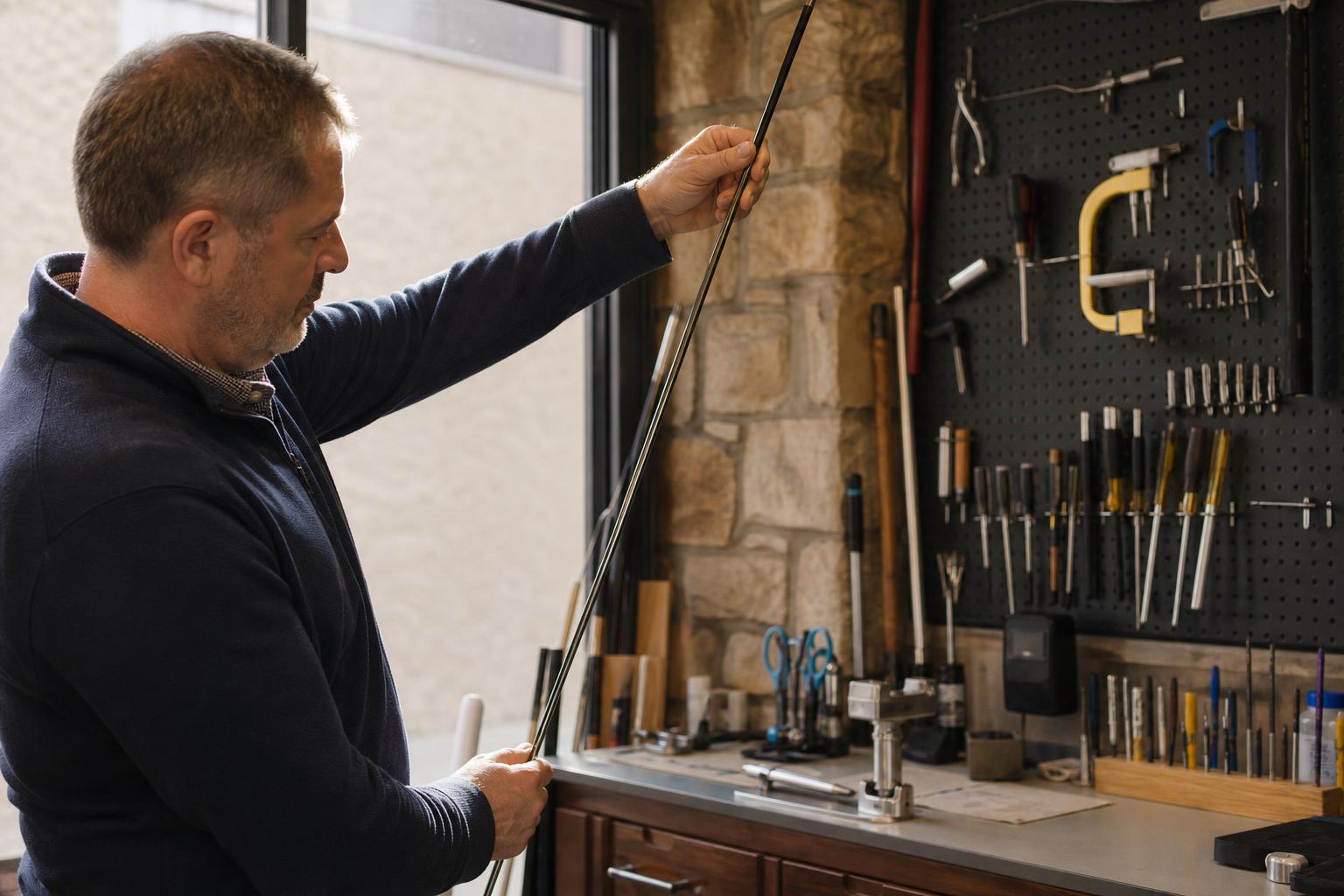
When you strip away the marketing, three physical properties actually separate a typical ladies shaft from a typical senior shaft. These are what I measure on the bench and what I feel in a fitting.
Ladies flex shafts are usually the lightest options in a family, often in the mid-40-gram to low-50-gram range for a driver. Senior flex shafts tend to sit a touch heavier, frequently in the 50-gram to low-60-gram window. Lighter mass helps a slower or smoother swing generate clubhead speed, but too light and the club can feel uncontrollable at the top. Weight is one of the first levers I pull, and it often matters more than the flex letter itself.
Two shafts can share the same flex letter and still feel completely different because of where they bend. A tip-soft profile launches the ball higher and adds a sense of kick through impact, which many slower swingers want. A firmer tip holds launch down and reduces spin. Ladies shafts are generally built with softer tip sections to help get the ball airborne, while senior shafts vary widely, some soft, some surprisingly stable. This is why bend profile, not the letter, decides whether you flight it too high or just right.
Torque is how much a shaft twists under load, measured in degrees. Lighter, softer shafts usually carry higher torque, which can feel smoother but can also make the face harder to square consistently if your tempo is quick. Senior shafts often run slightly lower torque than ladies shafts, giving a bit more stability. None of this shows up on the label, and all of it shows up in your dispersion.
People ask me for swing-speed brackets, and I will give you ranges, but please treat them as a starting point rather than a rule. As a rough guide, driver swing speeds under about 60 mph often pair well with a ladies profile, while speeds in the low-to-mid 70s to low 80s frequently land in senior flex territory. The overlap zone, roughly the mid 60s to low 70s, is where the ladies flex vs senior flex decision genuinely goes either way and where a fitting earns its keep.
Numbers give me a lane to start in. Your actual delivery tells me where to stop. That is the whole reason I measure before I recommend.

I want to hammer this point because it is the single biggest source of confusion in the ladies flex vs senior flex debate. Because no governing body dictates the specs, manufacturers set their own. A company that positions itself as a game-improvement brand may build its A flex softer to flatter slower swingers. A performance-focused brand may build its L flex firmer than you would expect. Two shafts marked identically can measure a full flex apart on a frequency analyzer.
The practical takeaway is simple. Do not carry your flex letter from an old club to a new one and assume it will feel the same. It very often will not. When we build something on our custom shafts bench, we match the physical numbers to you, then let the letter be whatever it happens to be. The behavior is what plays golf, not the stamp.
Here is the process I use so you can see why the label is the last thing I look at, not the first.
Nine times out of ten, the golfer who walked in certain they needed one flex leaves in something they never would have guessed. That is not a failure of their intuition. It is proof that the label was never carrying enough information to make the call.
A few patterns come up again and again, and avoiding them will save you money and strokes.
Yes, in most brands senior flex and A flex are the same designation, sometimes also shown as M. It sits one step stiffer than ladies (L) flex and one step softer than regular (R). Just remember that the exact stiffness behind that letter still varies from one manufacturer to the next.
No. Flex should follow your swing speed, tempo, and how you load the shaft, not your gender. Many women swing fast enough for senior, regular, or even stiff flex, and some men with smooth, slower swings play best in a ladies profile. Fit to the delivery, not the label.
As a general guide, driver speeds under roughly 60 mph often fit a ladies profile, and speeds in the low-to-mid 70s up to the low 80s often fit senior flex. The mid 60s to low 70s is an overlap zone where either can work, which is exactly where an in-person measurement makes the difference.
There is no industry standard defining these letters, so each manufacturer sets its own specs. Weight, bend profile, and torque all shift under the same label, which is why one company’s senior flex can feel like another company’s regular or ladies flex. Always compare the measured numbers rather than the stamp.
It can, when your current shaft is fighting your swing. A shaft that is too stiff for your speed lowers launch and costs carry, while the right weight and bend profile can help you square the face and flight the ball better. The gains come from matching the shaft to you, not from any single flex being magically longer.
If you are stuck between ladies flex vs senior flex, do not guess and do not buy on the letter. Let me measure how you actually deliver the club and build around it. Start with our shaft selector to narrow the field, then reach out and we will dial in the exact weight, flex, and bend profile that gets the most out of your swing.
Also Read: What Shaft Flex Should I Use? A Practical Fitting Guide
Written by Patrick Greene|Golf shaft specialist with 15+ years in

Written by Patrick Greene|Golf shaft specialist with 15+ years in
Free golf guide · 26 pages
How to Teach Your Wife Golf (And Live to Talk About It)
A funny, practical guide to better golf and fewer arguments: setup, swing, short game, putting and what not to say on the course.
Get the free guide