
How Custom Golf Shafts Enhance Distance and Accuracy
Written by Patrick Greene|Golf shaft specialist with 15+ years in

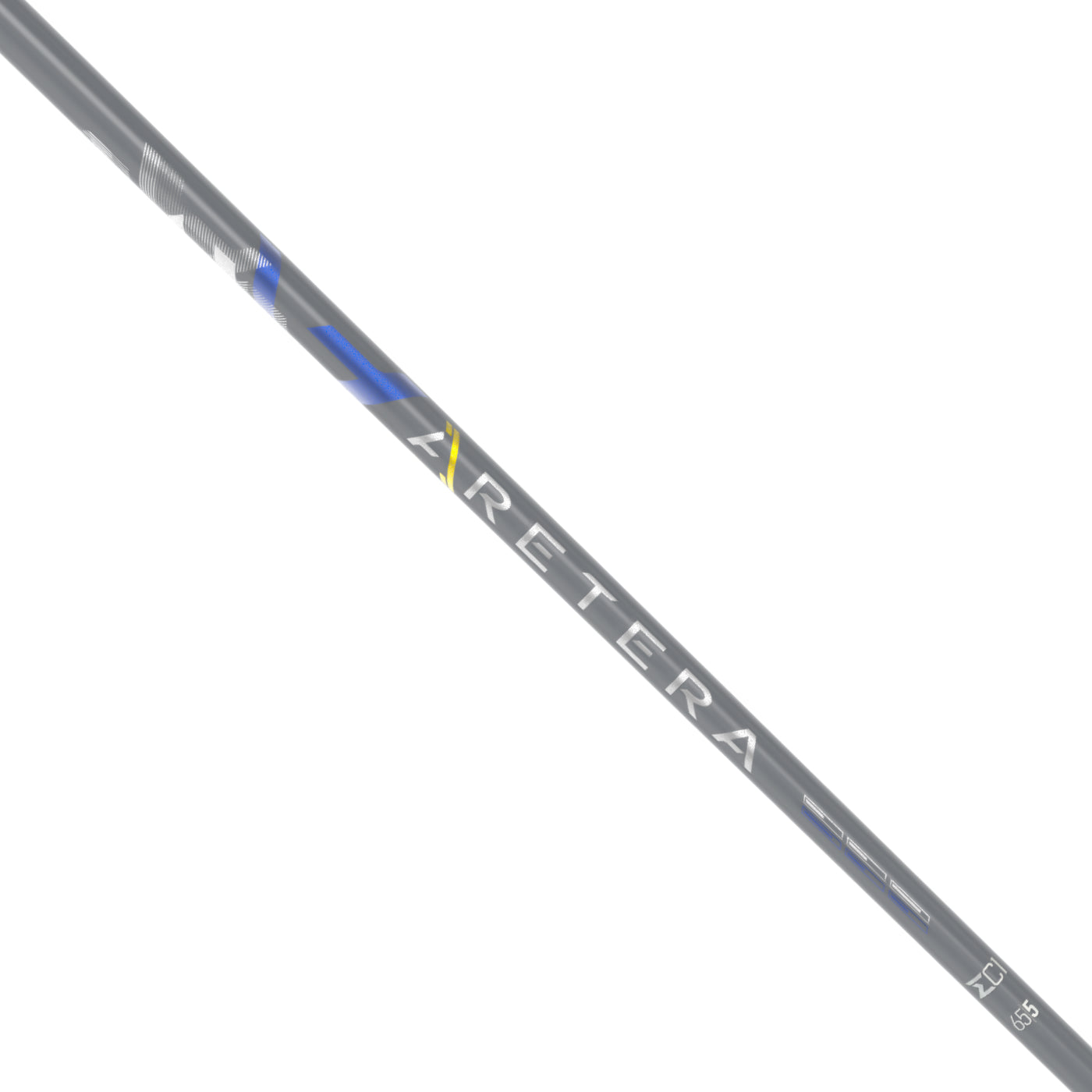
If you are deciding how to ship a golf shaft, the goal is simple: keep a long, lightweight, easily damaged item from moving, flexing, or taking an impact at the tip. Before you buy a label or tape a box, confirm the recipient’s private shipping instructions, accepted service, exact address, and whether they want the grip, adapter, or head included.
A golf shaft is not hard to pack, but it is unforgiving when packed loosely. A soft spot in the box, an unprotected adapter, or empty space around the shaft can turn a routine shipment into a bent, cracked, or scuffed delivery. Use the checklist below to prepare a shaft for an agreed recipient, whether you are sending from Southwest Florida or anywhere else in the country.
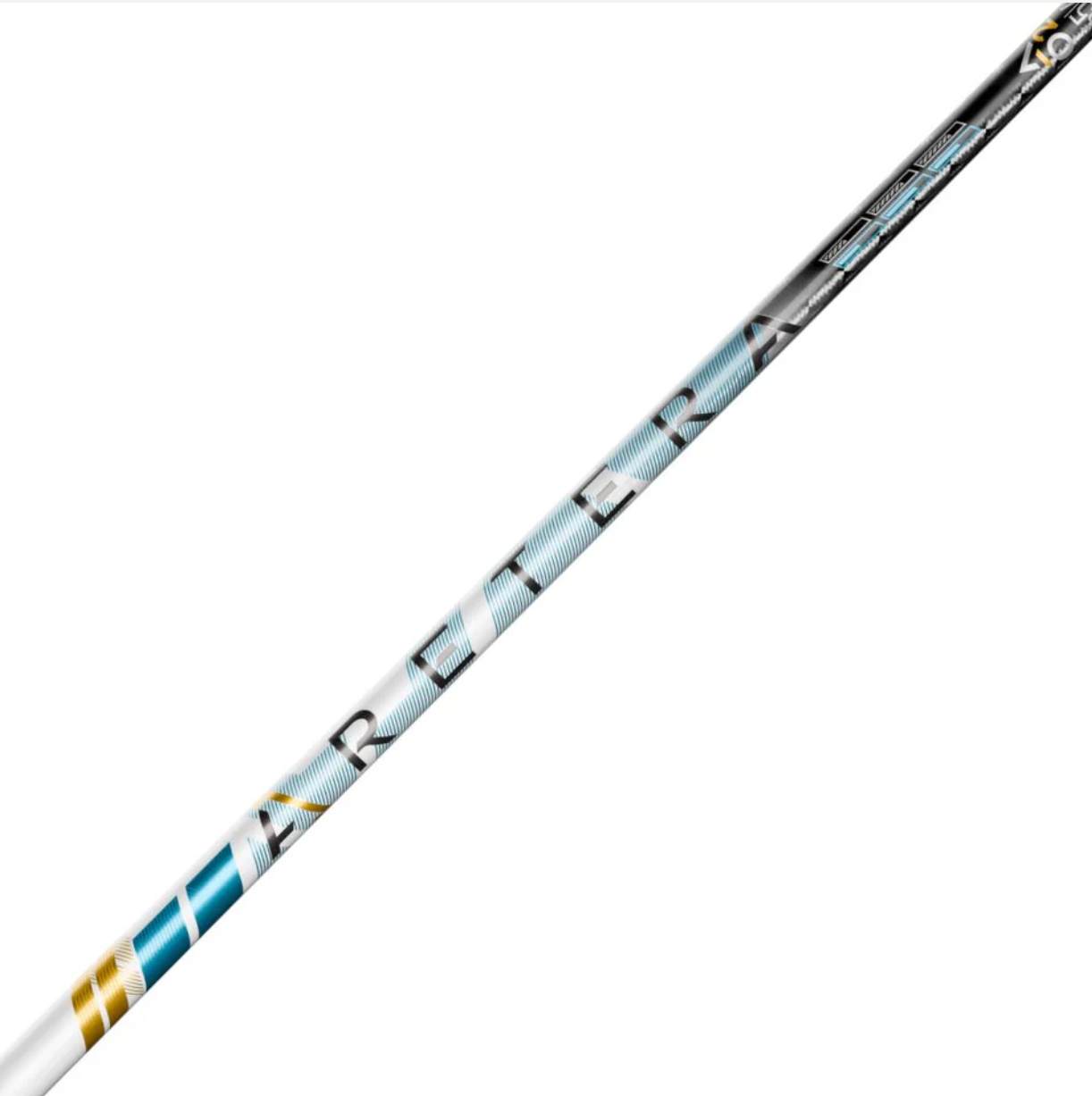
Start by confirming the basics with the person or business receiving the shaft. Ask for the exact shipping name, private delivery address, preferred carrier if they have one, and any packaging requests for the specific shaft, adapter, or grip. Do not rely on an old address, a text thread from months ago, or a public listing if the recipient has given you separate instructions.
Next, make sure the carrier and service you plan to use will accept the package length and shape. A single shaft can require a long box, and dimensional size can affect acceptance, handling, and cost. FedEx offers general guidance for shipping golf clubs, including using a sturdy box, wrapping clubs, filling empty space, and securing the package; their current overview is available at FedEx’s golf club shipping guide. For any shipment, use the carrier’s current rules for the exact box and service.
Decide what is actually being sent before you pack. A raw shaft, a shaft with grip, and a shaft with adapter all need slightly different protection. If a head is attached, you are no longer packing only a shaft, and the overall risk profile changes. If you are shopping for a replacement or comparing profiles before sending anything out, the Bogey Buster Golf Shafts shaft selector can help you think through the type of shaft you are working with.
Finally, photograph the shaft before packaging. Take clear pictures of the full length, label area, grip condition, tip, adapter, ferrule, and any visible marks. Then photograph each packaging step. These photos help document condition and show that the shaft was immobilized before it left your hands.
A golf shaft should not be shipped in a flimsy poster tube, a thin triangular mailer, or a box that collapses when lightly squeezed. Choose a rigid long box that gives enough room for padding around the shaft without leaving large unsupported voids. The box should resist bending across its length and should not have crushed corners, old punctures, or weakened seams.
If you are reusing a box, remove old labels and check that the cardboard is still firm. Long packages can take pressure in sorting, stacking, and vehicle loading, so a box that seems “good enough” in your hands may not be good enough once it is moving through a carrier network. Reinforce the long seams with quality packing tape, but do not use tape as a substitute for a box that is already soft or creased.
The shaft needs to be immobilized inside the box. Wrap the shaft in clean protective material, then use additional fill so it cannot slide end to end or rattle side to side. The package should pass a gentle shake test: if you hear movement, add more support before sealing.
Be careful with small, hard items inside the same box. Loose screws, weights, tools, or adapters can become projectiles and scratch the finish or damage a tip. If anything other than the shaft must be included, wrap it separately and secure it so it cannot contact the shaft during transit.
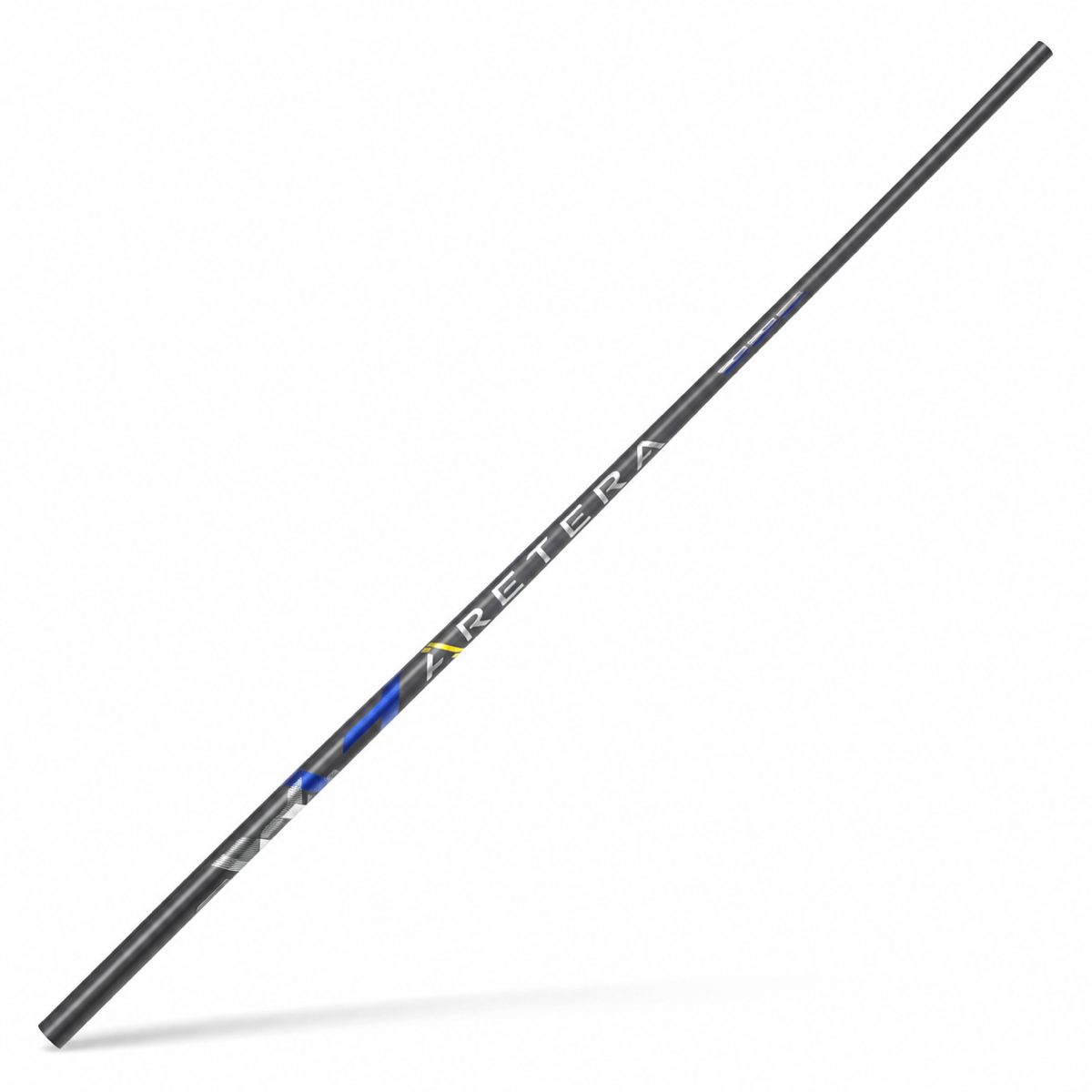
The tip end deserves special attention because it is one of the most vulnerable parts of the shipment. A raw graphite tip can be damaged by direct impact, and an adapter can be scuffed, loosened, or stressed if the end of the package takes a hit. Follow the manufacturer’s guidance for any specific adapter, sleeve, or component, especially if there are product-specific handling concerns.
Build a protective buffer around the tip area rather than letting it sit close to the cardboard wall. Wrap the tip or adapter with cushioning, then add a slightly firmer layer outside that wrap so pressure is spread across a wider area. Do not tape directly onto painted graphics, raw tip areas, grip material, or ferrules unless the recipient or manufacturer has specifically told you to do so.
If the shaft has a grip installed, protect it from compression and abrasion. Grips can pick up dents, residue, or surface marks when pressed against cardboard or rough packing material. Wrap the grip separately, especially if it has texture, a softer feel, or a light color that may show marks.
Balance is important. Overpacking one end while leaving the other end loose can still allow the shaft to pivot inside the box. Support the full length with several contact points so the shaft rides in the center of the package, not against one corner. If you are replacing or comparing components before shipping, you can browse shaft options in the Bogey Buster Golf Shafts online shop for context on different shaft styles and configurations.
Once the shaft is wrapped, supported, and unable to move, close the box and tape it securely. Place the shipping label on the broadest flat surface, away from seams when possible, and make sure the barcode lies flat. If the box is narrow, avoid wrapping the barcode around an edge because that can make scanning harder.
Write or include the recipient’s information exactly as confirmed. If you include a note inside the box, keep it simple: sender name, recipient name, contact details if appropriate, and any agreed description of what is enclosed. Do not put private instructions on the outside of the package unless the recipient has asked you to do so and the carrier allows it.
Before handoff, take final photos of the sealed box, label placement, taped seams, and overall condition. Keep the tracking number and shipment receipt in a safe place. These steps do not guarantee an outcome, but they create a clear record of what was shipped and how it was packed.
When dropping off the package, choose an accepted carrier location for the service you purchased. If you are unsure about the package size, label, or service, ask before leaving it behind. Long boxes are awkward, so keep the package flat and supported while transporting it to the carrier, rather than leaning it where it can fall or bend.
A tube may work only if it is rigid enough, long enough, and allows proper padding at the tip, grip, and sides. Many thin tubes are not ideal because they can crush, roll, or leave the shaft with little end protection. A sturdy long box is often easier to immobilize with padding. Always confirm carrier acceptance for the exact package you plan to use.
If the shipment is intended to be a shaft only, confirm with the recipient whether the head should be removed. A shaft with a head attached needs different packing because the head adds weight and can stress the tip or adapter during impact. Follow manufacturer guidance for the specific club and adapter, and do not force parts apart if you are unsure.
Use enough padding so the shaft cannot rattle, slide, or press directly against the box. The tip and adapter end should have extra cushioning and a firm buffer near the end of the box. After packing, gently shake the sealed box. If you hear or feel movement, reopen it and add more support before shipping.
Photograph the full shaft, graphics, grip, tip, adapter, ferrule, and any existing marks before packing. Then photograph the wrapped shaft inside the box, the end protection, the filled voids, and the sealed package with the label visible. These images create a useful condition and packaging record for you and the agreed recipient.
Call Bogey Buster Golf Shafts at 1-800-380-7901 if you want practical golf shaft buying or build guidance before you send or replace a shaft, or Contact Bogey Buster Golf Shafts to discuss your next step.
Written by Patrick Greene|Golf shaft specialist with 15+ years in

Written by Patrick Greene|Golf shaft specialist with 15+ years in