
How Custom Golf Shafts Enhance Distance and Accuracy
Written by Patrick Greene|Golf shaft specialist with 15+ years in

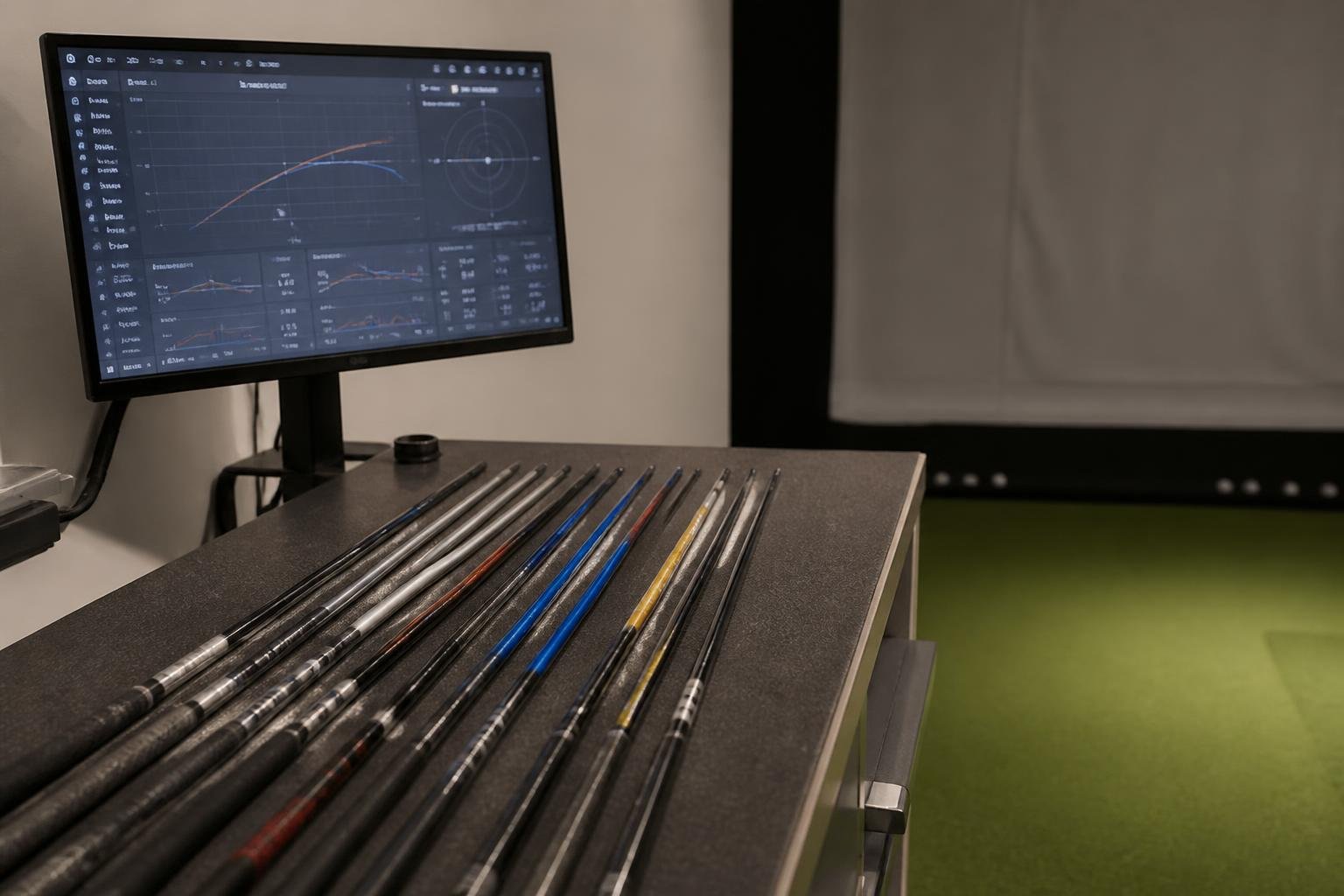
One of the most common questions we get before a fitting has nothing to do with shafts at all: how much time should I actually block off? Golfers picture everything from a quick 15-minute demo to an all-day event, and the uncertainty is enough to make some people put off booking a session they would otherwise benefit from.
This guide walks through what actually happens during a shaft fitting session, roughly how long each part takes, and what can extend or shorten the total time so you can plan around it with confidence.
Every session starts with a conversation, not a swing. This is where we talk through what is not working with your current setup, what you are hoping to improve, and any physical or swing considerations worth knowing up front. This part is short but matters more than golfers expect, since it shapes which shafts get tested first.
Before testing anything new, we measure how your current clubs are actually performing, swing speed, launch, spin, and dispersion with what is already in your bag. This baseline is the number everything else gets compared against, so skipping it would make the rest of the session far less useful.
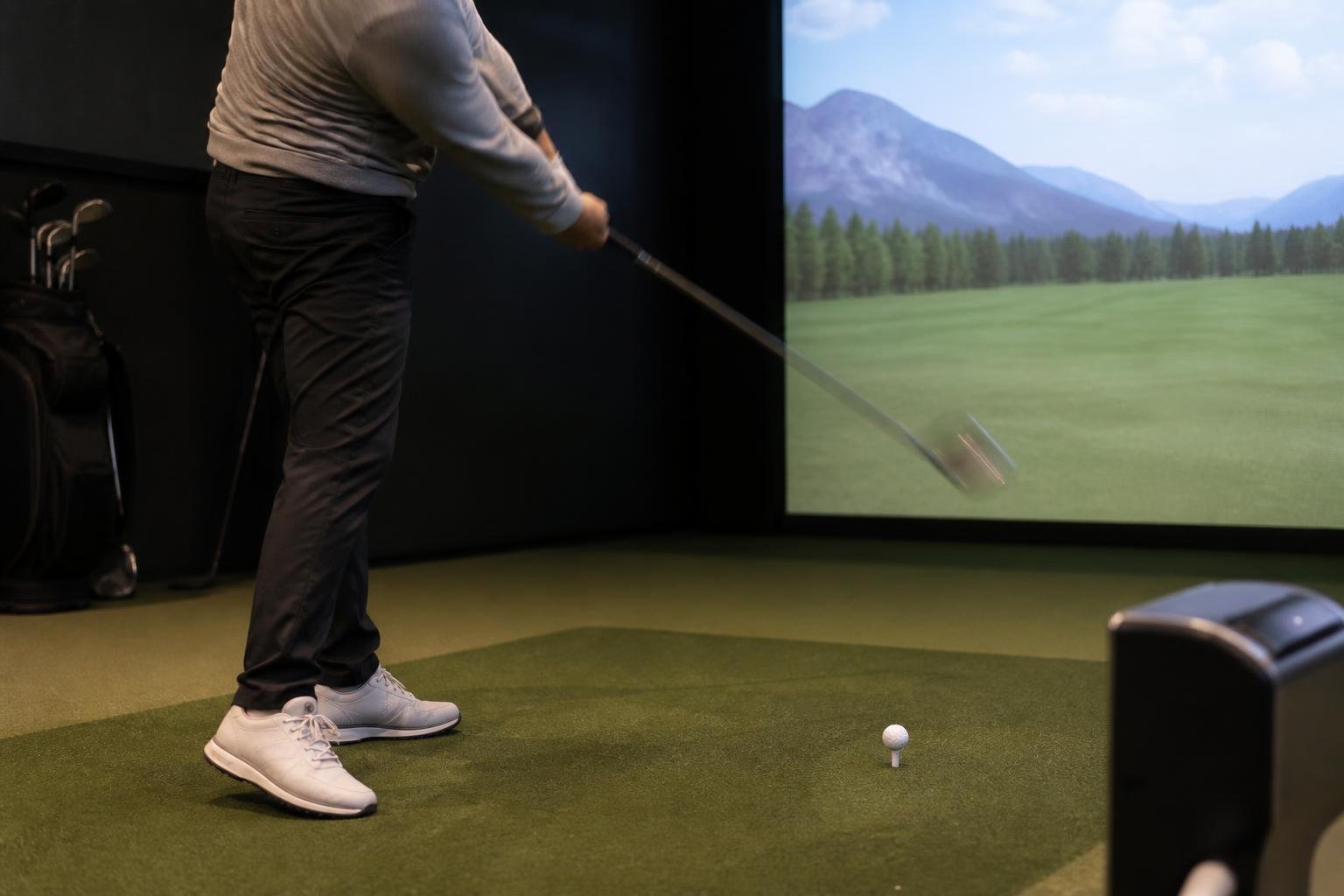
This is the longest and most variable part of the session. Testing multiple shaft options across different weights and flexes, hitting enough shots with each to see a real pattern rather than a single lucky swing, takes the bulk of the appointment. The number of shafts tested and how quickly a clear front-runner emerges both affect how long this stretches.
Once a shaft or two stand out, the final stretch of the session confirms the choice with more focused testing, locks in the specific weight and flex, and covers what the actual build and turnaround will look like.
Session length varies by how many clubs are being fit, how quickly a clear preference emerges, and how much back-and-forth conversation happens along the way. A single-club fitting, say just a driver, is naturally a shorter appointment than fitting a full set of irons plus a driver and fairway wood, since a full-bag session covers more testing ground and more decisions to work through.
A golfer who is between two very close options can add real time to a session, since narrowing a genuine toss-up takes more swings than confirming an obvious front-runner. Warming up longer than expected, wanting to test an extra brand not originally on the list, or simply having an off day physically can all extend a session past its typical length. None of that is a problem, it is just worth knowing going in that the estimate is a starting point, not a hard ceiling.
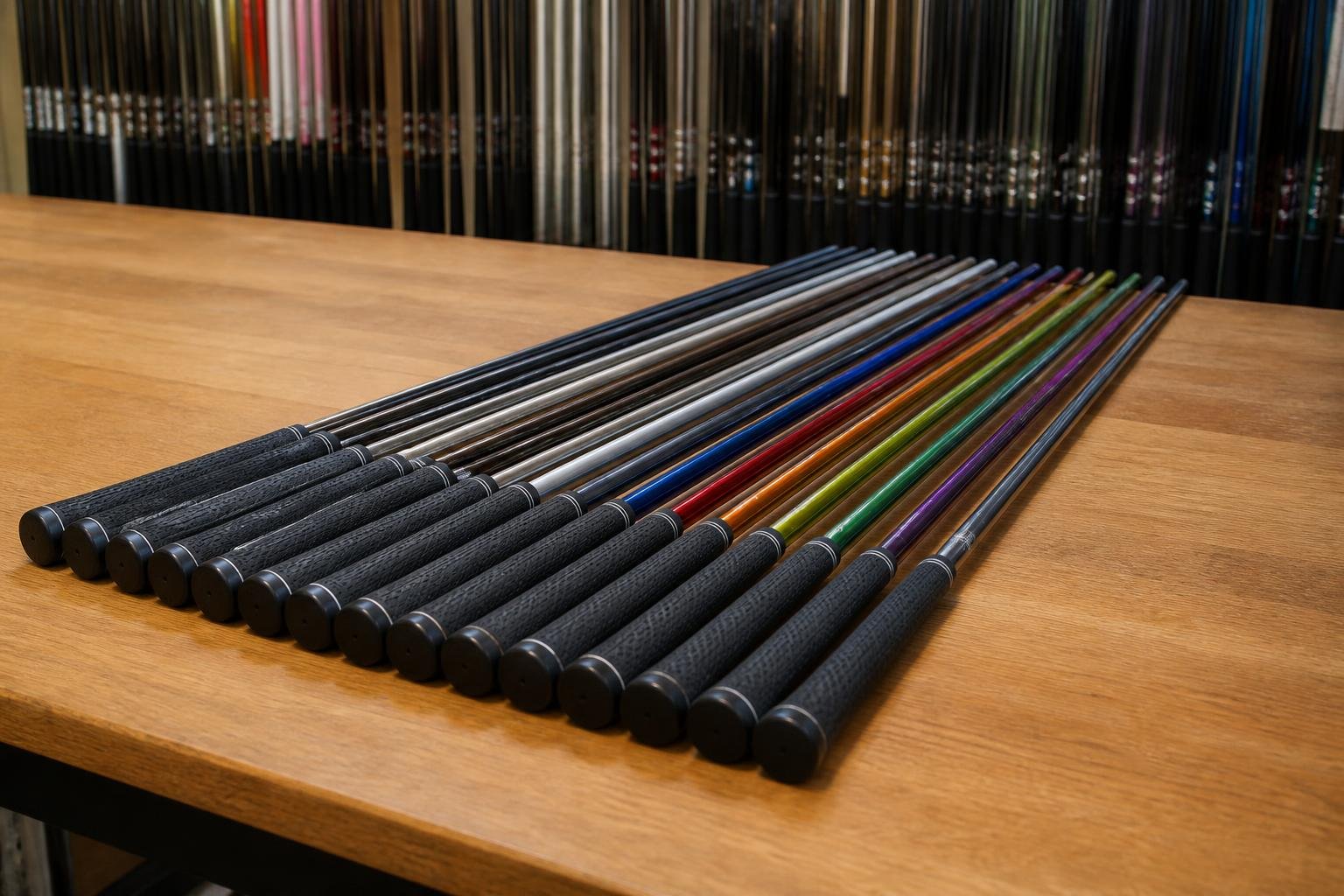
Golfers who arrive already warmed up, who have a clear sense of what is not working with their current setup, or who are fitting a single club rather than a full bag tend to move through a session more efficiently. Bringing your current clubs to the session also saves time, since it skips having to source demo comparisons for your baseline.
If you are booking a fitting around a tight schedule, tell us what you are working with when you book, and we will structure the session to prioritize the clubs that matter most to you first. That way, even if time runs short, the highest-priority decisions get made with real data rather than rushed at the end.
Bringing your current clubs, wearing golf shoes or at least comfortable athletic shoes, and having a rough sense of your current handicap or typical scores all help a session move efficiently. None of these are requirements, but each one shaves a small amount of setup time off the front of the appointment, which adds up across a full-bag session.
It also helps to arrive with a general sense of your budget range before testing begins. Knowing roughly what you are comfortable spending lets us focus testing on shafts that are realistic options rather than spending session time on choices that were never going to make the final list.
Once a shaft is selected, the fitting session itself is finished, but the build timeline continues separately, covering trimming, installation, and the epoxy cure time the club needs before it is ready to play. Planning for that additional build window, not just the fitting appointment, is worth doing if you are working toward a specific date.
If you are booking fittings for more than one person in the same visit, let us know ahead of time so the schedule accounts for it properly, rather than assuming two people can share a single appointment slot. Each golfer needs their own full baseline and testing sequence for the results to be meaningful.
Weekday sessions tend to move a little faster simply due to a quieter shop and fewer scheduling interruptions, while weekend sessions can run a bit longer if the bay is busy. Neither is a problem, but if your schedule is especially tight, a weekday slot gives a bit more predictability around the total time.
Clubmaking and fitting reference sites such as GolfWorks outline general fitting-session structure, which is a useful preview if you have never sat through a full launch-monitor fitting before.
If your schedule is genuinely tight, it is better to say so up front and fit fewer clubs thoroughly than to rush a full-bag session and walk away with numbers you are not confident in.
No. Most single-club and even multi-club fittings fit comfortably into a portion of a day. A full-bag fitting is the main scenario where splitting into two shorter visits sometimes makes sense.
Arriving loose and ready to swing, rather than using the first part of the session to warm up cold, helps the baseline measurements reflect your real swing sooner.
Yes, and it is encouraged. Your current clubs are the best baseline for showing what actually needs to change.
That happens, and it is a normal part of fitting rather than a failed session. We can extend testing on the two finalists or, if needed, schedule a short follow-up to settle it with fresh legs.
Ready to book? Start with the shaft selector to think through what you want out of the session, then reach out to get on the schedule, or learn more about the process on our custom shaft service page. Call 1-800-380-7901 and we will help you plan the visit around your schedule.
Also Read: How Custom Golf Shafts Enhance Distance and Accuracy
Written by Patrick Greene|Golf shaft specialist with 15+ years in

Written by Patrick Greene|Golf shaft specialist with 15+ years in

Free golf guide · 26 pages
How to Teach Your Wife Golf (And Live to Talk About It)
A funny, practical guide to better golf and fewer arguments: setup, swing, short game, putting and what not to say on the course.
Get the free guide