
How Custom Golf Shafts Enhance Distance and Accuracy
Written by Patrick Greene|Golf shaft specialist with 15+ years in

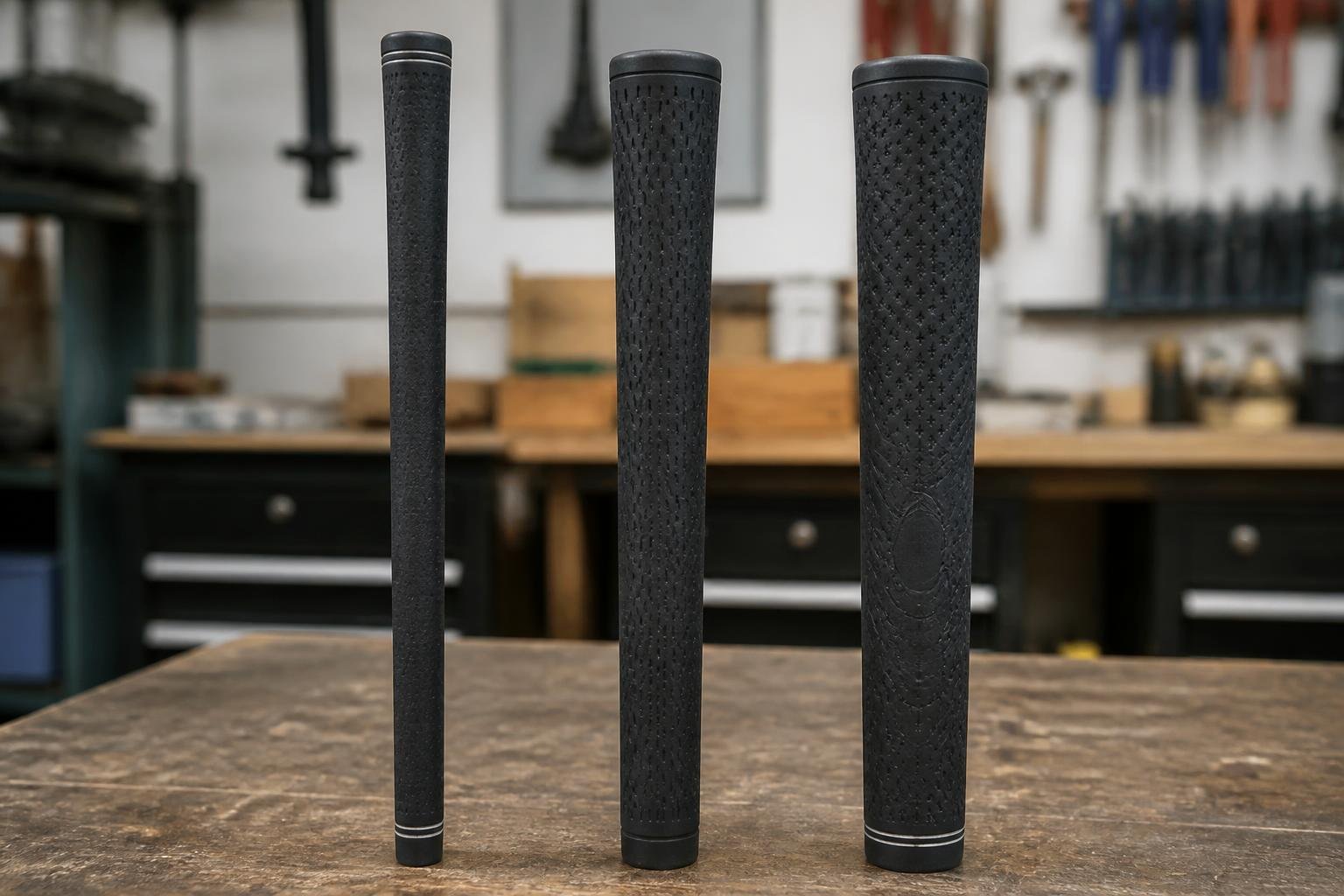
Grip size gets treated as a comfort decision more often than a performance one, but it quietly changes something that does matter for performance: swingweight. A heavier or thicker grip shifts weight toward the handle end of the club, and that shift moves the balance point in a way that changes how the whole shaft feels through the swing.
This connection surprises a lot of golfers who switch grip sizes for hand comfort and then notice their clubs feel different without understanding why. This guide explains the mechanics behind that change and what to check before you make a grip switch on clubs you already like the feel of.
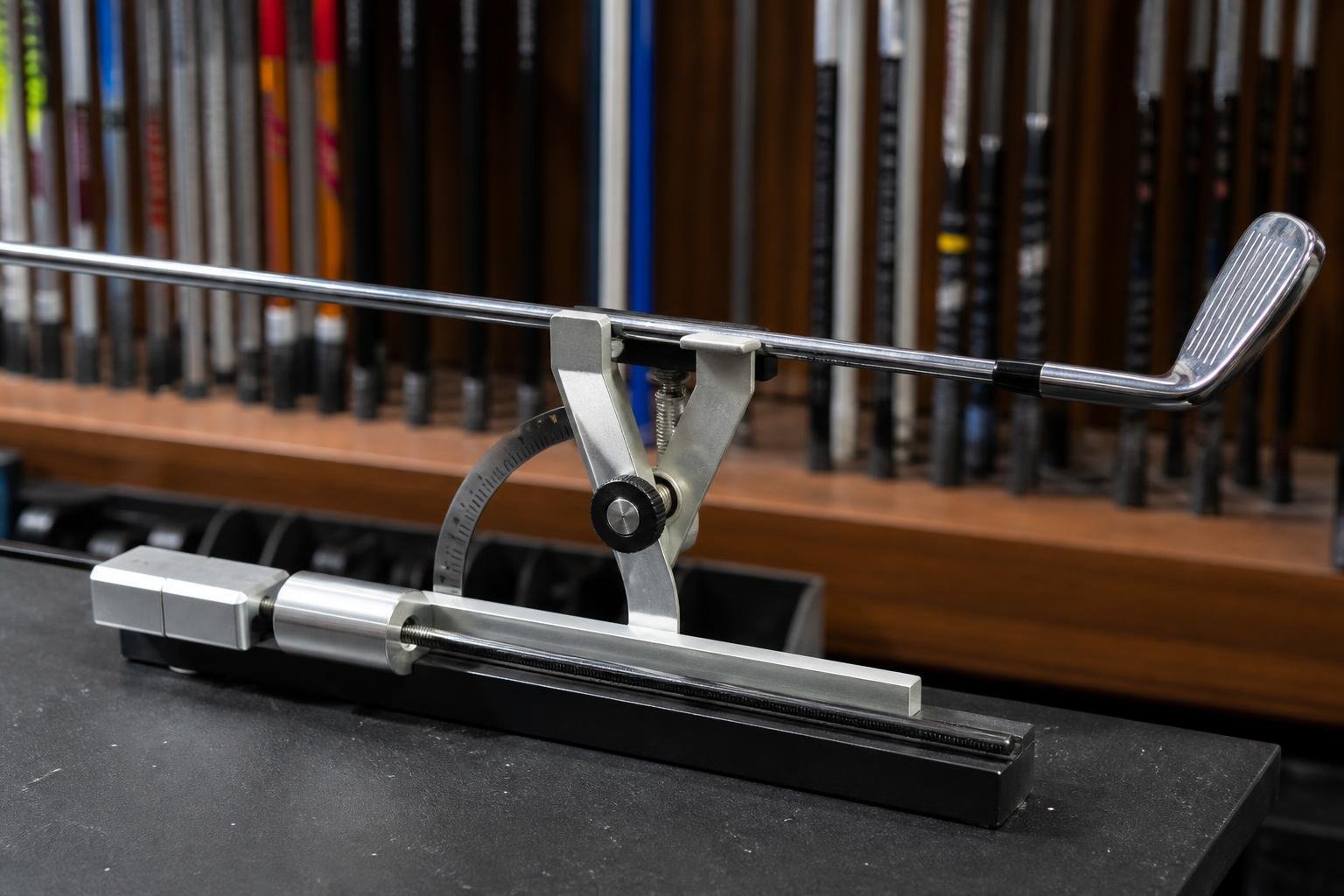
Swingweight measures how a club’s weight is distributed relative to a fixed fulcrum point, not the club’s total weight. Because the grip sits at the opposite end of the club from the head, adding weight at the grip end pulls the balance point back toward the hands, which lowers swingweight. Removing weight from the grip end, or making the grip lighter, does the opposite and raises swingweight.
Oversize grips are almost always heavier than standard grips simply because they use more material, so switching to an oversize grip without any other change typically lowers a club’s swingweight measurably. Undersize grips work in the opposite direction.
Most golfers think about grip size purely in terms of hand feel: a thicker grip can reduce excessive hand action for golfers who tend to release too early, while a thinner grip can help golfers who want more hand action through impact. That reasoning is valid, but it leaves out the swingweight side effect, which changes how the clubhead feels to load and release regardless of the hand-action goal you started with.
A club with lowered swingweight can feel lighter and quicker through the swing, sometimes described as feeling like the head has ‘disappeared’ compared to before. For some golfers, especially those who prefer more tactile feedback from the clubhead, this feels like a loss of control even though total club weight has not changed at all. Others prefer the lighter, quicker sensation and swap oversize grips onto their whole set deliberately for exactly this reason.
If you like your current swingweight and want to change grip size for comfort reasons, that swingweight can usually be restored by adjusting weight elsewhere on the club, most commonly with a small amount of head weight or a counterweight in the butt end of the shaft, depending on what the specific club and shaft allow. This is a case where a fitter’s tools matter more than a guess, since compensating by feel alone tends to overcorrect or undercorrect.
Not every swingweight shift needs to be corrected. If you are changing grip size specifically because your current swingweight does not suit your swing speed or tempo, the shift itself may be doing you a favor, and forcing the swingweight back to its old number would undo the benefit you switched grips to get in the first place.
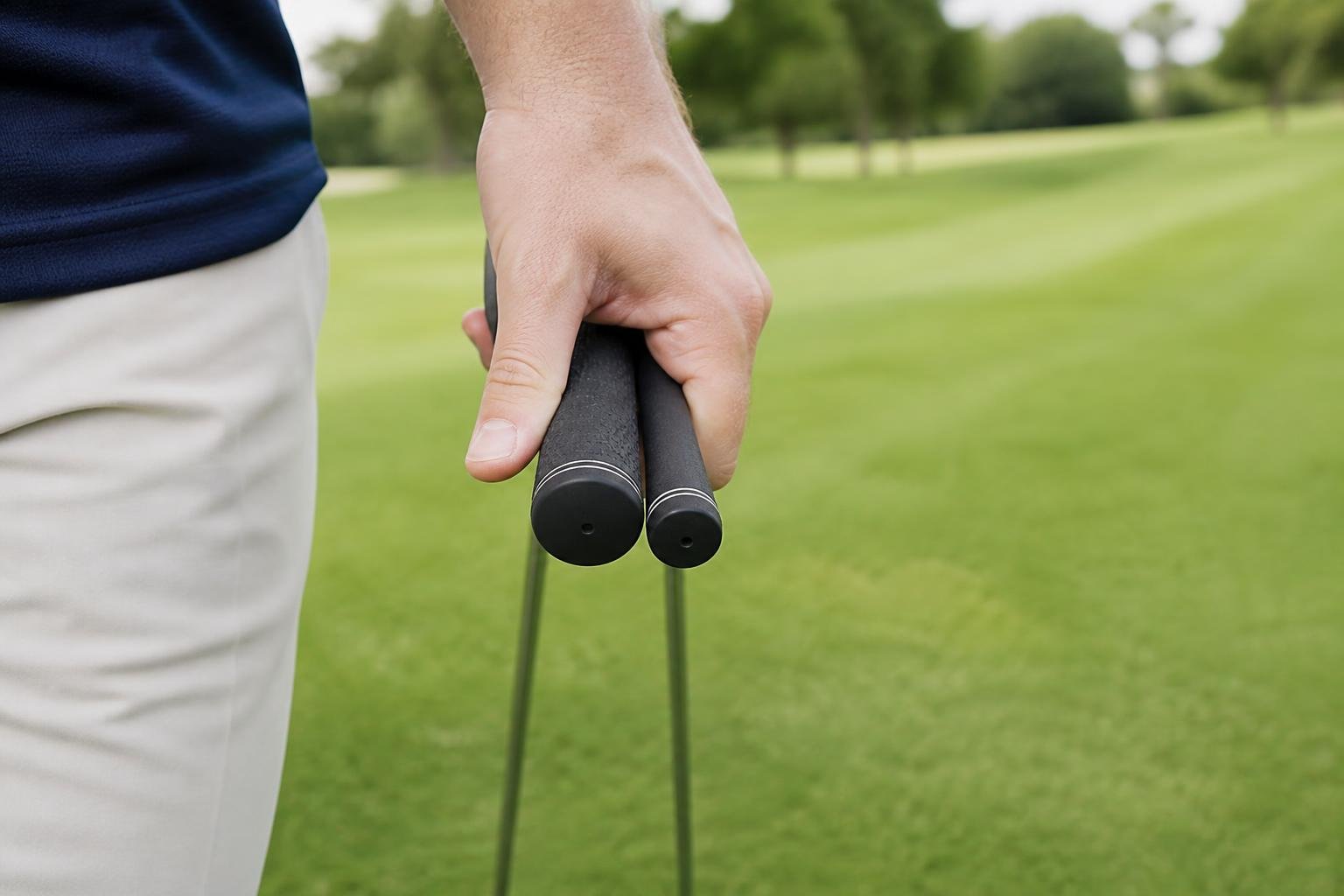
Whatever grip decision you land on, apply it consistently across the set rather than switching grip size on one or two clubs. Mixed grip sizes within a set create inconsistent swingweight club to club, which adds a variable you are fighting without realizing it, similar to the tempo issues an uneven grip install can cause.
Our custom shaft service measures swingweight before and after any grip change, so you know exactly what shifted and can decide deliberately whether to compensate or leave it as is.
A swingweight scale measures balance on a letter-number scale, and while the exact number matters less than the relative shift, watching the reading move as a grip is swapped is the clearest way to understand the relationship described above. Most fitting shops and many local pro shops have a scale available, and watching one reading in person makes the concept click faster than any written explanation.
If you do not have access to a scale, a rough proxy is simply noticing how a club feels when you waggle it at address before and after a grip change. It is not as precise as an actual measurement, but a clearly noticeable shift in how head-heavy a club feels is a reasonable signal that swingweight moved meaningfully.
Fitters track swingweight closely because it affects tempo and timing, not just raw feel. A club that swingweights differently than the rest of a set can throw off the rhythm a golfer has built around their other clubs, which is why a seemingly minor grip decision on one club can ripple into inconsistency across a full bag if it is not accounted for.
Some golfers add extra layers of tape under a grip to build up perceived thickness without buying a different grip size entirely. This works, but it adds weight at the handle end just like an oversize grip does, and that added weight should be factored into the same swingweight conversation rather than treated as a separate, weightless adjustment.
Some golfers deliberately run a slightly larger grip in hot, sweaty months for extra security and switch back to a standard size in cooler weather. If you take this approach, remember that each seasonal swap is also a swingweight swap, and revisiting the balance point with each change keeps the club feeling consistent with what you are used to rather than drifting further from it over a season.
Clubmaking suppliers such as GolfWorks publish grip weight charts by size and model, which is a useful reference for estimating how a specific grip swap will shift swingweight before you commit to it.
If you are unsure whether a swingweight shift from a recent grip change is actually affecting your ball-striking, tracking a few rounds before and after the change, even informally, can reveal a pattern that is hard to notice swing by swing.
Yes, any meaningful change in grip weight moves the balance point and therefore the swingweight reading, though the size of the shift depends on how much the grip weight actually changed.
The exact shift depends on the specific grip models being compared and their weight difference, which is why a swingweight scale reading before and after is more reliable than a general estimate.
Often yes, using head weight or a counterweight adjustment, as long as the club and shaft allow for it. A fitter can confirm what your specific setup allows.
Most golfers benefit from a consistent grip size across the set for consistent feel, though some golfers deliberately vary size between woods, irons, and wedges. Either approach should be a deliberate decision rather than an accident of separate purchases.
If your grip size and swingweight have drifted apart over time, we can measure where things stand and talk through options. Start with the shaft selector or check our FAQs, and call 1-800-380-7901 for a straight answer on your specific clubs.
Written by Patrick Greene|Golf shaft specialist with 15+ years in

Written by Patrick Greene|Golf shaft specialist with 15+ years in

Free golf guide · 26 pages
How to Teach Your Wife Golf (And Live to Talk About It)
A funny, practical guide to better golf and fewer arguments: setup, swing, short game, putting and what not to say on the course.
Get the free guide