
How Custom Golf Shafts Enhance Distance and Accuracy
Written by Patrick Greene|Golf shaft specialist with 15+ years in


A shaft warranty sounds like a simple promise: if it breaks, it gets replaced. In practice, manufacturer warranties are narrower and more specific than most golfers expect, and the gap between what people assume is covered and what is actually covered is where frustration usually starts.
We field warranty questions from customers fairly often, usually after something has already gone wrong. This guide covers what shaft warranties typically include, what almost universally voids them, and what to do to protect your coverage from the day the shaft arrives.
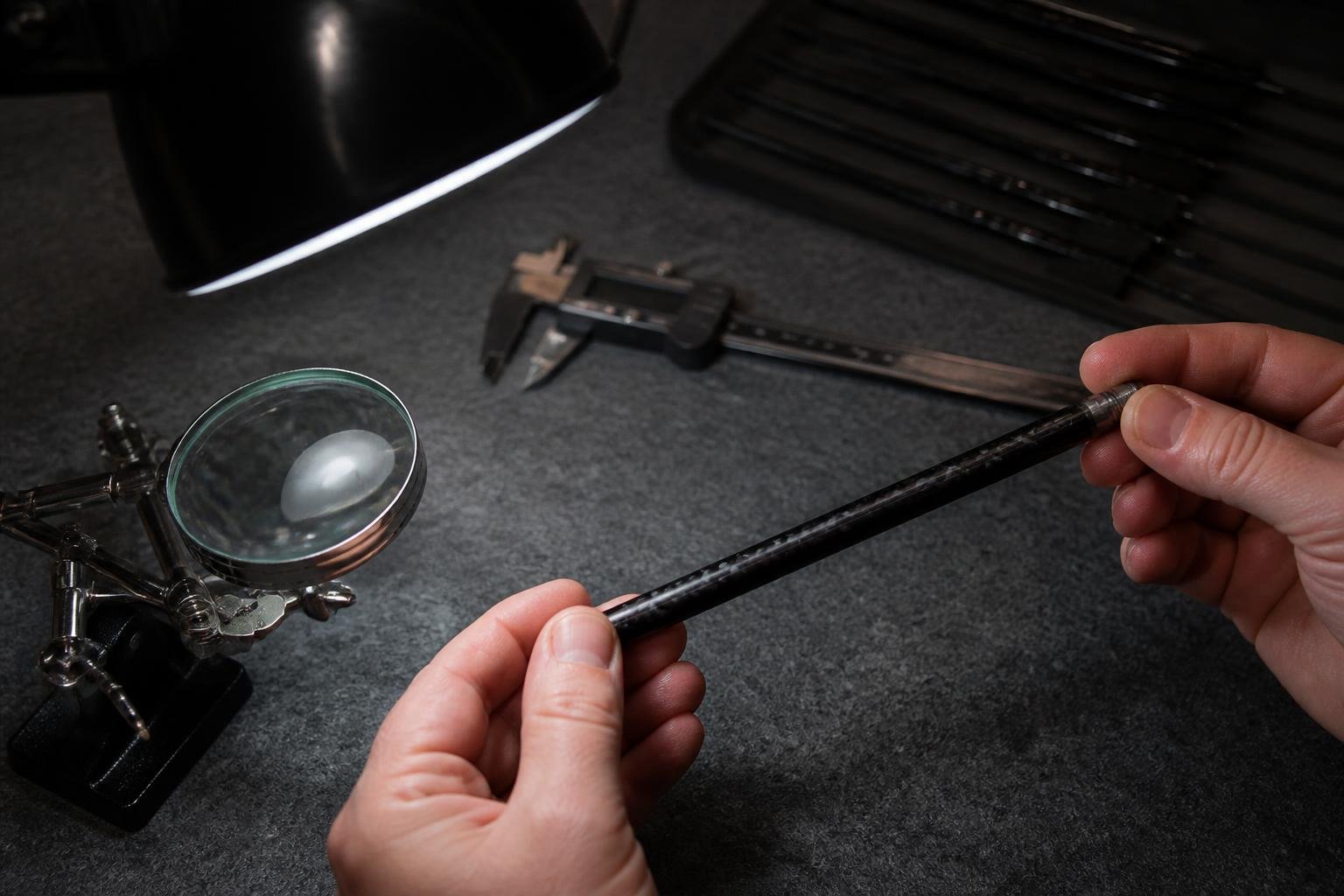
Most manufacturer warranties cover manufacturing defects, meaning a flaw in materials or construction that caused a failure under normal use. If a shaft delaminates, cracks along a seam, or fails in a way that traces back to how it was built rather than how it was used, that is the scenario warranties are designed for.
Warranty terms and registration requirements vary by manufacturer, so the specific coverage window and process should always be confirmed against the manufacturer’s own published policy for your exact model, which is typically included with the shaft or available on the manufacturer’s website.
Normal use generally means the shaft was fitted correctly for the intended swing speed and flex, installed by a competent builder, and used to play golf rather than for anything outside its intended purpose. A shaft that fails during a normal swing, with no visible impact damage or external cause, is the kind of claim manufacturers are set up to evaluate fairly.
The most common warranty killer is an installation problem, not a manufacturing one. A shaft that was epoxied incorrectly, tip-trimmed beyond the manufacturer’s chart, or installed in a mismatched adapter can fail for reasons that have nothing to do with how it was built. Manufacturers generally will not cover a failure they can trace to an improper install.
This is the part golfers most often overlook. A warranty protects the shaft as designed, which means the moment it is trimmed, epoxied, or adapted outside the manufacturer’s published specifications, a claim becomes harder to support. This is exactly why our custom shaft service follows manufacturer tipping charts and installation guidance rather than improvising, so a build does not quietly void the coverage you paid for.
Warranty support is generally strongest when a shaft is purchased through an authorized retailer, since the manufacturer has a documented relationship and purchase trail to verify. Gray-market or unauthorized sources can complicate a claim even when the shaft itself is genuine, simply because the paper trail is missing.
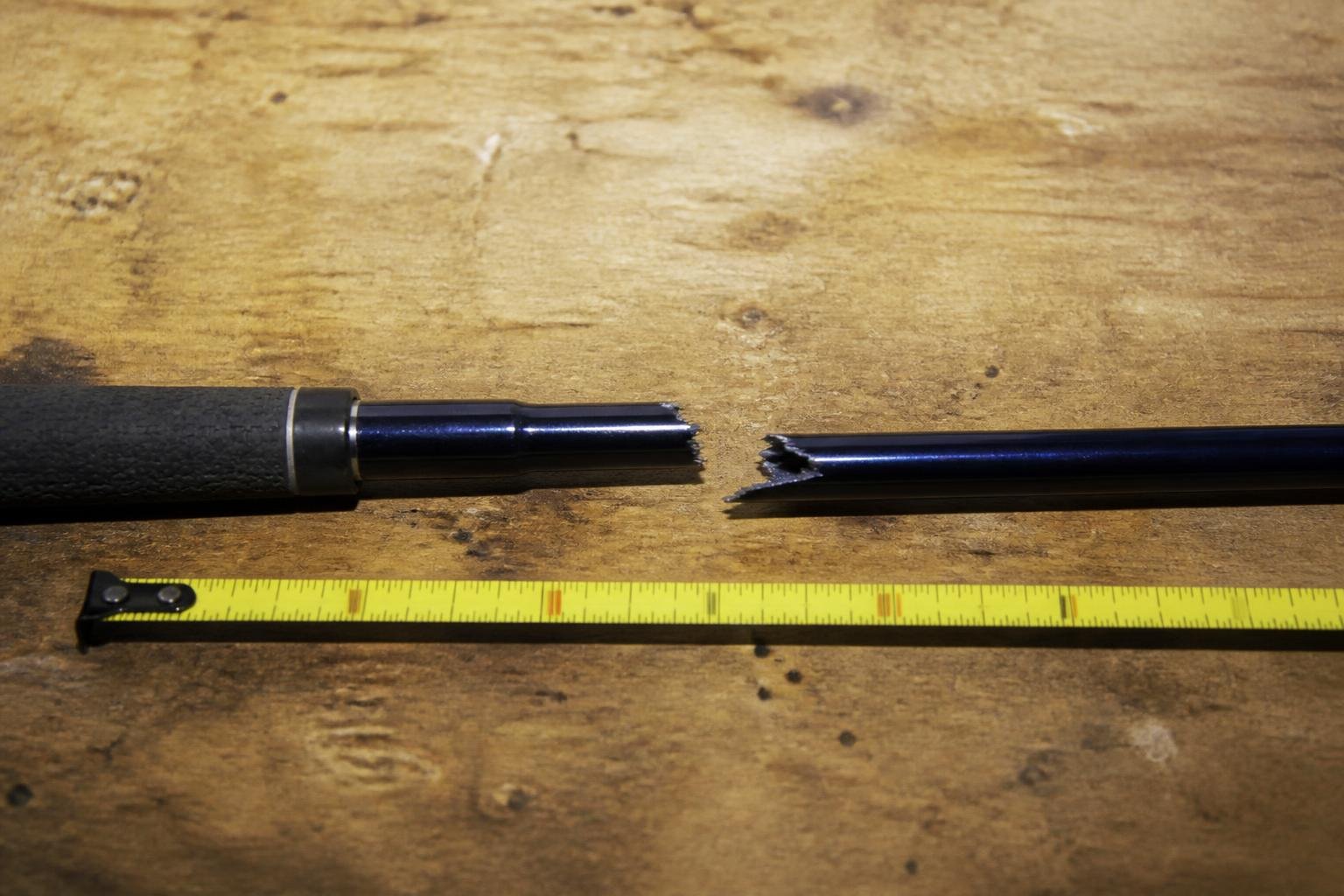
Start by not discarding anything. Keep the broken shaft, the original receipt or order confirmation, and any registration information. Take clear photos of the failure point before the club is used again or the pieces are separated further. Then reach out to the retailer or manufacturer with that documentation rather than assuming the claim will be denied.
If the shaft was installed through us, we can help document the build specs as part of a claim, since we keep records of the tipping, length, and installation details for every custom build we complete.
Register the shaft if the manufacturer offers registration. Keep the receipt somewhere you will find it in two years, not just in an inbox you might switch. Have the shaft installed by someone who will follow the published spec chart rather than eyeballing it. None of this guarantees a claim will be approved, but skipping it is one of the fastest ways to lose coverage you were otherwise entitled to.
Warranty terms are set at the manufacturer and product level, which means a wood shaft and an iron shaft from the same brand can carry different coverage windows or documentation requirements. This is easy to overlook when a golfer assumes one warranty policy applies uniformly across a manufacturer’s entire catalog. Before assuming coverage, check the specific policy tied to the exact product page or packaging for the shaft in question.
This matters most for golfers building a mixed-brand bag, where three or four different manufacturer warranty policies are potentially in play across a single set of clubs. Keeping receipts and registration confirmations organized by product, not just by purchase date, makes any future claim considerably less stressful to sort out.
A shaft failure rarely happens on a convenient timeline. Golfers who keep a simple folder, physical or digital, with receipts, registration confirmations, and build notes for each club tend to have dramatically smoother warranty experiences than golfers trying to reconstruct a purchase history two years after the fact from memory or a buried email.
A denied claim is not always the end of the conversation. Some retailers, including us, will work with a manufacturer on a customer’s behalf if there is a reasonable case the failure was a manufacturing issue rather than a use or installation issue, since we have an ongoing relationship with the brands we carry that an individual golfer typically does not.
Clubmaking reference sites such as GolfWorks are a useful starting point for understanding general shaft construction and installation standards that most manufacturer warranty policies are written around.
Warranty claims, when legitimate, are rarely resolved instantly. Manufacturers often need time to review documentation and, in some cases, inspect the failed shaft directly. Building that expectation in from the start makes the process considerably less frustrating than assuming a same-day resolution.
Often not, or only partially. Many manufacturer warranties are tied to the original purchaser and registration, so confirm this before relying on warranty coverage for a pre-owned shaft.
Trimming within the manufacturer’s published tipping and length chart is normal and expected. Trimming beyond that chart is a common reason claims get denied.
Coverage windows vary by manufacturer and are stated in that manufacturer’s own warranty policy, so always confirm the specific term for your model rather than assuming a standard length applies across brands.
Shaft manufacturer warranties typically cover the shaft only. The clubhead, grip, and any adapter would fall under separate coverage from their own manufacturers.
If you are not sure whether a shaft you are considering, or one already in your bag, is still under warranty, reach out or check our FAQs before you buy or build. Call 1-800-380-7901 and we will help you sort out what documentation you actually need.
Also Read: What If Fujikura Air Speeder Isn't Best for Cold Weather?
Written by Patrick Greene|Golf shaft specialist with 15+ years in

Written by Patrick Greene|Golf shaft specialist with 15+ years in

Free golf guide · 26 pages
How to Teach Your Wife Golf (And Live to Talk About It)
A funny, practical guide to better golf and fewer arguments: setup, swing, short game, putting and what not to say on the course.
Get the free guide