
How Custom Golf Shafts Enhance Distance and Accuracy
Written by Patrick Greene|Golf shaft specialist with 15+ years in


Here is a scenario that surprises golfers and surprises no experienced clubbuilder. A player loves their driver shaft, buys the identical model and flex as a backup, has it built to the same length with the same grip, and swears the new one feels different. Nothing was built wrong. Nobody shipped the wrong item. The two shafts simply are not identical, because no two manufactured shafts ever are.
Every shaft leaves the factory inside a set of acceptable ranges rather than at one exact value, and understanding those ranges explains a lot: why backups feel off, why one review calls a shaft smooth while another calls it firm, and why serious builders measure components instead of trusting labels. None of this is scandal. It is manufacturing reality, and once you know how it works, you can use it to your advantage.
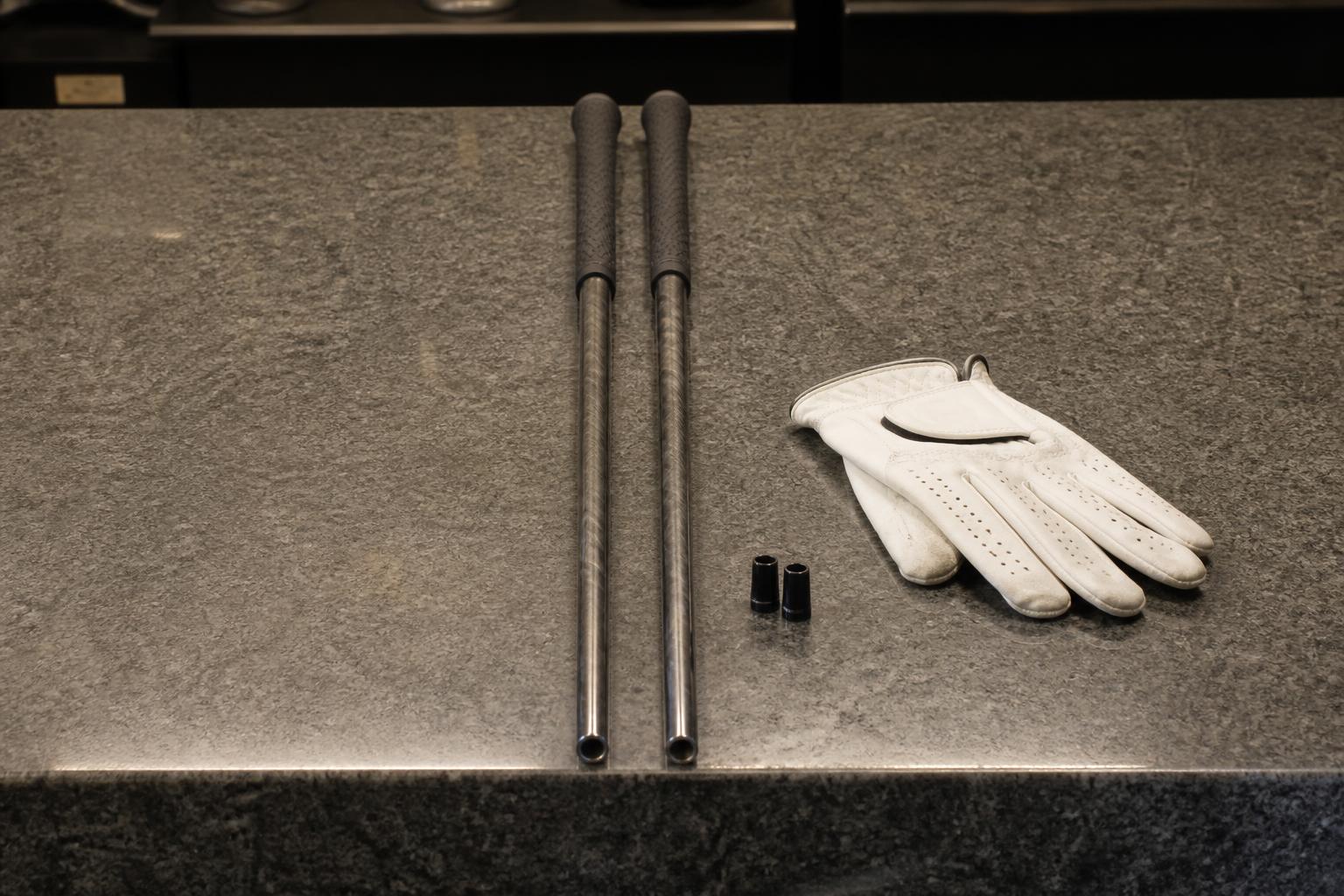
A tolerance is the range a manufacturer accepts around a target specification. A shaft cataloged at a given weight is produced to that target plus or minus some allowance; the same is true for torque, balance point, and overall stiffness. Published golf shaft tolerances vary by manufacturer and product tier, and most brands do not publish them at all, but the principle is universal: the spec sheet describes the design target, and each physical shaft lands somewhere in the neighborhood.
Stiffness compounds the issue because flex letters are not standardized across the industry in the first place. One company’s stiff can sit near another company’s regular, and within a single model, individual shafts of the same stamped flex still vary unit to unit. Measured frequency, the CPM number builders track, makes this visible: pull several same-label shafts and the meter will not read identically across them.
Part of what the upper shelf charges for is tighter process control: more consistent materials, more consistent layup, and narrower unit-to-unit spread. That consistency is a genuine, measurable part of the value, arguably more meaningful than any exotic material story. It is also why bargain shafts can be inconsistent bargains; the design might be sound while individual units wander further from target. We cannot quote any brand’s internal numbers, and you should be skeptical of anyone who claims exact figures the manufacturers have not published.
Honest answer: for many golfers, a small unit-to-unit difference disappears into the noise of human variability. Your swing changes more from Tuesday to Saturday than two well-made shafts differ from each other. But there are real situations where it matters. Sensitive players genuinely feel small stiffness differences, especially in a driver. Matched iron sets need club-to-club consistency for the set to flow. And a backup club is only a true backup if it actually replicates the original.
The remedy is unglamorous: measure. A builder equipped for it can weigh each shaft, check balance point, and measure frequency before assembly, then account for what the components actually are rather than what the catalog says. In an iron build, that can mean sequencing shafts so the measured progression steps smoothly. In a backup driver build, it means measuring the original and building the copy to match the measurements, including tip trim and swing weight, so the twin actually plays like a twin.
Measurement also changes the aftermarket conversation. When buying a pulled or pre-owned shaft, the label tells you what it was sold as; a measurement tells you what it is now, after whatever trimming its previous life included. A shaft that has been tipped an inch is meaningfully different from an untipped one of the same model, and only the tape and the meter reveal it.
You do not need to become a metrologist to benefit. When ordering a build, you can ask whether components are weighed and measured before assembly, ask for the finished club’s measured specs on the build sheet, and, for backups, provide the original club for matching. These are normal requests in a serious shop. What is not reasonable is expecting two shafts to be molecule-for-molecule identical, or treating small measured differences as defects; inside the maker’s acceptance range, variation is the product working as designed.
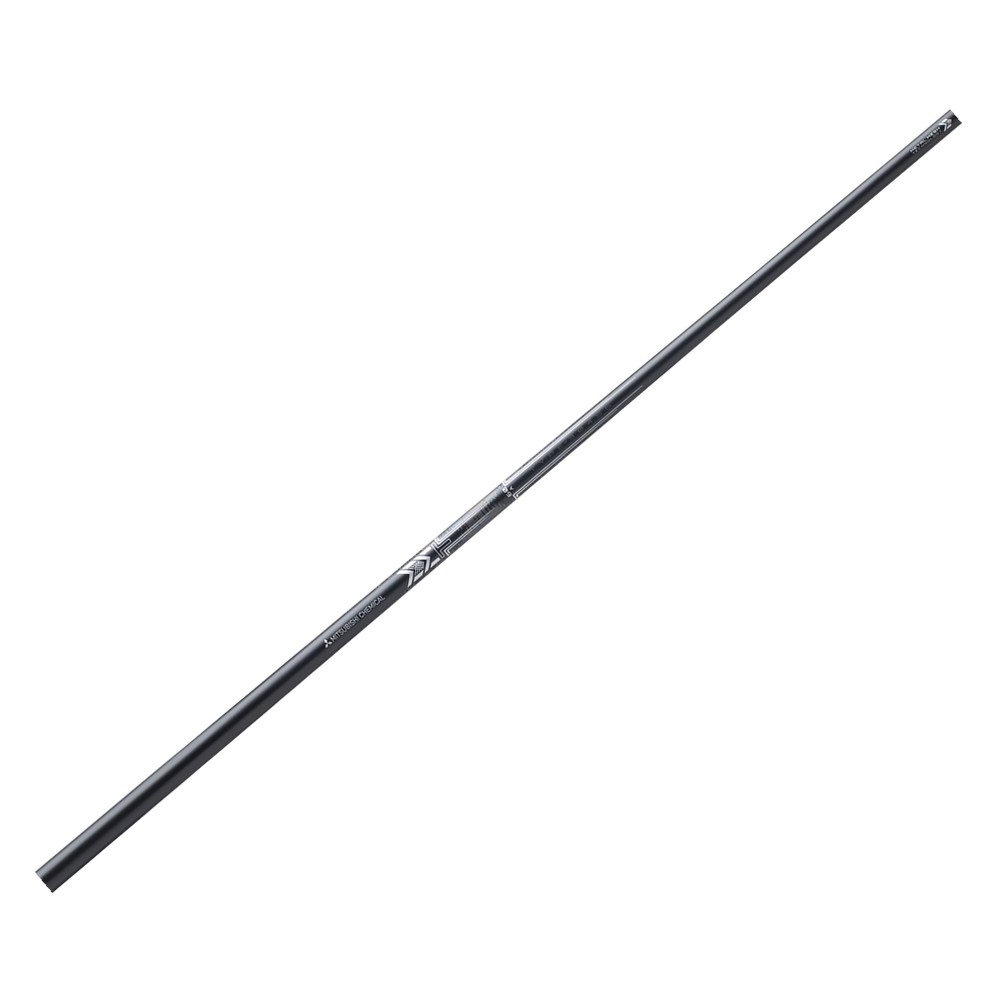
It would be easy to read all this and become paranoid about every purchase. The healthier takeaway runs the other way. Variance is one more reason the build process matters more than the shopping process: a measured, documented build from real components will beat a label-matched assembly of unmeasured parts every time. It is also a reason to keep your expectations calibrated when comparing notes online, because the shaft a reviewer hit and the one you bought are cousins, not clones.
Our custom shaft builds are assembled with exactly this mindset: components verified, finished specs recorded, and backup builds matched to measurements when that is the assignment. If you are still narrowing down which model to build in the first place, the shaft selector is the place to start.
It helps to understand why perfect duplication is impossible rather than merely difficult. A graphite shaft is built by wrapping layers of resin-impregnated carbon fiber sheet, sourced from suppliers such as Toray, around a mandrel in a prescribed pattern, then curing, grinding, and finishing the result. Every stage carries natural variation: the material itself varies slightly roll to roll, wrap position and tension are controlled but not atomically exact, and grinding to final dimension trims surfaces by amounts that differ microscopically from unit to unit. Steel shafts, drawn and stepped from tubing, have their own equivalent story. None of this is sloppiness; it is what manufacturing physical objects means.
The reason this matters to a buyer is that it reframes what quality control actually is. A premium shaft is not one that escaped variation, it is one produced by a process that keeps variation small and catches the outliers before they ship. And it explains why the serial-numbered shaft in your hands is the real spec, while the catalog page is the design intent. Builders who measure are simply closing the gap between those two documents, which is the entire game once components reach the bench.
Most likely some combination of unit-to-unit variance and small build differences, tip trim, length, grip stretch, swing weight. Matching a backup properly means measuring the original and building to those numbers, not just ordering the same label.
No. There is no industry-wide flex standard, so one brand’s stiff can overlap another brand’s regular. Comparing measured frequency and weight tells you far more than comparing letters.
For a single well-built club, it is optional. For iron sets, backups, or pre-owned purchases, measurement is cheap insurance, and any builder set up for it can do it as part of the build.
Not necessarily; it means consistency is part of what you pay for. A budget shaft that measures well is a fine component. The risk with bargain tiers is wider spread, which measuring before building neutralizes.
The label on a shaft is a promise about a range, not a serial-numbered guarantee, and the builders who know that are the ones whose clubs feel right the first time. If you want your next build, or your backup, specced from measurements instead of assumptions, call Patrick at 1-800-380-7901 and tell him what you are trying to match.
Also Read: How to Spot Damage on Your Golf Shaft
Written by Patrick Greene|Golf shaft specialist with 15+ years in

Written by Patrick Greene|Golf shaft specialist with 15+ years in

Free golf guide · 26 pages
How to Teach Your Wife Golf (And Live to Talk About It)
A funny, practical guide to better golf and fewer arguments: setup, swing, short game, putting and what not to say on the course.
Get the free guide