
How Custom Golf Shafts Enhance Distance and Accuracy
Written by Patrick Greene|Golf shaft specialist with 15+ years in

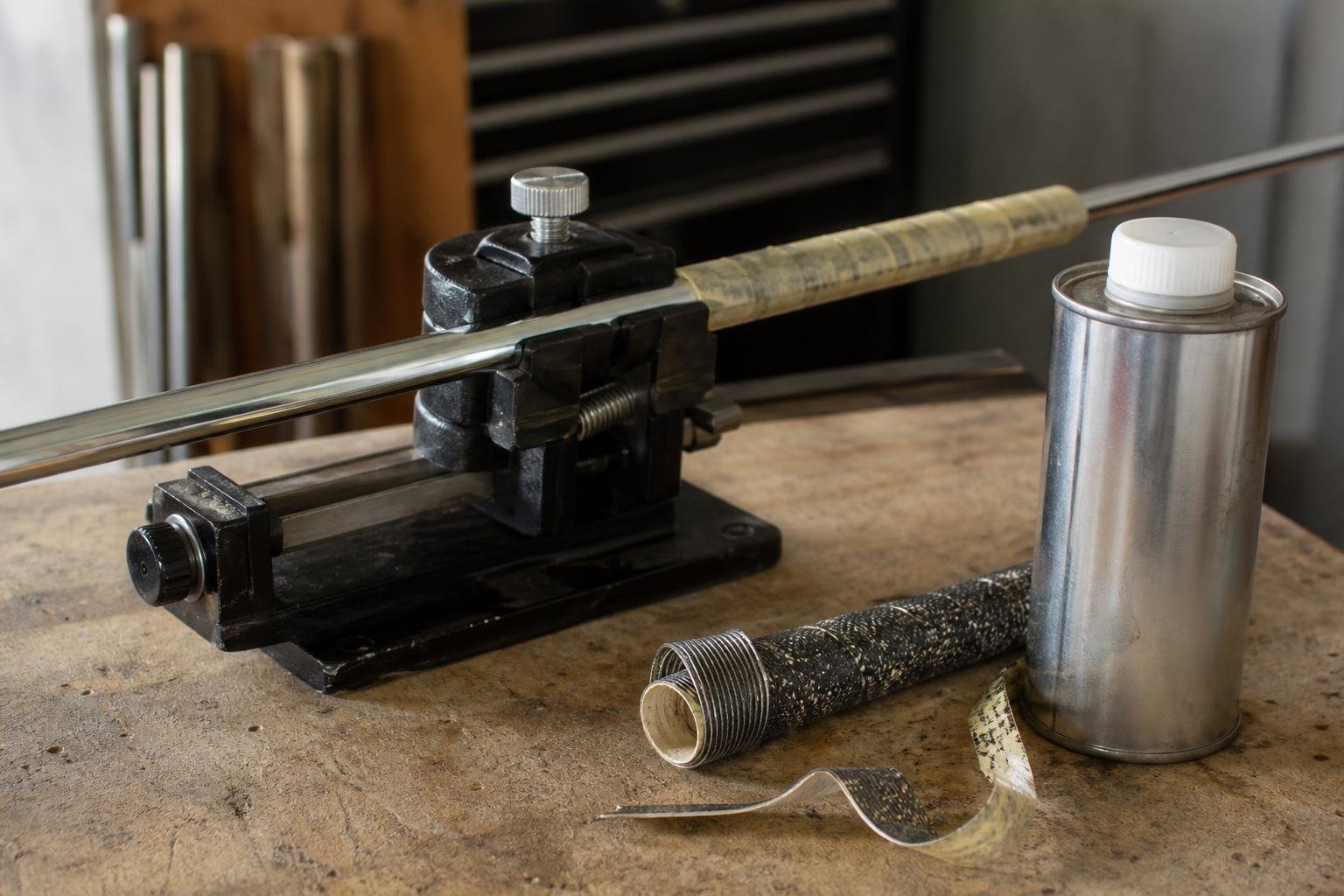
Every golfer who has ever felt a grip start to slip in July humidity eventually asks the same question: is it worth doing this myself, or should it go to someone who does it for a living? The honest answer depends less on the price tag stamped on a kit and more on what a rushed or uneven regrip actually costs you on the course.
We get this question constantly from customers who are choosing between a big-box DIY kit and having a full set regripped professionally. This guide breaks down what each route really costs, in dollars and in the details that affect how a grip performs, so you can make the call with your eyes open.
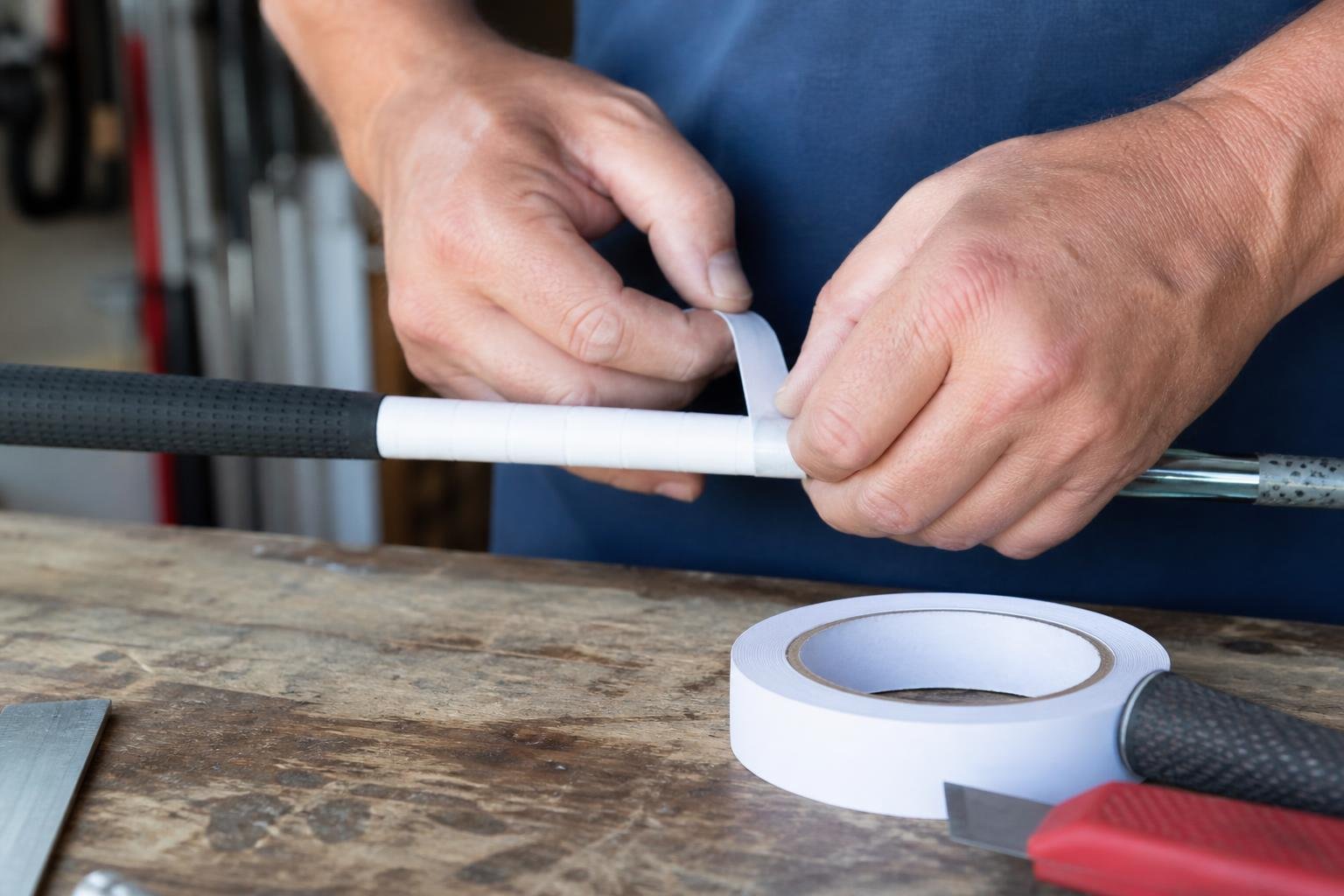
A typical DIY kit bundles grip solvent, double-sided tape, and sometimes a basic vise clamp or a cheap plastic hook clamp. The grips themselves are sold separately, and their price varies widely depending on the model and compound. On paper, the kit looks like the cheaper option because it spreads the tooling cost across every club you regrip with it.
The catch is that a kit only pays for itself if you already have a way to hold the club steady, a clean, ventilated space to work, and the patience to do the job slowly the first few times. Skipping any of those steps does not save money; it just moves the cost from your wallet to your next round.
The most common mistakes are not exotic. Tape wrapped unevenly leaves a lump under the grip that you feel every time you set up. Too little solvent lets the grip set before it is aligned, so the logo ends up twisted relative to the clubface. Too much solvent, or reusing solvent that has gone stale, leaves a grip that never fully bonds and starts to spin under grip pressure within a few rounds. None of these mistakes are visible until you are mid-swing.
A professional regrip typically charges a labor fee per club plus the price of the grip itself. That labor fee covers more than just the physical install. It includes stripping the old grip and tape cleanly without scoring the shaft, matching tape width to the shaft’s taper so the build-up is even, aligning every grip to the clubface consistently across the set, and curing the clubs properly before they go back in your bag.
For a full set of 13 to 14 clubs, the per-club labor adds up, which is exactly why some golfers default to the DIY math without factoring in what consistency across a full set is worth. A driver that grips slightly differently than your 7-iron is a variable you are fighting on every swing, whether you notice it consciously or not.
DIY is not a bad choice for everyone. If you already own a proper clamp, you are only regripping one or two clubs, and you have done it before without issue, a kit is a perfectly reasonable option. The math shifts in DIY’s favor when the job is small, familiar, and you are not in a hurry to have the clubs back in play.
Where DIY gets risky is a full-set regrip before a trip or a tournament, a set with mixed grip sizes that need to be built up precisely, or any shaft where you also want swingweight held to a target. Those situations reward the kind of consistency that comes from doing the job daily, not once a season.
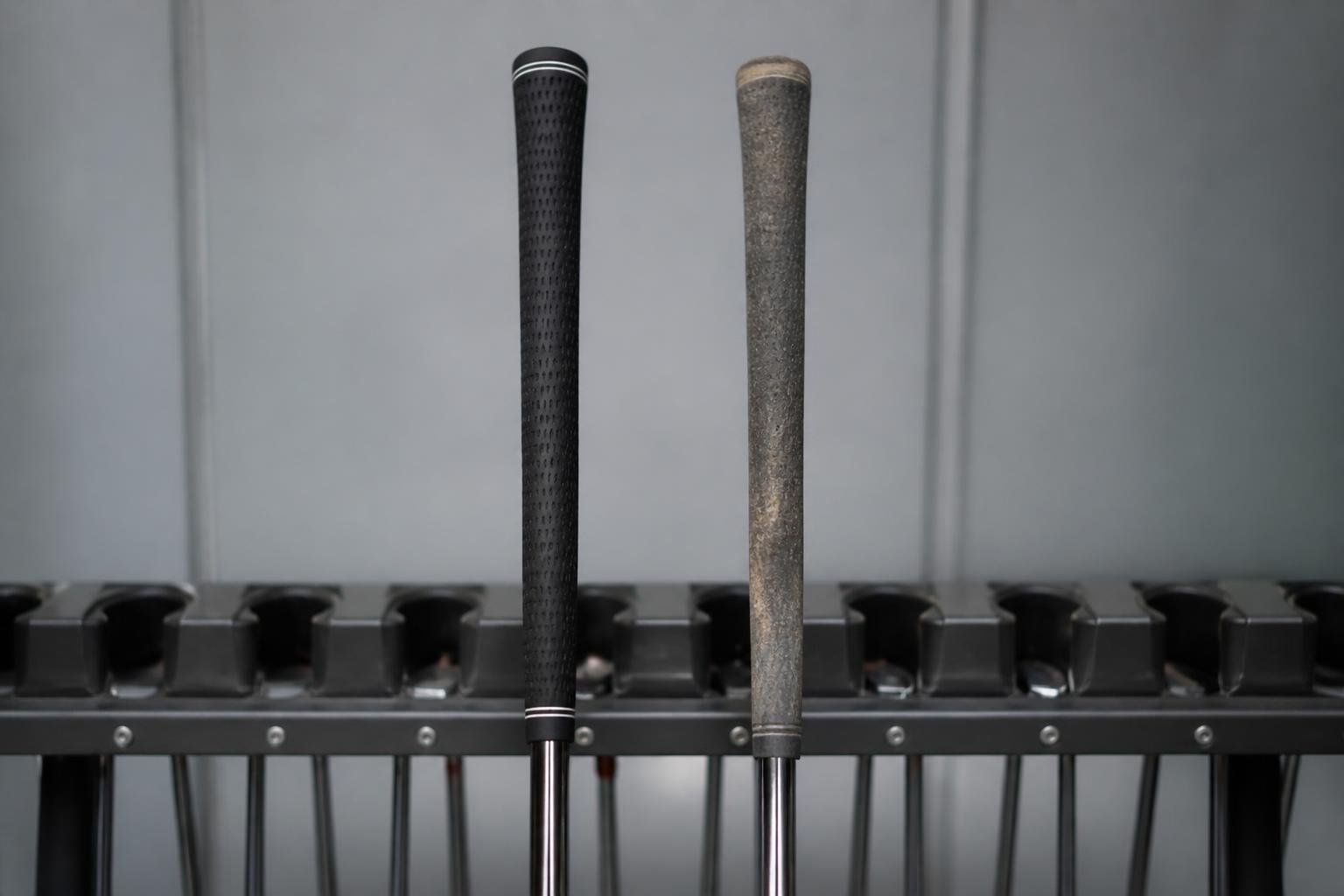
Start by being honest about how the last DIY project in your garage actually went. If it was smooth, a regrip kit is a low-risk way to save money on future touch-ups. If it was frustrating, or if this is your first attempt on a full set, the labor cost of a professional job buys you back the evening and removes the guesswork on alignment and tape build-up.
If you are already sending a shaft or a full set our way for fitting or a custom build through our custom shaft service, regripping folds into that same visit at no extra shipping or scheduling hassle, which is often the deciding factor for golfers weighing the two options.
It helps to think about regripping cost in two columns rather than one. The first column is the obvious one: dollars spent on solvent, tape, grips, and either your evening or a shop’s labor rate. The second column is easy to ignore until it shows up on the course, a grip that starts to slip in the ninth-hole heat, a club that feels subtly different from the rest of the set because the tape build-up was inconsistent, or a logo that sits crooked every time you set up and quietly throws off your alignment routine.
Golfers who have played through a slipping grip mid-round know how disruptive it is. You start gripping tighter to compensate, which changes tempo and release, and by the back nine you are fighting your hands instead of your swing. That is not a dollar cost, but it is a real one, and it is the kind of cost a rushed DIY job is more likely to create than a careful professional install.
If you play casually and are not chasing a scoring goal this season, the dollar column probably matters more, and a DIY kit is a reasonable place to save money. If you are playing in events, tracking your handicap seriously, or simply hate variables you cannot explain on the course, the second column deserves more weight than the sticker price on a kit suggests.
Grips wear faster in hot, humid climates, which means golfers in warmer regions are often looking at a regrip decision more than once a year if they play frequently. If you already know you will be doing this again in eight or nine months, it may be worth investing in the tooling for a DIY setup rather than repeating the labor cost every time, provided the earlier DIY results were solid.
Clubmaking suppliers such as GolfWorks publish tool and technique guidance for regripping, which is a useful reference if you want to see the full DIY tool list before deciding whether to buy in.
The materials are usually cheaper, but factor in the price of any tooling you do not already own, the risk of ruining a grip on your first attempt, and the value of your time. For a full set, the total cost gap between DIY and professional narrows more than most golfers expect.
Most golfers who play regularly replace grips once a year or after roughly 40 rounds, whichever comes first, though heat, sweat, and storage conditions can shorten that window.
Aggressive scraping during grip removal can nick a graphite shaft’s surface. A careful strip, whether DIY or professional, avoids this, but it is one more reason a rushed job carries more risk than it appears to on the surface.
Oversize and undersize grips are sometimes priced slightly higher than standard, and a proper install may require extra tape wraps to hit the correct final diameter, which is a detail worth confirming before you start.
If you are not sure which way to go, check our FAQs or start with the shaft selector to see what else your set might need while it is apart. Call 1-800-380-7901 and we can tell you honestly whether your clubs are a good DIY candidate or worth sending in.
Also Read: Tips for Picking the Best Golf Shaft for Your Needs
Written by Patrick Greene|Golf shaft specialist with 15+ years in

Written by Patrick Greene|Golf shaft specialist with 15+ years in

Free golf guide · 26 pages
How to Teach Your Wife Golf (And Live to Talk About It)
A funny, practical guide to better golf and fewer arguments: setup, swing, short game, putting and what not to say on the course.
Get the free guide