
How Custom Golf Shafts Enhance Distance and Accuracy
Written by Patrick Greene|Golf shaft specialist with 15+ years in

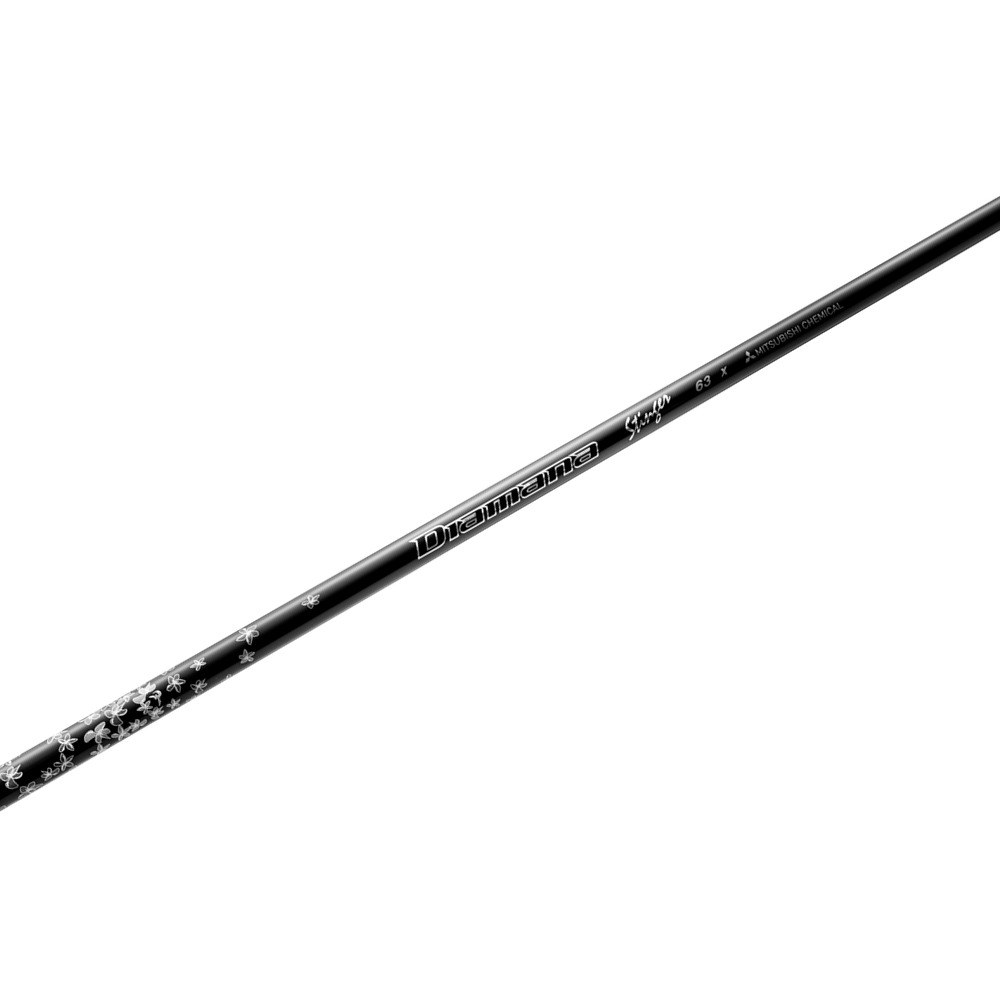
Some shafts are built to be easy for everybody. The Diamana Stinger is not one of them. It is a specialty driver shaft with a narrow audience, and being honest about who belongs in that audience will save you money and frustration. If you have heard the name and wondered whether it is worth a try, this guide walks through what it is made of, who it suits, who should look elsewhere, and what we ask before building one.
The short version is that the Stinger is firm, stable, and designed for the stronger player with a fast, aggressive transition. If that does not sound like you, there are better places to start.
According to the product description, the Stinger is the return of one of the most legendary prototypes in Diamana history. Mitsubishi describes it as originally a Tour-only build that earned a cult following among elite players. It is produced in small batches in Japan by Mitsubishi Chemical, which is one reason it is a specialty item rather than a shelf staple.
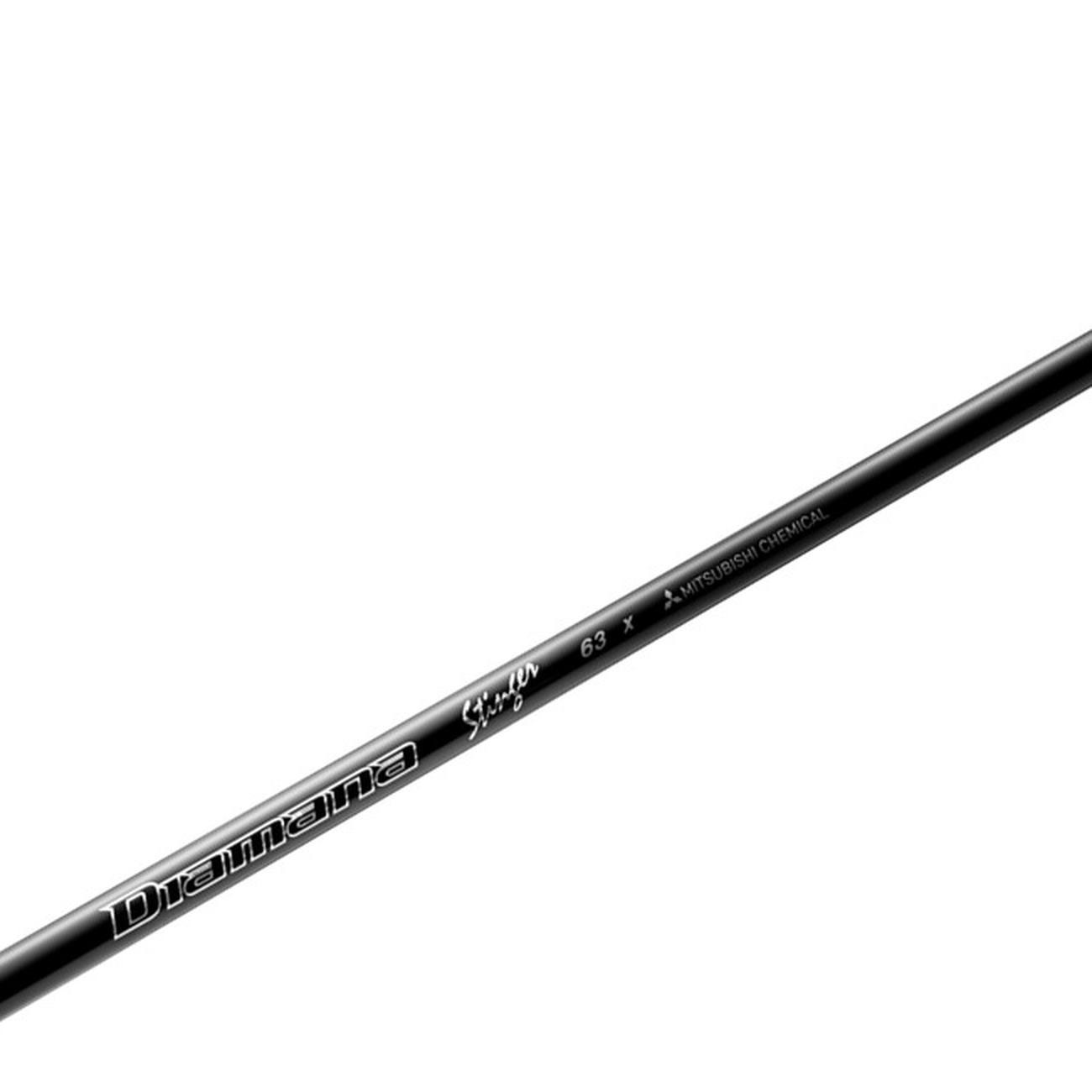
It sits on a mid-profile platform inspired by the classic Blue Board lineage. If you are new to how the Diamana family fits together, our simple profile guide to Diamana BB, RB, and WB is a good companion read.
The defining feature is full-length boron fiber running the entire length of the shaft. The maker describes boron as prized for its strength and rigidity, and says it delivers remarkable stability and tip-section integrity. In plain terms, the tip is meant to stay put when you load the shaft hard, which is what an aggressive transition asks of a driver shaft.
We would not oversell that. Stability is good when your swing needs it, and it is a handicap when it does not. A shaft that resists bending only helps a golfer who is bending it a lot. If your swing never asks the tip to hold up, the extra stability is simply unused, and you are left with a firmer feel than you needed.
The second ingredient is DIALEAD high-modulus pitch carbon fiber. Mitsubishi says it sharpens energy transfer and gives the Stinger its powerful, connected impact feel. Combined with boron, the description calls the result efficient energy transfer and the unmistakable Diamana feedback: firm, but never dead. We pass that along as the maker’s description, because how firm feels firm is personal, and only your own swings can settle it.
That feedback is the reason some experienced golfers seek out this shaft. You tend to know exactly where you struck the ball, which is useful information if you are refining your tempo.
The Stinger uses a mid kick point. The product description explains that this supports a smooth, steady tempo while keeping the ball flight low and penetrating. Our primer on kick point and ball flight explains why the kick point changes the launch you see.
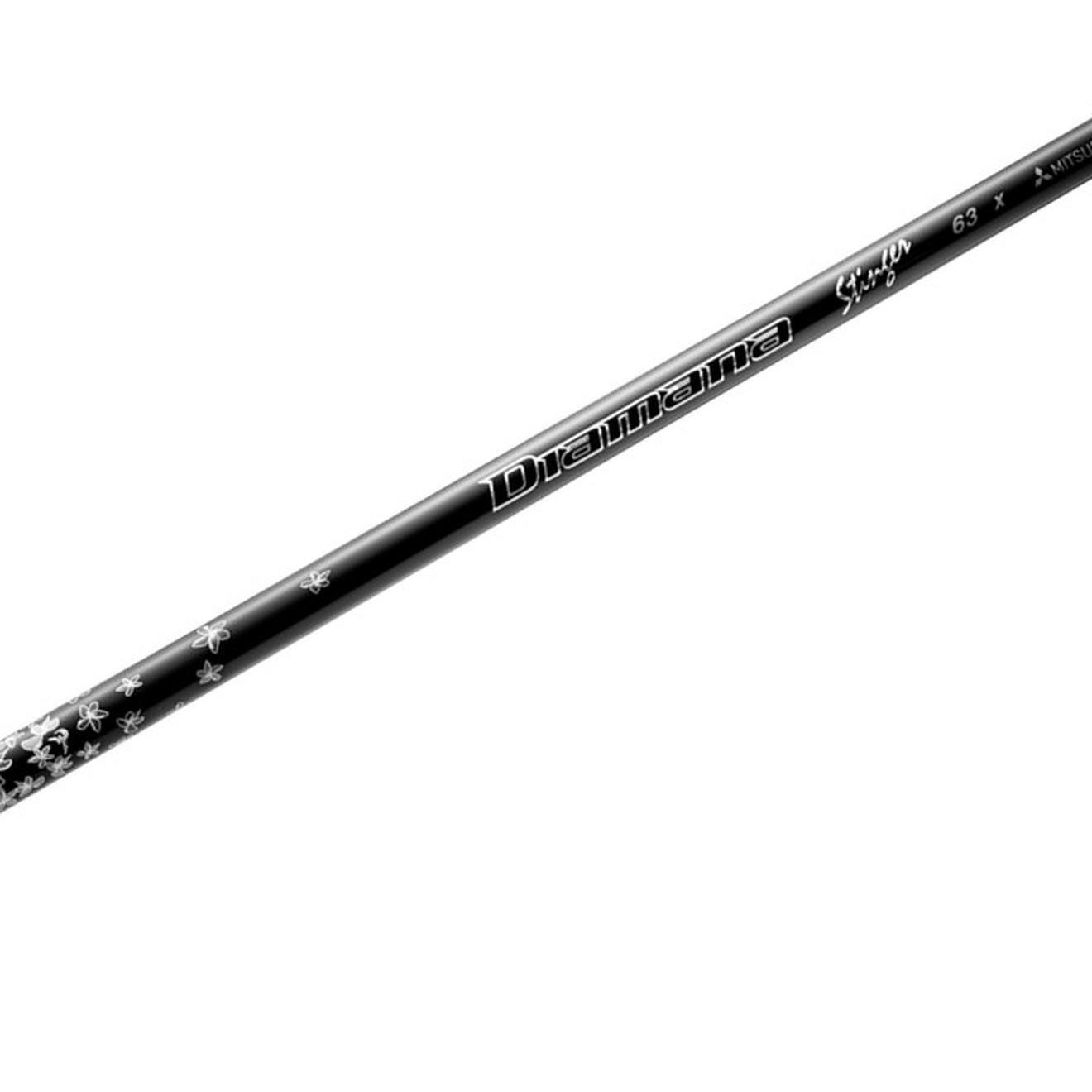
A low, penetrating flight is a feature for some golfers and a problem for others. If you play firm, windy courses or already hit the ball too high, it may help. If you struggle to get the ball airborne, it probably works against you.
Going by the manufacturer description, the Stinger is for the stronger player who wants firm, penetrating performance and heavy, powerful feedback at impact. Specifically:
It is available in two options, a 53 S and a 63 S (weight class plus stiff flex), so the choice is limited and the fitting work is mostly about whether the profile suits you at all.
This is the part many shaft pages skip. The Stinger is a poor match for several kinds of golfers:
If that list sounds familiar, our driver shaft weight guide and the shaft selector are better starting points.
Firm, stable shafts are easy to judge unfairly. Hit them on a day when you are warm and rested, not at the end of a long range session when your tempo has already drifted. Compare the shaft against your current driver in the same head, at the same length, and watch dispersion as closely as distance. A shaft that tightens your misses while feeling a touch harder to swing may still be the better one for scoring.
It also helps to remember that feel and numbers sometimes disagree. If a shaft looks good on paper but you dread hitting it, trust the dread and keep looking. Confidence over the ball matters, and a specialty shaft should earn its place by performing when you swing normally, not only when you swing your hardest.
Because the Stinger is a specialist shaft, we spend more time on questions than we would with an easy-to-fit model. We typically ask:
With those answers, we can tell you honestly whether the Stinger is worth trying or whether another Diamana profile or a different shaft fits better. Every Stinger is built to your exact spec, using your adapter and grip, fit in person by Patrick when you are nearby. You can read the full details on the Diamana Stinger product page.
For independent coverage of driver equipment and fitting, the gear section at Golf.com is a reasonable outside reference.
Generally not. It is described as a specialty shaft for the stronger player with a fast swing and an aggressive transition. Most newer golfers are better served by something lighter and more forgiving.
Per the product specifications, it uses full-length boron fiber and DIALEAD high-modulus pitch carbon fiber, on a mid-profile platform inspired by the Blue Board lineage.
The mid kick point is described as keeping the flight low and penetrating. Whether that helps depends on where your ball flight starts. If it is already low, you may not want more of it.
The manufacturer produces it in small batches in Japan, so it is a limited specialty product rather than a mass-market shaft.
If you are weighing the Stinger against other options, start with the shaft selector or call 1-800-380-7901 and talk it through with Patrick. We would rather help you decide with all the facts than push you toward a shaft you will not enjoy.
Also Read: Using Fujikura Motore Golf Shafts After a Swing Change
Written by Patrick Greene|Golf shaft specialist with 15+ years in

Written by Patrick Greene|Golf shaft specialist with 15+ years in

Free golf guide · 26 pages
How to Teach Your Wife Golf (And Live to Talk About It)
A funny, practical guide to better golf and fewer arguments: setup, swing, short game, putting and what not to say on the course.
Get the free guide