
How Custom Golf Shafts Enhance Distance and Accuracy
Written by Patrick Greene|Golf shaft specialist with 15+ years in

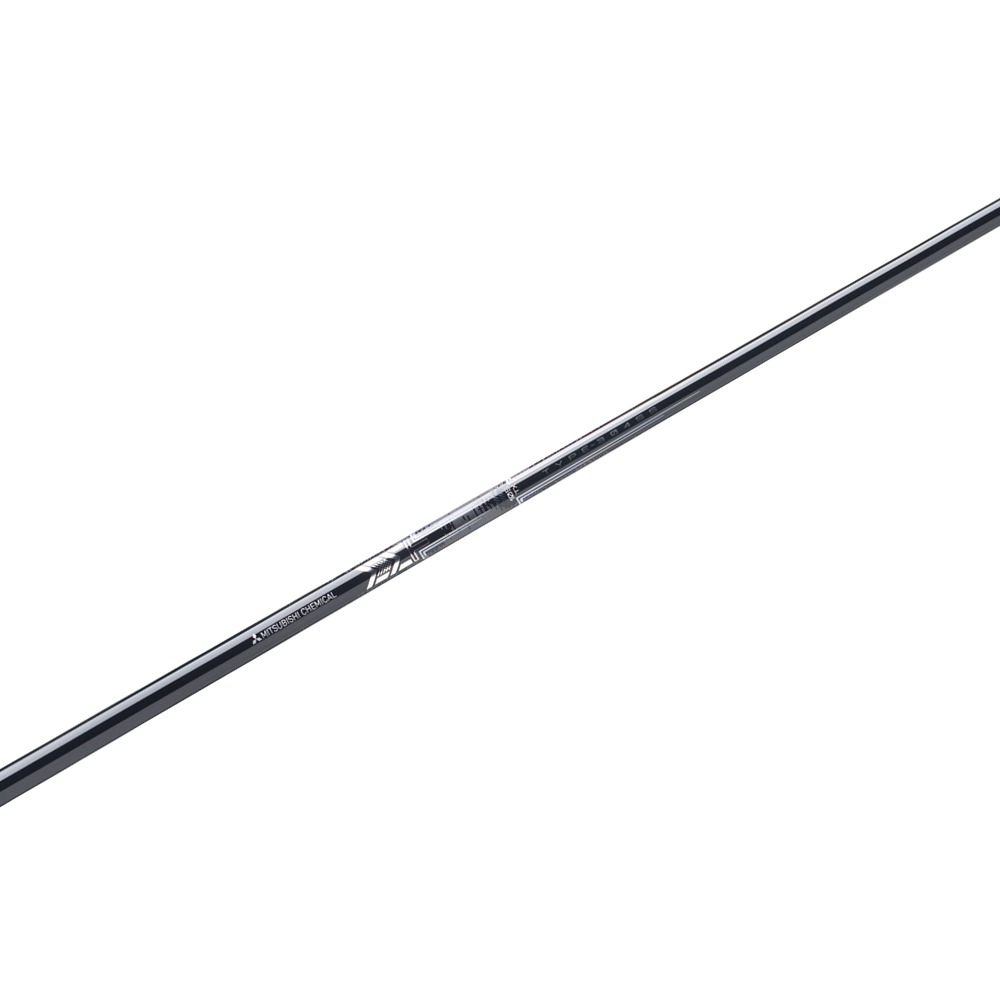
Two shafts can both say stiff on the label and play nothing alike. One launches high and feels smooth, the other launches low and feels firm through the handle. The difference is usually the golf shaft bend profile: how stiffness is distributed from the grip end down to the tip. Flex tells you how stiff a shaft is overall. Bend profile tells you where it is stiff and where it is soft.
Once you understand the three zones of a shaft, spec sheets start to make sense, and so do the odd results when two same-flex shafts behave differently in the same head.
Think of a shaft as three zones: the butt section near the grip, the mid section in the middle, and the tip section near the head. Each zone has its own stiffness, and manufacturers shape those zones on purpose. The result is a curve of stiffness along the shaft, sometimes called a stiffness profile or EI profile.
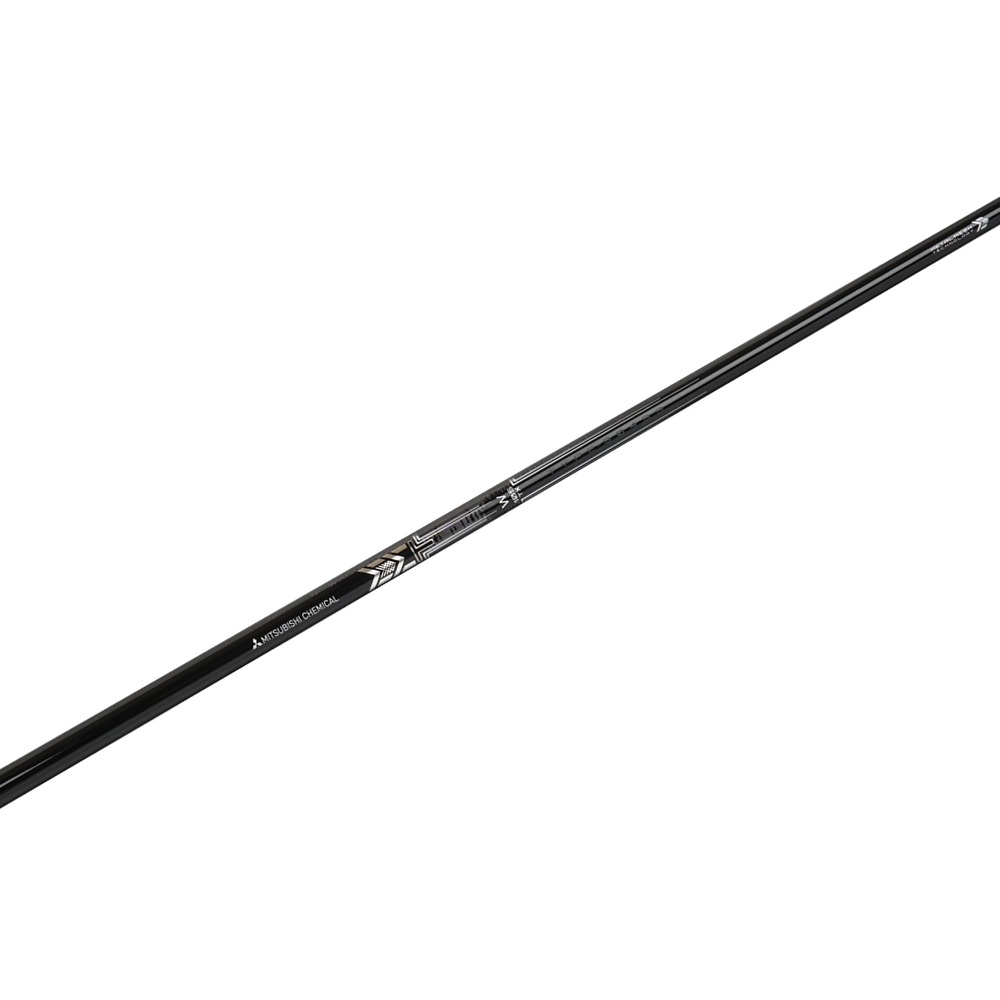
The flex letter on the label is a summary of that curve, not the curve itself. Two shafts with the same letter and weight can have very different curves. That is why a fitter will often care more about profile than about whether the label says S or X.
A stiffer tip resists bending near the head, so the face tends to deliver with less dynamic loft. In practice that often means a lower launch and lower spin. A softer tip allows more bend near the head and tends to raise launch and add spin. This is why low-launch, low-spin driver shafts are usually described as having a firm tip, and high-launch shafts a more active one.
The relationship is a tendency, not a promise. Head design, loft, and your attack angle also shape the result. A golfer with a steep attack and plenty of spin may enjoy the stable face of a firm tip, while a golfer who struggles to get the ball in the air may find a softer tip does the work. For a closer look at one related spec, see our guide to kick point and ball flight.
Feel is where profile is easiest to notice. A shaft with a softer mid section tends to feel like it loads smoothly and gives you a sense of timing, which suits golfers with a smoother tempo. A shaft with a firmer mid section feels more controlled and less willing to bend, which can steady a quick, aggressive transition.
The butt section affects the feel from your hands. A firmer butt gives a stable, connected feel, while a softer butt can feel livelier. Many golfers cannot describe this in numbers, but they can tell you in one swing which shaft feels right.
Weight and profile interact. A lighter shaft built with the same flex letter often has to be engineered differently than a heavier one, and that changes the curve. A heavier shaft can hold a stiffer feel through the handle without being stiff at the tip. When you compare two shafts, comparing only the flex letter hides all of this. Our post on 60g versus 70g driver shafts shows how weight changes the whole package.
Frequency, often reported in cycles per minute (CPM), measures how stiff a shaft is overall when it is clamped and oscillated. It is useful for matching shafts within a set, which we cover in our explanation of CPM and frequency matching. But two shafts can share a frequency number and still have different profiles, because frequency summarizes the whole shaft in a single value.
A profile curve, by contrast, shows where the stiffness lives. Few retail shafts publish a full curve, but many manufacturers describe their shafts using terms such as tip-stiff, mid-soft, or smooth loading. Those descriptions are the practical way golfers encounter profile.
Match profile to a problem you want to solve rather than to a tagline. These are common pairings:
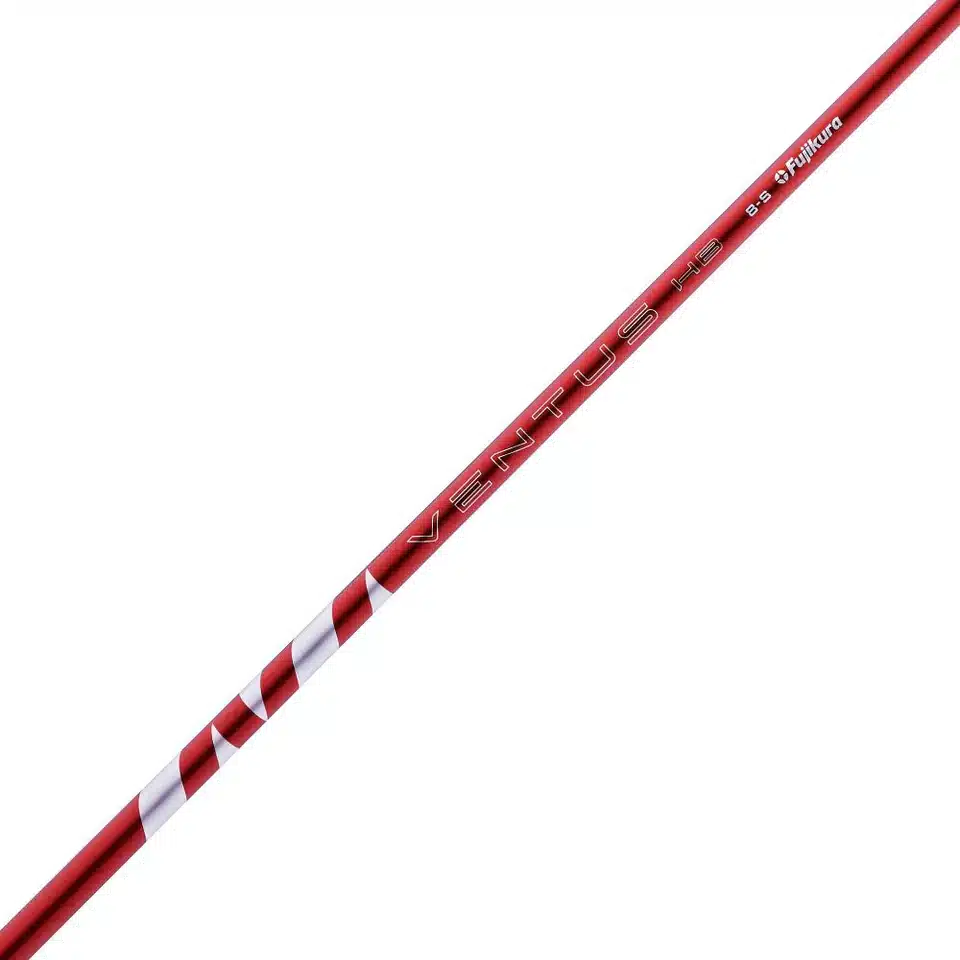
Treat each as a starting hypothesis. The only way to confirm a profile suits you is to hit it and look at the data on a launch monitor.
A typical spec sheet lists weight, flex, torque, and sometimes kick point and tip diameter. Use each number as a clue about profile. A lower torque figure points toward a shaft that resists twisting, and a higher kick point generally points toward a lower launch. Our explanation of torque, feel, and dispersion shows how that one number fits in.
When a manufacturer describes a shaft as smooth, stable, or active, translate it into a question to test: where does this shaft load, and does that match the problem I am trying to fix? That habit keeps you from buying a shaft because the name sounds right.
No spec sheet captures how a shaft feels at your tempo in your head. Two golfers can read the same page and walk away with opposite conclusions, and both can be right for their own swings. Use the sheet to build a short list, then let a launch monitor and your hands choose.
No. Flex is a summary rating of overall stiffness. Bend profile describes how that stiffness is distributed along the shaft, which is what drives a lot of the difference between shafts of the same flex.
Some manufacturers publish stiffness curves or descriptive terms for their shafts. If a spec sheet does not, a fitter can tell you what to expect from experience, and testing in your own head settles it.
It is a strong tendency, not a rule. Loft, head design, and attack angle also affect launch, so test rather than assume.
Yes. Frequency is a single overall number, so two shafts can match on CPM and still differ in butt, mid, and tip stiffness.
If you want help translating a spec sheet into a short list, start with the shaft selector, browse our shaft collection, or read our FAQs. You can also call 1-800-380-7901 and we will walk through your current miss. One formal point on shaft design: under the R&A equipment rules, a conforming shaft must deflect the same way however it is rotated about its own axis.
Also Read: Fairway Wood Shaft Fitting: Why It Should Not Copy Your Driver
Written by Patrick Greene|Golf shaft specialist with 15+ years in

Written by Patrick Greene|Golf shaft specialist with 15+ years in
Free golf guide · 26 pages
How to Teach Your Wife Golf (And Live to Talk About It)
A funny, practical guide to better golf and fewer arguments: setup, swing, short game, putting and what not to say on the course.
Get the free guide