
How Custom Golf Shafts Enhance Distance and Accuracy
Written by Patrick Greene|Golf shaft specialist with 15+ years in

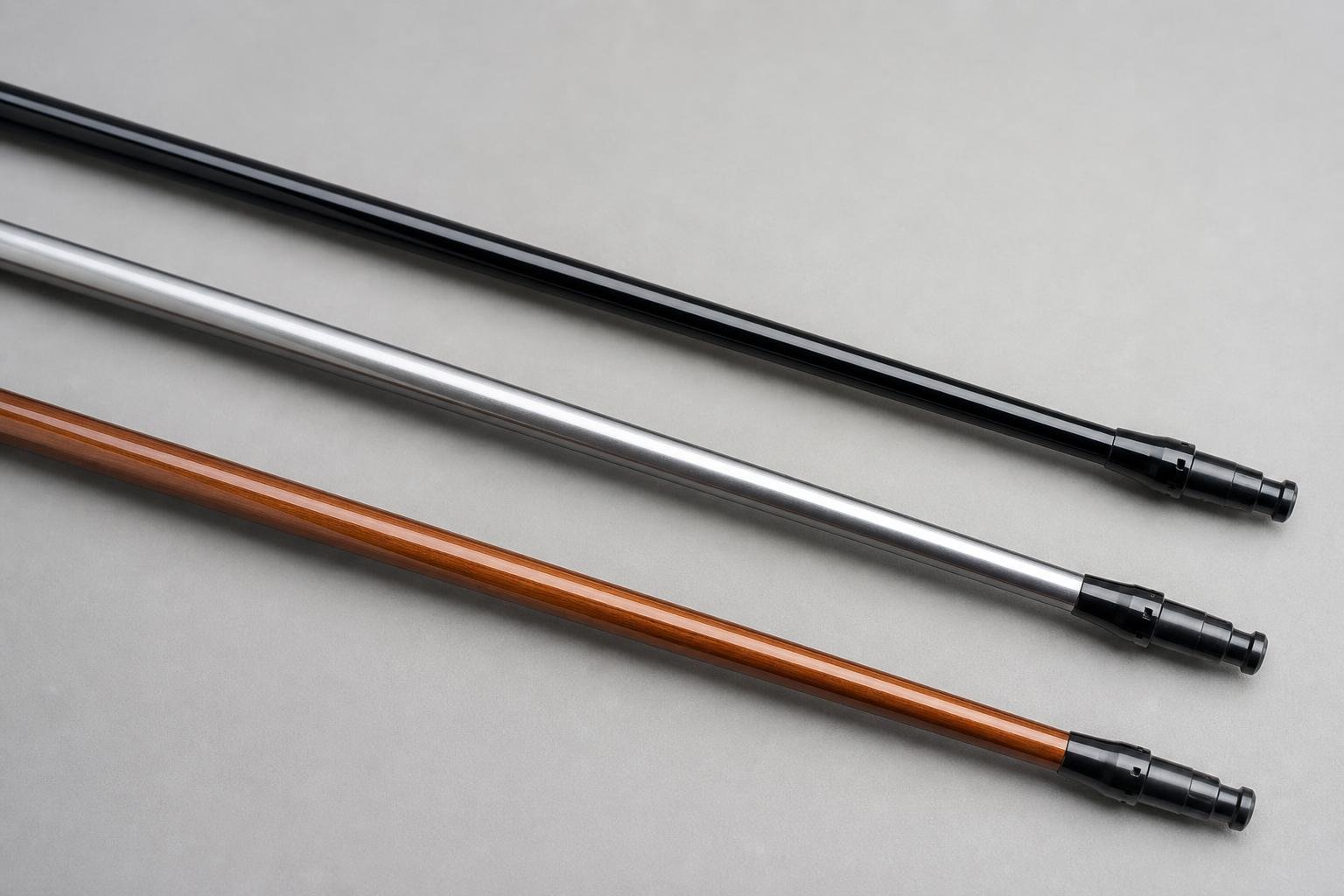
Shaft families rarely stay in one club type anymore, and Fujikura’s Vista Pro line is a good example. The name covers a wood shaft, a hybrid shaft, and an iron shaft, three products built for three different jobs in the bag, unified by a shared design philosophy rather than a single spec sheet.
Golfers researching the Vista Pro name sometimes assume it is one shaft available in different lengths. It is not. Each version is engineered for its club type, and understanding what carries over between them, and what does not, makes it much easier to decide whether one, two, or all three belong in your bag.
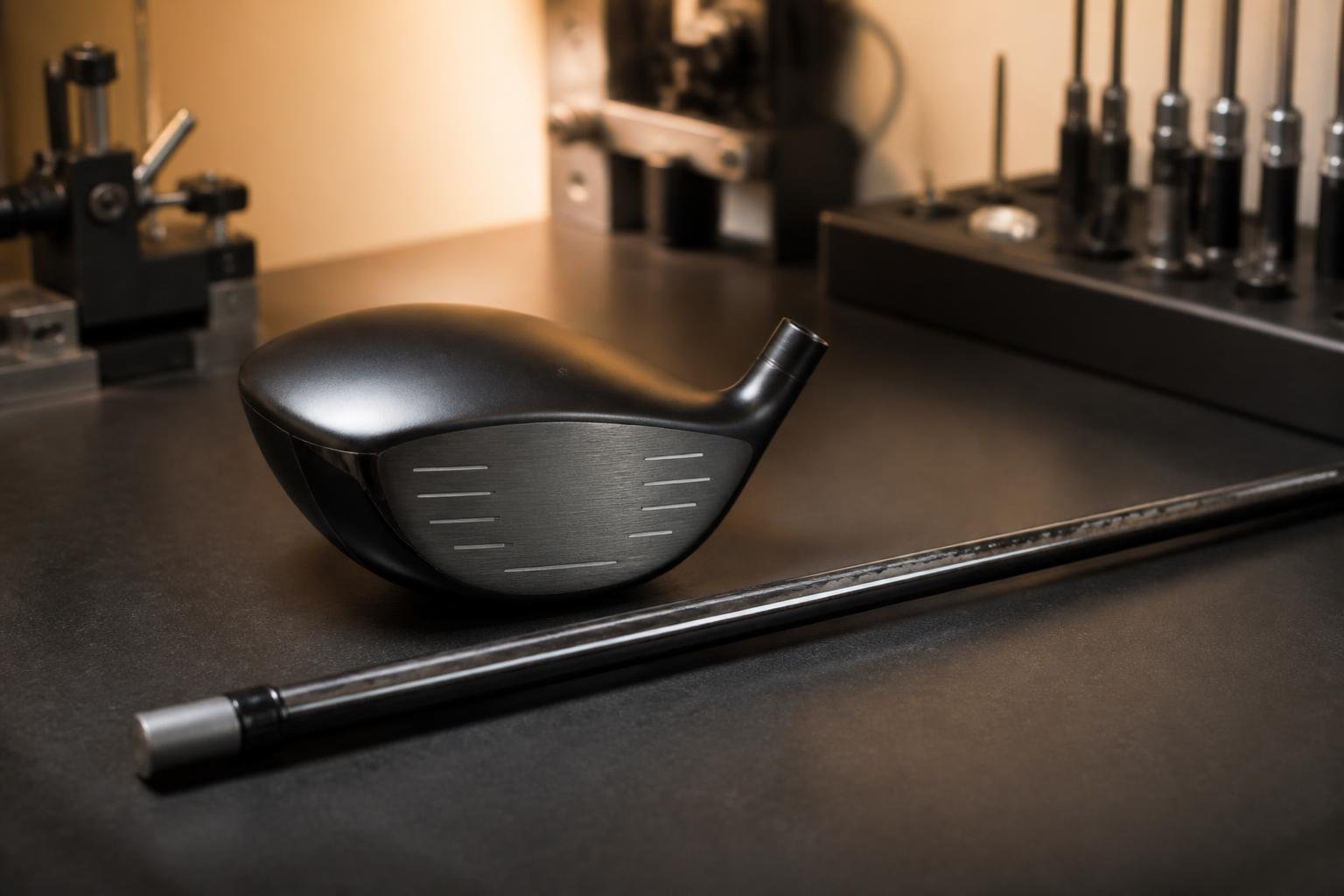
The Vista Pro wood shaft is built for drivers and fairway woods, where the priorities are stability through impact and a launch and spin window that suits faster swing speeds. Like most premium wood shafts, it is sold across a handful of weight and flex combinations, so the fitting conversation is less about the model name and more about which weight and flex profile matches your swing.
Golfers replacing a stock driver shaft often notice the biggest change in how the clubhead feels loaded through transition, since aftermarket wood shafts are typically built to a tighter tolerance and a more deliberate bend profile than stock offerings.
Hybrid shafts live in an awkward middle ground. They need some of a wood shaft’s stability but also some of an iron shaft’s control, since hybrids are often played from the fairway or rough into greens rather than off a tee. The Vista Pro hybrid shaft is built around that dual requirement, with its own tip section and weight range distinct from the wood version.
A common mistake is assuming a wood shaft can simply be tip-trimmed down and dropped into a hybrid head. Bore diameters and adapter systems vary by manufacturer, and the hybrid-specific shaft is engineered for the shorter length and different swing dynamics hybrids see in real play, not just cut down from a longer design.
The Vista Pro iron shaft answers a different question entirely: how does the shaft behave through a steeper, more descending strike, club after club, for an entire set. Iron-specific shafts are built with their own flex progression logic across the set length, which is why an iron shaft carrying a similar name to a wood shaft is still a completely separate engineering exercise.
Golfers moving from steel to a premium graphite iron shaft like this one are usually chasing reduced vibration and a lighter overall swingweight, and the fitting conversation should include how that change affects distance gapping across the set, not just how a single club feels on a range mat.
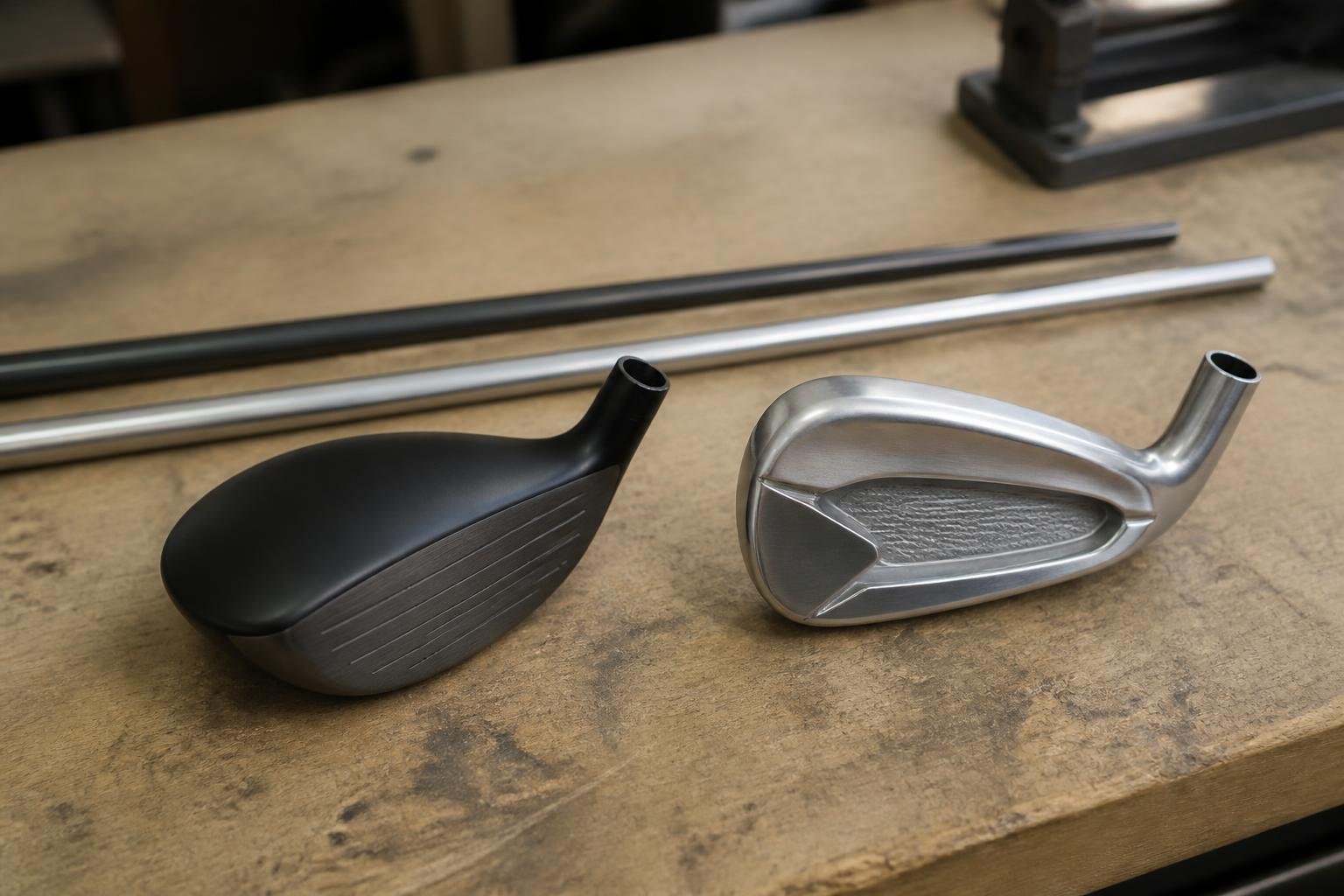
Most golfers do not need to match every shaft in the bag to a single family name. A wood shaft is chosen for the driver and fairway woods based on swing speed and shot shape tendencies. A hybrid shaft is chosen for how those clubs get used, whether that is off the tee on tight holes or from the rough into greens. An iron shaft is chosen for feel, trajectory control, and how it fits your transition into wedges.
That said, some golfers do prefer a consistent feel across the bag, and choosing shafts from the same family when the fitting numbers support it is a legitimate way to get there, as long as each individual fitting decision is still made on its own merits.
Whichever version you are considering, confirm the tip diameter against your head’s hosel bore, the weight and flex against your current numbers, and, for the iron shaft, the tipping chart guidance for your specific iron heads. These details live on the product spec pages, and our custom shaft service checks them against your actual clubs before anything is built.
Fujikura sells multiple shaft families at different price points and performance targets, and the Vista Pro name is one option among several rather than a flagship that automatically outranks everything else in the catalog. Choosing between families should start with your fitting numbers, swing speed, transition tempo, and typical miss, rather than starting with a name you have heard mentioned in a pro shop or online forum.
That said, the Vista Pro line has earned a following among golfers who want a shaft that plays a touch more stable through impact without feeling stiff or harsh, which is a specific enough profile that it is worth testing directly rather than assuming from a spec sheet alone.
If you are considering the wood, hybrid, and iron versions together as a full-bag project, it is worth sequencing the purchase rather than buying all three at once. Fitting the driver and fairway wood shafts first tends to reveal preferences about feel and trajectory that carry useful information into the hybrid and iron decisions, even though each is engineered separately.
If your budget only allows testing one version before deciding on the others, start with whichever club category is currently causing you the most trouble on the course. A driver shaft mismatch shows up as inconsistent tee shots, an iron shaft mismatch shows up as inconsistent distance control, and letting your actual scoring problem guide the order is more useful than starting wherever feels most exciting to upgrade first.
Fujikura publishes full spec tables for the Vista Pro family, including weight and flex options, on the manufacturer’s site, which is worth reviewing before narrowing your fitting request.
Not without changing the intended engineering. Hybrid heads use their own bore standards and are built expecting a hybrid-specific shaft profile, so it is best to use the version designed for that club type.
It can be ordered for individual clubs, though building a full set at once makes it easier to keep flex progression and swingweight consistent from top to bottom.
Fujikura offers several shaft families built around different priorities. Rather than compare on marketing terms alone, the more useful comparison is your actual fitting numbers against each family’s published spec range.
No. Sharing a family name does not mean sharing a bend profile across club types; each version is engineered for the demands of its own club.
Browse the full lineup on the Fujikura shaft page, or use the shaft selector to narrow down which Vista Pro version fits your swing. Call 1-800-380-7901 if you want a second opinion before you order.
Also Read: Golf Shaft Extensions: Questions Before Adding Length
Written by Patrick Greene|Golf shaft specialist with 15+ years in

Written by Patrick Greene|Golf shaft specialist with 15+ years in

Free golf guide · 26 pages
How to Teach Your Wife Golf (And Live to Talk About It)
A funny, practical guide to better golf and fewer arguments: setup, swing, short game, putting and what not to say on the course.
Get the free guide