
How Custom Golf Shafts Enhance Distance and Accuracy
Written by Patrick Greene|Golf shaft specialist with 15+ years in

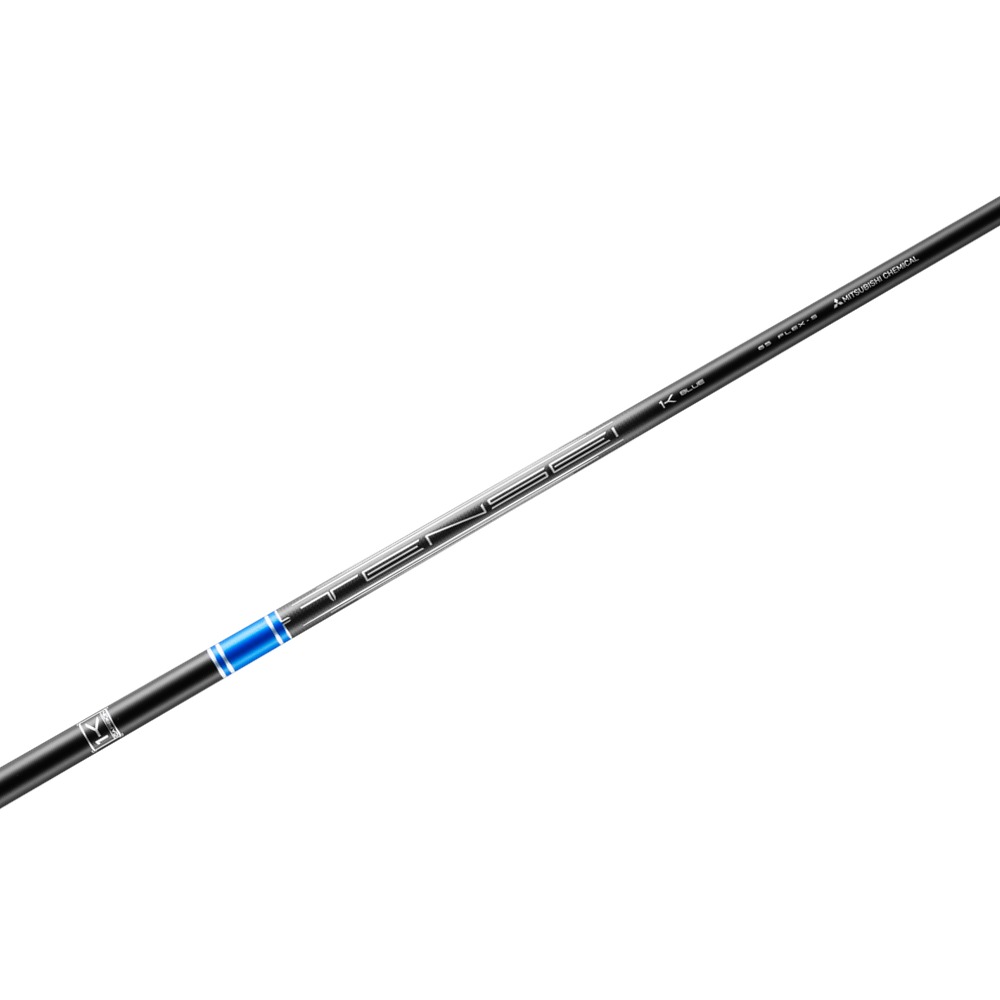
Reusing a pulled graphite shaft can be smart when the shaft is known, cleanly removed, and compatible with the next build. It can also be a poor bet if the shaft has hidden heat damage, an over-prepped tip, unknown trimming, or an adapter that does not match the head you plan to use. Before you buy, trade, or send a shaft for a build, treat it like a component that needs inspection, not a finished club part ready to install.
For Southwest Florida fitting customers and nationwide online buyers, the practical decision is whether the used shaft still has enough verified condition, length, and fit information to justify building around it. A glossy finish and recognizable label are not enough. The safest approach is to gather the shaft’s history, check the tip carefully, and compare the used option against a new shaft that removes most unknowns.
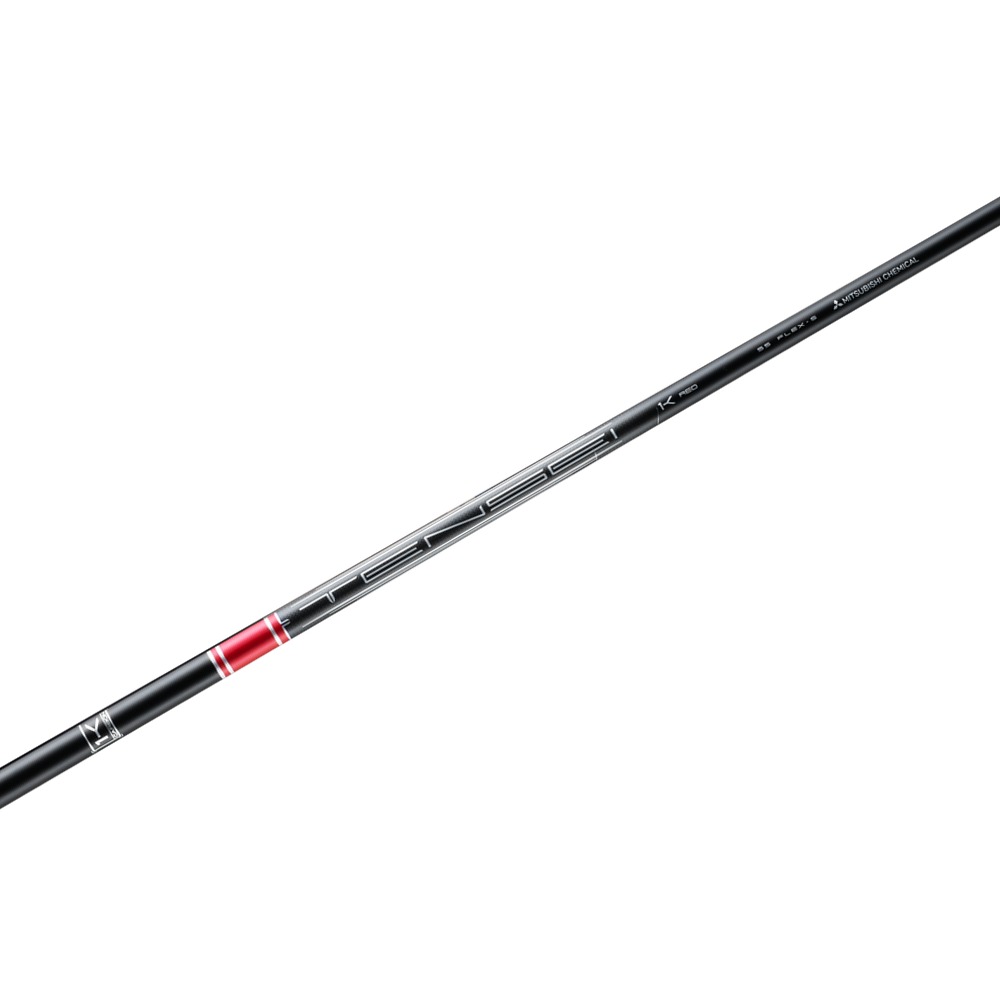
The most important facts are often the ones you cannot see. A graphite shaft that was pulled with too much heat, twisted during removal, clamped carelessly, or worked on multiple times may look acceptable while having fibers, resin, or tip structure compromised. If the seller cannot explain how the shaft was removed, what head or adapter it came from, and whether it has been altered, that uncertainty belongs in your buying decision.
Graphite shafts are not steel shafts with a cosmetic coating. The shaft wall relies on layers of composite material, and the tip area takes significant stress during the swing and at impact. The GolfWorks graphite reshafting guidance emphasizes careful graphite handling, proper shaft preparation, and avoiding damage during the reshafting process. That is why a pulled shaft should be evaluated as a used structural part, not simply a bargain.
Ask for specific history before you commit. Was the shaft pulled from an adjustable adapter or a bonded hosel? Was it removed by someone familiar with graphite shafts? Has the tip been sanded before, and if so, how much? Was it tipped, butt trimmed, extended, or played in a different club length? A seller who can provide clear answers is not guaranteeing safety, but the information gives a builder something useful to verify.
Local players in Southwest Florida may have an advantage because a shaft can often be inspected in person before a decision is made. Online buyers should be more cautious and request clear photos of the tip, label area, butt end, and any prior adapter or ferrule area. If the shaft has been cleaned so aggressively that prior work is impossible to read, that can be just as concerning as visible damage.
The tip section deserves the closest inspection because it is where most previous installation and removal work happened. A builder will look for crushed fibers, splintering, deep sanding, gouges, burn marks, discoloration, flattened areas, cracks, and old epoxy that hides the actual shaft surface. Some residue is normal on a pulled component, but residue can also conceal damage or excessive abrasion.
Tip prep is a controlled process, not a sanding contest. If too much material was removed during an earlier installation, the shaft may no longer fit correctly in the next hosel or adapter. A loose fit can lead to bonding problems, while an uneven surface can prevent the shaft from seating properly. The tip should be checked against the exact head or adapter specifications rather than judged by eye alone.
Heat exposure is another major concern when reusing a pulled graphite shaft. Proper removal usually involves softening epoxy without overheating the composite, while improper removal can weaken the shaft even if the paint still looks fine. Browned paint, bubbling, a burnt smell, glossy resin changes, or rough spots near the tip are warning signs, but the absence of those signs does not prove the shaft was treated correctly.
Builders also evaluate the transition between prepared and painted sections. A clean, even prep line may suggest more careful prior work, while uneven sanding, notches, or exposed fibers above the expected insertion depth can reduce confidence. If an adapter was removed, the area just above the former ferrule line should be checked closely because twisting and heat damage can show up there.
Even when the shaft is structurally acceptable, it still has to fit the intended build. Prior trimming can change how a shaft plays, and it may not be obvious unless you know the original raw length, the club it came from, and how it was trimmed. Butt trimming mainly changes finished length, while tip trimming can affect feel, launch, spin, and stiffness profile depending on the model and manufacturer instructions.
Never assume a pulled driver shaft is still suitable for another driver at your preferred playing length. An adapter swap, different head bore depth, or previous trimming can leave the club shorter than expected. Adding length with an extension may be possible in some builds, but that decision depends on the shaft, the amount needed, the intended use, and the builder’s judgment. If you are comparing options, Bogey Buster Golf Shafts offers a shaft selector that can help organize your preferences before you choose a component.
Adapter and tip compatibility are equally important. A shaft that was installed in one brand’s adjustable sleeve may not transfer directly to another head, and a pulled shaft’s tip diameter must match the new application. The builder needs to confirm the correct shaft tip diameter, adapter type, insertion depth, ferrule needs, and whether any previous prep affects the new bond area.
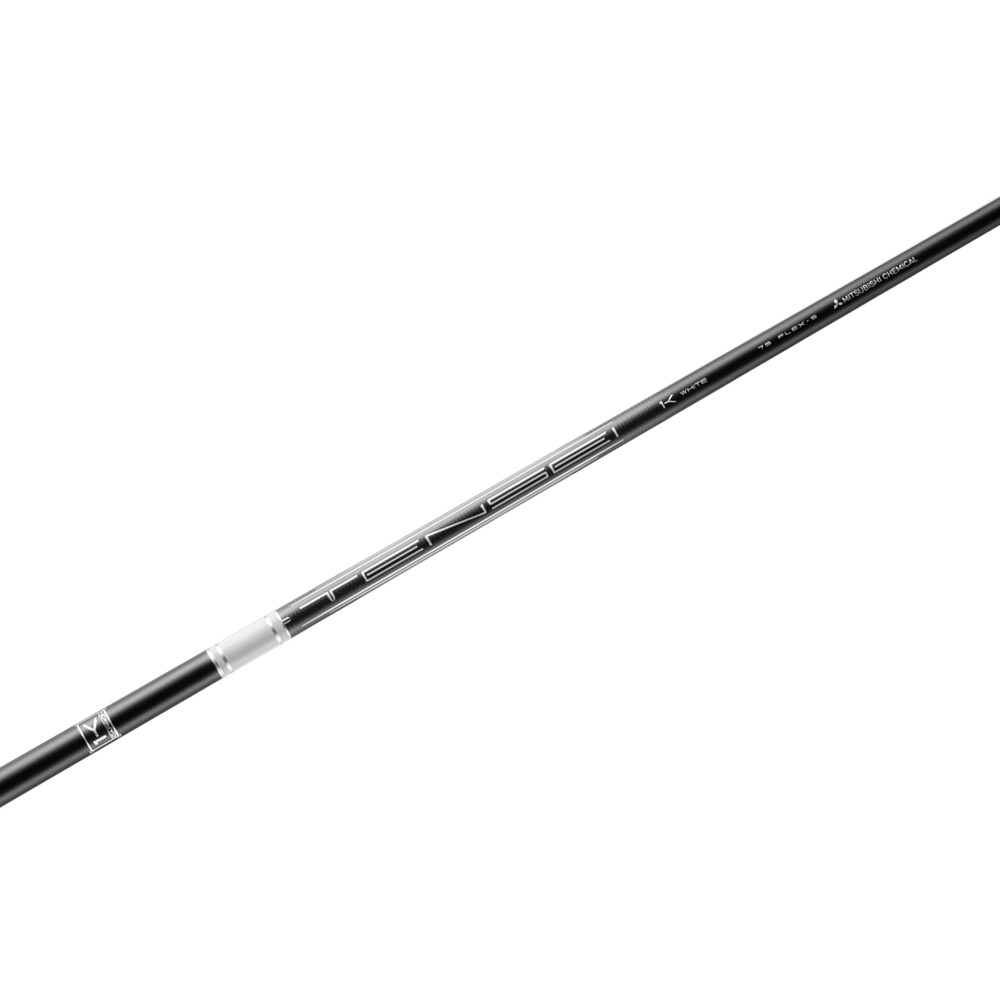
A used graphite shaft can make sense when you trust its history and it fits the build with minimal compromise. It may also let you test a profile you already like or reuse a shaft from a club you owned. The savings, however, are only meaningful if the shaft can be inspected, installed correctly, and built to the intended playing length and fit.
A new shaft removes many of the unknowns. You know the shaft has not been overheated during removal, over-sanded, tipped beyond your needs, or adapted to multiple heads. You can choose the model, weight, flex, and profile around your swing goals rather than forcing a build around whatever condition a pulled shaft happens to be in. If you want to compare available components, browse the Bogey Buster Golf Shafts shop and evaluate new-shaft options alongside any used shaft you are considering.
There is also a labor and risk tradeoff. A builder may spend extra time cleaning, measuring, evaluating, and test-fitting a used shaft before deciding whether it is suitable. If the shaft fails inspection, you may be back to selecting another component anyway. That is not a reason to avoid used shafts altogether, but it is a reason to avoid paying as if a pulled shaft is identical to new.
For online buyers, the best used-shaft listings provide complete measurements and clear photos, not just brand names and flex labels. Ask for tip-to-butt length, adapter details, playing length in the previous club if known, tipping information, and close views of the tip. If the seller cannot provide basic facts, consider whether a new shaft or a different used shaft with better documentation is the cleaner decision.
Appearance alone cannot certify that a pulled graphite shaft is safe or suitable. A careful inspection can reduce risk, but it cannot turn unknown history into known history. If the shaft was overheated, twisted, crushed, or heavily abraded before you received it, some damage may not be visible. That is why reusing a pulled graphite shaft should always include a decision point where the builder can decline the component if the condition is questionable.
Do not remove or reinstall a graphite shaft based only on general internet advice. Product-specific instructions, proper tools, epoxy selection, insertion depth, curing procedures, and graphite-safe handling all matter. If a dimension or prep step is specific to a shaft, head, or adapter, follow the manufacturer guidance for that exact item. Guessing can turn a usable component into an unsafe or poor-performing build.
It is also important to clarify expectations before sending or bringing in a supplied shaft. A retailer or builder may need to inspect the shaft first and may not accept every customer-supplied pulled component for a build. That protects the player and the builder from forcing a questionable part into service. If you are unsure what information to gather before contacting Bogey Buster Golf Shafts, use the contact page to start the conversation with the shaft details you have.
The best outcome is not simply getting the old shaft installed somewhere. It is ending up with a club that fits your intended head, length, swing, and confidence level. Sometimes the pulled shaft passes inspection and makes sense. Other times, the better choice is selecting a new graphite shaft with known specifications and no removal history.
Yes, a pulled graphite shaft can sometimes be reused, but only after careful inspection and compatibility checks. The builder should evaluate the tip area, prior prep, remaining length, adapter or hosel fit, and any signs of heat or twisting damage. A clean appearance does not prove the shaft is safe. If the shaft history is unknown or the tip looks questionable, replacement may be the better choice.
Possible clues include discolored paint, bubbling, a burnt odor, rough or glossy changes near the tip, exposed fibers, or damage around the old ferrule or adapter line. However, not all heat damage is obvious. A shaft can look acceptable and still have been stressed during removal. That is why an experienced inspection is important before planning a build around the shaft.
Not automatically. Prior tip trimming may be fine if it matches the intended build and the shaft manufacturer’s trimming guidance for that exact model. The problem is uncertainty. If you do not know how much was tipped, the shaft may play differently than expected or may not be suitable for the new head. Remaining length and desired finished length must also be confirmed.
Good photos help, but they are not enough by themselves. Ask for tip-to-butt length, prior playing length, adapter type, tipping history, close-up tip photos, and whether the shaft has been pulled more than once. If the seller cannot provide details, price the risk accordingly or consider a new shaft. The fewer unknowns, the easier it is for a builder to evaluate.
Request practical shaft guidance from Bogey Buster Golf Shafts before you commit to reusing a pulled graphite shaft or choosing a replacement. Call 1-800-380-7901 or Contact Bogey Buster Golf Shafts to discuss the shaft details, photos, and build goals you have in mind.
Also Read: Why Speeder NX Gets Mentioned in Soft Surface Rounds
Written by Patrick Greene|Golf shaft specialist with 15+ years in

Written by Patrick Greene|Golf shaft specialist with 15+ years in

Free golf guide · 26 pages
How to Teach Your Wife Golf (And Live to Talk About It)
A funny, practical guide to better golf and fewer arguments: setup, swing, short game, putting and what not to say on the course.
Get the free guide