
How Custom Golf Shafts Enhance Distance and Accuracy
Written by Patrick Greene|Golf shaft specialist with 15+ years in

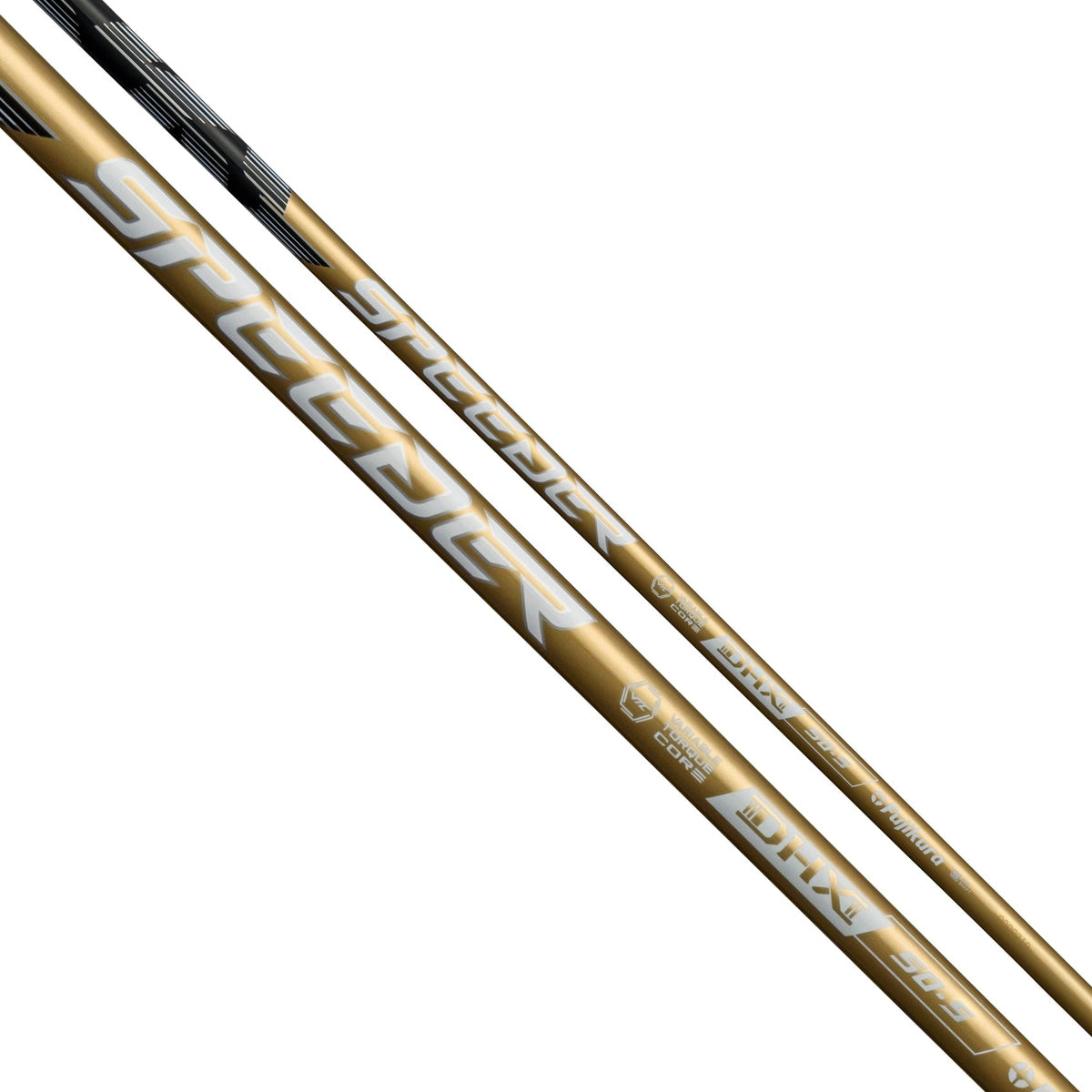
Comparing oem vs aftermarket golf shafts is not as simple as reading the logo on the paint. The practical decision is whether the exact shaft in a club, online listing, or replacement order matches the model, generation, flex, weight, and build profile you expect.
For Southwest Florida golfers shopping locally and nationwide buyers ordering online, the safest path is to verify details before assuming a stock shaft is inferior or an aftermarket shaft is automatically better. Some OEM shafts are excellent fits. Some aftermarket shafts are poor fits for a specific swing. The label starts the conversation, but the exact specifications and build context finish it.
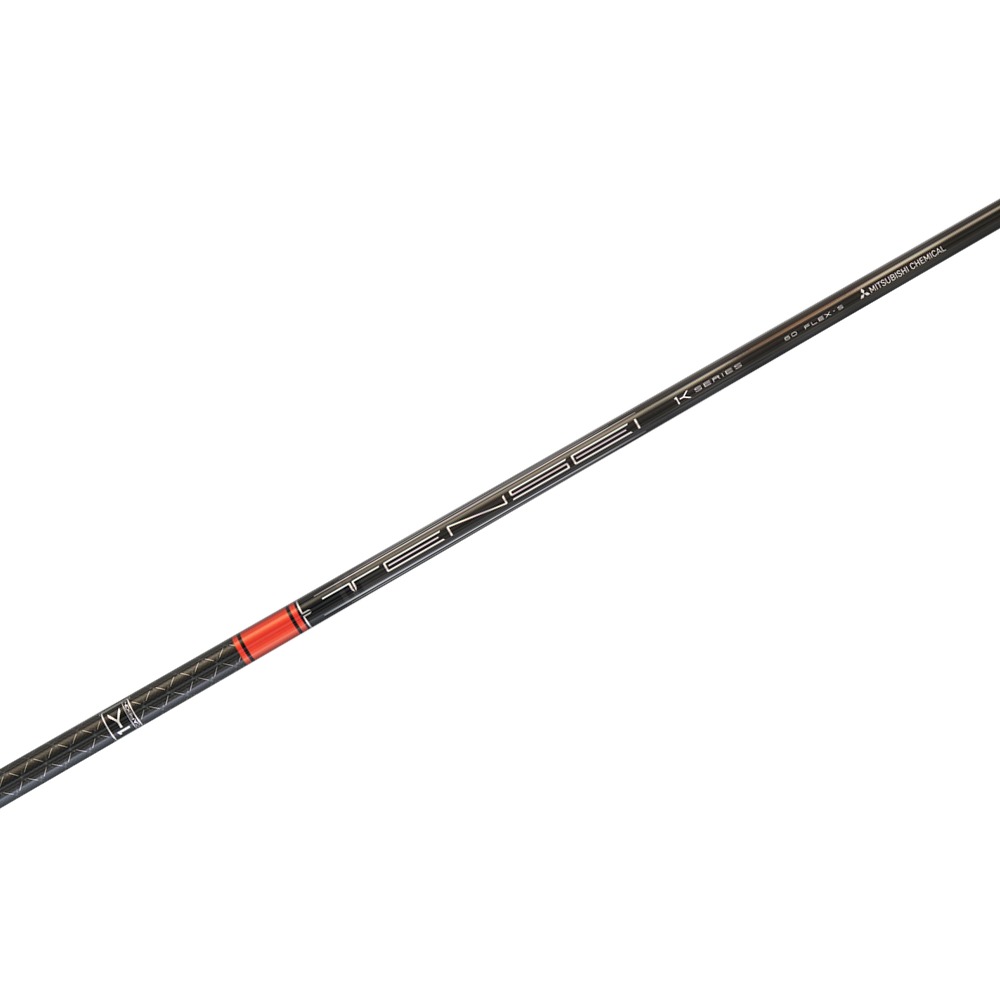
OEM shafts are supplied for use in original equipment clubs, often as part of a driver, fairway wood, hybrid, or iron offering from a club manufacturer. Aftermarket shafts are generally sold as standalone components through retailers, fitters, and builders. The confusion begins when the names and graphics look similar, but the construction, available specs, or intended pairing may not be identical.
A useful comparison starts with the full printed model name, not just the brand. Look for the series, generation, weight class, flex, launch description, and any suffix or clubmaker-specific marking. A shaft called by a familiar family name can still vary by year, OEM program, bend profile, raw weight, torque range, or tip configuration.
Manufacturer information is the best place to start when it is available. Fujikura, for example, maintains an OEM shafts resource that helps golfers understand that shafts made for club manufacturers can be legitimate products within a brand’s lineup. The key takeaway is not that every OEM and aftermarket version is the same, but that assumptions from graphics alone can mislead you.
If you are comparing two shafts side by side, write down every visible marking and compare it to the seller’s description. If the online listing only says “Ventus,” “Tensei,” “HZRDUS,” or another broad family name without the rest of the model details, ask for clarification before buying. A careful question before checkout can prevent a build that feels completely different from the shaft you tested.
Golf shafts are small components with a lot of branding space, and the visual design can be persuasive. Similar colors, logos, and family names can make two shafts appear equivalent from a distance. That does not mean the internal layup, material package, balance point, tip section, or production purpose is identical.
At the same time, “stock” should not be treated as a warning label. A stock OEM shaft can be a smart fit when its weight, flex, and profile match the player and the clubhead. Many golfers play better with a well-fit stock option than with a premium aftermarket shaft chosen only because it sounds more advanced.
When comparing oem vs aftermarket golf shafts, separate three different questions: Is the shaft authentic? Is it the exact model I think it is? Does it fit my swing and build? Those are not the same issue. A real, high-quality shaft can still be the wrong fit, and a stock shaft can still deliver the launch, spin, feel, and timing a player needs.
If a seller cannot confirm the model generation or specs, avoid filling in the blanks yourself. Ask for clear photos of the shaft label, tip area, grip-end markings if visible, adapter, and any etched or printed codes. For new purchases, use the product details in the Bogey Buster Golf Shafts shop as a reference point for how specific a shaft listing should be.
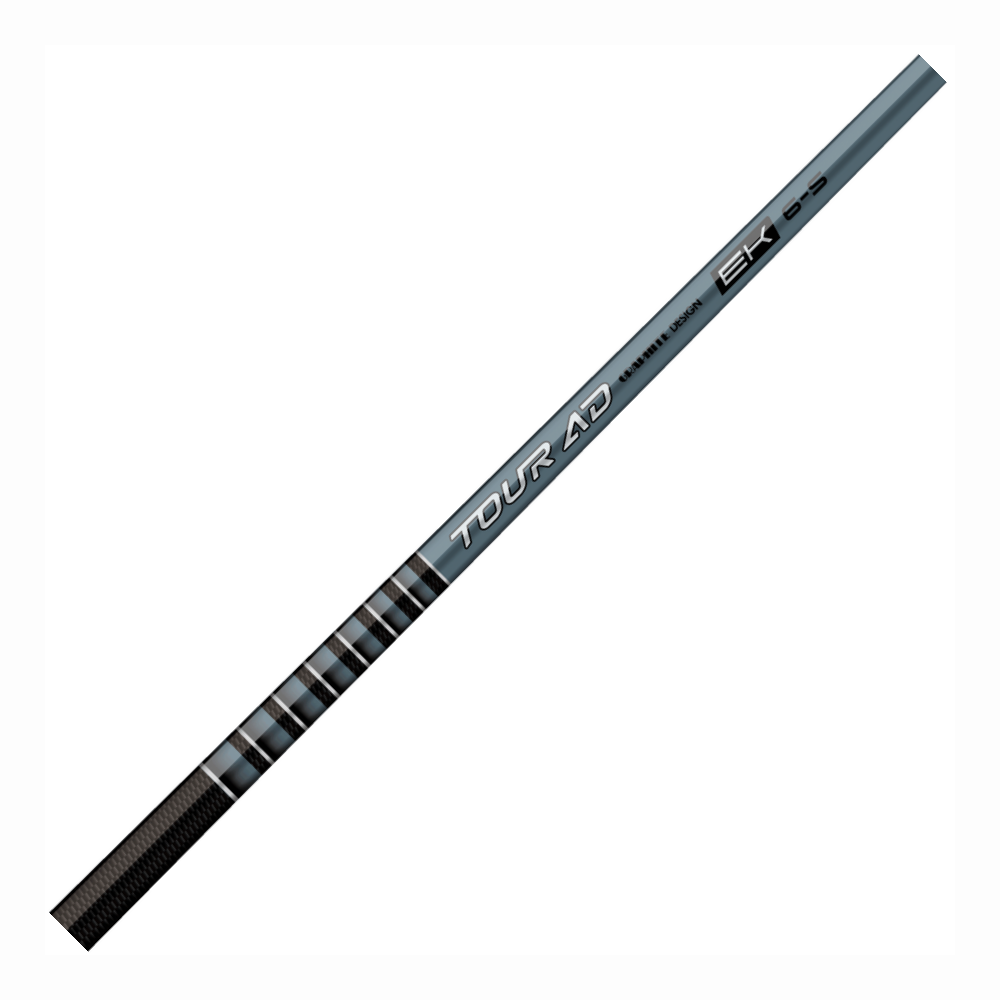
The aftermarket label alone does not tell you whether a shaft will work in your driver, fairway wood, hybrid, iron, or wedge build. Shaft performance comes from the whole package: weight, flex, bend profile, torque, length, tipping, adapter setup, head weight, grip weight, and the player’s delivery. Changing one detail can make a familiar model feel unfamiliar.
Weight is often the first practical filter. A golfer moving from a 50-gram driver shaft to a 70-gram option may experience a meaningful change in tempo, face control, and fatigue, even if both shafts share a brand family. Flex is also not universal across brands or models, so one company’s stiff may not feel like another company’s stiff.
Before deciding that an aftermarket version is better, compare the actual build details that affect playability:
This is where a guided process helps. If you are unsure which variables should drive your choice, the shaft selector can help narrow the conversation before you commit to a component or build direction. It will not replace good judgment, but it can move you away from guesswork based only on paint or popularity.
Southwest Florida players often test clubs in warm, windy, and firm conditions that can magnify launch and spin preferences. A shaft that looks great on paper may feel loose in a sea breeze, launch too low for a carry over water, or spin too much into the wind. Those conditions do not make one category of shaft superior, but they do make fit more personal.
Nationwide online buyers face a different challenge: the shaft may arrive without the chance to hold it, compare graphics, or feel the profile first. Read listings carefully and avoid vague descriptions. If a shaft is described as “same as aftermarket” or “tour issue” without clear, verifiable model information, ask for specifics rather than relying on broad claims.
For installed shafts, remember that adapter settings and final playing length can affect the result as much as the component choice. A player may blame the shaft when the actual issue is head pairing, length, swing weight, grip change, or a tipping choice that does not match the intended build. If a dimension or trimming instruction is in question, follow the manufacturer’s guidance for the exact shaft model.
When evaluating oem vs aftermarket golf shafts, the most honest approach is to define the job first. Do you need a higher launch, a steadier handle feel, a lower-spinning driver setup, or a smoother transition in fairway woods? Once the goal is clear, the right shaft may be OEM, aftermarket, or simply a different spec within a family you already like.
No. OEM does not automatically mean poor quality, and aftermarket does not automatically mean better performance. An OEM shaft may be designed for a specific club manufacturer’s lineup, while an aftermarket shaft may be sold as a standalone component. The useful question is whether the exact shaft model, weight, flex, and profile fit your swing and the clubhead being used.
Yes, similar graphics can create confusion if the exact model details are not checked. A shaft family may include multiple generations, weights, flexes, profiles, and OEM-specific offerings. Paint and logos are helpful identifiers, but they do not prove identical construction. Compare the full printed model name and available manufacturer information before assuming two shafts will play the same.
Only if the change solves a real fitting problem. If your stock shaft produces playable launch, spin, dispersion, and feel, replacing it for the aftermarket label alone may not improve your game. If you struggle with timing, height, control, or consistency, then comparing specific aftermarket options against your current shaft can be a smart next step.
Ask for the complete model name, weight, flex, tip size, playing length if installed, adapter type, and clear photos of the shaft markings. If trimming or installation is involved, confirm that the build will follow the manufacturer guidance for that exact model. Vague descriptions are a reason to slow down, especially when comparing OEM and aftermarket versions.
Call Bogey Buster Golf Shafts at 1-800-380-7901 if you want help comparing an OEM shaft, an aftermarket option, or a specific online listing before you buy. You can also contact Bogey Buster Golf Shafts to start a practical shaft conversation.
Written by Patrick Greene|Golf shaft specialist with 15+ years in

Written by Patrick Greene|Golf shaft specialist with 15+ years in

Free golf guide · 26 pages
How to Teach Your Wife Golf (And Live to Talk About It)
A funny, practical guide to better golf and fewer arguments: setup, swing, short game, putting and what not to say on the course.
Get the free guide