
How Custom Golf Shafts Enhance Distance and Accuracy
Written by Patrick Greene|Golf shaft specialist with 15+ years in

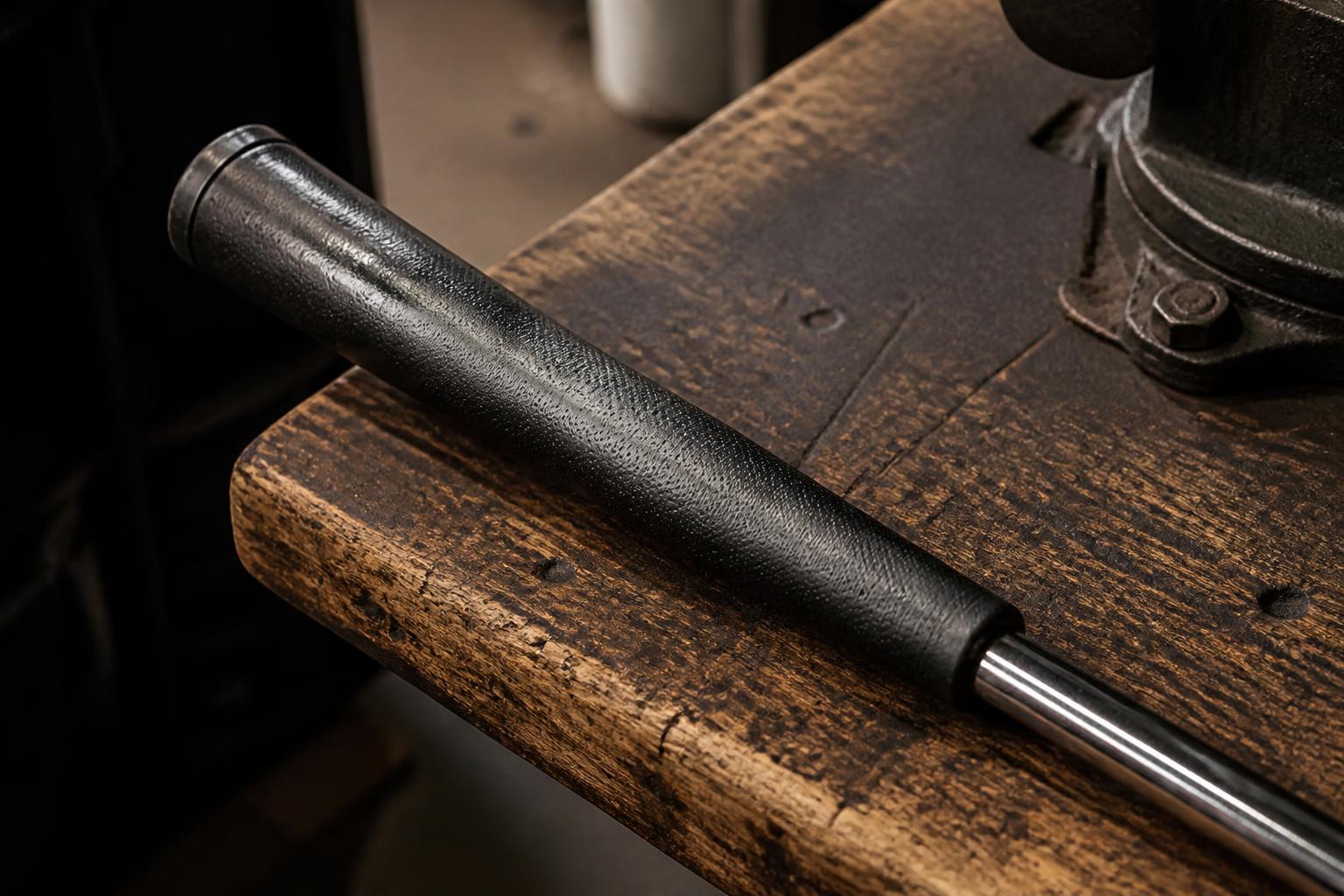
Grips are the only part of the club you actually touch, and they are also the only part most golfers never think about until something feels wrong. That combination is expensive. A grip wears out gradually, a little glaze here, a little hardness there, and because the change arrives in tiny increments, your hands quietly adapt: squeezing harder, re-gripping mid-round in humidity, subtly changing how the face gets delivered. By the time a grip looks worn, it has usually been costing you shots for months.
The question of when to regrip golf clubs gets answered online with tidy rules of thumb, and we will get to those, but the honest answer is that your grips tell you themselves if you know what to check. Here is what wear actually does to your game, the signs that matter more than the calendar, and how to turn a routine regrip into a small, cheap equipment upgrade.
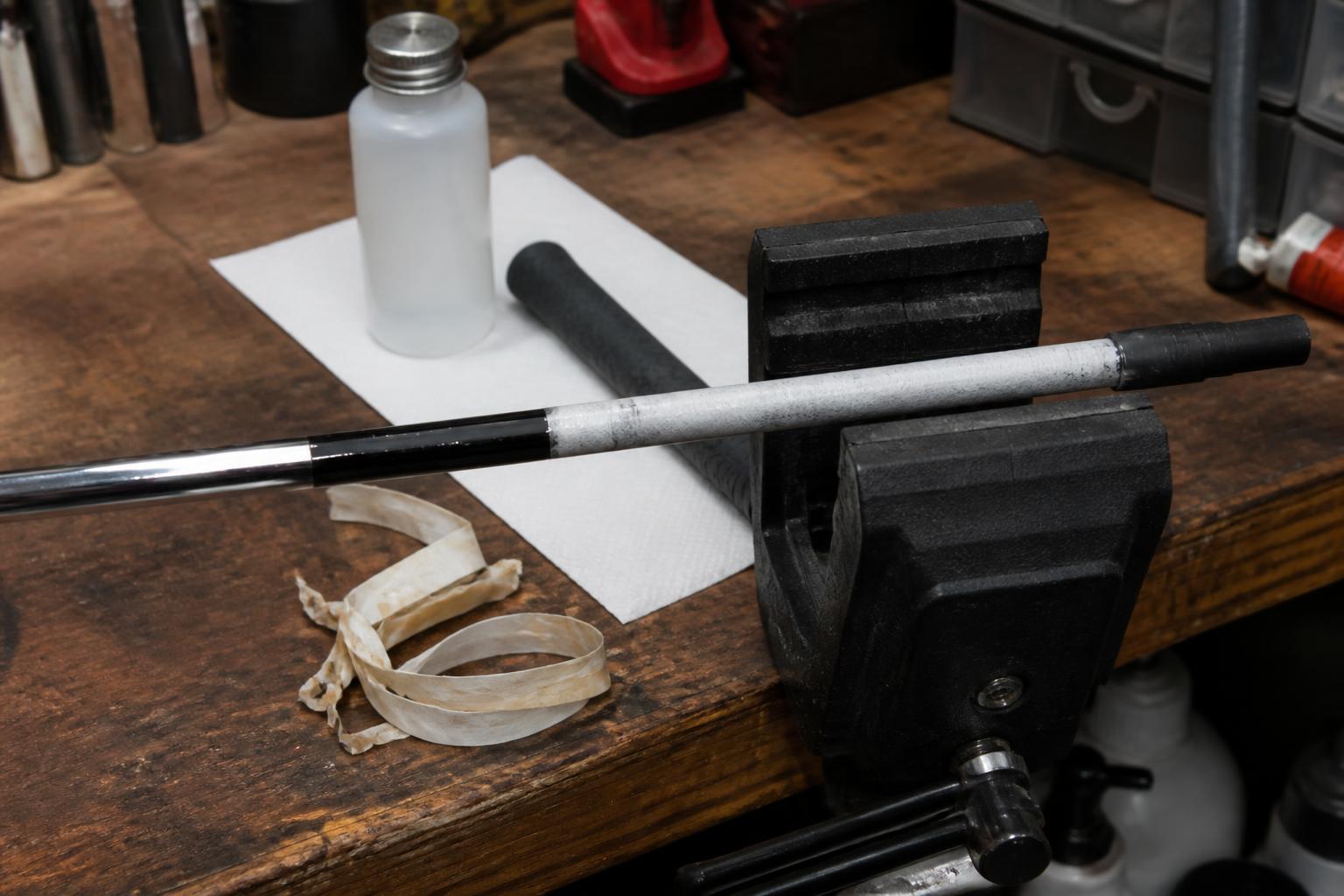
Rubber and synthetic grip materials degrade from sunlight, sweat, sunscreen, dirt, and simple compression. As the surface hardens and polishes, it offers less friction, and your hands respond the only way they can: with pressure. Added grip pressure is the quiet killer here, because tension in the hands travels up the forearms and changes release timing, tempo, and feel, none of which you will attribute to a grip.
The effect is worst exactly when you need the club most, in heat, humidity, or rain, when a healthy grip’s tackiness is the difference between swinging freely and hanging on. Golfers who notice their glove hand slipping late in summer rounds, or who feel the club twist slightly on mishits, are often diagnosing their grips without realizing it.
The guidance you will hear most often is to regrip roughly once a year or every forty rounds or so, whichever comes first. As a rule of thumb it is reasonable, and for golfers who will never inspect their grips, following it blindly beats ignoring the subject. But it misses in both directions. A Florida golfer playing three humid rounds a week with sunscreen-covered hands can exhaust grips in a single season, while a northern player storing clubs indoors half the year may get more life than the calendar suggests.
Frequency of practice matters too, range sessions count as wear even when rounds do not, and so does storage. Car trunks are grip killers; heat cycles accelerate hardening dramatically. Treat the annual rule as a floor for inspection, not a schedule for replacement: look at your grips once a season with the signs above in mind, and let their condition make the call.
Here is the part most golfers skip: the moment your grips come off is the cheapest fitting opportunity in golf. You are already paying for installation, so it costs nothing extra to get the replacement spec right instead of reflexively ordering the same thing.
Size is the first variable. Installed grip size depends on the grip’s core, the shaft’s butt diameter, and the tape underneath, and small changes alter how your hands work; if you have ever felt your grip pressure creep or your hands get flippy, it is worth discussing size rather than assuming standard. Texture and firmness are next: firmer, more textured models suit players who prioritize control and play in humidity, softer compounds, the specialty of makers like Winn, favor comfort and feel. Weight is the sleeper variable, because grip weight shifts the club’s balance, and a regrip that swaps to a much lighter or heavier model will change swing weight on every club in the bag at once.
Whatever you choose, choose it everywhere. A bag with three generations of grips in assorted sizes is a bag where every club asks for slightly different hands. Regripping the full set at once costs more that day and pays for itself in the consistency you feel for the next year. The exception is the putter, which is its own conversation and follows its own rules.
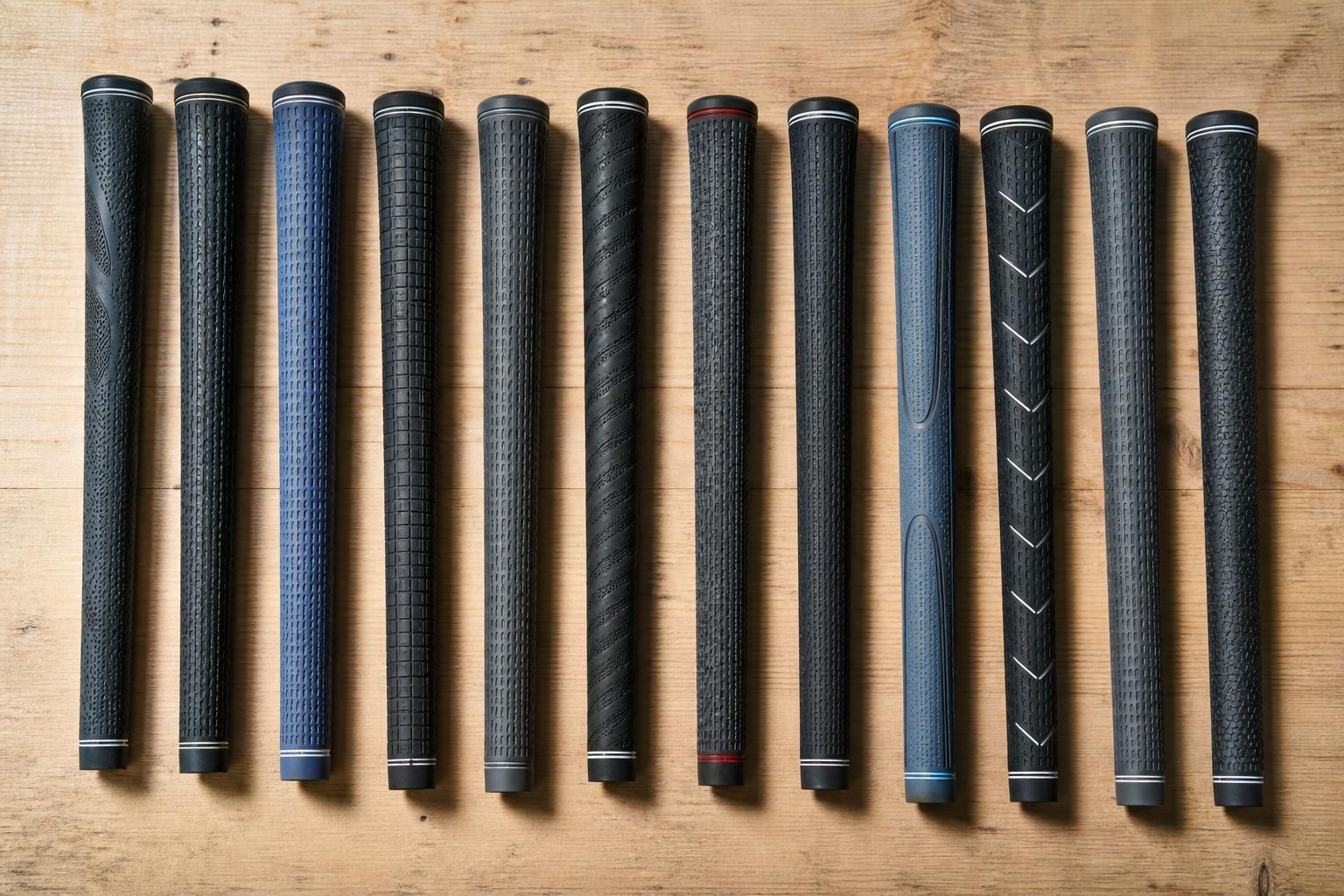
Because grip choice interacts with shaft butt diameter, tape build-up, and swing weight, we treat gripping as part of the build spec on every custom shaft build, not an afterthought: the grip model, size, and tape layers get recorded so the result can be reproduced exactly at the next regrip. If your current clubs just need fresh rubber, you can browse the grip options in our shop, and if you are not sure what size or style your hands actually want, that is a two-minute conversation that saves a year of second-guessing.
Make the check routine instead of a someday project. Pull three clubs you use constantly, the driver, a mid iron, and your most-used wedge, and take them into good light. Look first at the thumb positions for shine and flattened texture, since those spots wear fastest. Press a fingernail into the material high on the grip and low near the cap; healthy rubber rebounds, tired rubber holds a slick dent or feels glassy. Then hold each club with your normal grip pressure and waggle: if your hands instinctively tighten to feel secure, the surface is no longer doing its share of the work.
Finish with a quick wash, warm water, a drop of dish soap, a soft brush, a towel dry, and re-test the tackiness once dry. Grips that come back to life were dirty; grips that stay slick are worn out, and everything in the bag their age is presumably in similar shape. Log what you find, even just a note in your phone, because grip age is the one spec nobody remembers accurately. Five minutes a season turns regripping from an emergency into a scheduled, budgetable piece of maintenance.
Inspect at least once a season and replace when you see shine, hardness, or smooth spots, typically around once a year for regular play, sooner in hot, humid climates or with heavy practice volume, later for occasional players who store clubs well.
Cleaning with mild soap, water, and a soft brush restores tackiness on grips that are dirty but not worn, and it genuinely extends grip life. Once the surface is glazed or hardened, though, cleaning helps only briefly; the material itself is done.
They can. A meaningfully lighter or heavier grip model shifts swing weight, and a different size changes hand action. Matching the outgoing spec keeps things familiar; changing spec on purpose is fine, but do it deliberately and across the whole set.
If replacement is weeks away, wait and spec the new build properly. If it is a season away, fresh grips are one of the cheapest performance purchases in golf and will not be wasted money even on outgoing clubs.
Your grips are a wear item doing quiet damage on a schedule most golfers never check. Give them one honest inspection, and if they fail it, turn the fix into an upgrade: tell Patrick how your hands feel on the club, in dry weather and wet, and get the size, texture, and weight specced to you. Call 1-800-380-7901 or reach out through the contact page.
Written by Patrick Greene|Golf shaft specialist with 15+ years in

Written by Patrick Greene|Golf shaft specialist with 15+ years in

Free golf guide · 26 pages
How to Teach Your Wife Golf (And Live to Talk About It)
A funny, practical guide to better golf and fewer arguments: setup, swing, short game, putting and what not to say on the course.
Get the free guide