
How Custom Golf Shafts Enhance Distance and Accuracy
Written by Patrick Greene|Golf shaft specialist with 15+ years in

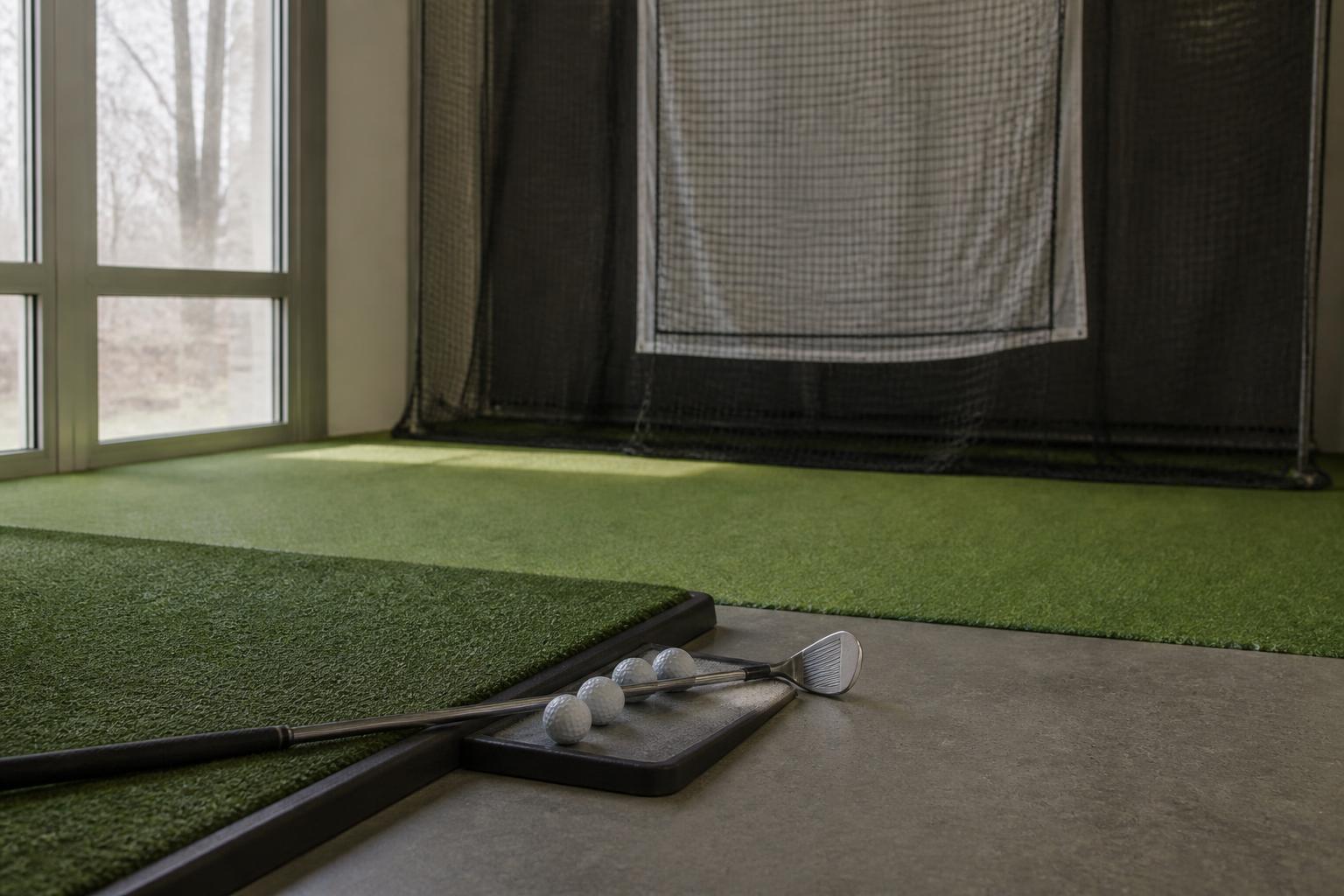
Most golfers agonize over their driver shaft, deliberate carefully over their iron shafts, and then let their wedges arrive with whatever happened to be in the head when they bought it. It is a strange blind spot, because the wedges hit more shots per round than the driver for many players, and they hit them at more different speeds than any other club in the bag: full swings, three-quarter pitches, chips, and everything between.
So when a set comes through our bench, one question always gets asked before the wedges are built: should they carry the same shaft as the irons, or something deliberately different? There is no single right answer, but there is a right way to decide, and it starts with understanding what each choice actually buys you.
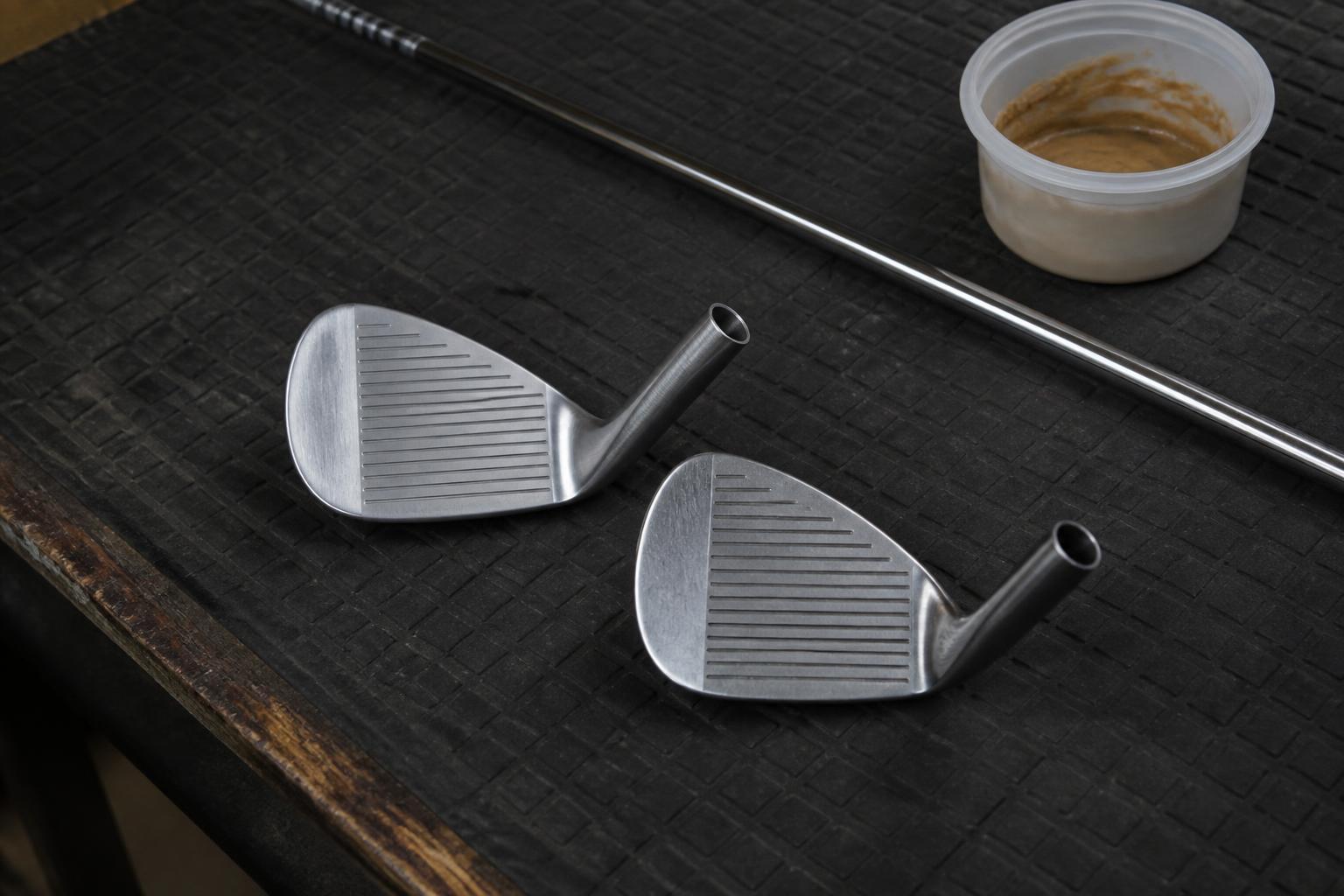
The strongest argument for matching is continuity. Your pitching wedge sits one club away from your 9-iron, and many golfers hit it with essentially the same full swing. If those two clubs feel meaningfully different, the transition point in the bag becomes a small mental hurdle on every scoring shot. Matching the set shaft through the pitching wedge, and often the gap wedge, keeps weight, balance, and flex progression moving smoothly through the clubs you swing at full speed.
Matching also simplifies fitting logic. If the iron fitting concluded that a particular weight and flex lets you deliver the club consistently, that conclusion does not expire at the 9-iron. For golfers who hit a lot of full and near-full wedge shots, extending the iron shaft into the wedges is the conservative, defensible default.
Set-matching became the default for a practical reason: matched sets are how iron shafts are engineered, with a flex progression designed to flow club to club. Keeping wedges inside that progression preserves the design intent. When we recommend a departure, it is a deliberate exception with a purpose, not a fashion choice.
The counterargument centers on how wedges are actually used. Sand and lob wedges rarely see full-speed swings. They live in partial shots, where feel, trajectory control, and spin consistency matter more than maximum stability. That is why many better players and fitters build the scoring wedges slightly heavier, slightly softer, or both, relative to the iron set.
None of this is automatic. A player with an aggressive full-swing wedge game may be better served by stability than by softness. The pattern of your actual wedge shots should drive the decision, which is why we ask how you use each wedge before we ever suggest a build.
Rather than treating wedges as one category, walk the bag. The pitching wedge is a full-swing club for almost everyone; match it to the irons unless there is a specific reason not to. The gap wedge splits the difference; players who hit full gap wedges regularly usually match it, while players who mostly use it for partial shots can treat it like a scoring wedge. The sand and lob wedges are where a deliberate change earns its place, because full swings there are rare and touch dominates.
Weight deserves special attention if your irons are graphite or lightweight steel. Dropping from a light iron shaft into a noticeably heavier wedge-specific shaft creates a jump you will feel; sometimes that jump is welcome, sometimes it is jarring. A good wedge shaft fitting looks at the whole descending set and keeps the transition gradual instead of abrupt, so no single club feels like it belongs to someone else’s bag.
Be careful with claims that a wedge shaft will transform your spin numbers. Spin on wedge shots is dominated by loft, grooves, strike, ball, and turf conditions. The shaft’s contribution is real but secondary, showing up mostly in flight window and consistency of contact. If someone promises a specific spin gain from a shaft swap alone, treat the promise with suspicion. What a well-chosen wedge build reliably delivers is a flight and feel you can repeat, and repeatability is what actually tightens distance control.
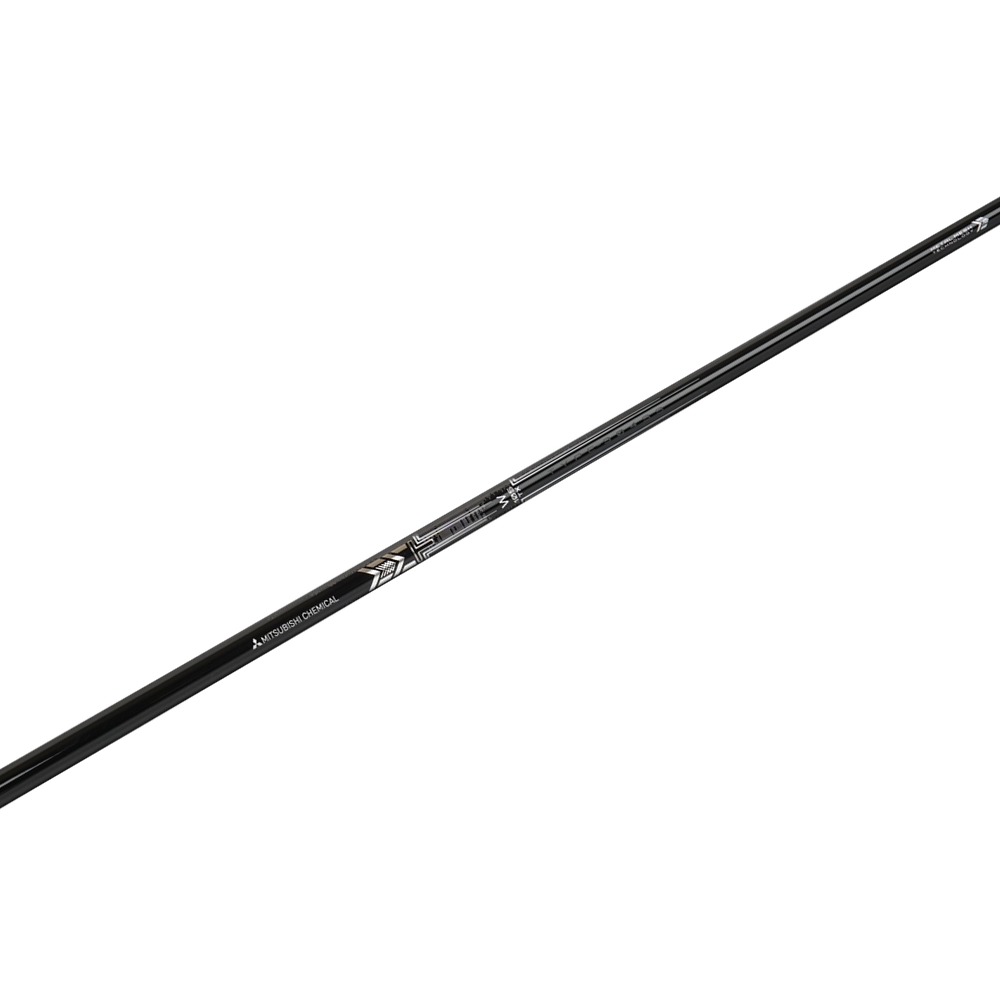
When Patrick builds wedges as part of a custom set, the working questions are simple. What shaft is in the irons, and does the player like it? How does each wedge actually get used? What are the current wedge shafts, lengths, and swing weights, and is the player fighting anything: flight too low, feel too harsh, distances inconsistent? The answers usually point clearly at either matching or a specific, small departure.
Length and swing weight then finish the job. Wedges are commonly built slightly heavier in swing weight than the irons, and small length choices change how the club sits at address on partial shots. These finishing specs matter as much as the shaft model, and they are the part most off-the-rack wedges leave to chance. If you are starting from scratch on the whole set, the shaft selector will narrow the iron shaft first, and the wedge decision follows from there.
The wedge decision is one of the easiest in golf to test honestly, because the shots involved do not need a launch monitor to evaluate. If you can hit half and three-quarter shots with a matched-shaft wedge and a softer or heavier alternative side by side, your hands and your carry consistency will render a verdict within a couple of range sessions. Pay attention to three things: whether the flight window on partial swings stays repeatable, whether the club feels communicative or dead at chipping speeds, and whether full-swing distance control at the top of the wedge’s range stays predictable.
If side-by-side testing is not practical, run the experiment in sequence instead. Reshaft one wedge, the sand wedge is the usual candidate, play it for a few weeks, and compare it against the wedge above it. A single-club trial costs little, risks nothing permanent, and answers the question with your own shot pattern rather than someone else’s theory. Golfers who test this way either confirm the matched setup was fine all along or discover a scoring-club feel they did not know they were missing; both outcomes are wins.
Yes, though the difference shows up as flight window, feel, and consistency rather than dramatic distance or spin changes. Players who hit many partial shots tend to notice shaft changes in wedges more than anywhere else in the bag.
Not necessarily. Because sand wedges see mostly partial swings, many builds run them at the set flex soft-stepped, or in a wedge-specific model that plays slightly softer. Full-swing-heavy players may still prefer an exact match.
They can be, and players who chose graphite for comfort or joint relief usually should stay consistent. The main thing to manage is the weight step between the set and the wedges so the transition feels gradual.
Usually, yes. If the heads still have healthy grooves, reshafting is an economical way to bring the wedges into line with a new iron build. The builder will confirm the hosel and tip compatibility before committing.
Your wedges deserve the same intentionality as the rest of the set, and the right answer might be the simplest one: match the irons and move on. Or it might be a small, deliberate change that makes your scoring clubs finally feel like scoring clubs. Browse the wedge and iron options in the shop, or call Patrick at 1-800-380-7901 and describe how you use each wedge; the build plan usually writes itself from there.
Also Read: Tensei 1K Blue vs White: Which Mitsubishi Wood Shaft Fits You?
Written by Patrick Greene|Golf shaft specialist with 15+ years in

Written by Patrick Greene|Golf shaft specialist with 15+ years in