
How Custom Golf Shafts Enhance Distance and Accuracy
Written by Patrick Greene|Golf shaft specialist with 15+ years in

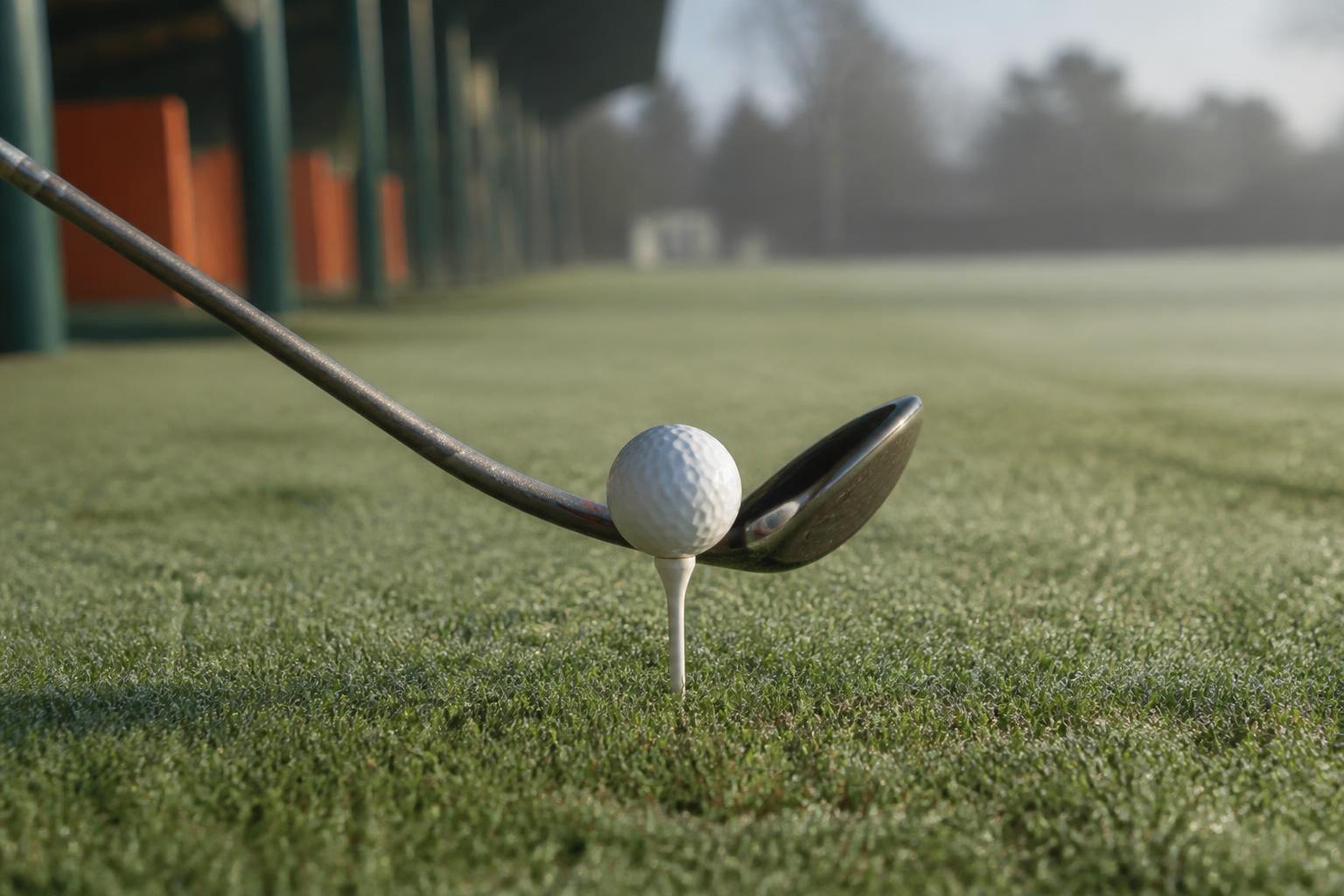
Golf shaft torque is one of the most misread numbers on a shaft label, and I see the confusion in my fitting bay almost every week. Torque measures how much a shaft twists along its length under load, expressed in degrees, and it quietly shapes both how the club feels through impact and where your ball ends up. In this piece I want to walk you through what that number actually tells you, what it does not, and how I use it when I build a shaft for a golfer.
When manufacturers publish a golf shaft torque rating, they are describing resistance to twisting force. Picture gripping the butt end of a shaft, clamping the tip, and rotating one end against the other. The number of degrees the shaft rotates before it resists is its torque value. A shaft rated at 3.0 degrees twists less than one rated at 5.5 degrees under the same load.
That twisting matters because the clubhead is not attached in line with the shaft’s center. The center of gravity sits out toward the toe and below the axis, so every time you load the club in transition and release it through the ball, the head wants to rotate around the shaft. Torque governs how much the shaft allows that rotation. Lower torque holds the face more firmly against the twist. Higher torque lets it move more freely.
Most modern driver and wood shafts live somewhere between roughly 2.5 and 6.0 degrees, and iron shafts generally read lower because they are shorter and built differently. Those are ballpark ranges, not rules, and the right number for you depends on how you deliver the club, not on chasing the lowest figure on the rack.
For a useful comparison of how a manufacturer publishes torque alongside flex, weight, tip profile, spin, and launch, review Fujikura’s technical shaft specifications.
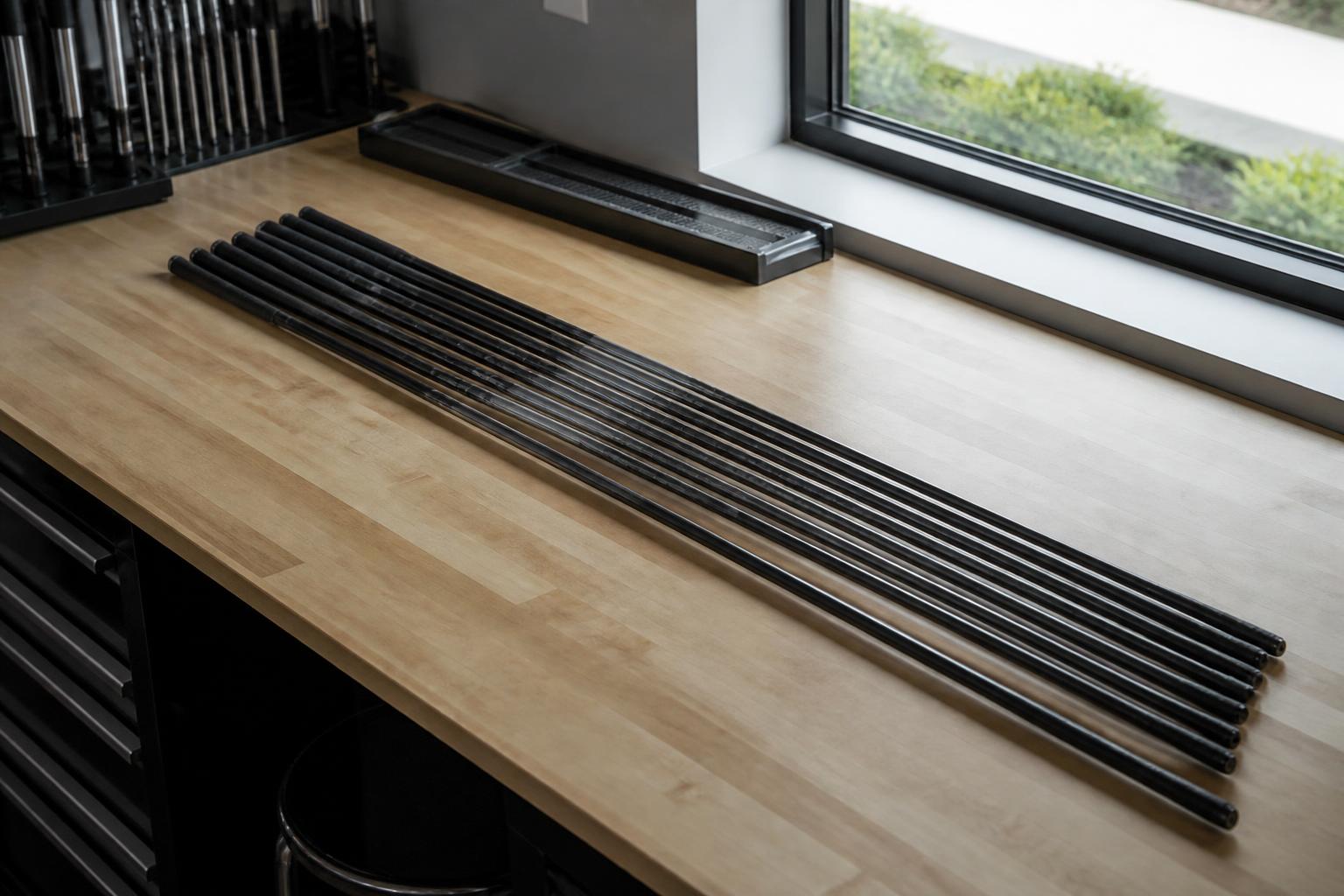
Feel is where torque shows up first for most players, often before they ever look at their dispersion. Lower torque generally produces a firmer, more solid, sometimes boardy sensation. The head feels planted and stable, and aggressive players who load the shaft hard tend to describe it as tight or connected. Higher torque reads softer and livelier, with more of a sense that the head is releasing and kicking through the ball.
Here is the part that trips people up: torque, flex, and weight are braided together. You cannot judge feel from the torque number alone.
When a golfer tells me a shaft feels dead or feels whippy, torque is usually part of the story, and I would rather adjust it deliberately than have someone guess their way through a shaft they bought off a chart. If you want to see how these variables stack for your swing, my shaft selector tool is a good starting point before we ever meet.
Dispersion is where torque earns or loses you strokes, because it influences how consistently the face returns to square. When the shaft twists under load, the face angle at impact shifts with it. Less twisting means the face is more repeatable from swing to swing. More twisting introduces more face-angle variability, which shows up as a wider left-to-right spread on your misses.
That does not automatically make low torque better. A shaft that resists twist more than your swing needs can leave the face open at impact, especially for players who do not aggressively release the club, and the result is a persistent push or fade you cannot shake. Give that same player a bit more torque and the face closes more freely, the ball starts straighter, and the misses tighten up. I have watched a golfer move from a stubborn block to a centered flight purely by raising torque half a degree while keeping weight and flex the same.
So the goal is matching, not minimizing. The right amount of golf shaft torque lets the face arrive square with the least twist your delivery actually requires. Too little and you fight to close it. Too much and you struggle to control it. The sweet spot is different for every set of hands, which is exactly why I measure rather than assume.
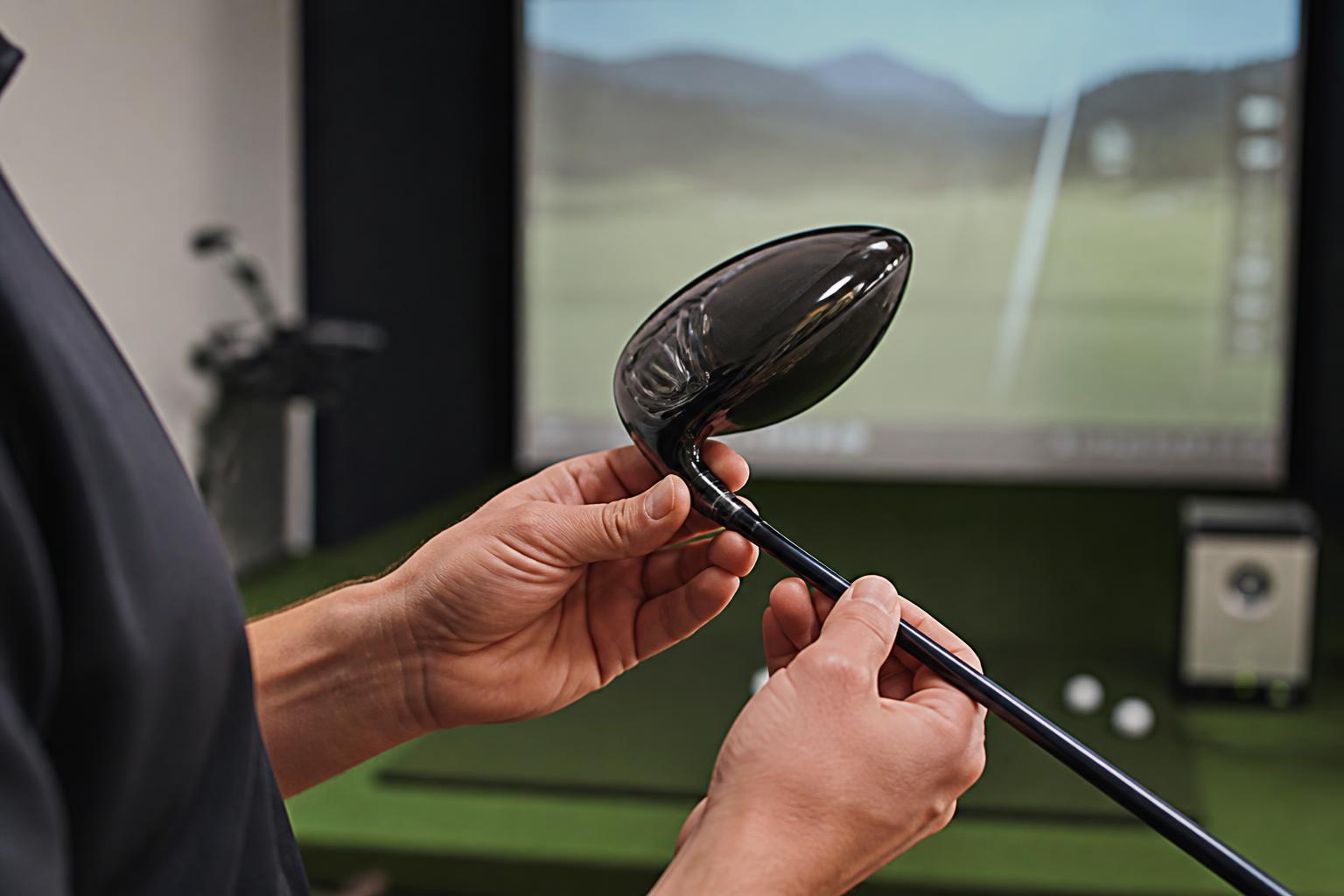
This is the warning I give every client who arrives with a spreadsheet of torque values. You cannot line up torque numbers from different manufacturers and treat them as equal. There is no enforced industry-wide standard for how torque is measured, so the clamp positions, the applied load, and the test protocol can differ from one company to the next.
Two shafts both printed at 3.5 degrees can twist differently in your hands because each brand arrived at that figure its own way. A 3.5 from one maker might feel like a 4.2 from another. The printed value is a useful reference inside a single manufacturer’s lineup, where the testing is consistent, but it becomes unreliable the moment you cross brands.
That is a big reason I lean on measured performance and real ball flight instead of the label. Marketing departments know golfers chase low torque, and a number on a sticker is easy to present favorably. What the ball does off a properly profiled shaft is much harder to fake, and it is what I build around when I assemble a custom shaft for someone.
In the bay I never pick torque in isolation. I watch how you load and release the club, then I look at launch, spin, and above all your dispersion pattern on both good and mishit strikes. Torque is one lever among several.
The best torque value is the one that disappears. You stop thinking about the shaft, the face squares up on its own, and your spread tightens. That only happens when torque is matched to your delivery alongside weight, flex, and profile, not chosen from a chart in isolation.
No. Lower torque resists twisting more and can feel firmer and more stable, but if it is lower than your swing needs, the face can arrive open and give you a persistent push or fade. The right torque matches how you deliver the club, and for many players that is not the lowest number available.
Most modern driver and wood shafts fall roughly between 2.5 and 6.0 degrees, with lighter shafts usually carrying higher values. Iron shafts generally read lower because they are shorter and built differently. Treat these as broad ranges rather than targets, since the right figure depends on your swing.
Not reliably. There is no enforced universal standard for measuring torque, so two shafts both printed at the same degree value can twist differently in your hands. The number is useful within a single manufacturer’s lineup where testing is consistent, but it does not translate cleanly across brands.
Both. Feel is usually what golfers notice first, but torque also influences how consistently the face returns to square, which directly shapes your left-to-right dispersion. Matching torque to your delivery is one of the levers I use to tighten a spread.
The dependable way is a fitting that measures your actual ball flight and dispersion rather than guessing from a label. Tempo, transition, strength, and release all factor in, so the number that suits you is specific to your hands. Ask me and we will find it on real data.
If you have been fighting a stubborn miss or a shaft that never quite feels right, torque may be the piece nobody dialed in for you. Start with my shaft selector to narrow the field, then contact me to book a fitting and let me build you a matched custom shaft around your real swing. I would rather measure it than let you guess. Bring your questions and let us get your face squaring up on its own.
Also Read: Graphite vs. Steel: Picking the Best Shaft
Written by Patrick Greene|Golf shaft specialist with 15+ years in

Written by Patrick Greene|Golf shaft specialist with 15+ years in

Free golf guide · 26 pages
How to Teach Your Wife Golf (And Live to Talk About It)
A funny, practical guide to better golf and fewer arguments: setup, swing, short game, putting and what not to say on the course.
Get the free guide