
How Custom Golf Shafts Enhance Distance and Accuracy
Written by Patrick Greene|Golf shaft specialist with 15+ years in

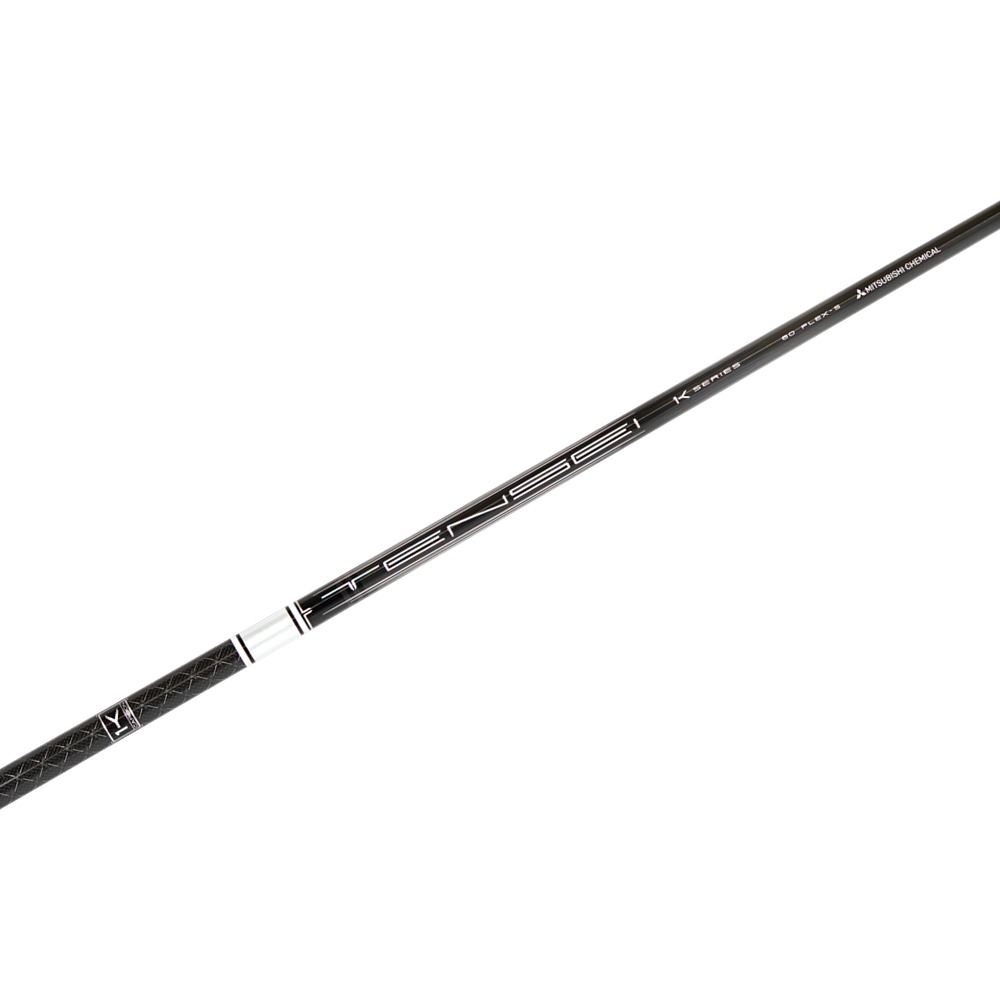
Golfers ask us about replacement timing almost as often as they ask about new models, and the honest answer surprises most of them. Knowing when to replace a golf shaft comes down to two separate questions: is the shaft physically compromised, and is the shaft still right for the swing you have today. Those are different problems with different evidence, and conflating them is how golfers end up replacing healthy shafts while gaming damaged ones. Premium graphite like the TENSEI 1K Pro White wood shaft is built to last for many seasons of normal play, which makes the real replacement triggers worth understanding.
This guide covers the genuine damage signs that call for immediate replacement, the truth about graphite wear, the situations where the shaft is fine but no longer fits you, and how to decide between reshafting an existing club and buying new. By the end you should be able to look at your own bag and know which shafts have earned suspicion and which are being blamed for something else.
The clearest trigger is visible damage that goes beyond cosmetics. A scratch in the paint is nothing. A nick or gouge that cuts through the paint and into the fibers underneath is something else entirely, because graphite gets its strength from continuous fibers, and a cut that severs them creates a weak point that concentrates stress with every swing. Run a fingernail across any suspect mark. If it catches in a groove rather than sliding over a surface blemish, have the shaft looked at before you keep playing it.
Pay particular attention to two zones. The tip section just above the hosel takes the highest load in the swing, so cracks or deep nicks there are the most serious. The area under and just below the grip is the sneaky one, because damage from clamping the club incorrectly in a vise, or from a slow crack spreading under the grip, stays hidden until the grip comes off. A rattle inside the shaft, a soft or clicking sensation during the swing, or a sudden unexplained change in dispersion right after the club hit a cart path, a tree root, or the trunk of your car are all reasons to stop and inspect before the next round.
Here is the part the industry does not always say plainly: graphite shafts do not simply wear out from normal swinging. The idea that a shaft goes soft or loses its spine after a few seasons of ordinary play is a myth that sells a lot of unnecessary replacements. A quality graphite shaft that has never been damaged will perform essentially the same on its ten thousandth normal swing as it did on its hundredth. If nothing has happened to the shaft, the shaft has not changed.
What does change is everything around the shaft. Swings evolve, speed rises or falls, strikes migrate on the face, and confidence swings with form. When a long trusted driver starts misbehaving and there is no impact event to blame, the shaft is one of the least likely culprits. Damage from abuse is real, and heat can be an enemy, so avoid leaving clubs baking in a car trunk through the summer. But age alone, absent damage, is not a replacement trigger. We would rather tell you that plainly than sell you a shaft you do not need, because that honesty is why people come back.
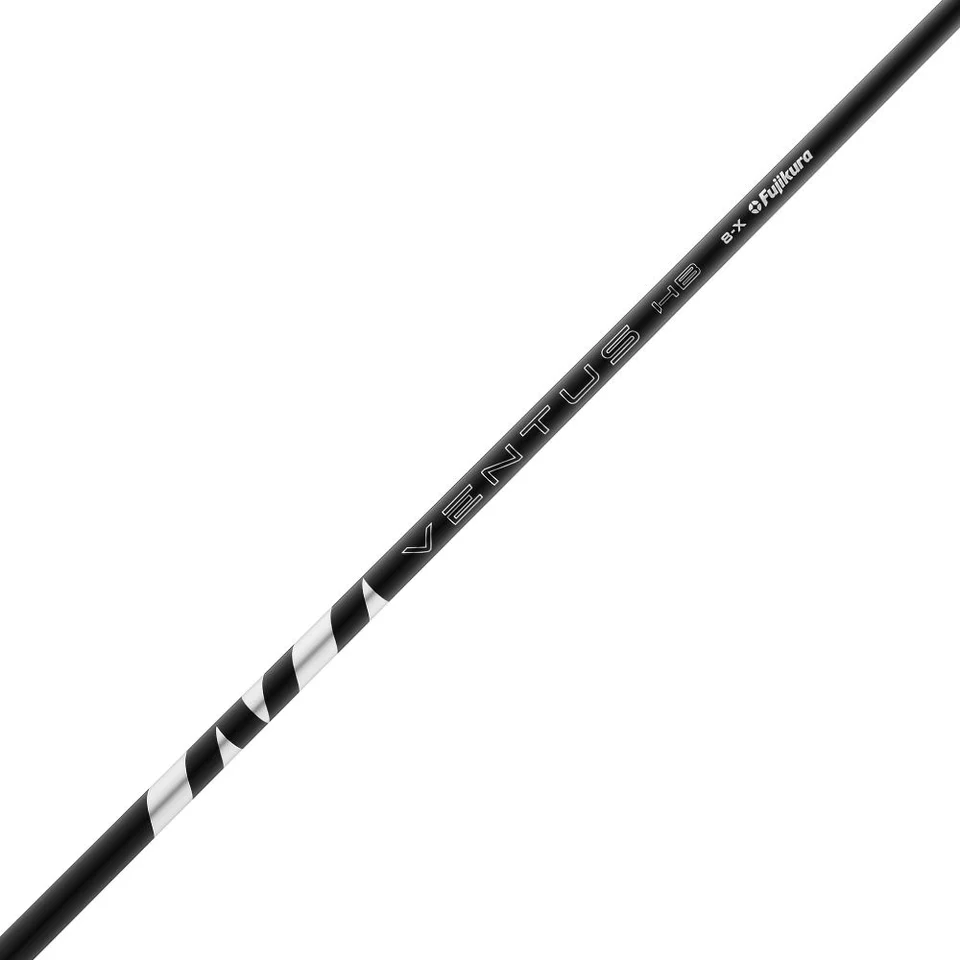
If any shafts in your bag deserve routine inspection, it is the ones that hit the ground. Driver shafts live a pampered life on a tee. Hybrid and fairway wood shafts get swung through turf, catch hidden roots and stones, and ride in the crowded middle of the bag where clubheads bang against them in transit. A hybrid shaft, like a Ventus Black hybrid, that has dug a ball out of hardpan and gravel for three seasons has lived a completely different life than the driver shaft bought the same day.
The inspection habit is simple. A few times a season, wipe each hybrid and fairway shaft clean and look it over in good light, paying attention to the lower third where turf and debris contact happens. Check for the fingernail catch on any mark, and give the shaft a gentle flex while listening for anything that does not sound solid. Travel is the other risk window, so a quick check after every flight, especially if the travel bag came back with new scars of its own, catches problems while they are still cheap to address.

The more common replacement scenario has nothing to do with damage. The shaft is structurally perfect and simply no longer fits the golfer swinging it. Swing speed rises when a player takes lessons or gets fitter, and it falls with age or injury. Either direction can move you out of the weight and flex window the shaft was chosen for. A swing change that alters your transition or release can do the same thing without the radar number moving at all. And a new clubhead can change the picture too, since head weight and spin characteristics interact with the shaft’s behavior.
This is where replacement becomes an upgrade rather than a repair. A player whose speed has climbed might move into something more stable like the TENSEI 1K Pro White, while a player chasing a livelier feel and help with launch might land in the Speeder NX Green wood shaft. The point is not any specific destination. The point is that the trigger for change is a mismatch between shaft and swing, and the evidence for a mismatch comes from a launch monitor session, not from the shaft’s birthday.
Once you know a shaft needs to go, the next decision is whether to reshaft the club you own or buy a new build. Reshafting makes sense when you like your current head and it remains competitive, since modern adapter systems make swapping wood shafts straightforward and a fresh shaft in a familiar head keeps one variable constant. Buying new makes sense when the head itself is several generations old, when you want to change categories, or when the combined cost of parts and labor approaches what a properly fit replacement would run.
Either way, the deciding step is the same. Bring the club in, let us measure what you have, and hit the candidates against your current setup on the launch monitor. Patrick walks players through this comparison every week, and the data usually makes the decision obvious within a single session. Sometimes the honest recommendation is to keep exactly what you have, and we make that call when the numbers support it.
Manufacturer care guidance, like the resources on Fujikura’s official site, is a good companion to a hands-on inspection.
An undamaged graphite shaft lasts indefinitely under normal play. There is no service life after which it quietly degrades. Replacement is triggered by damage, by a change in your swing that makes the shaft a poor fit, or by a genuine performance upgrade, not by the calendar. Plenty of golfers play the same shaft happily for a decade.
No, not in any way worth trusting. Graphite depends on continuous fiber structure, and once that structure is cut or cracked, no external patch restores it. A damaged shaft should be retired and replaced. The head, the grip, and the adapter are all reusable, so the loss is smaller than it first appears.
Sometimes, and a fitting will tell you honestly. A shaft that is badly mismatched to your speed and tempo absolutely costs distance and can aggravate a directional miss. But a shaft cannot overwrite a swing pattern, and blaming equipment for mechanics leads to expensive disappointment. The launch monitor separates the two causes quickly, which protects you from buying the wrong solution.
Only if the evidence says so. Each shaft earns its spot separately, and it is common for a fitting to conclude that the driver shaft needs to change while the fairway and hybrid shafts still fit well. Start with the club that is underperforming, fix it properly, and let the results tell you whether the rest of the bag deserves the same scrutiny.
If a shaft in your bag has a suspicious mark, a rattle, or a swing it no longer matches, bring it in and let us look at it honestly. Order a replacement through the Speeder NX Green or TENSEI 1K Pro White product pages, or book a session with Patrick and confirm what actually needs to change before you spend anything.
Also Read: Top Signs You Need to Replace Your Hybrid Shaft This Year
Written by Patrick Greene|Golf shaft specialist with 15+ years in

Written by Patrick Greene|Golf shaft specialist with 15+ years in

Free golf guide · 26 pages
How to Teach Your Wife Golf (And Live to Talk About It)
A funny, practical guide to better golf and fewer arguments: setup, swing, short game, putting and what not to say on the course.
Get the free guide