
How Custom Golf Shafts Enhance Distance and Accuracy
Written by Patrick Greene|Golf shaft specialist with 15+ years in

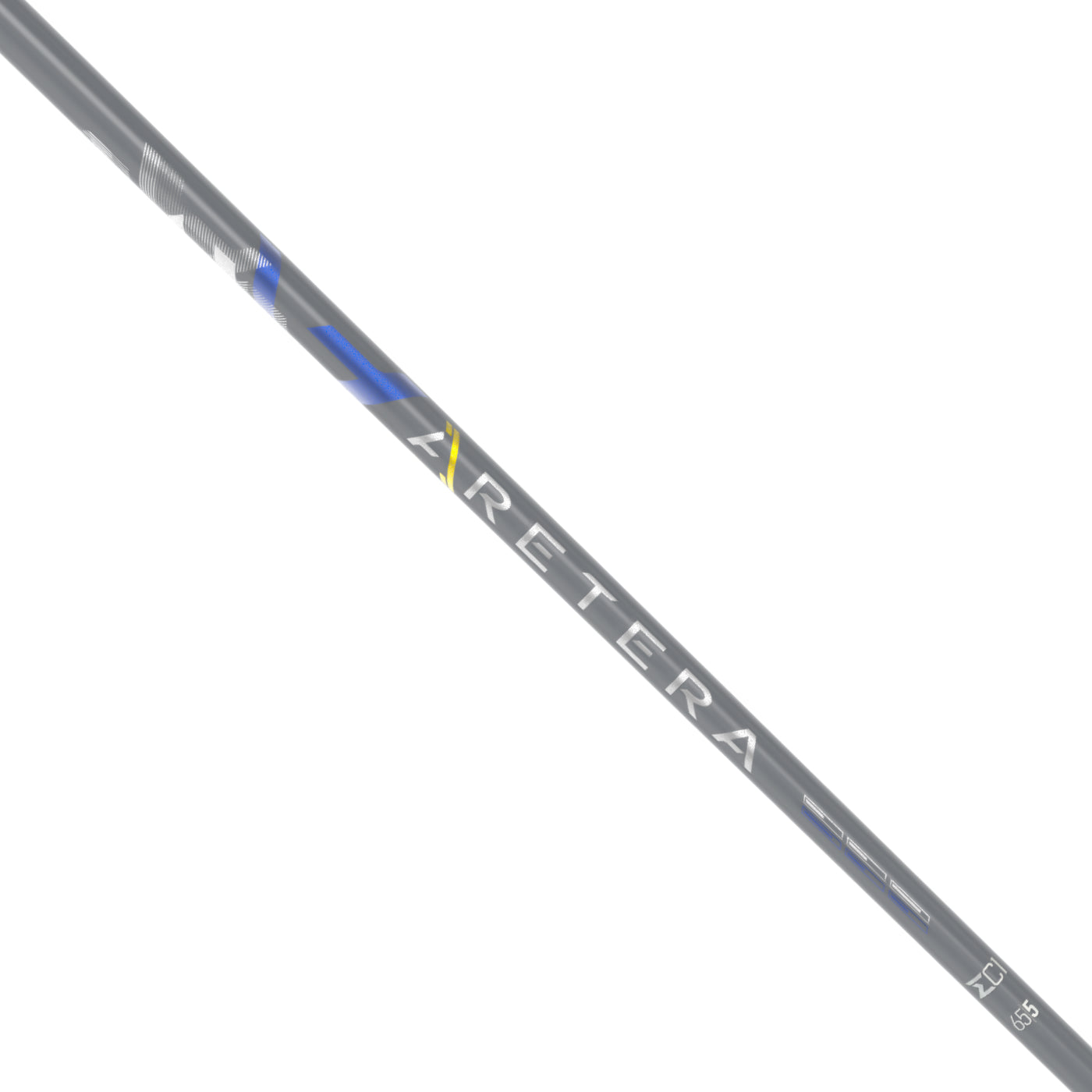
Aretera golf shafts have just landed in our catalog, and if you follow the premium wood shaft market at all, you have probably started hearing the name in fitting conversations. Aretera is one of the newest entrants in the high end shaft space, and the two models we now stock, the Aretera EC1 wood shaft and the AO2, arrive with real curiosity behind them. This guide covers what the brand is about, how the two models are positioned, and how to think about a brand new premium name next to the established shafts you already know.
New shaft companies earn trust the hard way, and golfers are right to be skeptical of fresh names in a category where the established players have decades of history behind them. The honest way to evaluate a new brand is the same way you evaluate any shaft. Set the story aside, hit it on a launch monitor, and compare the numbers and the feel against what you currently play. That is exactly how we suggest approaching these two, and it is how we evaluated them before deciding to carry them.
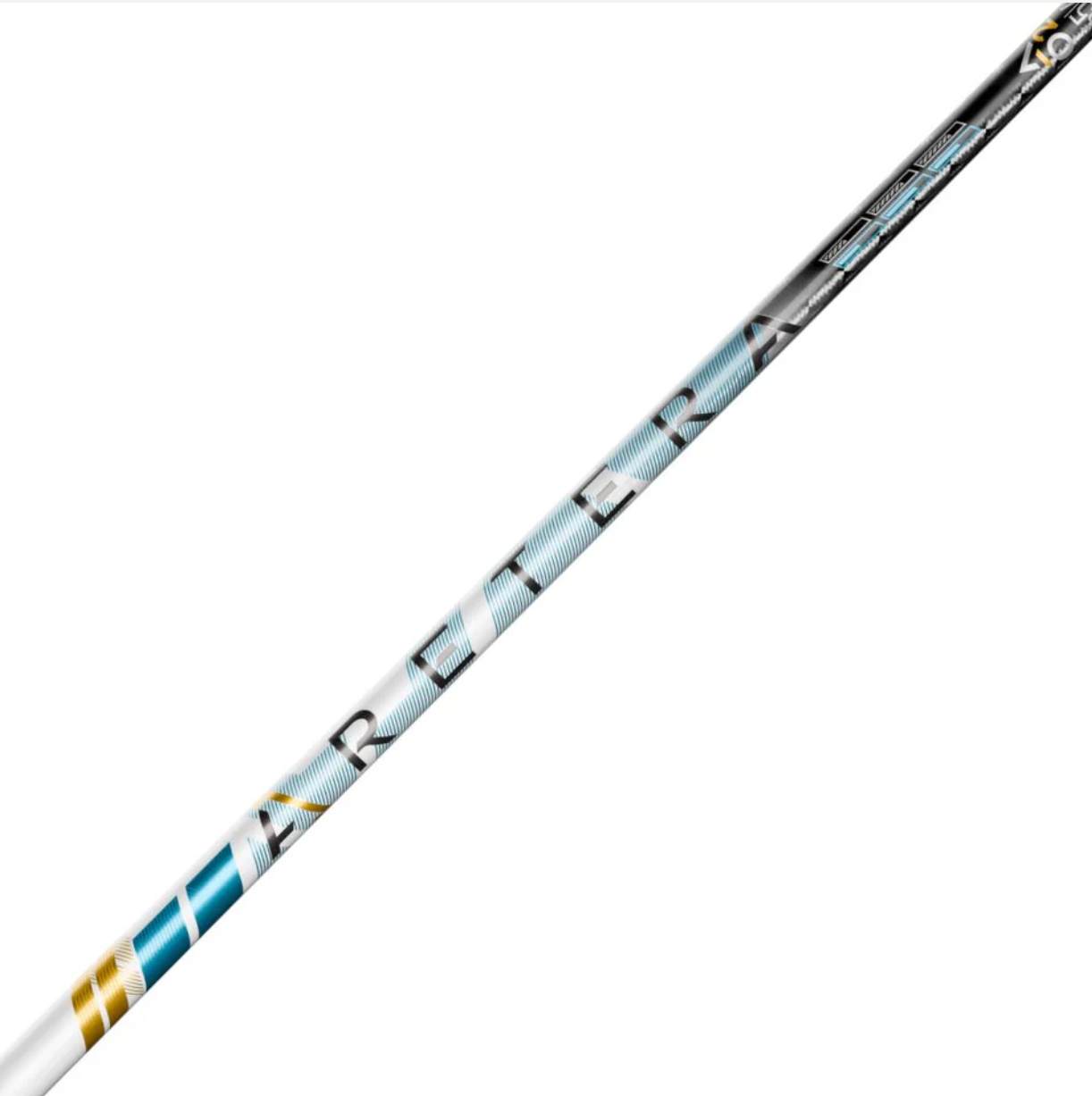
Aretera is a newer premium shaft company focused on high end wood shafts. Rather than launching with a sprawling lineup covering every category at once, the brand introduced a small number of distinct profiles and let word of mouth do the early work. We will not repeat the various origin stories floating around online, because most of them are secondhand and the details matter less than the product. What matters to you as a buyer is simpler: the shafts are built to premium construction standards, they occupy the same conversation as the established flagship lines, and they are different enough in feel to justify hitting them rather than dismissing them.
A small lineup is actually an advantage when you are choosing. Instead of decoding a dozen overlapping models, you are comparing two clearly separated profiles. That makes the fitting conversation shorter and the differences easier to feel, which is a welcome change from brands whose catalogs require a translator.
The EC1 is the model most players ask about first, and it is positioned as the more stability driven of the two profiles we carry. The design intent, as Aretera presents it, is a shaft that holds the face steady through impact for players who deliver real speed and want their miss contained, while keeping enough life in the profile that it does not feel dead in the hands. Players who currently gravitate toward control oriented flagship shafts will recognize the intent immediately.
Feel is where a new brand either wins people over or loses them, and the EC1 makes its case with a blend of stability and feedback rather than raw softness. If your current gamer is stable but numb, or lively but loose, that gap in the middle is the territory the EC1 is aiming at. Whether it lands there for your swing is a launch monitor question, not a spec sheet question, which is a theme you will notice throughout this post.
The Aretera AO2 wood shaft is presented as the smoother loading counterpart, aimed at players who want a more accessible feel and an easier time getting the shaft to work for them during the downswing. Where the EC1 courts the player who prioritizes containment, the AO2 speaks to the player who wants the shaft to participate, loading noticeably and releasing energy through the ball rather than simply resisting.
That does not make the AO2 a soft shaft in any dismissive sense. It is built to the same premium construction standard, and its positioning is about feel character and launch behavior, not about being a lesser option. Plenty of strong players prefer a shaft they can feel load, and plenty of moderate speed players deliver their best strikes with exactly this kind of profile. The two models are siblings with different personalities, not a first choice and a consolation.

Start with your miss and your transition. If your bad ball shows up when the face gets away from you under speed, and your transition is quick, the EC1’s stability first character is the natural starting point. If your driver feels like a board, if you struggle to sense where the head is, or if your tempo is smooth and rhythmic, the AO2’s easier loading profile deserves the first swing. From there, let the launch monitor arbitrate, because feel preferences and actual performance do not always agree.
With a brand this new, trying before buying matters even more than usual. There is no long institutional memory of how these profiles fit different swing types, no decade of fitter shorthand to lean on. That is not a knock on Aretera, every established brand started in the same position. It simply means your own session data is worth more than anyone’s early impressions, ours included. We keep both models available to hit for exactly this reason.
The established flagship lines, think of something like the Fujikura Ventus TR family, bring two things a new brand cannot: years of fitting data across thousands of swings, and a known resale and replacement ecosystem. When a fitter recommends an established shaft, the recommendation rides on a deep base of pattern recognition. That is genuinely valuable, and it is why the incumbents remain our most fit shafts month after month.
What a new brand offers is a fresh design perspective and profiles that are not simply iterations of last year’s model. Sometimes that produces a shaft that fits a player the established lines never quite served. The correct posture is neither hype nor dismissal. Do not switch to Aretera because it is new, and do not refuse to hit it because it is new. Put it in the same session as your current shaft and a proven benchmark, and let the numbers and your hands make the call. If the EC1 or AO2 wins that session, the newness stops mattering the moment the ball leaves the face.
The brand’s own positioning for both models is published on Aretera’s official site, which is worth reading alongside any fitting conversation.
They are a legitimate premium entrant. The construction quality is in line with the high end of the market, and the profiles are distinct rather than clones of existing shafts. Like any new brand, Aretera still has to build its fitting track record swing by swing, which is why we treat launch monitor results as the deciding evidence rather than reputation in either direction.
Neither is better in the abstract. The EC1 leans toward stability and miss containment, while the AO2 leans toward a smoother loading feel that more players can access. The right answer depends on your transition, your typical miss, and what you want the shaft to feel like during the swing. Ten minutes hitting both back to back answers the question faster than any comparison article can.
Yes. We fit both models on the launch monitor and build them to your specs, including tipping, length, and grip, with an adapter for your head. Because the brand is new, we take extra care documenting the baseline against your current shaft so you can see precisely what changed and why.
They compete in the same premium tier, but they are not copies of it. The Ventus TR family carries an enormous fitting history and a stability focused design language golfers already understand. Aretera offers alternative takes on feel and loading that some players prefer once they hit them. The comparison worth trusting is the one that happens with your swing on the monitor, not a spec sheet debate.
Both models are available through the shop now, new and built to order. If you are curious whether the EC1 or the AO2 fits your game, book a session with Patrick and hit them against your gamer, or reach out through either product page and we will help you decide where to start.
Also Read: Quick Care Tips for Your Golf Shafts
Written by Patrick Greene|Golf shaft specialist with 15+ years in

Written by Patrick Greene|Golf shaft specialist with 15+ years in

Free golf guide · 26 pages
How to Teach Your Wife Golf (And Live to Talk About It)
A funny, practical guide to better golf and fewer arguments: setup, swing, short game, putting and what not to say on the course.
Get the free guide