
How Custom Golf Shafts Enhance Distance and Accuracy
Written by Patrick Greene|Golf shaft specialist with 15+ years in

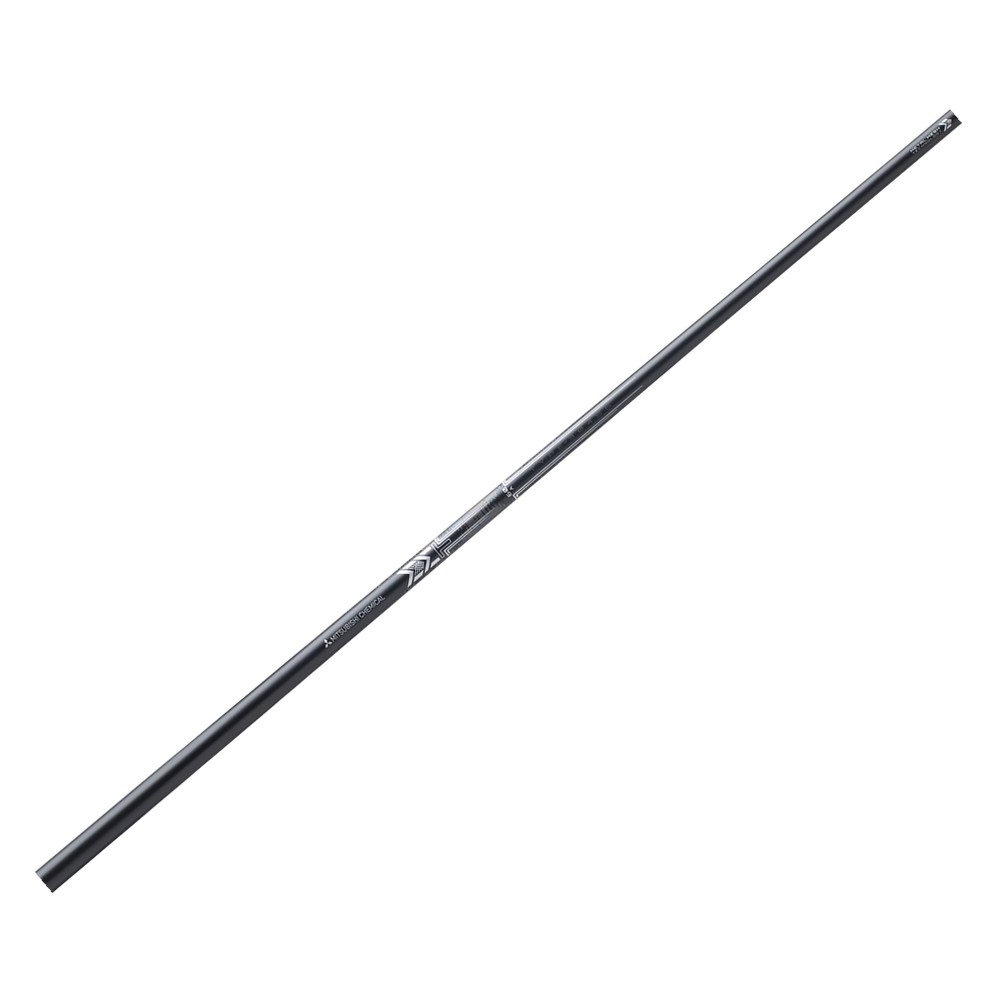
Graphite iron shafts used to carry a stigma, something you switched to only when your hands or shoulders forced the issue. Mitsubishi MMT iron shafts are a big part of why that stigma is fading. MMT blends graphite construction with a woven metal mesh, producing an iron shaft that feels smooth without the vague, whippy character that scared serious players away from graphite for decades. The MMT parallel iron shafts have become one of the most requested graphite iron options at the shop, and the requests are coming from single digit players as often as from seniors.
This guide covers what MMT actually is, which players genuinely benefit from moving their irons to graphite, what parallel versus taper tip means in plain language, and where the Platinum version fits into the picture. By the end you should know whether the switch makes sense for your game and which of the five MMT options we stock deserves your attention first.
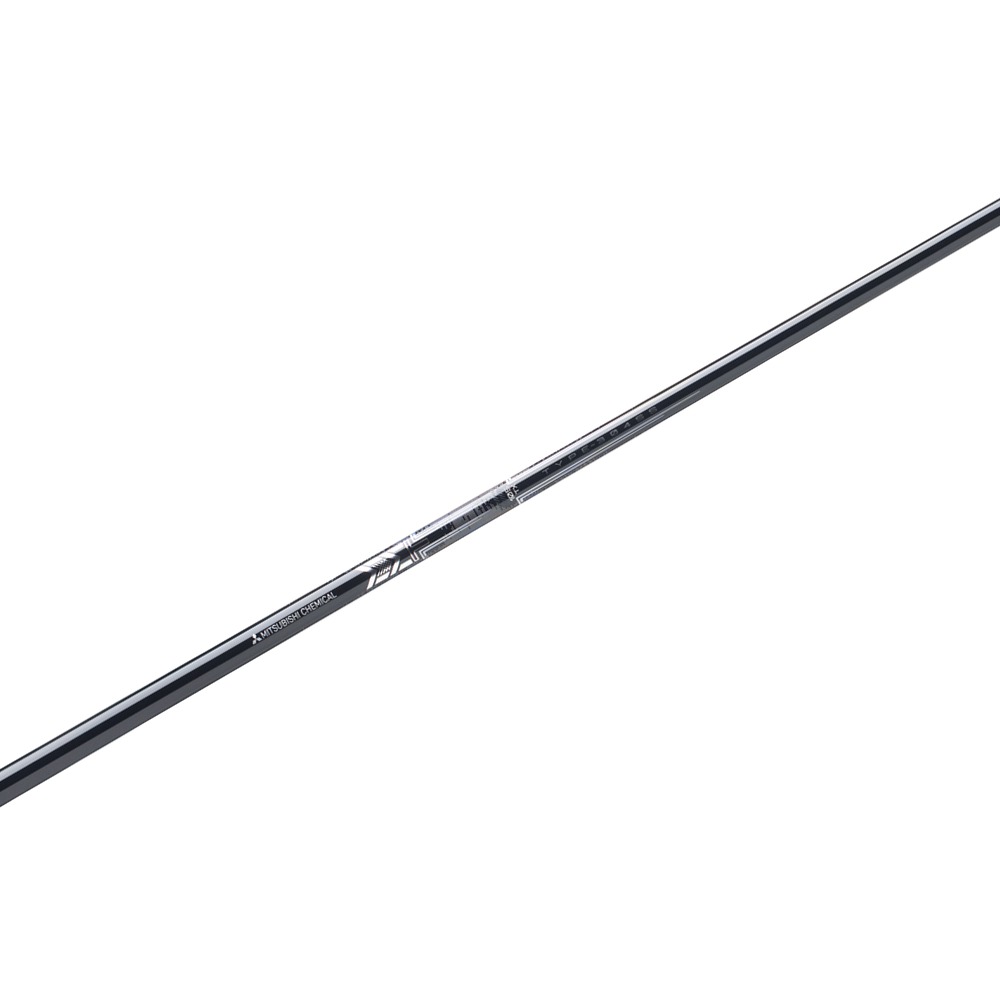
MMT stands for Metal Mesh Technology. Mitsubishi weaves a thin metal mesh into the graphite layup, which lets the company position weight and stability in places where a pure graphite iron shaft struggles to hold them. The practical result is a graphite shaft that keeps the smooth, vibration dampened feel graphite is known for while behaving with the shot to shot consistency players expect from steel.
That consistency point matters more in irons than anywhere else in the bag. Iron play is a repetition game built on distance control, and older generations of graphite iron shafts earned their inconsistent reputation honestly. The mesh construction is Mitsubishi’s answer to that history, and it is the reason MMT shows up in the bags of players who care about precise yardages, not just golfers looking for relief on their joints. It is graphite designed to be trusted, which is a different design brief than graphite designed to be light.
Start with anyone dealing with joint or tendon discomfort. Graphite dampens vibration far better than steel, and for players managing elbow, wrist, or shoulder issues, that difference multiplied across thousands of range balls and rounds is the entire argument. If impact stings on mishits in the winter or after a long practice session, you are the core customer.
Seniors and players with moderate swing speeds are the next group, because graphite allows lighter overall builds that help preserve clubhead speed without forcing a harder swing. The third group is less obvious: players of any age who want a more consistent feel across a full round. Lighter, smoother iron shafts reduce fatigue late in the day, and some players strike it noticeably better on the back nine after switching. If your last three holes routinely undo your first fifteen, shaft weight deserves a look before your swing gets the blame.
MMT comes in both parallel tip and taper tip versions, and the difference is simply how the shaft meets the iron head. Taper tip shafts, like the MMT taper irons, are built as discrete shafts for heads designed around a tapered hosel bore, which is common in players style irons. Each shaft in the set is made for its specific position, long irons through wedges. Parallel tip shafts have a uniform tip diameter and are trimmed to length and flex during the build, which gives a club builder flexibility across a wide range of iron heads.
For you as a buyer, the practical question is which style your iron heads accept and how your builder prefers to work, because neither approach is inherently better than the other. What actually matters is that the trimming and installation are done cleanly to your specifications, which is exactly the kind of detail we handle in house on every set we build. Bring your heads, and the tip question answers itself.
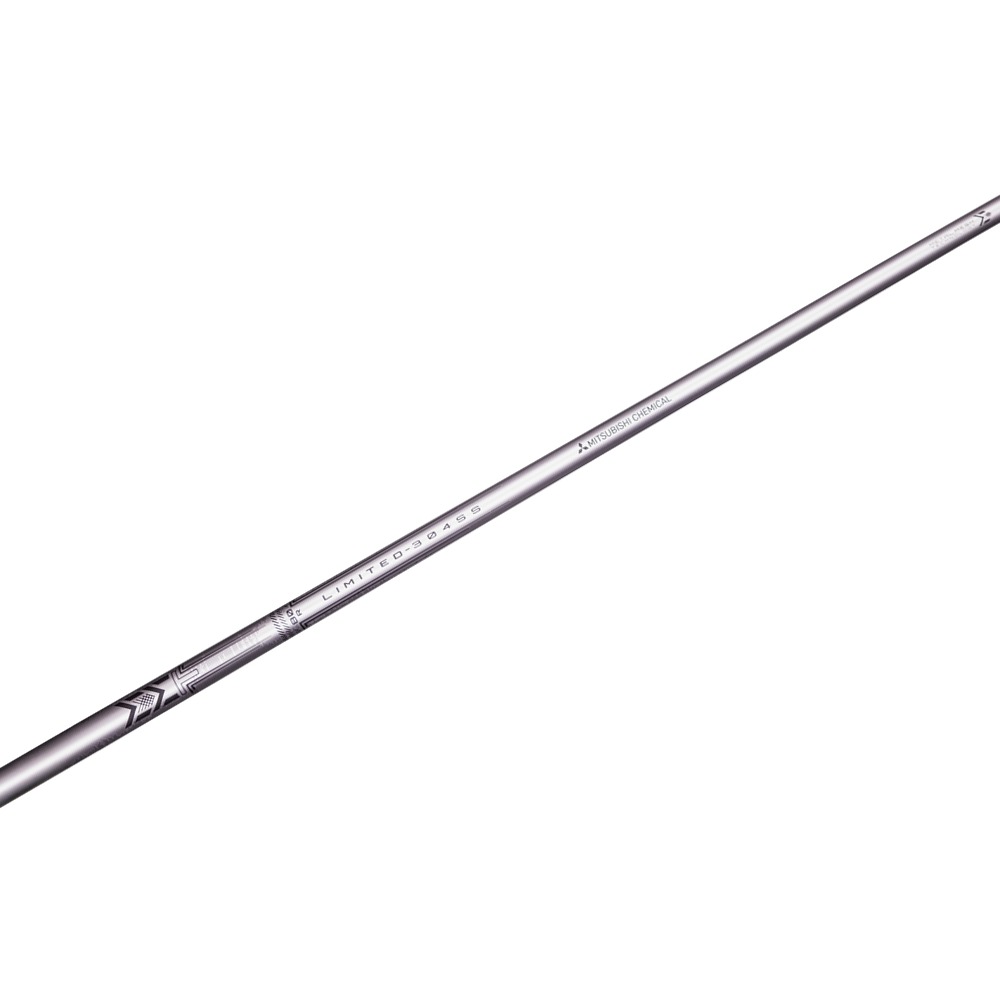
The MMT Platinum parallel irons sit at the premium end of the lineup. Platinum refines the standard MMT recipe with upgraded materials and a finish to match, aimed at players who want the family’s smooth stability in its most polished execution. The character remains recognizably MMT, so choosing between Platinum and standard is more a question of refinement and budget priorities than a different flight recipe. Players who are particular about feel tend to notice the difference immediately, while others hit both and happily keep the standard version.
The family also extends beyond full iron sets. Mitsubishi builds MMT profiles for utility irons and for wedges, which lets you carry one consistent feel from your longest iron all the way down through the scoring clubs. That continuity is underrated. When every shaft in the bottom of the bag loads the same way, distance control gets easier to trust, and distance control is the entire point of irons in the first place.
Weight is the first decision. Graphite iron shafts span a wide range, from light builds that add speed for moderate tempo players to heavier options that feel remarkably close to steel, and picking the wrong end of that range is the most common self fitting mistake we see. Flex comes second, and it should be chosen from ball flight on a monitor rather than from whatever letter you have always bought.
Patrick fits MMT off real swing data, comparing your current irons directly against graphite builds so the decision rests on your numbers rather than on graphite’s old reputation in either direction. Expect to look at launch window, dispersion, yardage gaps, and how the club feels at the end of a long session, because fatigue is part of what you are buying relief from. When the switch is right, the data usually makes it obvious within a single fitting, and when it is not, you have lost nothing but an hour.
For the manufacturer’s own description of the MMT construction, see Mitsubishi Chemical’s official golf shaft site.
Most properly fit players do not, and some pick up carry from a lighter build and improved launch. When distance loss does happen, it usually traces back to poor weight selection rather than the material itself, which is why the fitting matters more than the steel versus graphite question.
No. The lineup includes heavier weight options specifically so faster, stronger players can move to graphite without the club feeling like a toy. Strong players fit into the heavier MMT builds all the time, and the mesh construction keeps them stable under speed.
Both approaches work. Some players run MMT through the entire set for comfort and a uniform feel, while others blend it into the long irons and a utility while keeping steel in the scoring clubs. Your priorities decide the split, and a fitting can test both configurations.
Platinum is the more premium execution of the same core technology, with upgraded materials and finish, while the standard version remains the workhorse. If you are unsure whether the upgrade is worth it for you, hitting them side by side answers the question in a handful of swings.
If any of this sounds like your game, the next step is simple. Book a fitting to test MMT against your current irons, or order through the MMT parallel, MMT taper, or MMT Platinum pages and we will build your set to spec. Graphite irons stopped being a compromise a long time ago, and MMT is a big reason why.
Also Read: Why Fujikura Air Speeder Flex Can Feel Stiffer in Cold
Written by Patrick Greene|Golf shaft specialist with 15+ years in

Written by Patrick Greene|Golf shaft specialist with 15+ years in

Free golf guide · 26 pages
How to Teach Your Wife Golf (And Live to Talk About It)
A funny, practical guide to better golf and fewer arguments: setup, swing, short game, putting and what not to say on the course.
Get the free guide