
How Custom Golf Shafts Enhance Distance and Accuracy
Written by Patrick Greene|Golf shaft specialist with 15+ years in

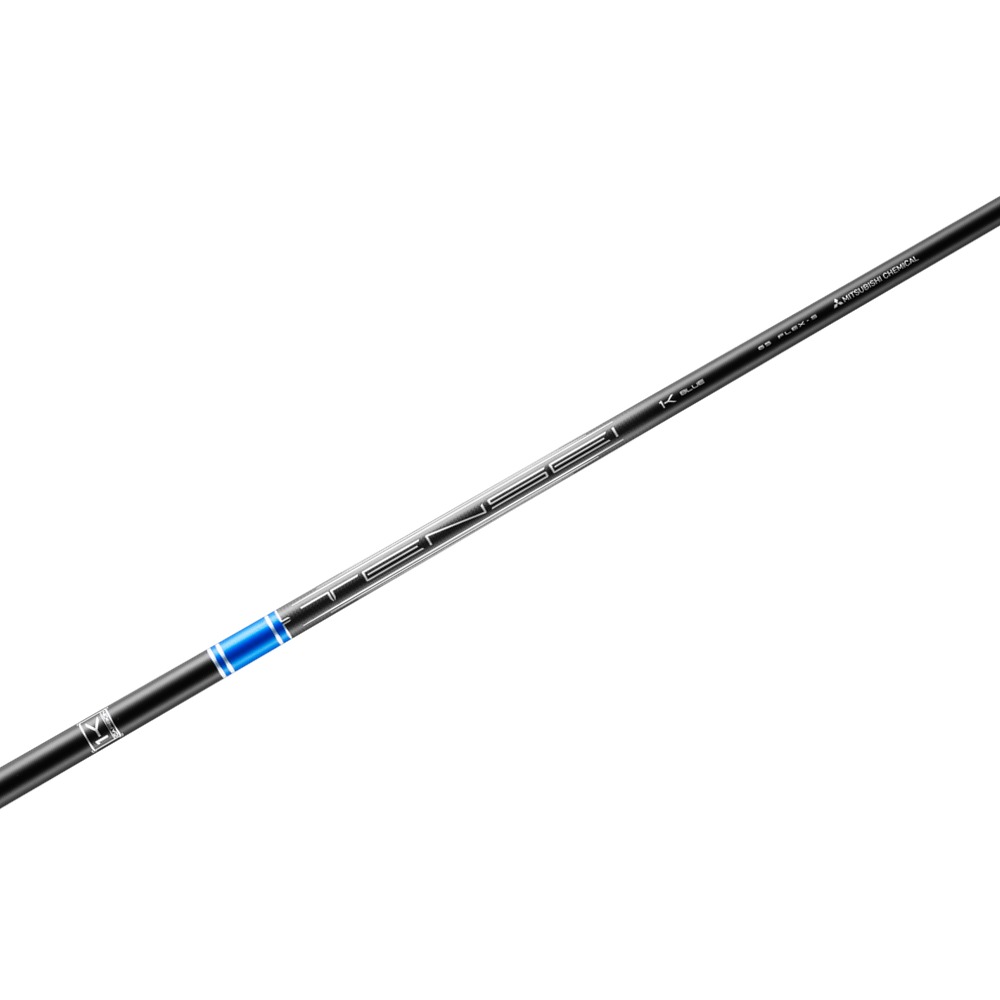
If you have been weighing the Tensei 1K Blue vs White question, you are really choosing between two different flight and feel recipes built on the same premium construction. Mitsubishi’s 2026 TENSEI 1K line weaves an extremely fine carbon cloth into key sections of the shaft, and the color on the label tells you how the engineers arranged the rest of the profile. The TENSEI 1K Blue leans toward a mid launch with a smoother feel through the middle of the shaft, while the White brings the flight window down and firms up the handle for players with an aggressive move at the ball.
Neither one is better. They are tuned for different swings, and putting the wrong one in your driver can cost you fairways even when the shaft itself is excellent. This guide walks through what each profile is designed to do, how the 1K Pro versions change the picture, and how to sort out which one belongs in your driver or fairway wood before you spend the money.
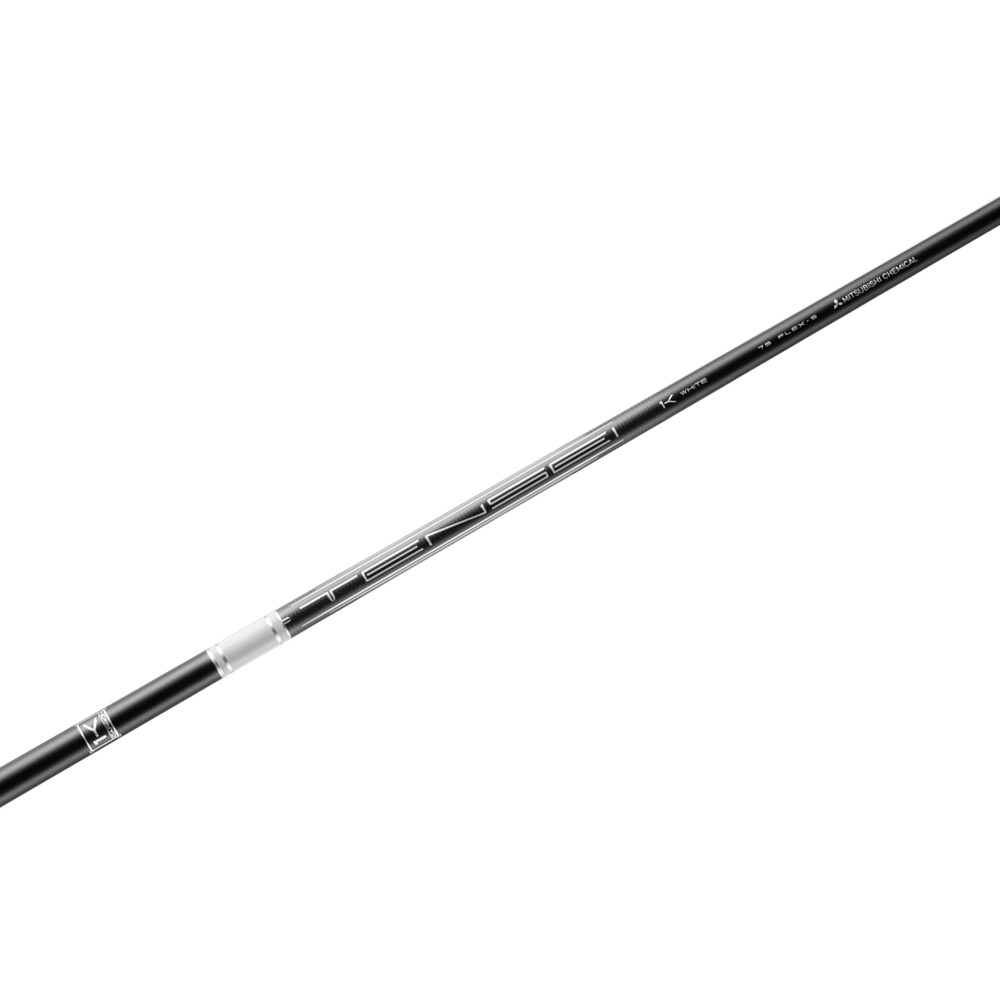
The 1K name refers to the woven carbon material Mitsubishi uses in the line. Instead of the wider carbon tows found in most shafts, 1K cloth is woven from very fine strands, which lets the company build a shaft wall that feels smooth and lively without giving up torsional stability. Mitsubishi is one of the few shaft makers that produces its own carbon fiber materials in house, so the 1K line is as much a materials story as a design story.
In practice, that shows up as a shaft that feels less harsh than its stability would suggest. Players often describe 1K shafts as quiet through the strike, meaning the head does not feel like it is wobbling or lagging behind the hands. The 2026 versions of the 1K Blue and 1K White just arrived at the shop, and both are offered across lighter and heavier weight classes and multiple flexes, so most swing speeds can find a workable spot in either profile. The question is which profile matches the way you deliver the club, and that is where the colors come in.
The Blue profile in the Tensei family has always been the versatile middle of the road option, and the 1K Blue continues that role. It is designed around a mid launch window with a mid spin tendency, and the feel is where it separates itself. The mid section of the shaft is engineered to load smoothly, so players with a flowing tempo can sense where the head is during the downswing instead of guessing.
That smoother mid section does not mean the shaft is loose. The 1K weave keeps the tip and handle composed, so the Blue still holds up when you step on one. What it offers is a feel that rewards rhythm. If your transition is gradual, if you build speed through the hitting area rather than snapping the club from the top, the Blue tends to deliver the face consistently without demanding that you swing harder than you want to.
Flight wise, expect a window that is neither towering nor flat. For many players, that mid window is exactly what keeps carry and total distance in balance. Players coming off a shaft that felt board like often describe the 1K Blue as easier to launch and noticeably easier to time.
The TENSEI 1K White takes the same woven construction and points it at a different player. White in Mitsubishi’s system signals a lower launch profile, and the 1K White pairs that with a firmer handle section. That firmer handle is the detail that matters most. When a player with an aggressive transition slams into the top of the swing, a soft handle can feel like the club is twisting or lagging before the downswing even starts. The 1K White resists that, which is why forceful swingers describe it as steady where softer shafts feel vague.
The result is a shaft that feels stout and controlled for players who apply a lot of force early. The flight window comes down, the spin tendency comes down with it, and shots that used to climb and fall out of the sky start driving forward through the wind instead.
The trade off is honest. If your tempo is smooth and your speed is moderate, the White can feel like swinging a broomstick, and the low launch design can leave your drives short and flat. This is a profile you earn your way into based on how you load the shaft, not one to buy because it sounds like the stronger option.
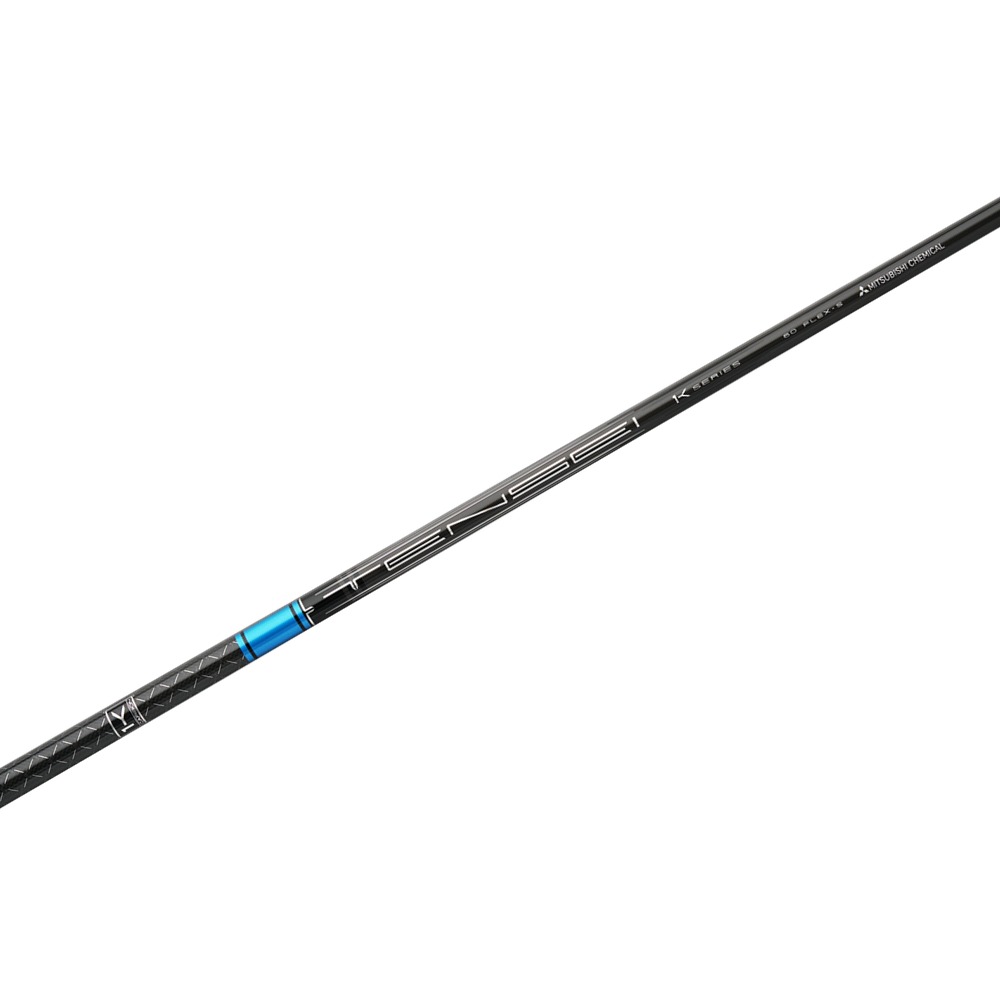
Mitsubishi also builds Pro versions of the 1K profiles, and the 1K Pro Blue is a good example of how the recipe shifts. Pro models in the Tensei line are generally built with a higher concentration of premium materials and are aimed at stronger, more demanding players. In broad terms, a Pro version keeps the character of its color, so the Pro Blue is still the smoother, mid launch member of the family, but it tightens everything up. The overall feel is more stable, the spin tendency edges lower, and the shaft asks a little more of the player loading it.
A useful way to think about it is that the color picks your flight and feel family, and the Pro designation moves you toward the more demanding end of that family. Plenty of players are better served by the standard version, including players with real speed, because timing and comfort win more fairways than bravado does. If you are genuinely between the two, hit both on a monitor. The difference is far easier to feel than it is to read about, and the wrong guess in either direction costs you dispersion.
Start with tempo and transition. If you build speed gradually and like to feel the shaft load, the Blue is the natural starting point. If your transition is quick and forceful, if you have ever been told you swing out of your shoes, the White deserves the first look.
Then check your miss and your flight. Players fighting a high spinning ball that balloons into the wind usually benefit from the White with its lower window and firmer handle. Players whose misses come from mistimed strikes, or who launch it too low to carry trouble, generally do better in the Blue. A two way miss with no pattern is usually a fit problem rather than a shaft problem, which is where a fitting conversation earns its keep.
Patrick fits players through this exact decision every week, and the honest answer is that the right pick usually reveals itself within a dozen swings when you can hit both back to back. Bring your current driver so there is a baseline to compare against, and let the ball flight vote.
Manufacturer positioning for the full 1K family, including current model pages, is published on Mitsubishi Chemical’s official golf shaft site, which is worth a look before you shortlist.
No. The Blue is offered in heavier weights and stiffer flexes that plenty of fast swingers play well. The deciding factor is how you load the shaft, not raw speed alone. A quick player with a smooth, gradual transition can absolutely fit into the Blue profile and often finds it a better match than the firmer option.
It carries a lower launch and lower spin tendency by design, but no shaft can override delivery. If your spin comes from a steep angle of attack or a glancing strike, the White will help at the margins while the swing issue remains. That is why flight problems are best diagnosed on a launch monitor before you buy anything.
Only if the standard version is not stable enough for the way you load it. Pro models suit stronger players who overpower standard profiles. If you are not sure whether that describes you, it probably does not yet, and testing both settles it quickly.
Many players do, often with a small weight or flex adjustment, since fairway woods are shorter and are hit with a more descending strike. Matching the family across your driver and fairway keeps the feel consistent at the top of the bag, which makes your timing easier to repeat.
The cleanest way to settle Blue versus White is to hit them side by side, and the shop is set up to do exactly that. Reach out to book a fitting with Patrick, or if you already know your spec, order directly through the 1K Blue or 1K White product pages and we will build it to your length, tipping, and grip preferences.
Also Read: What Golfers Overlook About Best Iron Shafts for Winter Prep
Written by Patrick Greene|Golf shaft specialist with 15+ years in

Written by Patrick Greene|Golf shaft specialist with 15+ years in