
How Custom Golf Shafts Enhance Distance and Accuracy
Written by Patrick Greene|Golf shaft specialist with 15+ years in


Tour AD CQ and Tour AD UB are both premium Graphite Design wood-shaft profiles, but they target different flight windows. CQ is specified for mid-high launch with mid spin, while UB is specified for mid launch with low-to-mid spin.
That makes the comparison more useful than a vague choice between smooth and firm. Patrick Greene can start with the desired launch and spin direction, then compare the bend profile, weight, flex, feel, and complete build.
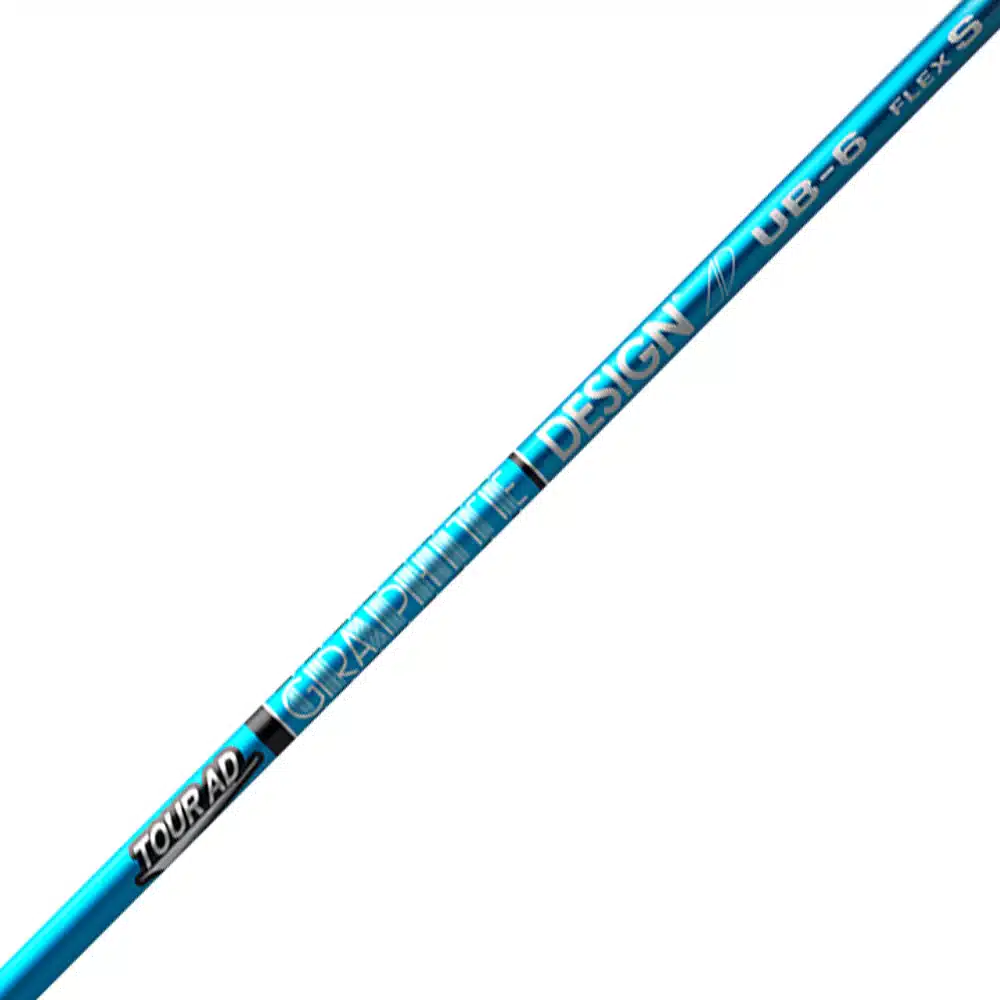
Tour AD CQ uses a firm butt section, firm midsection, and medium-plus tip. Graphite Design positions it to promote a mid-high launch and mid spin. It is the relevant starting point when the golfer wants more launch or a tip section that is less firm than UB.
Tour AD UB uses a medium-plus butt and midsection with a stiff-plus tip. Its official profile targets mid launch and low-to-mid spin. It can suit a golfer looking for a firmer tip and a more controlled flight without moving all the way to the lowest-launch profiles in the catalog.
Start with the current launch and spin pattern. If the flight needs to move higher, CQ is the more logical candidate to test. If the golfer wants a more moderate launch with less spin, UB is the more relevant starting point.
Then compare feel and timing. Bend-profile descriptions help explain why the shafts may load differently, but they do not predict the result for every swing. Use several representative shots in the same head and review strike, dispersion, launch, spin, carry, and effort.
Do not describe the models as interchangeable Tour AD shafts or rely on color and graphics. Their butt, mid, and tip stiffness profiles differ, and Graphite Design places them in different launch and spin windows.
Do not compare a CQ and UB build when the head, loft, length, or weight also changes without noting those variables. A controlled test makes it easier to decide whether the shaft profile caused the difference.
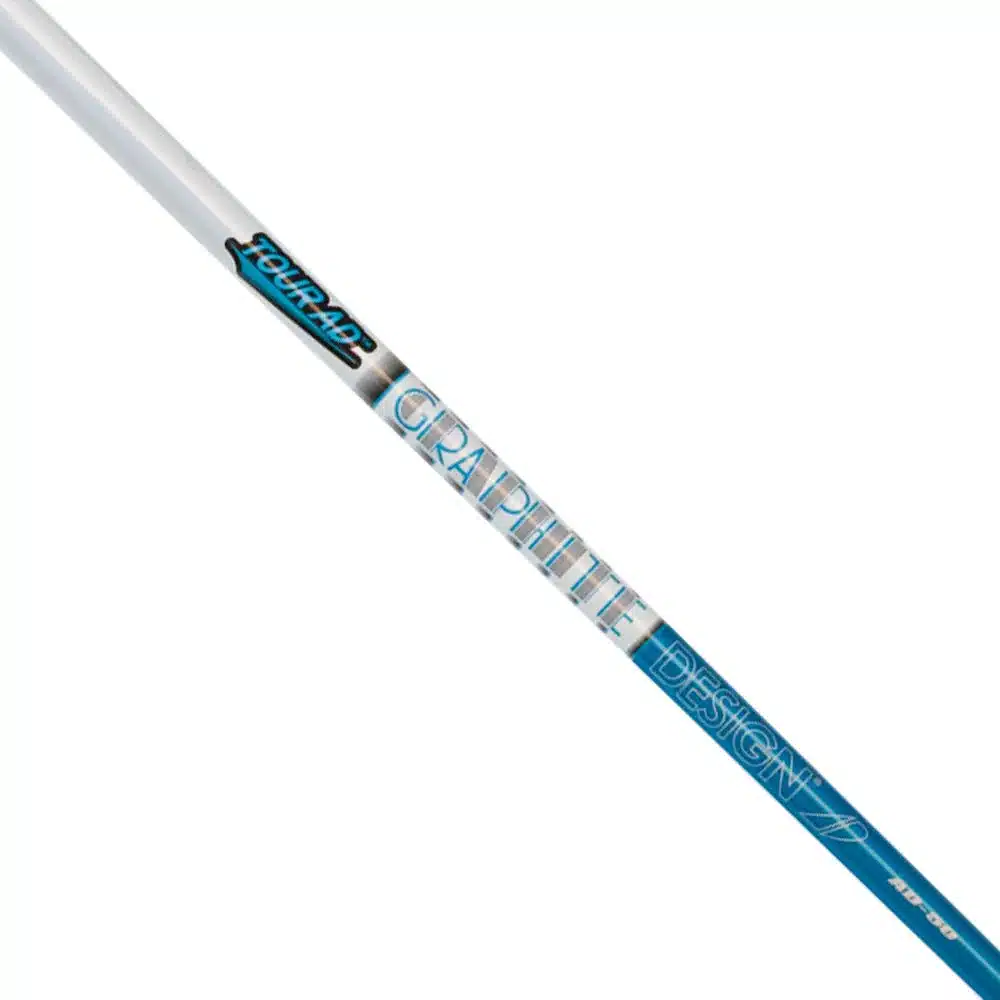
Graphite Design’s CQ specifications list mid-high launch and mid spin. The UB specifications list mid launch and low-to-mid spin. Those official profiles should anchor the comparison.
Share your current head, loft, shaft, weight, flex, playing length, flight, and miss with Patrick. Add launch-monitor averages and strike notes if available. That context helps select the right model, weight, and flex for a controlled test.
Choose the desired flight direction: mid-high launch and mid spin from CQ, or mid launch and low-to-mid spin from UB. Then select comparable weights and an appropriate flex range.
Test the same head, loft, ball, and playing length whenever possible. Compare the average pattern and typical miss rather than the longest shot.
Before ordering, confirm the model, weight, flex, adapter, playing length, grip, and any build instructions. The profile and finished club need to support the same goal.
CQ combines firm butt and mid sections with a medium-plus tip. Graphite Design places that structure in a mid-high launch and mid-spin window. It can be a useful candidate when the current shaft keeps the flight too flat or when the golfer wants a more active tip without abandoning a firm overall structure.
The result still depends on loft, strike, speed, and build. A CQ label does not guarantee higher carry, but its official profile gives the fitter a clear reason to test it when more launch is the desired direction.
UB uses medium-plus butt and mid sections with a stiff-plus tip, moving its official profile to mid launch and low-to-mid spin. The firmer tip can suit a golfer looking to control launch and spin while retaining the feel associated with the Tour AD family.
UB is not automatically the choice for every fast or aggressive swing. Select the weight and flex carefully, then verify that the golfer still produces enough launch, carry, and center contact in the final head.
Weight, flex, head, loft, length, and grip can change the test as much as the model name. Compare CQ and UB at similar weights and playing lengths when possible so the official profile difference remains the main variable.
Neither is universally better. Tour AD CQ targets a mid-high launch with mid spin, while Tour AD UB targets a mid launch with low-to-mid spin. Test the profile that matches the desired flight, transition, and preferred feel.
After identifying the flight window, compare weights and flexes that keep the total build practical. A shaft that fits on paper can still feel too heavy, too light, or difficult to time once the adapter, head, and finished length are included. Record the complete test club so the ordered build can reproduce it.
Give both candidates enough representative swings to establish a pattern, but stop before fatigue turns the test into a speed contest. Recheck the leading option against the current gamer and judge whether the improvement appears in the average flight, center contact, and typical miss. If the difference is small, the more comfortable and repeatable build may be the better purchase.
Review the Tour AD CQ product and Tour AD UB product, then use the shaft selector and Graphite Design collection for available weights and flexes. The manufacturer’s official catalog remains the source for current profile data, and Patrick can review the final specifications through the contact page.
The comparison should also account for the exact weight family. A CQ-4 and UB-4 may not feel like the heavier versions of the same model, and available flexes vary by weight. Select the configurations that match the golfer’s speed and build goals instead of comparing whichever two shafts happen to be available.
Finally, distinguish the desired flight from a promised result. Mid-high launch and mid spin describe CQ’s design direction; mid launch and low-to-mid spin describe UB’s. The fitter still has to verify how each performs for the individual golfer in the chosen head.
Keep the official model distinction visible in the order notes. CQ should not be reduced to “the smoother one,” and UB should not be reduced to “the firmer one.” Their launch, spin, and section profiles provide the more useful comparison.
Neither is universally better. Tour AD CQ targets a mid-high launch with mid spin, while Tour AD UB targets a mid launch with low-to-mid spin. Test the profile that matches your desired flight, transition, and preferred feel.
Start with swing speed, but do not stop there. Tempo, transition, strike quality, and the head you play can change the right answer.
Yes. Share your current setup and ball flight through the contact form. Patrick can help narrow the options before you buy.
If you are choosing between Tour AD CQ and Tour AD UB, Bogey Buster Golf Shafts can help you avoid a guess. Call 1-800-380-7901 or ask Patrick for fitting help before ordering your next custom shaft.
Also Read: The Right Time of Year to Change Your Hybrid Shaft
Written by Patrick Greene|Golf shaft specialist with 15+ years in

Written by Patrick Greene|Golf shaft specialist with 15+ years in

Free golf guide · 26 pages
How to Teach Your Wife Golf (And Live to Talk About It)
A funny, practical guide to better golf and fewer arguments: setup, swing, short game, putting and what not to say on the course.
Get the free guide