
How Custom Golf Shafts Enhance Distance and Accuracy
Written by Patrick Greene|Golf shaft specialist with 15+ years in

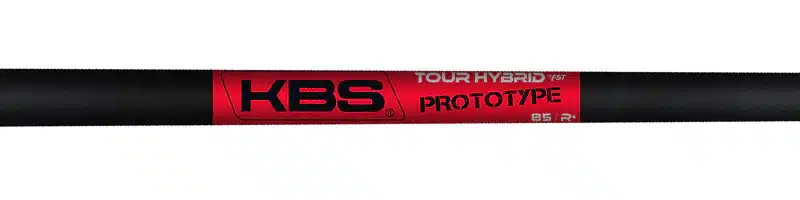
A better custom-shaft order starts with the right questions. Before you buy, Patrick needs to understand your current club, the flight and miss you see most often, and the result you want the new build to produce.
That information protects you from ordering a good shaft with the wrong adapter, weight, flex, length, or grip. It also gives Patrick a practical baseline for explaining which specifications are confirmed and which still need a fitting or measurement.
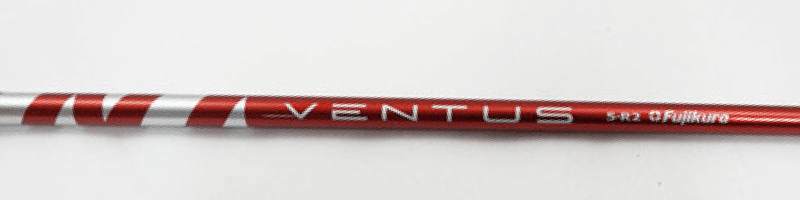
Start with the exact clubhead make, model, loft, and adapter. Then identify the current shaft model, flex, weight, playing length, and grip. These details determine whether a new shaft can be prepared correctly and whether the comparison is being made against the club you actually play.
Next, describe the normal flight and typical miss rather than the shot you hit once on the range. Share what you want to change and what you want to preserve. A request for lower spin, for example, is more useful when Patrick also knows whether the current launch, carry, and feel already work well.
A shaft model name is only one part of the order. Ask which weight and flex are being recommended, why that profile fits the information provided, and whether the recommendation depends on a particular head or playing length. If the fit is uncertain, ask what should be tested before purchasing.
Also confirm the adapter orientation, finished length, grip model and size, and any swing-weight or head-feel preference. Custom equipment is difficult to return once it has been cut and assembled, so a written specification is worth reviewing before work begins.
Do not copy another golfer’s build from a forum, tour equipment list, or launch-monitor screenshot without checking whether the delivery and goals are comparable. The same swing speed can work with different shaft weights and profiles because tempo, transition, strike, and feel vary.
Do not leave the adapter, playing length, or grip as an assumption. Small build differences can change the way the club feels and performs. If a specification is unknown, pause and measure it instead of filling the blank with a default.
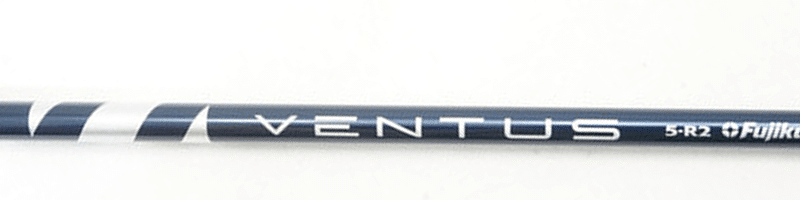
Prepare a short list with the current head, loft, adapter, shaft, weight, flex, length, and grip. Add your usual flight, typical miss, approximate speed if known, and the one outcome you care about most. Launch-monitor averages and strike notes can help, but they are not required for the first conversation.
Include any physical or feel preference that affects the build, such as wanting a lighter overall club, a clearer sense of the head, or a smoother loading sensation. Patrick can then explain what the available information supports and where an in-person or controlled test would add confidence.
Confirm the exact shaft model, weight, flex, and tip preparation. Confirm the head and adapter, finished playing length, grip model and size, and any swing-weight target or head-feel request.
Review the expected ball-flight goal without treating it as a guarantee. A custom build can be prepared to the agreed specifications, while the performance still depends on how the golfer delivers the club.
Keep the final specification in writing before payment or assembly. If any field is uncertain, ask Patrick to clarify it. That is the simplest way to turn a custom-shaft order from a collection of assumptions into a build you understand.
You can review the shaft selector and custom shaft options before the conversation. The PGA fitting overview explains the broader process, while the Bogey Buster contact page is the place to send your current specifications and questions.
Before any custom shaft order, the first set of questions is about what you already play, because the new club has to fit alongside it. I want to know the exact make, model, and year of your driver or iron head, since that determines the adapter and tip the shaft needs. I also want your current shaft model, flex, and weight, and the finished length you play. Those details are not busywork; they are the difference between a club that drops into your bag ready to go and one that has to be reworked.
It also helps to know what you like and dislike about your current club. If the feel is good but the flight is wrong, we keep the feel and change the flight. If the club feels heavy or whippy, that points the build in a particular direction. Answering these questions honestly up front gives me a baseline, so the new shaft becomes a deliberate step rather than a roll of the dice.
The next group of questions is about how you deliver the club and what the ball does as a result. I ask about your tempo and transition, because a smooth swinger and an aggressive swinger with the same speed often need different profiles. I ask about your usual ball flight and, more importantly, your typical miss, since a high spinny shot, a low weak one, or a left miss under load each point toward a different shaft trait.
If you have launch monitor numbers, share your averages, launch angle, spin, ball speed, carry, and the left-to-right pattern, rather than a single best swing. If you do not, a clear description of the shot you see most days is enough. The goal of these questions is to capture your real, repeatable pattern, because that is what the shaft has to support out on the course.
The last set of questions ties the order to a specific outcome. I ask what you most want to change, whether that is more carry, lower spin, tighter dispersion, or simply a feel you trust. I confirm the finished length, the swing weight or head feel you prefer, and the grip model and size, because all three change how the club performs and how square the face wants to sit. Leaving any of these blank is the most common reason a custom build comes back needing adjustment.
Finally, I like to confirm the whole picture in one place before we proceed: head, shaft model and flex, weight, length, swing weight target, adapter setting, and grip, lined up against the single result you are chasing. When every one of those questions has an answer, the order stops being a guess and becomes a plan. That is the value of asking before buying rather than after the club arrives.
If you already know the exact shaft, weight, flex, adapter, playing length, and grip you need, ordering on your own may be straightforward. If any of those details are uncertain, Patrick can help you confirm the build before you pay for it.
Start with swing speed, but do not stop there. Tempo, transition, strike quality, and the head you play can change the right answer.
Yes. Share your current setup and ball flight through the contact form. Patrick can help narrow the options before you buy.
If you still have questions before ordering a custom shaft, Bogey Buster Golf Shafts can help you avoid a guess. Call 1-800-380-7901 or ask Patrick for fitting help before ordering your next custom shaft.
Also Read: How to Buy a Pre-Owned Driver Shaft Without Guessing
Written by Patrick Greene|Golf shaft specialist with 15+ years in

Written by Patrick Greene|Golf shaft specialist with 15+ years in

Free golf guide · 26 pages
How to Teach Your Wife Golf (And Live to Talk About It)
A funny, practical guide to better golf and fewer arguments: setup, swing, short game, putting and what not to say on the course.
Get the free guide