
How Custom Golf Shafts Enhance Distance and Accuracy
Written by Patrick Greene|Golf shaft specialist with 15+ years in

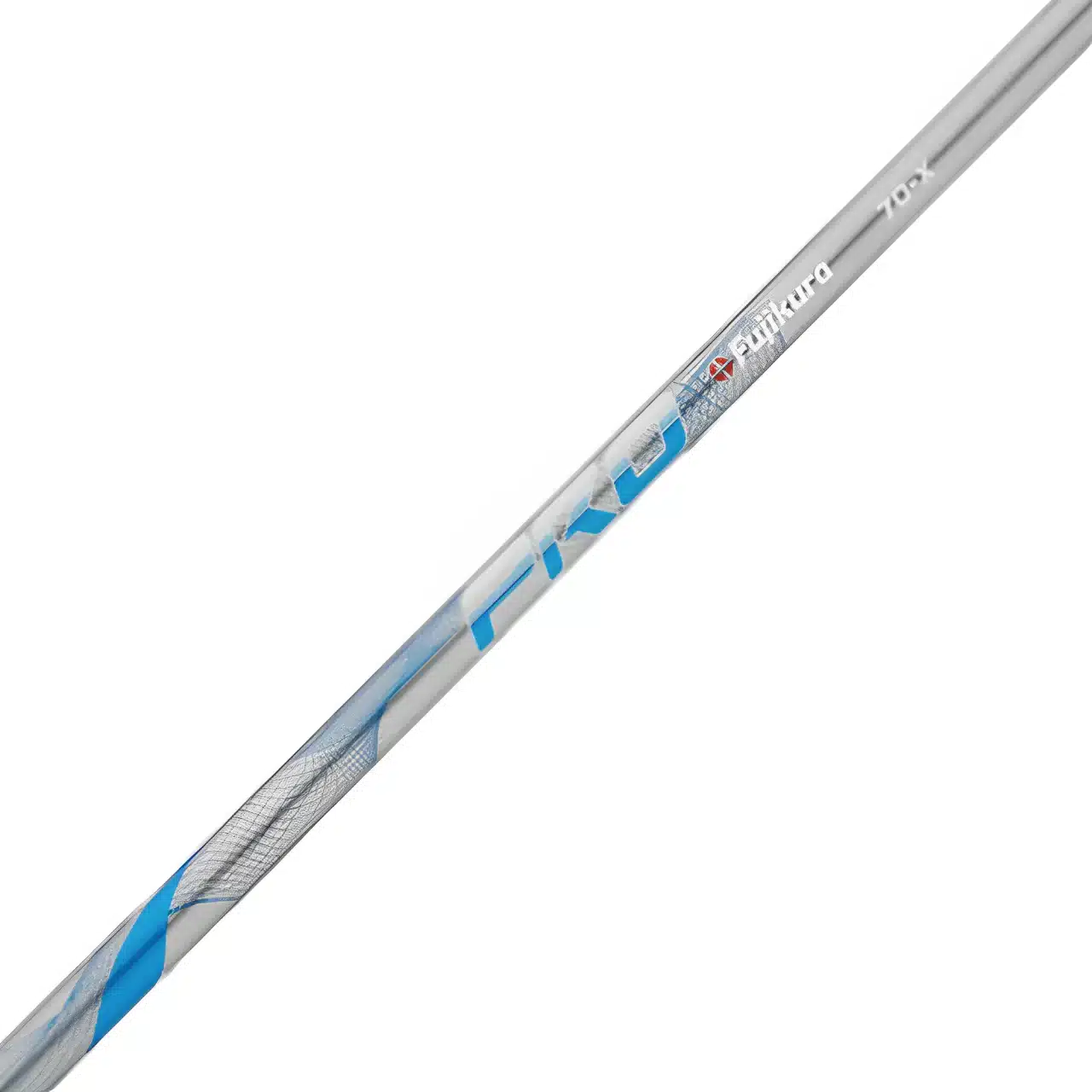
The best driver shaft for 95 to 105 mph swing speed is not the stiffest shaft on the rack or the model another golfer happens to like. At this speed range, most players create enough load to notice differences in weight, flex, torque, tip profile, and playing length. The right shaft should help the club return consistently while producing a launch and spin window you can trust on the course.
Patrick Greene works with Bogey Buster Golf Shafts customers who are trying to solve real ball-flight problems, not just buy a popular label. A useful fitting conversation starts with your current shaft, driver head, normal miss, tempo, and what you want the next build to change.
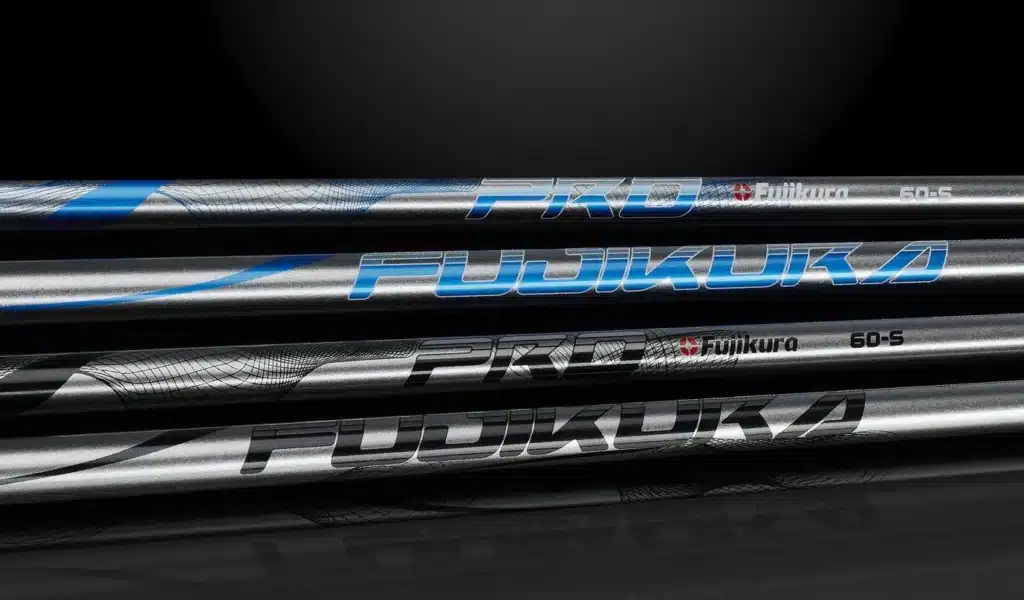
Swing speed gives you a starting range, but it does not finish the decision. Two golfers can both swing 100 mph and need different shafts because they load the club differently. A smooth transition may work well with a mid-weight profile that loads easily. A stronger transition may need a shaft with more tip stability and a firmer feel through impact.
Watch the pattern instead of one perfect swing. A high, floating shot may point toward too much spin or a strike pattern that needs attention. A low block or a shot that never turns over may point toward a profile that is too hard to load. A left miss can come from many causes, but shaft feel and release timing are part of the conversation.
Weight is often the first spec golfers feel. A lighter shaft can help some players find speed, but it can also make timing less predictable. A heavier shaft can add control for some swings, but it can feel slow or demanding if it does not match the player. Flex matters too, but flex labels are not identical across brands or shaft families.
Launch and spin should be considered with the driver head, loft sleeve setting, playing length, and strike location. General fitting resources from the PGA of America explain why club fitting is a full-system decision. The shaft is important, but it works with the head, grip, adapter, and the golfer’s delivery.
Before ordering, write down the shaft model, flex, weight, adapter, grip, and playing length in your current driver. Then describe the ball flight you want to improve. If you have launch monitor numbers, share average launch angle, spin rate, ball speed, carry distance, and dispersion. If you do not have numbers, describe the shot you see most often.
That baseline keeps the decision practical. You can browse the wood shaft options, compare likely profiles, and avoid ordering a build that solves the wrong problem.
The shaft model is only part of the order. Final playing length, grip model, grip size, adapter, tipping, and swing weight can all affect how the club feels. A golfer who likes the test shaft may still be disappointed if the finished club is built too long, too light, or with a grip that changes release timing. Confirm those details before checkout so the driver arrives ready to compare against your current gamer.
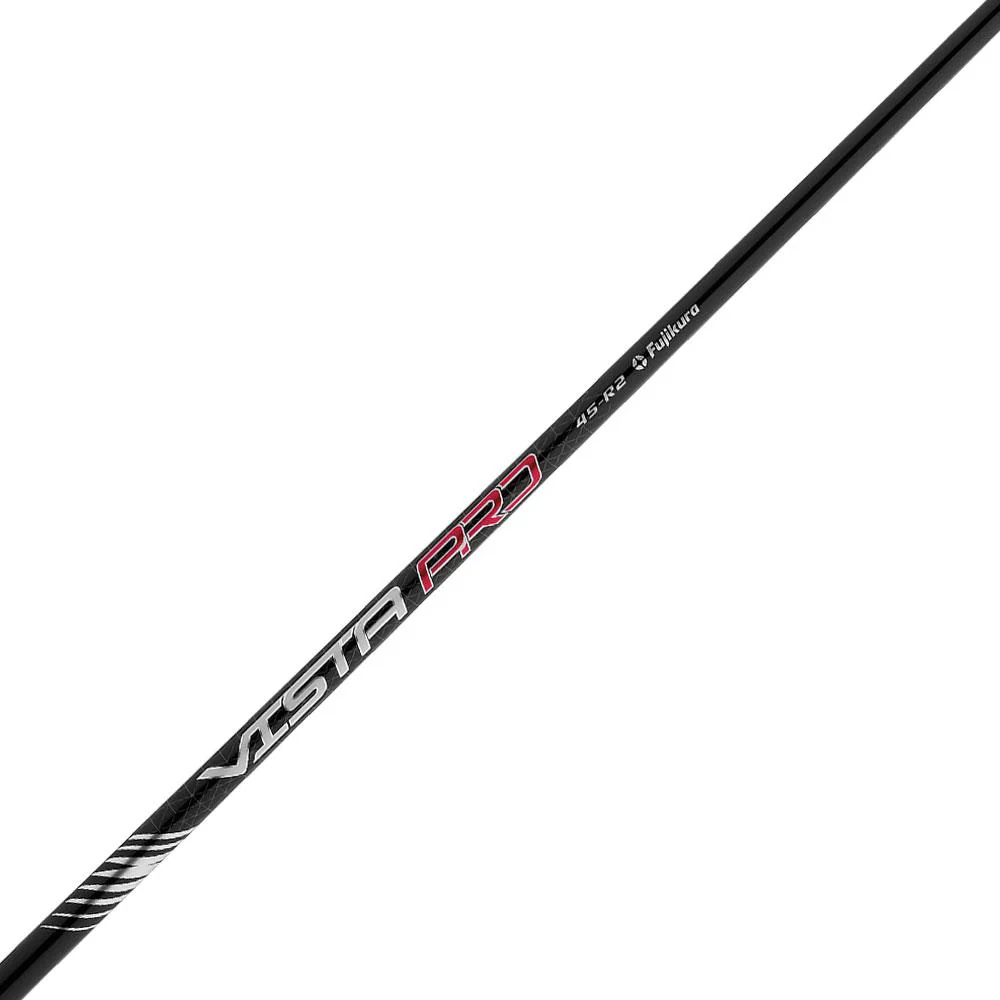
Many golfers in the 95 to 105 mph range assume they need a low-spin, extra-stiff build. Some do, but many do not. If the shaft is too demanding, the player may lose launch, feel, and face control. If the shaft is too soft or light, the player may struggle with timing and dispersion. The best answer usually comes from matching the shaft profile to tempo and strike pattern.
Use the shaft selector to narrow the field, then ask about the build details before you commit. Adapter choice, grip size, tipping, and playing length can all change how the shaft feels in the finished club.
Not automatically. A mid-weight shaft may help timing and feel, while a lower-spin profile may help a player who launches the ball too high with excess spin. The better choice is the one that improves your actual ball-flight pattern.
No. Swing speed is useful, but tempo, transition, strike location, driver head, and preferred feel all affect the right flex and profile.
Yes. Share your current setup and the shot pattern you are trying to improve through the contact form. Patrick can help narrow the choices before you order your next custom shaft.
If the best driver shaft for 95 to 105 mph swing speed is the decision in front of you, call 1-800-380-7901 or contact Bogey Buster Golf Shafts before ordering. A short fitting conversation can help you choose the shaft family, flex, adapter, grip, and final build with a clearer plan.
Written by Patrick Greene|Golf shaft specialist with 15+ years in

Written by Patrick Greene|Golf shaft specialist with 15+ years in

Free golf guide · 26 pages
How to Teach Your Wife Golf (And Live to Talk About It)
A funny, practical guide to better golf and fewer arguments: setup, swing, short game, putting and what not to say on the course.
Get the free guide