

How Custom Golf Shafts Enhance Distance and Accuracy
Written by Patrick Greene|Golf shaft specialist with 15+ years in
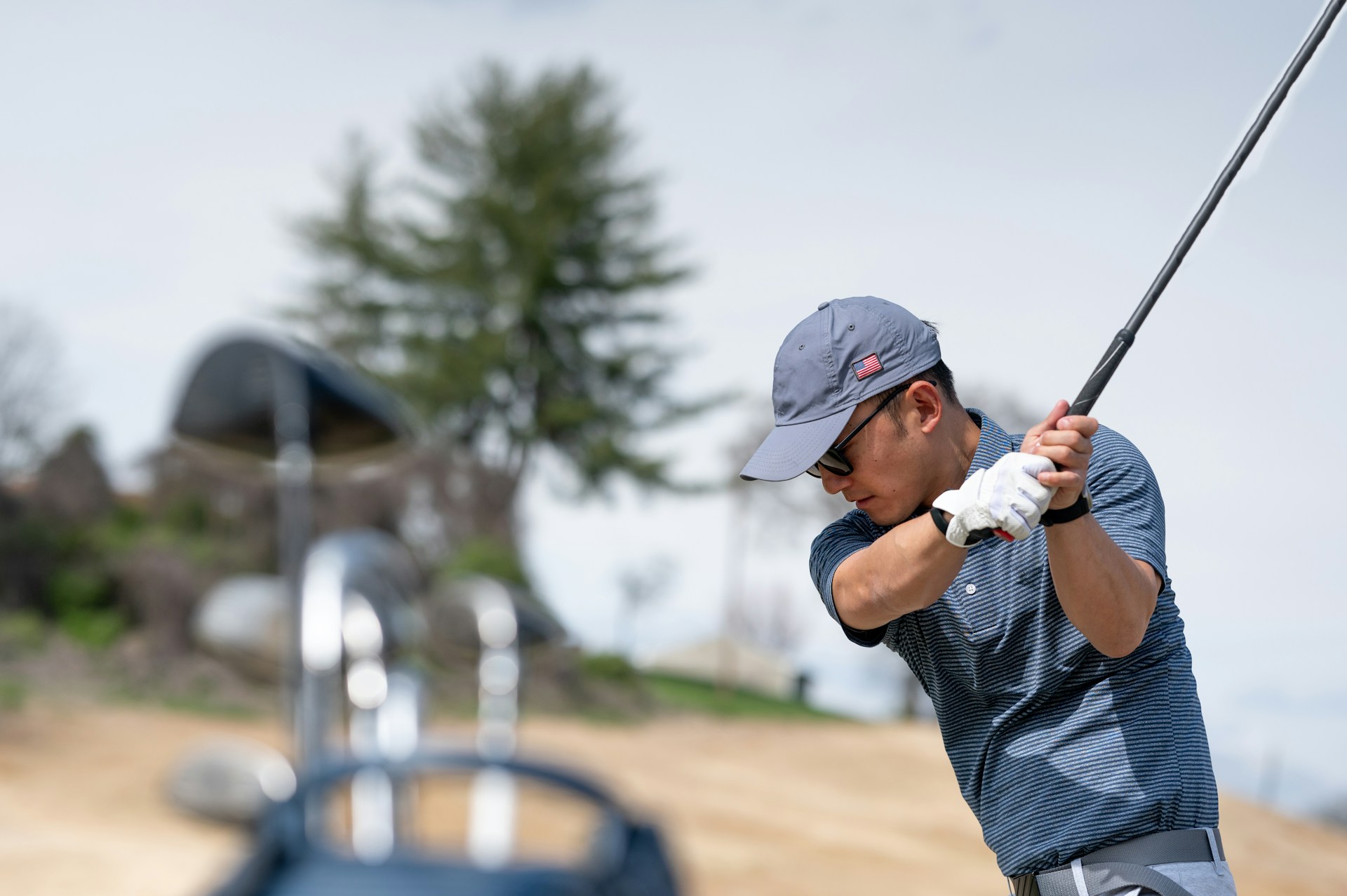
When most golfers take some time off around the holiday season, it’s usually a chance to step back from routines, let the swing rest a bit, and think about how things felt during the year. With no tournaments or regular weekend rounds to juggle, this quiet stretch makes it easier to ask yourself honest questions about your gear. The feel of the shaft is something that can get overlooked during busy months. But once the pace slows, it’s easier to notice whether timing felt off, or if the club stopped responding the way it used to.
Many players use this downtime to think through swing changes, equipment issues, or lingering problems like inconsistent ball flight. Everything points back to feel, control, and comfort with the club in your hands. This is also when it helps to pay closer attention to how different setups behave. If you’ve ever liked a particular feel and aren’t sure what caused it, specs like Fujikura shafts specs can help you get closer to recreating that match. The offseason doesn’t have to be inactive. It can be the calm before better consistency.
The winter stretch asks less of your swing but more of your awareness. Without regular rounds coming up, players have the freedom to think more clearly about what worked this year and what didn’t. That kind of clarity is harder to find in the middle of spring or summer.
• Fewer playing days mean less pressure to keep a new feel working, which makes testing easier
• A quiet stretch gives time to experiment with different weights, flex profiles, or even grip setups
• Many golfers use simulators or indoor practice spaces during winter, where they can focus more on the feel of the swing than chasing performance
This is the part of the year when players don’t need to get score-ready the next day. That means there’s less hesitation to test new gear or compare different setups side by side. It’s part reflection, part low-pressure curiosity. And it’s a safe time to learn what your swing reacts to when all distractions shrink away.
Sometimes you can feel a mismatch before you know how to explain it. Maybe the club feels too loose at the top, or you’re starting to hit everything a little thin without meaning to. These issues build quietly, but the longer you play through them, the harder they are to fix with just swing changes alone.
• Loss of control during transition or an unexpected curve on good contact
• Distance drop that’s not due to weather or strength changes
• Loss of tempo or the sense that you have to force timing to make the club work
We’ve seen that when shafts aren’t matched to tempo and transition speed, players compensate in ways that add strain. Pulls and pushes sneak into the mix. Confidence fades. And sometimes the club just feels tiring to swing. If those things came up near the end of the season, your setup might be asking for some attention during the break.
Spring tends to bring back old swing habits before we’ve had time to fix the ones we want to leave behind. But when you use the offseason to test and reflect, you’ve already set yourself up to make better choices right out of the gate.
• You can test different shaft variables without tournament stress or regular play
• Swing changes are easier to track in a controlled space and without outdoor weather affecting every shot
• By the time spring sessions start, you’ve got a short list of what feels good and what doesn’t
Players who test in winter often get a jump on the key adjustments that others wait to make until mid-season. That shortens the adjustment period and brings you into the new year with a smoother launch and more dependable tempo. Instead of needing to catch up after two months of rust, you’re already tuned in.
On our product pages, the Fujikura Ventus Series stands out for providing a steady feel and effortless loading, making it a great choice for golfers wanting to compare setups or adjust to new swing needs in the offseason.
Shaft specs can seem like technical details on a page, but they describe how your club reacts during your swing. Knowing what to look for helps you avoid overthinking numbers that don’t match your feel. Not every stiff shaft feels the same because no two brands design specs the same way.
• Weight affects how fast you can swing and how the shaft feels at transition
• Flex and bend influence launch angle, timing, and overall control
• Specs like torque or kick point give clues about how a shaft will load under speed
One thing we’ve seen often is that some shafts, Fujikura shafts specs come up often here, offer feel that’s easier for players to trust across setups. Specs from certain profiles show up in different club types, and they still deliver a consistent reaction. That predictability matters, especially while you’re testing in colder conditions. When fewer variables shift, it becomes clearer which direction to go next.
We always remind players that testing shouldn’t just be about chasing ideal specs. Feel leads the decision. The specs help explain why something feels how it feels, but they don’t replace your touch. If you swing and it just clicks, that’s worth more than any matching weight or flex chart.
• Colder weather changes your hands and grip pressure, which affects feedback
• What feels stable in warm months may suddenly seem too stiff with winter layers
• Testing small changes now tells you how your body reacts in different conditions
This stretch of the year helps strip things down to the raw sensations of your swing. If something feels off during relaxed winter swings, it’s more likely a true issue rather than one caused by tension or scoring pressure. That’s a great time to trust feel and make smarter shaft changes long before play ramps up again.
When you use these winter weeks to find better fits for your swing, you skip the early season confusion. You enter the spring already sure of how your shaft reacts, how it loads, and how it helps your timing stay smooth. That kind of head start builds confidence fast.
Adjusting your gear when things are quiet often leads to a more comfortable rhythm once play returns. You’ve had time to think, test, and adjust without any distractions pulling your attention away. That momentum carries over into better tempo, more consistent shots, and less second-guessing.
When the holidays give you space to pause and the weather slows things down, take advantage of it. Those small decisions about comfort, swing feel, and specs now can become the quiet shift that takes next year from average to reliable.
At Bogey Buster Golf Shafts, we understand the importance of matching your personal feel with consistent performance, especially as you make swing changes in the offseason. When reevaluating your ideal setup, exploring detailed profiles like Fujikura shafts specs can provide valuable insights for your next steps. Even a subtle adjustment in torque or bend often leads to big improvements come spring. Let’s discuss what you’re noticing in your swing this season so we can help you find a setup that feels more natural the next time you tee off. Reach out today, we’re always here to support your game.
Source: Fujikura Golf
Fujikura is one of the most trusted names in golf shaft technology, used by over 200 professional tour players worldwide. Their proprietary materials like VeloCore technology and multi-material construction deliver exceptional performance across all skill levels.
The Fujikura Ventus is designed for golfers seeking a stable, low-spin profile with VeloCore technology for consistency. The Air Speeder is lighter weight and optimized for maximum clubhead speed, ideal for golfers who prioritize distance and higher launch angles.
Premium Fujikura shafts typically range from $200-$400 and are considered excellent value among serious golfers. The performance gains in distance, accuracy, and consistency often justify the investment, especially when properly fitted to your swing characteristics.
Related: How to Judge Best Hybrid Golf Shafts by Swing Only
More shaft guides:
Find Your Perfect Shaft
Questions? Call us: 1-800-380-7901 · Take the Quiz · FAQs
Also Read: Benefits of Custom-Fit Golf Shafts
Patrick Greene is the founder of Bogey Buster Golf Shafts, specializing in premium golf shaft fitting and sales. With over 15 years of experience in the golf equipment industry, Patrick is an Authorized Fujikura Dealer who also works with Graphite Design, Newton Golf, and other premium shaft manufacturers. He regularly attends the PGA Merchandise Show and stays current with the latest shaft technology to help golfers of all skill levels find their ideal setup.
Learn more on the About Us page, contact Patrick, or call 1-800-380-7901.
Written by Patrick Greene|Golf shaft specialist with 15+ years in

Written by Patrick Greene|Golf shaft specialist with 15+ years in