
How Custom Golf Shafts Enhance Distance and Accuracy
Written by Patrick Greene|Golf shaft specialist with 15+ years in


Playing golf in a hot climate brings unique challenges, from increased fatigue to changes in course conditions. For golfers in regions like Florida, where high temperatures and humidity are the norm, equipment choices can play a significant role in maintaining performance and comfort. One often-overlooked factor is the golf shaft—specifically, how the right iron shaft can make a noticeable difference during warm weather rounds.
This article explores key considerations for selecting iron golf shafts tailored to hot climates. Whether you’re a competitive player or a weekend enthusiast, making informed choices about your equipment can help you adapt to weather-related obstacles and enjoy your time on the course. Read on for practical advice, expert tips, and a guide to resources available at Bogey Buster Golf Shafts.

Temperature and humidity can subtly impact your swing and the behavior of your golf clubs. In warm environments, players may experience increased fatigue and sweat, which affects grip and tempo. The shaft’s material, weight, and flex all play roles in how you adjust to these conditions. Lightweight iron shafts, for example, may help conserve energy by reducing overall club weight, which can be especially beneficial during long, hot rounds.
Graphite shafts are well-known for their vibration dampening properties and lighter weight compared to steel. For golfers in hot climates, this can translate to less strain on the hands and wrists, smoother swings, and improved stamina throughout the day. Exploring options within iron shaft categories can reveal choices specifically engineered for performance in challenging weather.
When shopping for iron golf shafts with warm weather in mind, prioritize features that help combat the effects of heat. Lighter shaft weights reduce the energy required for each swing, which is valuable as temperatures rise. Shaft materials like graphite not only provide comfort but can also help reduce vibration, minimizing the risk of fatigue and joint discomfort during extended play.
Another consideration is shaft flex. Hot weather may cause you to swing more conservatively due to fatigue, so selecting a shaft flex that complements a slightly slower swing speed can help maintain control and consistency. Brands such as Graphite Design offer a range of shafts that cater to different swing profiles and climate needs. For additional insight into how climate affects golf performance, the Golf Digest guide to weather and golf offers expert analysis.
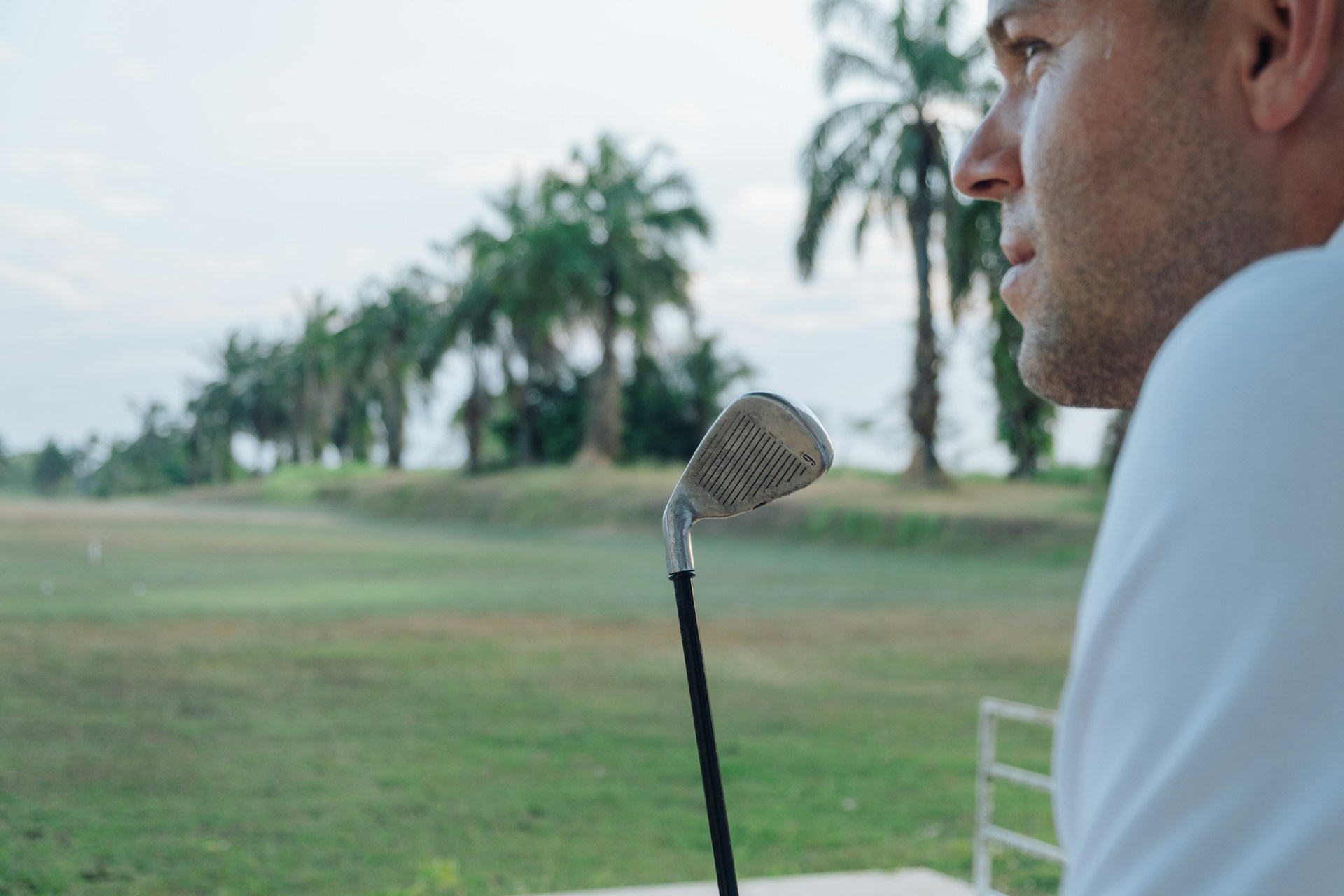
Keeping your equipment in top condition is even more critical when playing in heat and humidity. Moisture from sweat and the environment can accelerate wear on both shafts and grips. Regularly wiping down shafts and ensuring they are dry before storage can preserve both performance and longevity. Consider using a towel or specialized cleaning wipes after every round.
It’s also important to inspect your iron shafts for signs of corrosion, especially on steel models. Humidity can cause rust or other damage over time. With graphite shafts, check for any signs of surface wear or delamination. For detailed guidance, visit our FAQs page, which covers common maintenance questions and tips specific to hot climates.
Upgrading your irons with climate-appropriate shafts is a straightforward process when you work with a knowledgeable supplier. At Bogey Buster Golf Shafts, we offer a curated selection of iron shafts designed for a range of playing needs and weather conditions. Our team can provide recommendations based on your swing profile and local climate, helping you make an informed investment in your game.
For those interested in custom builds or professional fittings, explore our Graphite Design and iron shaft collections. If you’re curious about how fitters evaluate your needs, the Golf Monthly guide to club fitting provides an excellent overview of the process.
Graphite iron shafts are lighter than steel, which can reduce fatigue during hot rounds. They also dampen vibration, making them more comfortable for players dealing with sweaty hands or joint sensitivity. This comfort can help maintain swing consistency and prevent exhaustion in high temperatures.
It’s a good idea to inspect your iron shafts after every few rounds, especially during periods of high heat and humidity. Look for signs of rust (on steel) or surface wear (on graphite). Prompt cleaning and drying can help prevent long-term damage.
You can absolutely upgrade just the shafts on your existing irons. This is a cost-effective way to adapt your current set for better performance in hot climates. A professional fitting can ensure you choose the right shaft material, flex, and weight for your swing and weather conditions.
Ready to upgrade your irons for better performance in Florida’s heat? Contact Bogey Buster Golf Shafts at 1-800-380-7901 or visit our Contact Us page for personalized advice and service. Our experts are here to help you find the perfect equipment for your climate and playing style.
Written by Patrick Greene|Golf shaft specialist with 15+ years in

Written by Patrick Greene|Golf shaft specialist with 15+ years in