

How Custom Golf Shafts Enhance Distance and Accuracy
Written by Patrick Greene|Golf shaft specialist with 15+ years in
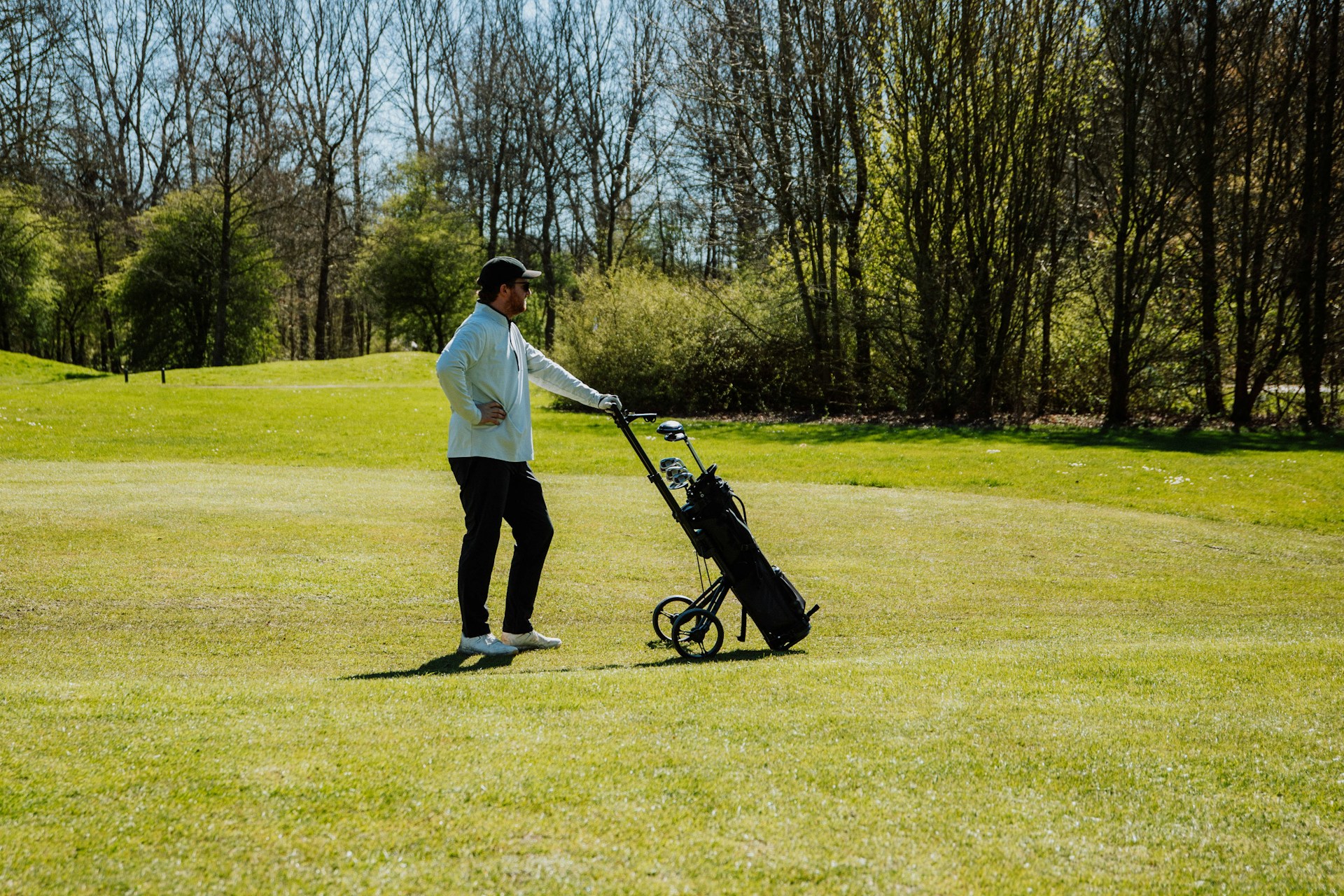
When the ground softens and temperatures drop, golf feels a little different under your feet. The ball doesn’t come off the face quite the same. The turf grabs your club just a bit more than it did last month. All those smaller changes lead players to rethink how their clubs and shafts are reacting during each swing. These cooler, damp conditions can bring gear feedback into the spotlight in a way that dry-season rounds rarely do.
We’ve seen more players talk about how certain shafts react in these rounds, especially when control becomes more important than raw distance. Speeder NX is one that gets mentioned often. While every swing and surface is different, there’s a pattern in what people notice when fairways turn soft and traction starts playing a bigger role in swing feel.
Wet or saturated turf plays tricks on your setup. Even the most confident swing can feel sluggish when the surface soaks up just enough energy at impact. Over the course of a round, that drag builds tension, sometimes without you noticing.
• Softer ground slows the clubhead slightly after the ball leaves the face, which changes how you perceive exit speed and launch
• Players often adjust grip pressure without realizing they are doing it, especially when they lose trust in how the club is moving through the ground
• A swing that cuts through dry turf cleanly might feel delayed or resisted when moisture collects underfoot
These conditions don’t mean you need to change your swing. But they are helpful cues when checking how your current shaft supports your motion in less-than-ideal turf. Some shafts respond better than others when contact point shifts a hair behind the ball or the body doesn’t rotate as well in damp footing.
Golfers often underestimate how much the turf can influence the entire swing. When the underfoot ground is soft, the weight transfer during the backswing and downswing may not feel as stable, creating slight hesitations or overcompensations during the follow through. For many, it’s an eye-opener to notice just how much this affects club path and release. Being mindful of how the ground interacts with your shoes, as well as your club, allows for smarter adjustments in stance and balance, all of which contribute to how the shaft works under these seasonal changes.
Dry-season expectations don’t always hold up on wetter courses. On firm ground, distance tends to take center stage. But once the turf soaks up your rollout and reduces compression at impact, you start valuing other traits more.
• Feel and control rise to the top of the list during soft rounds
• Golfers report seeking more predictability with tempo and smoother transitions back toward the ball
• A shaft that stays stable through less-than-perfect contact helps retain confidence, especially with mid-irons or hybrids where lies can get squishy
• Getting clean contact off soft or sinking turf becomes less about power and more about balance, rhythm, and whether the club feels like it’s working with or against your timing
Forget trying to overpower the ground. Soft conditions ask us to listen to our swing and how it’s flowing or stalling. The shaft plays a big part in that.
When ground conditions sneak up and shift the rhythm, it’s common for golfers to make small adjustments in reaction, sometimes unconsciously. Players learn to trust the sensation of the club traveling through soft turf, picking up on nuanced feedback from each strike. It’s no longer just about maximizing force but rather finding that sweet spot where all the pieces work together: tempo, balance, and direction. Paying attention to how the shaft maintains steadiness and helps with consistent contact is often what separates a confident shot from one that feels like work.
Observing Why Players Talk About Speeder NX in These Rounds
As more golfers stretch their season into cooler months, we hear consistent comments about gear that holds up well on softer ground. Shafts that manage feel without getting sloppy or over-flexing tend to earn a second look. That’s where Speeder NX keeps coming up.
• Golfers tend to favor setups that keep tempo on track, especially when the swing slows down through added turf resistance
• Speeder NX tends to get recognized in relation to control and smooth feel when the ground takes more energy from the swing than expected
• There’s a frequent pattern of feedback connecting this shaft with better rhythm in wet fairways or early-season grass that plays soft underfoot
On our site, the Speeder NX is described as responsive and stable, offering easy loading and energy transfer, which makes it a trusted pick for play in softer or less predictable ground conditions.
Feel isn’t just some vague word in these conditions. It’s the live feedback loop between hands, tempo, and turf interaction. And shafts that communicate clearly through that loop are often what keep the round from slipping sideways after a few rough swings.
Late in the year, golfers notice quickly when their club feels muted or disconnected against soggy ground. The Speeder NX gets consistent nods for providing a solid feel and predictable response, which many players find reassuring when footing is less than perfect. The key is that the shaft does not go limp or get overly soft, but rather stays engaged with the motion of the swing. That dependable response is what makes it so popular when conditions are far from ideal, allowing players to play their round with less second guessing and more focus on tempo.
Sometimes players gear up for harsh conditions when what they really need is awareness. A soggy tee box or spongy fairway doesn’t demand a full rebuild of your move. More often, it’s about listening closely and recognizing when surface changes, not your technique, are shaping the outcome.
• Minor changes in turf response can trick players into thinking something’s off in their motion
• Shafts that stay steady and responsive help you spot the difference between a swing flaw and a surface issue
• If your go-to swing starts producing unpredictable ball flights in wetter rounds, it might be time to see how your shaft is tracking through these new conditions
Noticing how your equipment reacts under seasonal pressure is half the battle. It gives you confidence to trust your usual motion instead of complicating the solution with unnecessary adjustments. That kind of awareness creates clarity even on messy lies.
A big part of golfing smart in tough conditions is tuning into what your body is telling you. Slower footwork, bigger divots, or a lagging clubhead become clues instead of frustrations. By recognizing that increased softness in the ground can exaggerate any swing quirks, you’re more likely to keep your focus on smoothness and not get distracted by strange bounces or less than perfect lies. Equipment that stays balanced, even as the weather and ground add challenges, makes it easier to keep your mind on shot shape rather than constant adjustments.
Late-season golf has a different rhythm. The air gets heavier, the turf softer, and small shifts in shaft performance matter more. Ignoring those patterns only pushes the frustration into next season.
Watching how shafts like Speeder NX perform during damp or early-winter rounds gives us real-world clues. If the feeling in your hands doesn’t match what your head expects, that’s worth noticing. These quieter shifts during cooler months can help shape better gear choices for the stretch ahead into spring.
Noticing a shift in how the ground affects your tempo or feel late in the season is common, and changes in turf response can be the difference between confidence and second-guessing your swing. Paying attention to how shafts like Speeder NX respond to changing weather and fairway softness can make all the difference. At Bogey Buster Golf Shafts, we use these insights to help your gear feel more dependable when it matters most. Reach out and let us know how your swings are holding up as you head into the cooler months.
Source: Golf Digest
Hybrid shaft flex depends on your swing speed. Players with swing speeds under 85 mph typically benefit from regular or senior flex, while those above 95 mph should consider stiff or extra stiff options. A professional fitting can help determine the ideal flex for your game.
Quality hybrid shafts from brands like Fujikura can last 3-5 years with regular play. Signs of wear include visible cracks, rattling sounds, or inconsistent ball flight patterns that werent present before.
Yes, most hybrid heads accept aftermarket shafts. Upgrading to a premium shaft like the Fujikura Air Speeder or Ventus can significantly improve launch conditions and consistency. A qualified fitter can help match the right shaft to your hybrid head.
Related: What Golfers Do Right When Picking Speeder Shafts
More shaft guides:
Find Your Perfect Shaft
Questions? Call us: 1-800-380-7901 · Take the Quiz · FAQs
Also Read: Easy Maintenance Tips for Longer-Lasting Shafts
Patrick Greene is the founder of Bogey Buster Golf Shafts, specializing in premium golf shaft fitting and sales. With over 15 years of experience in the golf equipment industry, Patrick is an Authorized Fujikura Dealer who also works with Graphite Design, Newton Golf, and other premium shaft manufacturers. He regularly attends the PGA Merchandise Show and stays current with the latest shaft technology to help golfers of all skill levels find their ideal setup.
Learn more on the About Us page, contact Patrick, or call 1-800-380-7901.
Written by Patrick Greene|Golf shaft specialist with 15+ years in

Written by Patrick Greene|Golf shaft specialist with 15+ years in